
 Anjar Salim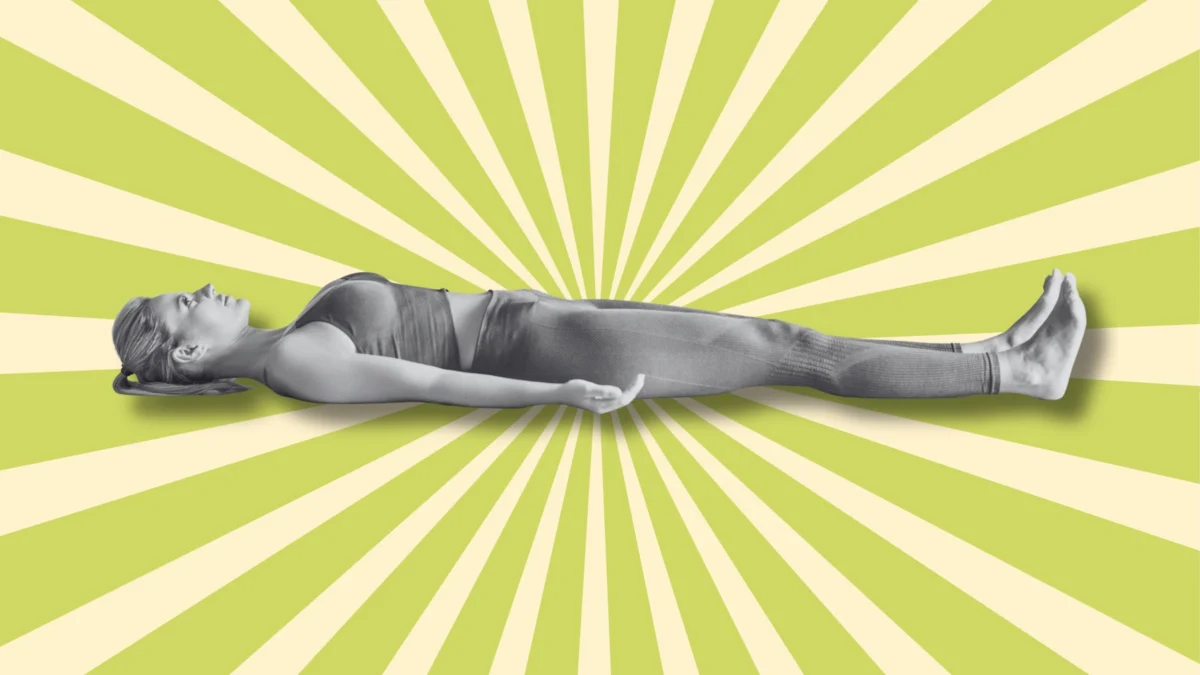
On April 29, 2026, a groundbreaking study published in the peer-reviewed journal PLOS One revealed that a specific regimen of exercises performed in a recumbent position—lying down—can yield significant improvements in an individual’s posture and balance. The research, led by a team of Japanese scientists and physical therapy experts, challenges the conventional wisdom that balance training must primarily occur in an upright, gravity-dependent position. By isolating core and lower-limb muscle groups while minimizing the demands of gravity, the study suggests that even a ten-minute daily commitment can enhance the physiological systems responsible for keeping the human body stable and aligned.
The study comes at a critical juncture in global public health, as sedentary lifestyles and the prevalence of "tech neck"—a postural misalignment caused by excessive screen use—have led to a surge in musculoskeletal complaints. The findings provide a low-barrier-to-entry solution for individuals who may find traditional balance exercises, such as yoga or single-leg squats, too taxing or complex. The four-move protocol focuses on abdominal contractions, glute bridges, heel pushes, and intrinsic foot movements, often referred to as "rock, paper, scissors" for the toes.
The Biomechanics of Human Stability: A Complex Balancing Act
To understand why lying down can improve upright posture, it is necessary to examine the complexity of human locomotion. Todd Haynes, a physical therapist and supervisor of outpatient rehab services at MelroseWakefield Hospital, describes human walking as "essentially controlled falling forward." Because the human head, torso, and pelvis represent a significant portion of the body’s total weight compared to the lower extremities, the nervous system must constantly work to prevent the body from toppling over.
Lori Diamos, a Chicago-based physical therapist and founder of PT Pearls Physical Therapy and Wellness, utilizes the "building block" analogy to describe ideal posture. In a perfectly aligned body, the head is stacked over the trunk, the trunk over the pelvis, and the pelvis over the legs. When these blocks shift out of alignment, mechanical stress accumulates, leading to chronic pain, joint degeneration, and a loss of functional mobility. According to Kelli-Anne Yorks of the Hospital for Special Surgery in New York City, maintaining this optimal alignment allows the body to absorb shock and distribute weight efficiently, which is vital for both athletic performance and daily activities.
As humans age, the "controlled fall" of walking often becomes less controlled. Sarcopenia—the age-related loss of muscle mass—and a decrease in physical activity lead to shorter, shuffling steps. When the lower body loses its ability to propel the frame forward, the upper body often compensates by leaning, which further destabilizes the center of gravity. The PLOS One study aimed to address these foundational weaknesses by targeting the specific muscles that facilitate an upright stance.
Study Methodology and Core Findings
The research, co-authored by Tomoaki Atomi, a physical therapist and movement control researcher, and Yoriko Atomi, a skeletal muscle cell life scientist from the University of Tokyo, involved two distinct experiments with groups of 18 and 22 participants, respectively. Over a two-week period, participants engaged in a ten-minute coordination-focused workout while lying in a supine position once per day.
The researchers hypothesized that by reducing "antigravity muscle activity"—the constant tension muscles must maintain to keep a person standing—participants could focus more effectively on trunk stability and lower-limb coordination. "Under normal conditions, humans control a relatively heavy trunk by coordinating multiple lower limb joints over a narrow base of support," Tomoaki Atomi explained. By moving the training to the floor, the researchers were able to isolate these movements and strengthen the neural pathways between the brain and the stabilizing muscles.
By the conclusion of the 14-day trial, the data indicated a marked improvement in agility and balance during upright tasks. The participants demonstrated a more stable "narrow base of support," meaning they were less likely to sway or lose their balance when standing or walking. This suggests that the neuromuscular benefits of recumbent exercise translate directly to vertical stability.
The Four-Move Protocol: Anatomical Focus and Execution
The ten-minute routine consists of four specific exercises designed to be performed in a continuous set. Each move targets a different component of the body’s stabilizing system.
1. Abdominal Contractions (Transverse Abdominis Activation)
This exercise targets the deepest layer of the abdominal muscles, which acts as a natural corset for the spine. To perform this, the individual lies on their back with knees bent and feet flat. By drawing the belly button toward the spine and holding the contraction while breathing normally, the trainee stabilizes the lumbar spine. This creates a solid foundation for the "building blocks" of the torso.
2. Glute Bridges (Posterior Chain Engagement)
The gluteus maximus is the primary driver of hip extension and is crucial for maintaining an upright pelvis. In this move, the individual lifts their hips toward the ceiling while keeping their shoulders and feet on the floor. This strengthens the lower back and glutes, preventing the "forward slouch" often seen in individuals with weak posterior chains.
3. Heel Pushes (Lower Limb Alignment)
Heel pushes involve extending the legs and flexing the feet so the toes point toward the shins, then pushing the heels away from the body. This exercise engages the entire kinetic chain of the leg, from the hip to the ankle. It helps in recalibrating the way the legs support the weight of the pelvis and trunk.
4. Foot "Rock, Paper, Scissors" (Intrinsic Foot Strength)
Often overlooked in traditional fitness, the feet are the primary interface between the body and the ground. This exercise involves spreading the toes wide ("paper"), curling them tightly ("rock"), and lifting only the big toe or the outer toes ("scissors"). Strengthening these intrinsic muscles improves the "arch" of the foot, providing a more stable base for the entire body.
Expert Analysis and Implementation Strategies
While the study’s authors, particularly Yoriko Atomi, suggest that these exercises can be performed daily—perhaps as a morning ritual to "set the body" for the day—other experts advocate for a more tempered approach. Grayson Wickham, physical therapist and founder of the mobility app Stretch Mode, emphasizes the importance of the surface used for these exercises. "Ideally, the workout should be done on a firm surface such as the ground or a yoga mat," Wickham notes. While a bed is an option for those with severe mobility issues, the lack of stability on a soft mattress can lead to improper form and potential muscle strain.
Lori Diamos and other clinical physical therapists suggest a frequency of two to five times per week to allow for muscle recovery. They warn that "more is not always better" if it leads to overuse injuries or fatigue. Furthermore, Kelli-Anne Yorks advises that individuals with pre-existing back conditions should consult a professional before beginning, as improper abdominal contractions or glute bridges can occasionally exacerbate lower back pain if the spine is allowed to sag.
Chronology of Postural Research and Broader Implications
The shift toward recumbent exercise represents a broader trend in physical therapy known as "regression to progress." Historically, balance training focused on increasingly difficult standing tasks (e.g., standing on a foam pad or a Bosu ball). However, over the last decade, researchers have begun to realize that if the foundational muscles—the "core" and the "feet"—are not functioning correctly, standing exercises may simply reinforce poor compensatory patterns.
- 2015-2020: Increased clinical focus on the "intrinsic foot" and its role in geriatric fall prevention.
- 2022: Studies begin to emerge linking deep core stability (transverse abdominis) to improved gait speed in the elderly.
- 2024-2025: Research into "gravity-minimized training" gains traction for rehabilitation in post-operative patients and those with chronic fatigue.
- April 29, 2026: The PLOS One study provides a codified, 10-minute protocol that bridges the gap between recumbent isolation and upright function.
The implications of this research are particularly significant for the aging population. Fall-related injuries are a leading cause of hospitalization and loss of independence among seniors. A low-impact, 10-minute routine that can be done on a living room floor provides a scalable solution for fall prevention that does not require expensive gym memberships or specialized equipment.
Furthermore, for the modern workforce, these exercises offer a "reset" button. By spending ten minutes undoing the postural damage caused by hours of sitting, individuals can mitigate the long-term risks of spinal misalignment. As the medical community continues to embrace "exercise as medicine," the PLOS One study serves as a vital piece of evidence that effective health interventions do not always require high intensity; sometimes, the most profound changes happen when we simply lie down and reconnect with the mechanics of our own bodies.




 Budi Mulyono
 Chandra Hamzah
 Tatiana Tantri Indah Sari

 Lukman Taruna Persada Ramadan