
 Cholid Fahmi Thalib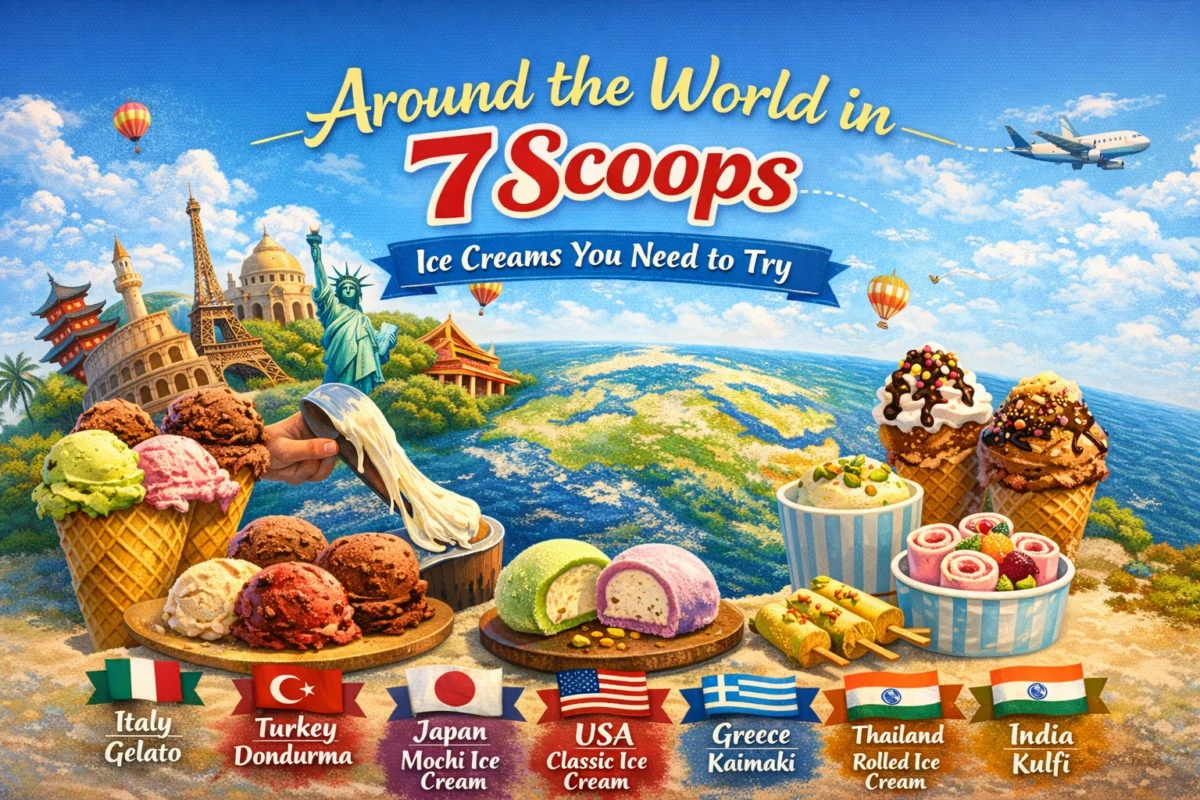
The seemingly simple delight of ice cream transcends cultural boundaries, offering a canvas for culinary artistry that varies dramatically across the globe. Beyond the familiar vanilla and chocolate, a rich tapestry of textures, traditions, and innovative ingredients defines frozen desserts in different nations. This exploration delves into the unique characteristics of ice cream variations from seven distinct countries, revealing how each culture has infused this beloved treat with its own heritage and ingenuity. From the dense, milky richness of Italian gelato to the chewy, dramatic presentation of Turkish dondurma, and the delicate, rice-wrapped perfection of Japanese mochi, the world of ice cream is an invitation to a global gastronomic adventure.
The journey begins in Italy, the undisputed homeland of gelato. Unlike its American counterpart, gelato is crafted with a higher proportion of milk to cream, resulting in a denser, smoother, and more intensely flavored product. This lower fat content allows the pure essence of ingredients like pistachio, rich chocolate, and sweet stracciatella to shine through. Furthermore, gelato is traditionally served at a slightly warmer temperature than ice cream, a practice that enhances its silky texture and amplifies the nuanced flavors. The Italian gelateria is not merely a shop but a cultural institution, a place where generations of artisans have perfected the art of frozen confection. The dedication to quality ingredients and traditional methods has cemented gelato’s status as a cornerstone of Italian culinary identity, with its popularity continuing to grow internationally. Data from market research firms consistently shows gelato as a significant segment within the global frozen dessert market, valued in the billions of dollars annually, with Italy leading production and export.
Transitioning to Turkey, we encounter dondurma, an ice cream experience that is as much about performance art as it is about taste. The defining characteristic of dondurma is its exceptional thickness and elasticity, attributed to the inclusion of salep, a flour derived from the roots of wild orchids. This unique ingredient not only provides its distinctive chewy texture but also gives it a remarkable resistance to melting, a practical advantage in warmer climates. The theatrical serving ritual, where vendors employ long-handled paddles to stretch, fold, and manipulate the dondurma before serving it, adds an element of entertainment. This dramatic presentation has made dondurma a beloved symbol of Turkish hospitality and a vibrant part of the country’s street food culture. Historical accounts suggest that the origins of dondurma can be traced back centuries, evolving from early forms of preserved milk products. The unique properties of salep have been recognized for their culinary and even medicinal applications throughout history.
In Japan, the concept of ice cream is reimagined with mochi ice cream, a delightful fusion of Western dessert with traditional Japanese confectionery. These bite-sized confections consist of a creamy ice cream filling, often featuring unique Japanese flavors like matcha green tea or sweet red bean, encased in a soft, chewy outer layer of mochi – a pounded rice dough. The textural contrast between the yielding mochi and the cold, smooth ice cream creates a truly unique sensory experience. Mochi ice cream exemplifies Japan’s renowned attention to detail in texture and presentation, showcasing a sophisticated approach to dessert making. While initially a niche product, mochi ice cream has achieved global popularity, demonstrating the successful export of Japanese culinary innovation. The demand for such distinct and texturally interesting desserts has contributed to the growth of the global confectionery market, with specialized items like mochi playing an increasingly important role.
The United States contributes its own distinct style to the global ice cream landscape: classic American ice cream. Characterized by its rich, creamy, and indulgent nature, American ice cream is a testament to the nation’s penchant for comfort food and creative flavor innovation. From artisanal creameries utilizing locally sourced ingredients to mass-produced brands offering an overwhelming array of choices, the American ice cream scene is vast and varied. Whether it’s a simple soft-serve swirl from a roadside stand or an elaborate creation loaded with cookie dough and brownie chunks, American ice cream is synonymous with decadence and pure enjoyment. This segment of the market is a significant economic driver, with numerous companies reporting substantial annual revenues. The continuous introduction of novel flavors and ingredient combinations fuels consumer interest and sustains market growth, reflecting a culture that values both tradition and bold experimentation in its culinary offerings.
Venturing to Greece, we discover kaimaki, a unique ice cream distinguished by its elusive yet captivating flavor profile. The secret ingredient is mastic, a resin harvested from a specific type of tree found on the island of Chios. Mastic imparts kaimaki with a subtly floral and earthy aroma, creating a refreshing and complex taste that is unlike any other frozen dessert. The texture is consistently dense, smooth, and velvety, often enhanced by a scattering of crushed pistachios. Kaimaki is not a recent trend but a deeply rooted, centuries-old tradition, offering a taste of Greek history and heritage in every spoonful. This ancient delicacy continues to be cherished, representing a connection to the past and a unique contribution to the world’s frozen dessert repertoire.
Thailand presents a visually spectacular and interactive ice cream experience with its renowned rolled ice cream. This popular street food involves pouring a sweet, creamy liquid base onto an ultra-cold metal surface. Fresh ingredients, such as fruits and candies, are then finely chopped and incorporated into the base. The mixture is then rapidly scraped and flattened into delicate rolls, creating a visually appealing and utterly fresh dessert. The made-to-order nature ensures peak freshness, and the resulting texture is exceptionally smooth and light. Originating on the bustling streets of Bangkok, rolled ice cream has transcended its local roots to become a global phenomenon, captivating consumers with its unique preparation method and delightful taste. The rise of this trend underscores the increasing consumer demand for visually engaging and customizable food experiences.
Finally, India offers kulfi, a traditional frozen dessert that can be described as the patient, intensely flavored cousin of Western ice cream. Kulfi is made through a slow simmering process of milk, which is reduced over several hours to achieve a rich, creamy consistency. This base is then infused with aromatic flavors such as cardamom, saffron, rose, or pistachios. Due to its dense nature, kulfi is typically molded into conical or cylindrical shapes and melts at a slower rate than conventional ice cream, allowing for a more leisurely enjoyment. Its deep flavors and unique texture have made it a cherished delicacy in Indian cuisine for generations. The culinary significance of kulfi lies in its slow, deliberate preparation, mirroring a cultural appreciation for patience and depth of flavor.
This global survey of ice cream variations highlights that this beloved dessert is far more than a simple sweet treat. Each iteration is a reflection of a nation’s agricultural bounty, culinary ingenuity, and cultural heritage. From the artisanal dedication evident in Italian gelato to the theatrical flair of Turkish dondurma, the precise textures of Japanese mochi, the indulgent spirit of American ice cream, the ancient secrets of Greek kaimaki, the vibrant performance of Thai rolled ice cream, and the slow-simmered richness of Indian kulfi, every spoonful offers a unique narrative. While local ice cream parlors provide familiar comfort, understanding these global variations expands our appreciation for the diverse ways in which cultures celebrate and innovate with frozen desserts. The world of ice cream is a testament to the universal appeal of sweetness, transformed and enriched by the distinct flavors and traditions of every corner of the globe. Future market trends are likely to see continued growth in specialized and artisanal frozen desserts, driven by consumer interest in authentic cultural experiences and unique flavor profiles. The potential for cross-cultural culinary fusion in the ice cream sector remains vast, promising even more exciting innovations for dessert enthusiasts worldwide.


 Anjar Salim
 Chandra Hamzah
 Tatiana Tantri Indah Sari
 Budi Mulyono

