
 Cholid Fahmi Thalib
Travel offers a kaleidoscope of experiences, but few leave as indelible a mark as the sensory journey of food. A thoughtfully curated meal, savored in an authentic setting, can unlock a deeper understanding of a place, often revealing more about its soul than a day spent navigating typical tourist attractions. By placing culinary exploration at the heart of travel planning, individuals can forge a more profound connection with local cultures, optimize their time with purpose, and sidestep the common pitfalls of last-minute decisions. This proactive approach transforms a trip from a series of disconnected activities into a cohesive narrative, experienced through the unique flavors, daily rhythms, and ingrained dining habits of a destination.
The strategic integration of food into travel planning is not merely about satisfying hunger; it is a deliberate methodology for cultural immersion. Research indicates that food tourism is a significant and growing sector of the global travel industry. A 2023 report by Allied Market Research projected the global food tourism market to reach $13.5 trillion by 2027, growing at a compound annual growth rate (CAGR) of 11.7%. This surge underscores a fundamental shift in traveler priorities, with an increasing emphasis on authentic, experiential journeys where food plays a central role.
The Foundation of Culinary Travel: In-depth Local Research
The cornerstone of any successful culinary itinerary lies in thorough research into local food culture. Understanding what, when, and how locals dine is paramount, as these patterns dictate the authentic ebb and flow of daily life in a destination. For instance, recognizing that dinner in Madrid typically commences late, or that the vibrant Florentine markets reach their zenith in the early morning hours, allows travelers to align their plans with established local rhythms rather than struggling against them. This proactive engagement ensures that meal experiences are not only more authentic but also more logistically feasible.
Accessing reliable information often requires looking beyond mainstream travel guides. Engaging with local food blogs, participating in online culinary forums, and utilizing tools like Virtual Private Networks (VPNs) to access region-specific restaurant listings can provide invaluable insights. These resources often highlight establishments that cater to local tastes and budgets, offering a stark contrast to the often overpriced and homogenized fare found in heavily touristed areas. The judicious use of a VPN, for example, can bypass geo-restrictions that might limit access to local review sites or booking platforms, thereby broadening the scope of available information and increasing the likelihood of discovering genuine culinary gems. This level of detail is crucial for avoiding tourist traps and identifying establishments where quality, authenticity, and value are prioritized according to local standards.
Balancing Pre-Planned Experiences with Serendipitous Discoveries
While the allure of iconic restaurants and signature dishes is undeniable, an itinerary packed with pre-determined meal slots can lead to rigidity and a diminished sense of spontaneity. A more effective strategy involves reserving key culinary experiences – perhaps a tasting menu at a renowned establishment or a visit to a historic café steeped in local lore – while intentionally leaving ample room for flexibility. This approach acknowledges that some of the most memorable culinary encounters arise from unexpected opportunities.
By creating breathing room within the schedule, travelers are better positioned to act on local recommendations, stumble upon a bustling neighborhood trattoria that piques their interest, or linger longer at a market stall that offers an intriguing treat. This balance between planned highlights and unplanned explorations reduces the pressure of adherence to a strict schedule and often fosters more genuine and serendipitous dining experiences that might elude even the most diligent online research. Such flexibility allows for a more organic discovery process, mirroring the way locals themselves navigate their food landscape.
Structuring the Journey Around Pivotal Food Experiences
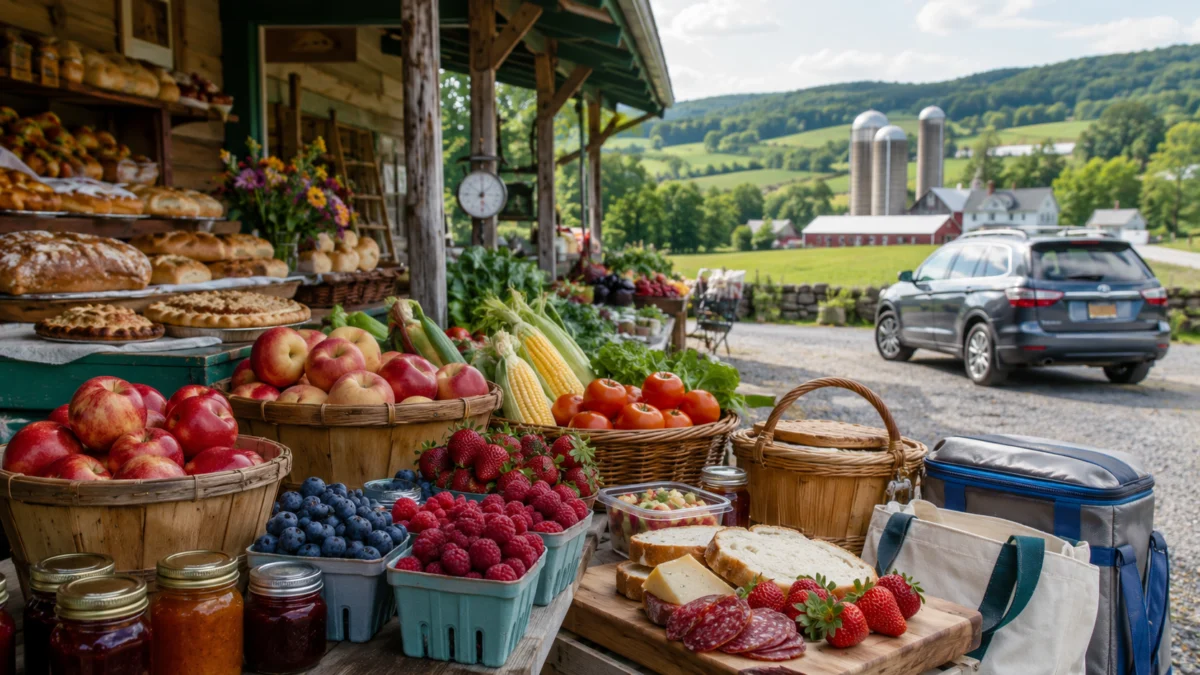
A highly effective method for creating a structured yet manageable itinerary is to anchor each day around a single, meaningful food experience. This central element provides a framework for the day’s activities, preventing the feeling of being overwhelmed by an overly ambitious schedule. For example, a morning could be dedicated to exploring a vibrant local market, followed by a relaxed lunch at a nearby eatery that showcases the market’s fresh produce. The afternoon might then be left open for sightseeing or cultural exploration, culminating in a pre-booked dinner reservation.
This strategic placement of culinary anchors not only streamlines logistics by minimizing unnecessary travel across a city but also concentrates energy and focus. When meals serve as navigational points, travelers are naturally drawn to explore specific neighborhoods more deeply, fostering a richer understanding of the local context surrounding their dining experiences. This approach moves beyond simply eating; it involves understanding the ecosystem of food production, distribution, and consumption within a given locale.
Leveraging Digital Tools for Seamless Organization
In the digital age, a suite of practical tools can significantly enhance the planning and execution of a culinary travel itinerary. Digital mapping applications, for instance, allow travelers to save the locations of desired restaurants, markets, and food stalls, creating a visual guide to their culinary journey. Organizing booking confirmations and reservation details in a dedicated digital folder ensures easy access, especially when navigating different time zones or dealing with limited connectivity. Maintaining a digital notebook for jotting down notes on dishes to try, ingredients to seek out, or recommendations received further consolidates essential information.
Having all relevant planning details readily accessible in one place minimizes the time spent searching for information and maximizes the time spent engaging with the destination. This organizational efficiency becomes particularly invaluable when travel plans require unexpected adjustments, allowing for quick pivots without sacrificing the overall culinary objectives. The ability to access and modify plans on the go ensures a smoother, more enjoyable experience, even amidst the inherent unpredictability of travel.
The Imperative of Daily Review and Adaptive Planning
The most effective culinary itineraries are not static documents but dynamic plans that evolve with the traveler’s experience. A crucial aspect of successful planning involves a daily review of the itinerary to assess what is working well and what feels overly constrained or unfulfilling. This process of continuous refinement ensures that the trip remains aligned with the traveler’s appetite, energy levels, and evolving interests.
For instance, if a leisurely lunch has left one feeling satiated for the remainder of the day, the plan for dinner can be adjusted. This might involve opting for lighter fare, exploring a different neighborhood known for its street food, or even postponing a planned dinner reservation in favor of a relaxed evening. Such adaptive planning transforms the travel experience from a rigid set of obligations into a fluid and natural unfolding of culinary discoveries. This iterative approach acknowledges that travel is an active process of engagement and response, rather than a passive execution of a pre-written script. It allows for the serendipitous integration of new information and preferences, leading to a more personalized and satisfying journey.
The implications of this food-centric approach extend beyond mere gastronomic pleasure. By engaging with local food systems, travelers contribute directly to local economies, supporting small businesses and traditional producers. Furthermore, understanding the cultural significance of food – from agricultural practices to ceremonial dishes – fosters a deeper appreciation for the heritage and identity of a place. In an era where sustainable and responsible tourism is increasingly paramount, prioritizing local food experiences offers a tangible way to travel with a lighter footprint and a more meaningful impact. The deliberate act of planning around food is, therefore, an investment in a richer, more authentic, and ultimately more rewarding travel experience.


 Chandra Hamzah
 Tatiana Tantri Indah Sari
 Budi Mulyono
 Anjar Salim

