
 Tatiana Tantri Indah Sari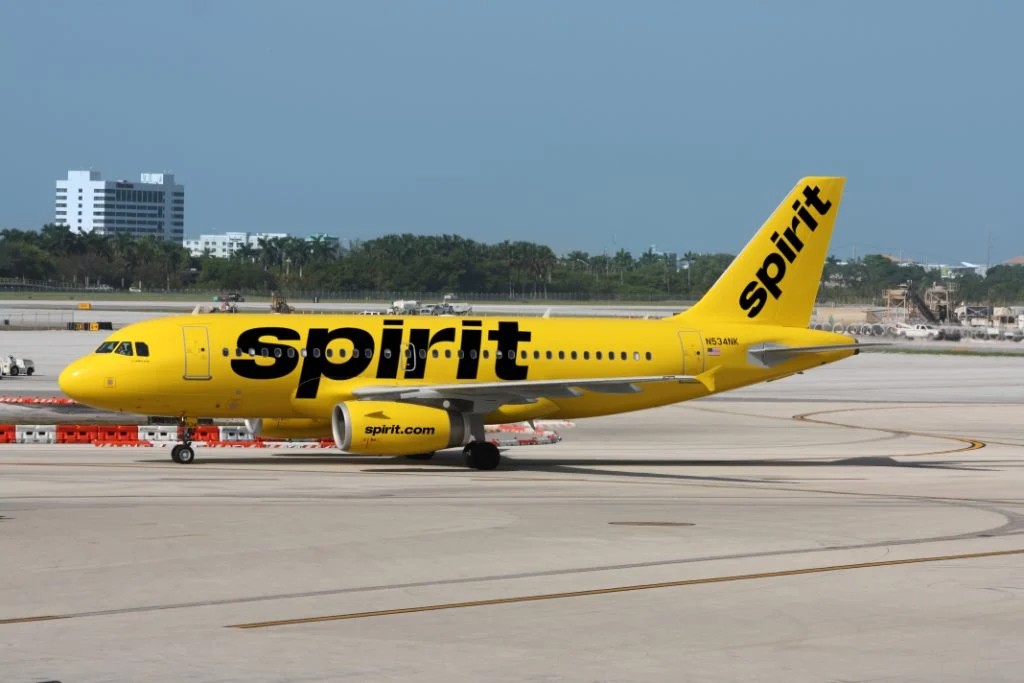
Spirit Airlines, once a titan of the ultra-low-cost carrier (ULCC) segment and a disruptive force in the American aviation landscape, ceased all operations early Saturday morning. The cessation followed its second declaration of Chapter 11 bankruptcy in rapid succession and the ultimate collapse of bailout negotiations with the Trump administration. The airline, which had spent its final weeks desperately lobbying for federal intervention, could not secure the necessary capital to continue, leaving thousands of employees without jobs and countless passengers with disrupted travel plans.
The Rise and Fall of an Industry Disruptor
Spirit Airlines emerged onto the scene in the mid-2000s, fundamentally reshaping the airline industry with its pioneering ultra-low-cost business model. At a time when many legacy carriers were struggling with high operating costs and complex fare structures, Spirit championed a "bare bones" approach, unbundling every conceivable service to offer exceptionally low base fares. Passengers paid extra for everything from carry-on bags and checked luggage to seat assignments, snacks, and even printing boarding passes at the airport. This model, while often criticized by customers for its perceived nickel-and-diming, proved incredibly profitable, attracting a significant segment of leisure travelers and those for whom price was the absolute primary factor.
The carrier cultivated a distinctive brand identity, known for its bright yellow aircraft and often cheeky, irreverent advertising campaigns that leaned into its controversial service model. This love-hate relationship with customers became a hallmark of the Spirit experience. Despite the complaints, Spirit’s rapid growth underscored the market demand for affordable air travel, forcing competitors, including larger airlines, to re-evaluate their pricing strategies and introduce their own basic economy fares. Spirit successfully carved out a substantial niche, becoming the largest ultra-low-cost carrier in the U.S. and a formidable presence in many domestic markets, especially to popular leisure destinations.
The Pandemic’s Unprecedented Onslaught
Spirit’s trajectory as a highly profitable airline, however, was irrevocably altered by the COVID-19 pandemic. The global health crisis brought air travel to an unprecedented standstill in early 2020, decimating passenger volumes across the entire industry. While all airlines suffered, ULCCs like Spirit, which relied heavily on discretionary leisure travel and high load factors to maintain profitability, were particularly vulnerable. Their business model, optimized for volume and minimal overhead, struggled to adapt to drastically reduced demand and the sudden shift in consumer behavior.
Compounding the immediate crisis was a more enduring trend: a significant shift towards premium travel in the post-pandemic recovery. As travel gradually resumed, many consumers, often with accumulated savings from lockdowns or a desire for more comfortable and less stressful experiences, opted for higher-tier services, more space, and greater flexibility. Business travel, another key segment for full-service airlines, also saw a slower and more nuanced recovery, further impacting the overall market dynamics. This pivot in consumer preference directly undermined Spirit’s core value proposition, as the very "unbundled" services that once generated significant ancillary revenue became less appealing to a market increasingly valuing convenience and a more inclusive travel experience.
Mounting Financial Distress and Bailout Attempts
As the pandemic wore on, Spirit’s financial health deteriorated rapidly. The airline, like many others, initially received federal aid through programs such as the CARES Act Payroll Support Program, which helped cover employee salaries and benefits. However, these funds were designed to maintain employment, not to fundamentally restructure a struggling business model in a drastically altered market. By late 2020 and early 2021, with recovery slower than anticipated and operational costs remaining high, Spirit found itself in an increasingly precarious financial position, burning through cash at an unsustainable rate.
The airline’s first round of Chapter 11 bankruptcy protection was initiated in early 2022, a move intended to reorganize its debts and operations. Despite this, the market conditions continued to be challenging, with rising fuel prices, ongoing labor shortages, and persistent shifts in passenger demand placing immense pressure on its recovery efforts. The initial restructuring proved insufficient to stem the tide of losses and address its long-term viability in the changed post-pandemic environment.
By the summer of 2022, facing imminent collapse, Spirit Airlines entered its final, desperate phase of negotiations with the Trump administration for a substantial federal bailout. The proposed package was significant: a $500 million loan, which would have been critical to provide the liquidity needed to continue operations. However, the terms were stringent, reflecting the government’s interest in protecting taxpayer money and potentially gaining leverage. The administration reportedly sought as much as a 90% equity stake in the carrier, a condition that would have effectively nationalized the airline and placed the government in a superior position to other bondholders.
The Impasse and Final Collapse
This specific structure of the bailout proved to be the ultimate stumbling block. Spirit’s existing bondholders, who held significant claims on the airline’s assets, vehemently opposed the arrangement. Granting the government a 90% stake would have severely diluted their own holdings and potentially rendered their investments worthless, placing the government ahead in any future liquidation or reorganization. Sources close to the negotiations indicated that bondholders viewed the proposed terms as excessively punitive and an unacceptable prioritization of government interests over their own established claims.
Despite intense last-minute discussions and urgent appeals from Spirit’s executive leadership, the impasse could not be resolved. Neither side was willing to concede sufficiently to bridge the gap between the government’s demands for a controlling stake and the bondholders’ resistance to dilution. Without the injection of the $500 million loan, Spirit Airlines simply did not have enough cash reserves to continue operating. The decision to cease operations was made swiftly, with the airline announcing its immediate shutdown early Saturday morning, marking the end of an era for the distinctive yellow jets.
Official Reactions and Stakeholder Statements (Inferred)
While no direct quotes were immediately available from the involved parties at the time of the shutdown, industry observers and those familiar with such situations could infer potential statements.
- Spirit Airlines Management: A statement from Spirit’s CEO would likely express profound regret and sadness, emphasizing the unprecedented challenges posed by the pandemic and the ultimate failure to secure a viable path forward. It would undoubtedly thank the airline’s dedicated employees for their service and resilience, acknowledging the difficult circumstances.
- Trump Administration Officials: Representatives from the administration would likely underscore their commitment to fiscal responsibility and protecting taxpayer interests. They might argue that the proposed bailout terms were necessary to ensure accountability and that intervention could not come at any cost, especially when private sector solutions (from bondholders) were not forthcoming.
- Bondholders: Representatives for the bondholders would likely reiterate their fiduciary duty to their investors, explaining that the proposed government stake would have created an untenable situation that did not align with their financial interests or the established legal framework for bankruptcy.
- Labor Unions: Unions representing Spirit’s pilots, flight attendants, and ground staff would express deep concern for the thousands of employees now facing job losses. They would likely call for government support for displaced workers and encourage other airlines to consider hiring Spirit’s experienced personnel.
- Industry Analysts: Aviation analysts would likely comment on the broader implications, noting that while Spirit’s specific operational and financial issues were significant, the pandemic merely accelerated a difficult trend for ULCCs in a shifting market. They might point to the challenges of maintaining profitability when passenger preferences lean away from purely price-driven decisions.
Broader Impact and Implications
The cessation of Spirit Airlines’ operations sends ripples throughout the U.S. aviation industry and has significant implications for various stakeholders:
For Passengers:
The most immediate impact for passengers is a reduction in competition, particularly on routes where Spirit was a dominant low-cost option. This could lead to an increase in airfares on affected routes, as rival carriers face less pressure to match Spirit’s aggressive pricing. While some routes may be picked up by other airlines, the unique ULCC model and its specific price points will be missed by budget-conscious travelers. Passengers holding tickets for future Spirit flights will need to seek refunds or alternative arrangements, potentially facing considerable inconvenience.
For Employees:
Thousands of Spirit Airlines employees, including pilots, flight attendants, mechanics, and ground staff, are now facing unemployment. This represents a significant blow to their livelihoods and the communities where Spirit maintained operational bases. While some may find employment with other airlines, the immediate job market for aviation professionals can be competitive, especially for specialized roles.
For Rival Airlines:
The disappearance of Spirit creates opportunities for its competitors. Other low-cost carriers such as Frontier Airlines, Allegiant Air, and even Southwest Airlines, could move to acquire some of Spirit’s valuable airport slots, gates, and potentially even some of its aircraft. These airlines may also absorb Spirit’s former routes, expanding their networks and market share. Legacy carriers like American, Delta, and United might also see a slight reduction in competitive pressure on certain leisure-focused routes, although their primary competition often comes from other full-service airlines. However, the move also highlights the inherent vulnerabilities even for competitors, as the "Skift Take" notes that rival low-cost airlines "have their own problems," suggesting that the challenges that beset Spirit are not unique to it alone. These problems could include rising operational costs, labor disputes, and the ongoing struggle to adapt to evolving passenger demands.
For the Ultra-Low-Cost Model:
Spirit’s demise raises critical questions about the long-term viability and resilience of the pure ultra-low-cost carrier model in the face of significant market disruptions and evolving consumer preferences. While the model has proven highly successful in certain economic climates, its reliance on high volume, minimal service, and tight cost controls may be less adaptable to periods of uncertainty or shifts towards premiumization. The industry will be closely watching how other ULCCs adapt their strategies to remain competitive and sustainable.
For Government Intervention and Economic Policy:
The failed bailout negotiations also spark debate about the role of government intervention in failing industries. The administration’s tough stance on the equity stake reflects a cautious approach to taxpayer money, but it also raises questions about the balance between protecting public funds and preventing large-scale job losses and market disruption. This case could serve as a precedent for future discussions regarding government aid to distressed companies.
Conclusion
Spirit Airlines’ journey from a disruptive innovator to a defunct carrier is a stark reminder of the volatile nature of the airline industry, especially in the wake of unprecedented global events. Its collapse underscores the profound and lasting impact of the pandemic, not just on travel volumes, but on fundamental consumer behaviors and the economic models that once propelled successful enterprises. While the immediate aftermath is marked by job losses and travel disruptions, the long-term implications will reshape the competitive landscape of U.S. aviation, forcing remaining carriers to innovate and adapt in a market forever changed by the events of recent years. The once-ubiquitous yellow tails will now be a historical footnote, leaving behind a legacy of innovation, controversy, and ultimately, a cautionary tale of resilience tested beyond its limits.



 Anjar Salim
 Chandra Hamzah
 Budi Mulyono

