
 Tatiana Tantri Indah Sari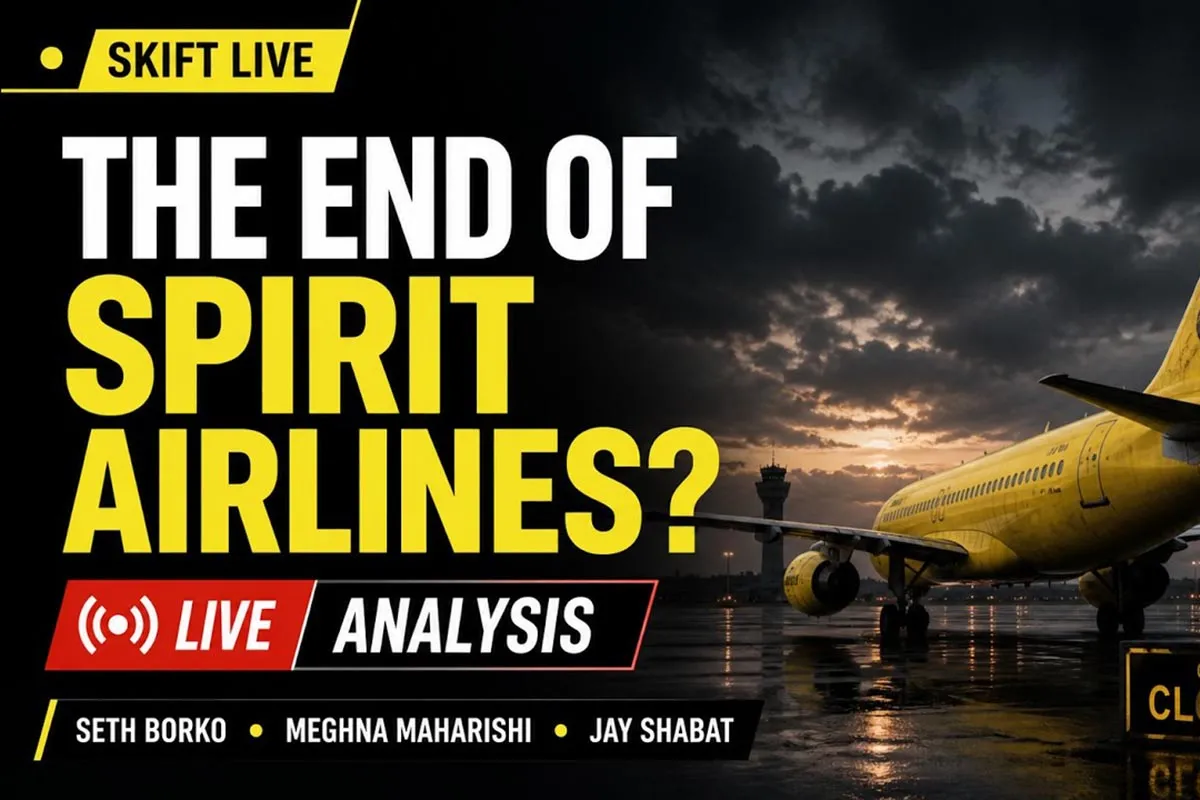
Spirit Airlines, a pioneer of the ultra-low-cost carrier (ULCC) model in the United States, ceased all operations at 3:00 AM ET on May 2, 2026, following the definitive collapse of government bailout negotiations. The carrier’s demise marks a significant inflection point for the aviation industry, underscoring the extreme vulnerabilities of the ULCC business model when confronted by unprecedented fuel price volatility, a failed strategic merger, and an evolving traveler demographic increasingly prioritizing reliability and bundled value over rock-bottom fares.
A Decade of Turbulence: Spirit’s Decline and the ULCC Challenge
Spirit Airlines, known for its distinctive yellow planes and "bare fares" approach, had long been a polarizing force in American aviation. Its business model hinged on unbundling every conceivable service, from carry-on bags to seat assignments, allowing it to advertise exceptionally low base ticket prices. This strategy attracted a segment of price-sensitive travelers, but also generated consistent criticism regarding customer experience and hidden costs. For years, this model yielded profitability, particularly during periods of stable fuel prices and robust demand for budget travel.
However, the inherent fragility of the ULCC model lies in its razor-thin margins and extreme sensitivity to external shocks. Fuel costs typically represent the largest operational expense for airlines, and any significant spike can quickly erode profitability. Moreover, the model often requires high load factors and efficient turnaround times, making it vulnerable to operational disruptions and economic downturns that impact discretionary travel. The economic climate of the mid-2020s, coupled with specific geopolitical events, proved to be an insurmountable challenge for Spirit.
A Chronology of Collapse: From Chapter 11 Exit to Final Shutdown
Spirit Airlines’ journey to its final shutdown was punctuated by a series of escalating crises. The carrier had entered its first Chapter 11 bankruptcy in late 2024, struggling under a heavy debt load and the lingering effects of post-pandemic operational chaos and inflationary pressures that had already begun to shift consumer spending habits. The initial bankruptcy filing aimed to restructure its obligations and right-size its operations, exiting with a plan premised on a more stable economic outlook and, critically, an optimistic fuel price projection.
Following a challenging restructuring process, Spirit successfully emerged from its first Chapter 11 in February 2026. The post-bankruptcy plan was ambitious, projecting jet fuel costs at an average of $2.24 per gallon – a figure many industry analysts deemed optimistic even at the time. The airline had secured fresh capital, albeit at high interest rates, and committed to a revised route network focused on its most profitable leisure markets, particularly in Florida.
However, this fragile recovery was immediately derailed by a rapid and severe escalation of the conflict in Iran. By March 2026, global crude oil prices surged dramatically, pushing jet fuel prices well beyond Spirit’s projections. Within weeks of its Chapter 11 exit, the per-gallon cost of jet fuel for airlines skyrocketed, peaking at over $4.80 per gallon by early April. This more than doubling of a critical operational expense rendered Spirit’s meticulously crafted post-bankruptcy financial model entirely unviable. The carrier, already operating on thin margins and with limited cash reserves, found itself hemorrhaging cash at an unsustainable rate.
Recognizing the dire situation, Spirit Airlines’ management initiated urgent talks with the Trump administration in mid-April 2026, seeking a $500 million emergency loan. The airline argued that its collapse would lead to significant job losses, reduce competition, and disrupt travel for millions of Americans, especially in underserved leisure markets.
Financial Fallout and Creditor Standoff
The proposed government loan, however, faced immediate and fierce resistance from Spirit’s chief bondholders, notably Citadel and Ares Management, which held significant portions of the airline’s restructured debt. The terms of the proposed government bailout would have subordinated their existing claims, meaning the government loan would take precedence in any future liquidation or bankruptcy proceedings. These bondholders, having just participated in the February 2026 restructuring, were unwilling to accept a deal that would further diminish their position and potential recovery.
Sources close to the negotiations indicated that bondholders, having already taken a haircut in the first bankruptcy, were prepared to force a liquidation rather than agree to a deal that offered them even less. Spirit’s total outstanding debt at the time of its second bankruptcy filing was estimated to be around $3.5 billion, a substantial burden for an airline with an increasingly diminished asset base and no clear path to profitability. Despite weeks of intense discussions, including last-ditch appeals from Spirit’s CEO to Treasury officials, a consensus could not be reached. The bondholders’ refusal to budge effectively sealed Spirit’s fate.
The Botched JetBlue Merger: A Precursor to Crisis
Long before the final fuel price shock, Spirit Airlines had attempted a strategic maneuver that, in retrospect, may have exacerbated its vulnerabilities: the protracted and ultimately failed acquisition attempt by JetBlue Airways. Announced in July 2022, the proposed $3.8 billion merger was touted as a way to create a formidable challenger to the "Big Four" U.S. airlines. Spirit’s management had initially favored a rival bid from Frontier Airlines, but JetBlue’s higher offer eventually won over shareholders.
However, the merger faced intense scrutiny from the Department of Justice (DOJ) and antitrust regulators who argued it would reduce competition and lead to higher fares, particularly in overlapping routes in Florida and the Northeast. After a lengthy legal battle, including a federal judge blocking the deal in January 2024, JetBlue formally terminated the acquisition in March 2024, citing the regulatory hurdles. The collapse of this merger left Spirit in a precarious position. The company had spent significant resources—both financial and managerial—pursuing the deal, distracting from its core operational challenges. Furthermore, the uncertainty surrounding the merger had led to a decline in employee morale and a period of strategic drift, weakening its competitive stance just as market conditions began to sour. The $69 million breakup fee JetBlue paid to Spirit was a temporary financial cushion but did little to alter the airline’s long-term trajectory.
Industry Reshaping: Who Stands to Gain (and Lose)?
Spirit’s abrupt shutdown is expected to trigger a significant reallocation of resources and market share across the U.S. aviation landscape.
Competitor Landscape:
JetBlue Airways stands to be the most immediate and significant beneficiary. Spirit had a substantial presence in key leisure markets, particularly in Florida. At Fort Lauderdale-Hollywood International Airport (FLL), a critical hub for both carriers, Spirit flew approximately 5.8 million seats in 2025, out of a total of 20 million seats for the entire airport. This capacity void, representing nearly 30% of FLL’s market, presents a prime opportunity for JetBlue, which has a strong base in the Northeast and a growing presence in Florida. JetBlue is expected to move swiftly to acquire gate slots, ground staff, and potentially some of Spirit’s more desirable aircraft leases to expand its service. Analysts predict JetBlue could absorb up to 30-40% of Spirit’s former routes within six to twelve months, particularly those connecting to its focus cities.
Other ULCCs and budget-friendly carriers are also poised to benefit. Frontier Airlines, which had initially sought to merge with Spirit, will likely target routes that cater to leisure travelers, especially in markets where it previously competed directly with Spirit. Allegiant Air, with its focus on connecting smaller, underserved cities to popular vacation destinations, may find new opportunities to expand its unique point-to-point network. Breeze Airways, a newer entrant known for flying less-traveled routes, could also pick up some secondary market capacity. The legacy carriers—American Airlines, Delta Air Lines, and United Airlines—while not direct ULCC competitors, may see a modest increase in demand and pricing power on routes where Spirit had previously exerted downward pressure on fares.
Airport Operations:
Fort Lauderdale (FLL) faces the most immediate operational challenge, needing to reallocate gates, ground services, and counter space. Other airports with significant Spirit operations, such as Orlando (MCO), Las Vegas (LAS), and numerous smaller airports catering to leisure travel, will also need to adjust. The sudden departure of a major carrier could temporarily reduce passenger traffic and concession revenues, but airports are expected to quickly backfill the capacity given the high demand for air travel.
Aircraft Repossession and Market Impact:
Spirit’s fleet comprised roughly 100 Airbus A320-family aircraft, a significant portion of which were on lease. Lessors will move quickly to repossess these aircraft, seeking to place them with other airlines globally. This influx of relatively young, single-aisle aircraft into the secondary market could temporarily depress lease rates and aircraft values, potentially benefiting carriers looking to expand their fleets economically. Spirit’s owned aircraft will be liquidated to repay creditors, a process that is expected to take months or even years.
Labor Market Disruption: Thousands Facing Uncertainty
The shutdown leaves approximately 10,000 Spirit Airlines employees – including pilots, flight attendants, mechanics, and ground staff – without jobs. This represents a significant blow to the aviation labor market. While some employees, particularly experienced pilots and mechanics, may find new roles relatively quickly with other airlines, many will face unemployment and uncertainty. Unions representing Spirit’s workforce, such as the Air Line Pilots Association (ALPA) and the Association of Flight Attendants (AFA-CWA), have expressed deep disappointment and are working to support their members through the transition, advocating for severance packages and preferential hiring agreements with other carriers. The ripple effect extends to contractors, suppliers, and airport service providers who relied on Spirit’s operations.
The "Premium-Obsessed Traveler" and the Future of Low-Cost Travel
The Skift Take assessment that a "premium-obsessed traveler" contributed to Spirit’s downfall highlights a crucial shift in consumer behavior. The travel landscape post-pandemic has seen a segment of travelers, weary of disruptions and eager for more seamless experiences, willing to pay a premium for reliability, comfort, and bundled services. While the ultra-low-cost model still appeals to the most price-sensitive segment, a growing number of travelers are opting for airlines that offer more inclusive fares, better on-time performance, and a less stressful journey, even if it means a higher upfront cost. This trend, coupled with the rising cost of fuel that narrows the price gap between ULCCs and full-service carriers, puts immense pressure on the pure ULCC model. The "unbundling" strategy, once a key differentiator, has become a point of frustration for many, leading to a reevaluation of perceived value.
Government and Regulatory Perspective
The Trump administration’s decision not to extend the $500 million loan, despite the potential job losses and market disruption, reflects a consistent stance against corporate bailouts outside of exceptional national emergencies. Officials from the Treasury Department reportedly concluded that the airline’s financial distress was too deep-seated and its long-term viability too uncertain to justify taxpayer funds, especially given the bondholders’ refusal to cooperate. The Department of Transportation (DOT) has issued statements assuring the public that it is monitoring the situation closely and working with other airlines to minimize travel disruptions for passengers holding Spirit tickets, though full refunds or alternative arrangements may be challenging for many.
Conclusion: A New Chapter for U.S. Aviation
Spirit Airlines’ shutdown marks the end of an era for a carrier that fundamentally challenged the status quo in U.S. aviation. While its demise is a direct consequence of a confluence of specific factors—geopolitical conflict driving fuel prices, a botched merger attempt, and a resistant creditor base—it also serves as a potent warning shot for the entire ultra-low-cost model. The "reckoning" suggested by industry observers is now fully underway. As the aviation industry navigates this new landscape, competitors will scramble to fill the void, employees will seek new opportunities, and consumers will likely face a temporary reduction in ultra-low-cost options, potentially leading to a slight uptick in overall leisure travel fares. The future will likely see a more diversified approach to low-cost travel, with carriers needing to strike a delicate balance between affordability and a more reliable, customer-centric experience to thrive in an increasingly volatile and competitive market.



 Budi Mulyono
 Anjar Salim
 Chandra Hamzah

 Lukman Taruna Persada Ramadan