
 Anjar Salim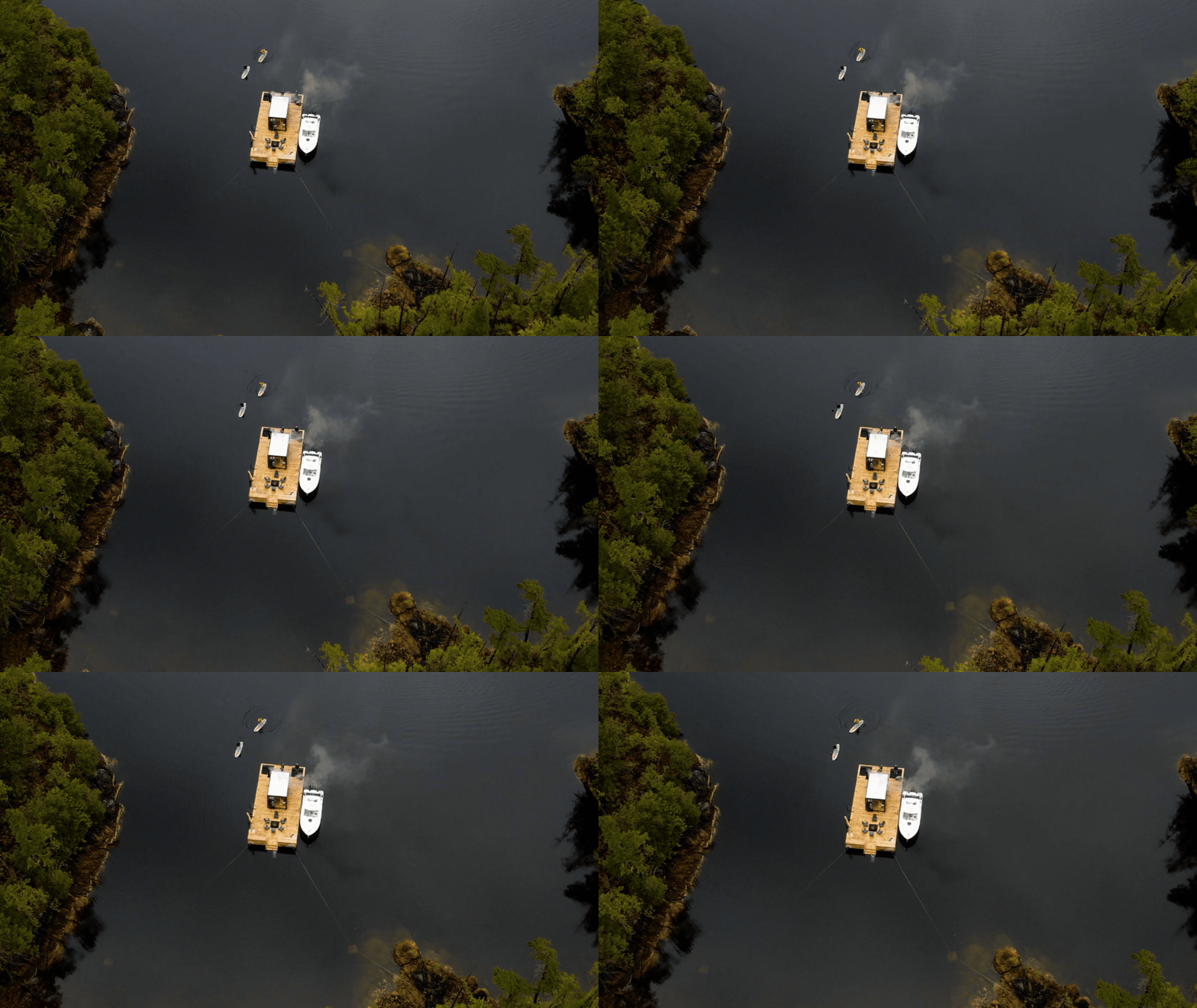
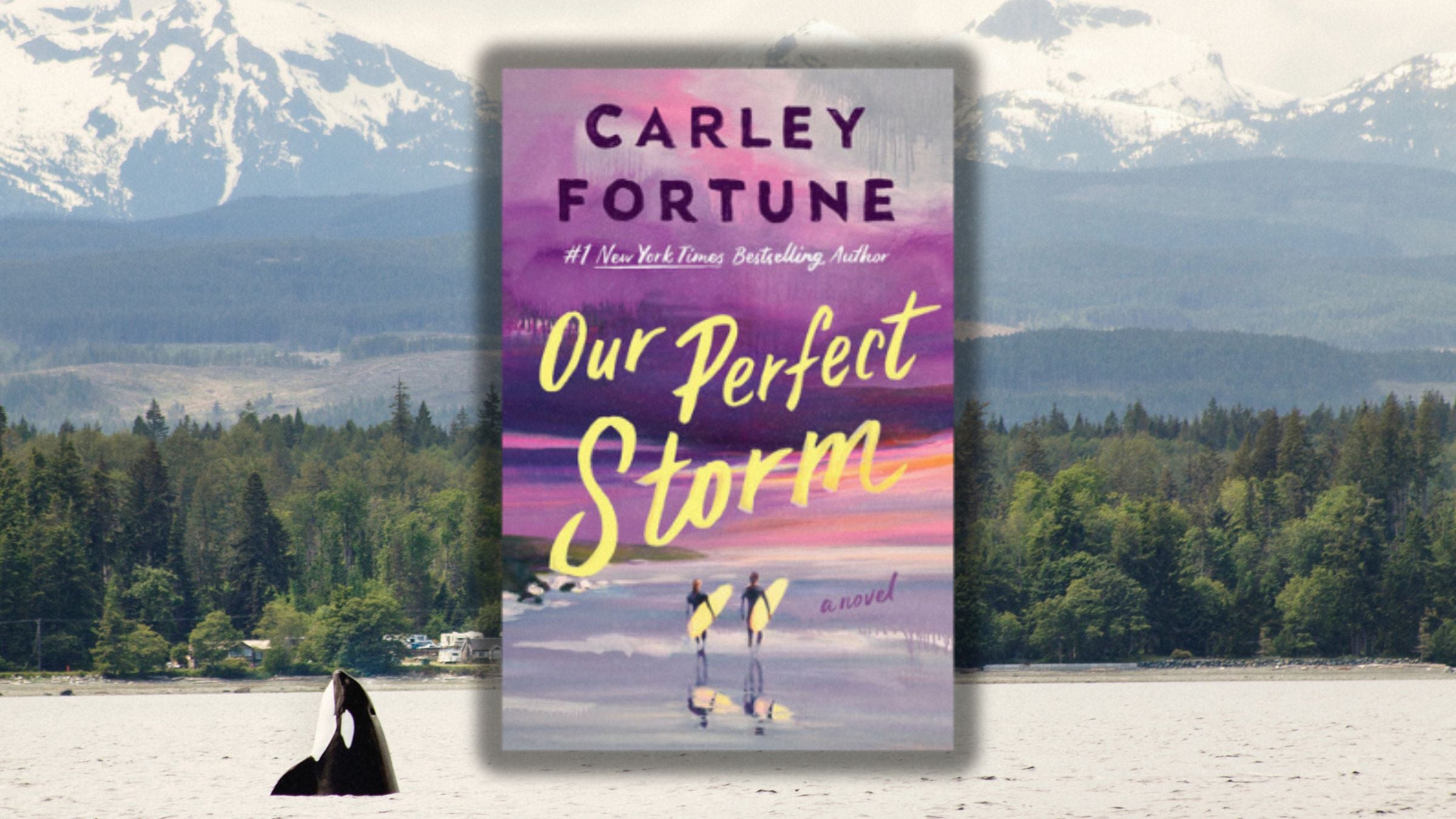
The release of Carley Fortune’s fifth novel, Our Perfect Storm, published by Penguin Random House on May 5, 2026, marks a significant shift in the contemporary romance genre by blending traditional narrative tropes with urgent environmental themes. Set against the rugged backdrop of Tofino, British Columbia, the novel follows the journey of childhood best friends Frankie and George as they navigate a transformative trip originally intended as Frankie’s honeymoon. While the book adheres to the popular friends-to-lovers arc, it distinguishes itself through a meticulously researched setting and a subplot centered on climate anxiety and marine conservation. Fortune, known for her ability to evoke a strong sense of place in her previous bestsellers, utilizes the geography of Vancouver Island not merely as a decorative element but as a catalyst for character development and social commentary.
Narrative Overview and Geographical Significance
The plot of Our Perfect Storm commences with a dramatic catalyst: Frankie, a culinary-school-trained protagonist, is left by her fiancé the night before their wedding. In an act of reclamation, she decides to utilize the non-refundable honeymoon reservations, inviting her lifelong friend George to join her. George, a climate reporter, provides the narrative’s bridge to real-world ecological concerns, having recently survived the trauma of covering the 2023 Yellowknife wildfires.
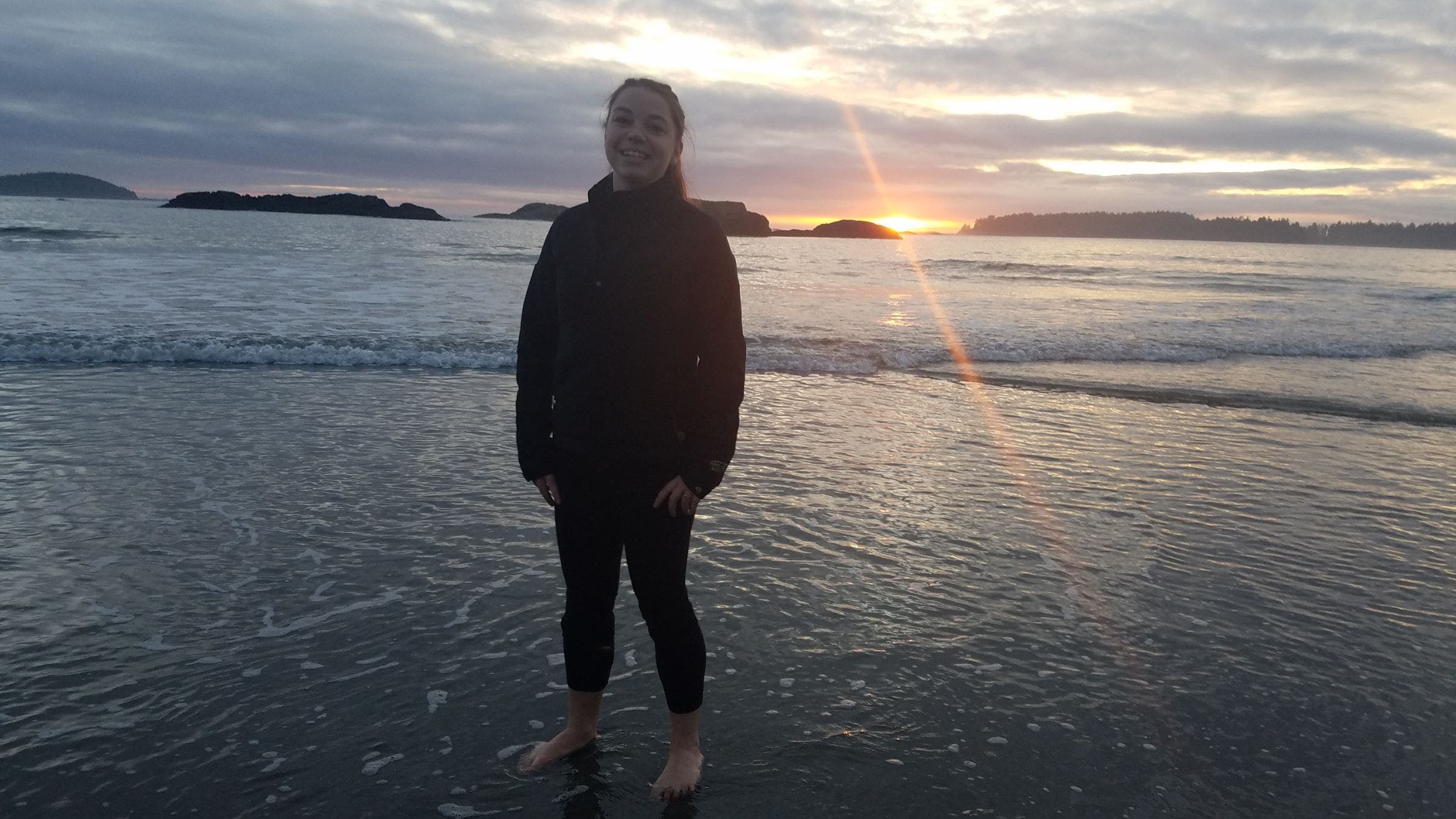
The choice of Tofino as the primary setting is central to the novel’s impact. Located on the central west coast of Vancouver Island, Tofino is situated within the traditional territory of the Tla-o-qui-aht First Nations. The town is a gateway to the Clayoquot Sound, a region designated as a UNESCO Biosphere Reserve in 2000. This designation recognizes the area’s complex ecosystems, which include temperate rainforests, rocky coastal shores, and expansive sand beaches. By placing her characters in this high-stakes environment, Fortune highlights the intersection of personal healing and the majesty of the natural world.
A Chronology of the Tofino Expedition
The itinerary followed by Frankie and George provides a blueprint for what travel industry experts call "literary tourism"—a phenomenon where readers visit the real-life locations featured in their favorite books. The novel’s timeline reflects a typical late-spring visit to the Pacific Northwest, a period characterized by the transition from the winter storm-watching season to the summer surfing peak.
Arrival and Lodging
The journey begins with the transit from Vancouver or Victoria via the Pacific Rim Highway (Highway 4). This route is the sole vehicular artery connecting the east and west coasts of Vancouver Island, known for its winding path through the Mackenzie Range. In the novel, the characters stay at the fictional Moss & Stone Resort, a luxury establishment that mirrors the amenities of real-world destinations like the Long Beach Lodge Resort. These accommodations emphasize the "glamping" or luxury-wilderness aesthetic, featuring private rainforest cottages and outdoor hydrothermal facilities.
Marine Exploration and Wellness
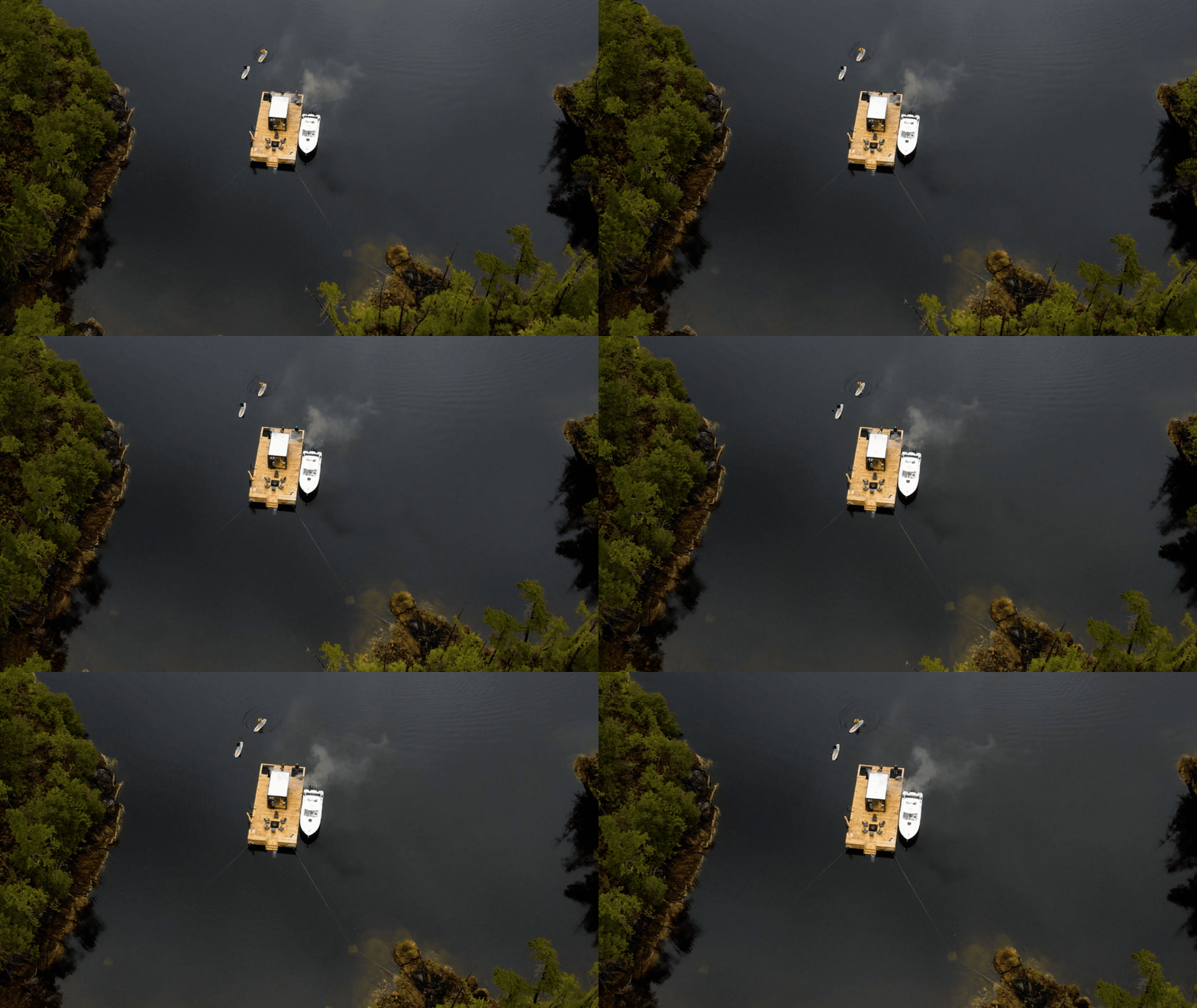
A pivotal sequence in the book involves the characters visiting a floating sauna in Clayoquot Sound. This experience, which requires a boat shuttle from the Tofino marina, places the protagonists in a remote environment devoid of cellular service. This setting serves a dual purpose: it facilitates the "forced proximity" trope common in romance novels while emphasizing the isolation and silence of the UNESCO reserve.
The Surf Culture of the West Coast
Fortune incorporates Tofino’s identity as the "Surf Capital of Canada" by featuring Surf Sister, a real-world, women-owned surf school established in 1999. The inclusion of this institution provides a factual anchor to the story, highlighting the inclusivity and community-driven nature of the local surf scene. The narrative details the physical challenges of surfing in 50-degree (Fahrenheit) waters, necessitating the use of 4mm or 5mm wetsuits, a detail that reinforces the authenticity of the West Coast experience.
Environmental Context and Climate Anxiety
Beyond the romantic central plot, Our Perfect Storm addresses the psychological phenomenon of climate anxiety. Through the character of George, Fortune explores the professional and personal toll of reporting on environmental degradation. George’s backstory includes a harrowing escape from the 2023 Yellowknife wildfires, a real-life event that saw the evacuation of nearly 20,000 residents as fires approached the capital of the Northwest Territories.
By integrating these facts, Fortune elevates the novel from a standard "beach read" to a reflection on contemporary stressors. The narrative suggests that the "perfect storm" of the title refers not only to the internal emotional states of the characters but also to the external meteorological and ecological crises facing the planet.
The Role of Marine Biology
The character of Frankie’s mother, a marine biologist specializing in endangered whales, introduces a scientific layer to the story. The novel specifically references the North Atlantic right whale (Eubalaena glacialis), a species that has become a symbol of conservation struggles. According to data from the National Oceanic and Atmospheric Administration (NOAA) and the North Atlantic Right Whale Consortium, there are fewer than 360 individuals remaining in the wild. Fortune uses this data to underscore the fragility of the natural world, culminating in a scene where the characters observe gray whales breaching during a Zodiac tour.
Supporting Data and Tourism Implications
The publication of Our Perfect Storm is expected to have a measurable impact on Tofino’s tourism sector. Historically, "the Carley Fortune effect" has been noted in previous settings, such as Barry’s Bay in Ontario and Prince Edward Island.
Tofino Tourism Statistics at a Glance:
- Annual Visitors: Approximately 600,000 people visit Tofino annually.
- Peak Season: June through September, though "storm-watching" (November–February) has become a significant secondary market.
- Economic Impact: Tourism is the primary economic driver of the region, contributing over $240 million annually to the local economy prior to the 2020 pandemic.
Travel operators mentioned in the book, such as Atleo Air and Jamie’s Whaling Station, represent the infrastructure of Tofino’s eco-tourism. For example, the flight to Hot Springs Cove (Maquinna Marine Provincial Park) described in the novel is a 30-mile journey from the town center, accessible only by air or water. This highlight of the book underscores the exclusivity and preservation efforts required to maintain such remote locations.
Professional Analysis of Literary Trends
Industry analysts suggest that Our Perfect Storm represents a growing trend in "eco-romance" or "cli-fi" (climate fiction) hybrids. As readers increasingly seek stories that reflect their real-world concerns, authors like Fortune are responding by grounding fantasy elements in sobering reality.
"The modern reader is looking for escapism that doesn’t ignore the world around them," notes a representative from the Canadian Booksellers Association. "Fortune’s decision to include a two-page endnote on whale conservation and the 2023 wildfire season indicates a shift toward social responsibility in commercial fiction. It’s no longer enough to just have a beautiful setting; the setting must have stakes."
Furthermore, the inclusion of the Tla-o-qui-aht First Nations’ territory in the narrative’s context aligns with broader movements in Canadian literature to acknowledge Indigenous land rights and stewardship. While the novel remains a commercial romance, these acknowledgments provide a necessary layer of respect and historical accuracy.
Broader Impact and Conclusion
Our Perfect Storm serves as both a cultural artifact and a travel guide. By blending the emotional resonance of a rekindled friendship with the visceral reality of the Pacific Northwest, Carley Fortune has created a narrative that transcends genre boundaries. The book’s focus on Tofino—a town defined by the collision of old-growth forests and the open Pacific—mirrors the internal collisions of its characters: nostalgia versus the future, and personal joy versus global anxiety.
As the novel reaches the top of bestseller lists, the real-world implications for Tofino and the conservation efforts mentioned within its pages are likely to be significant. Fortune’s endnote, which provides resources for contributing to whale research, transforms the reader’s experience from passive consumption to potential action. In doing so, Our Perfect Storm reinforces the idea that literature can be a powerful tool for environmental advocacy, proving that even in the realm of romance, the most compelling stories are those grounded in the urgent truths of the natural world.



 Chandra Hamzah
 Tatiana Tantri Indah Sari
 Budi Mulyono
