
 Anjar Salim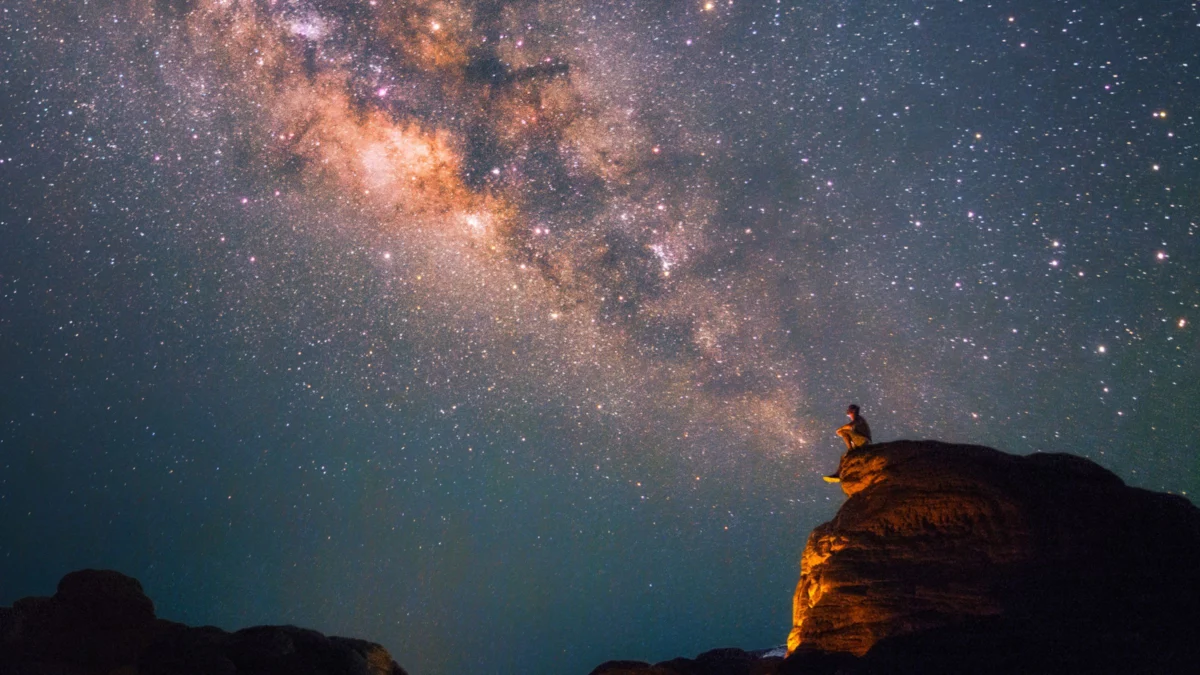
The summer of 2026 is projected to be one of the most significant periods for observational astronomy in the current decade. Astronomers and celestial enthusiasts are preparing for a rare convergence of events, including a total solar eclipse, a near-total lunar eclipse, a high-yield meteor shower, and a unique multi-planetary alignment. This sequence of events, occurring primarily between June and August 2026, offers a unique opportunity for scientific data collection and public engagement with space science.
The upcoming season is characterized by a "double eclipse" month in August, paired with optimal viewing conditions for the Perseid meteor shower due to a favorable lunar cycle. For those in the Northern Hemisphere, the combination of warmer night temperatures and extended visibility of the Milky Way’s galactic core provides a prime window for both professional astrophotography and amateur stargazing.
Planetary Conjunctions and Alignments in June
The celestial calendar begins in earnest during the first week of June 2026. From June 6 through June 10, a significant planetary conjunction will occur above the western horizon. During this period, Jupiter and Venus—the two brightest planets visible from Earth—will appear in close proximity, a phenomenon often referred to as a "celestial tango."
Shortly after sunset, Mercury will join this grouping, creating a rare three-planet cluster. By mid-to-late June, this cluster will transition into a linear alignment. Astronomers note that while these planets are millions of miles apart in space, their orbital positions relative to Earth will make them appear evenly spaced across the western sky.
On June 17, the visual display will be further enhanced when a thin crescent moon moves into position directly beside Venus. Such alignments are of particular interest to educators and researchers as they provide a clear, naked-eye demonstration of the ecliptic plane—the imaginary path in the sky that the planets and the moon follow.
The Perseid Meteor Shower Peak
The Perseid meteor shower, an annual event caused by Earth passing through the debris trail of Comet 109P/Swift-Tuttle, is expected to reach its zenith between August 12 and 13, 2026. The 2026 occurrence is anticipated to be particularly spectacular due to the timing of the lunar cycle.
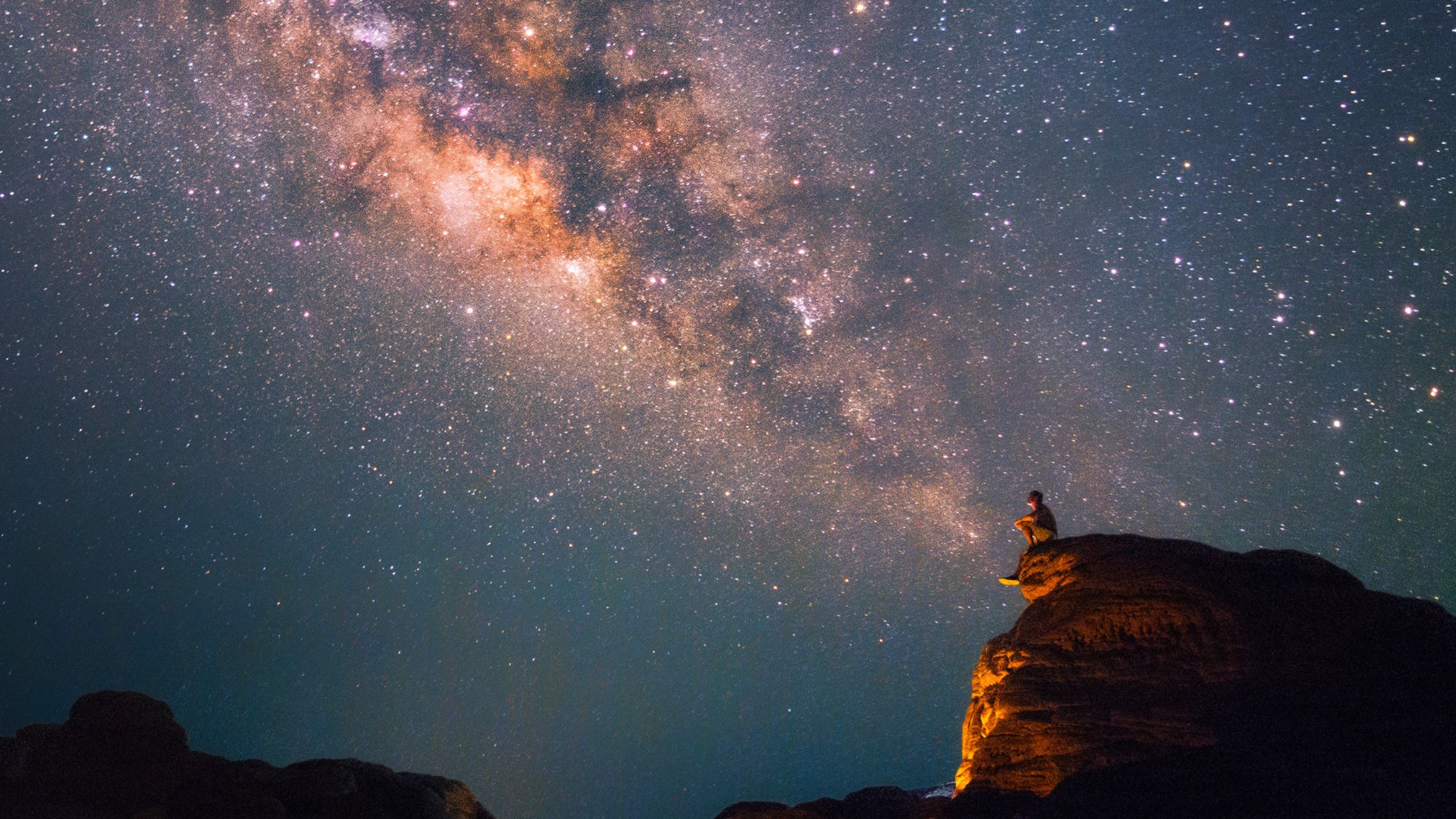
Meteor showers are most visible when the sky is at its darkest. In 2026, the moon’s phase will minimize light interference during the Perseids’ peak, allowing for an estimated rate of up to 90 meteors per hour in regions with low light pollution. Observers can expect to see not only standard meteors but also "fireballs"—exceptionally bright meteors that can persist longer than average streaks.
The peak viewing window is forecasted to begin after midnight on August 13 and continue until the pre-dawn hours. Because the Perseids originate from the constellation Perseus, which rises in the northeast, the shower is best viewed from the Northern Hemisphere.
The Total Solar Eclipse of August 12, 2026
The most anticipated event of the year is the total solar eclipse on August 12, 2026. This event occurs when the moon passes directly between the Earth and the sun, completely obscuring the solar disk and revealing the sun’s outer atmosphere, or corona.
Path of Totality and Geographic Visibility
The path of totality—the narrow track where the sun is 100 percent covered—will cross over Greenland, Iceland, the Atlantic Ocean, Portugal, and northern Spain. This represents the first total solar eclipse visible in continental Europe since 1999. In Spain, the path will pass through major hubs, potentially drawing millions of "eclipse tourists" to the region.
Partial Visibility in North America
While the total eclipse is restricted to the aforementioned regions, a significant partial eclipse will be visible across much of North America. In the northeastern United States and the majority of Canada, the sun will appear as a crescent.
- New York City: Observers can expect approximately a 9 percent obscuration.
- Maine: In the northernmost reaches of the U.S., the obscuration will increase to nearly 25 percent.
- Eastern Canada: Coastal regions of Labrador and Newfoundland will see even higher percentages of coverage.
Safety remains a primary concern for this event. Experts emphasize that viewing any part of the sun without specialized ISO-certified solar eclipse glasses can cause permanent ocular damage.
The Partial Lunar Eclipse of August 27–28
Exactly 15 days after the solar eclipse, the Earth will once again align with the sun and moon, resulting in a partial lunar eclipse on the night of August 27 into the morning of August 28. During this event, the Earth’s umbra (the darkest part of its shadow) will cover approximately 96 percent of the moon’s surface.
Unlike a total solar eclipse, which is only visible along a narrow path, a lunar eclipse can be observed by anyone on the night side of the Earth. In August 2026, the entirety of the United States, Canada, and much of the Americas will have a front-row seat. As the Earth’s shadow sweeps across the lunar surface, the moon will take on a deep red or coppery hue, a result of Rayleigh scattering—the same phenomenon that causes sunsets to appear red.
Observation of the Milky Way Core
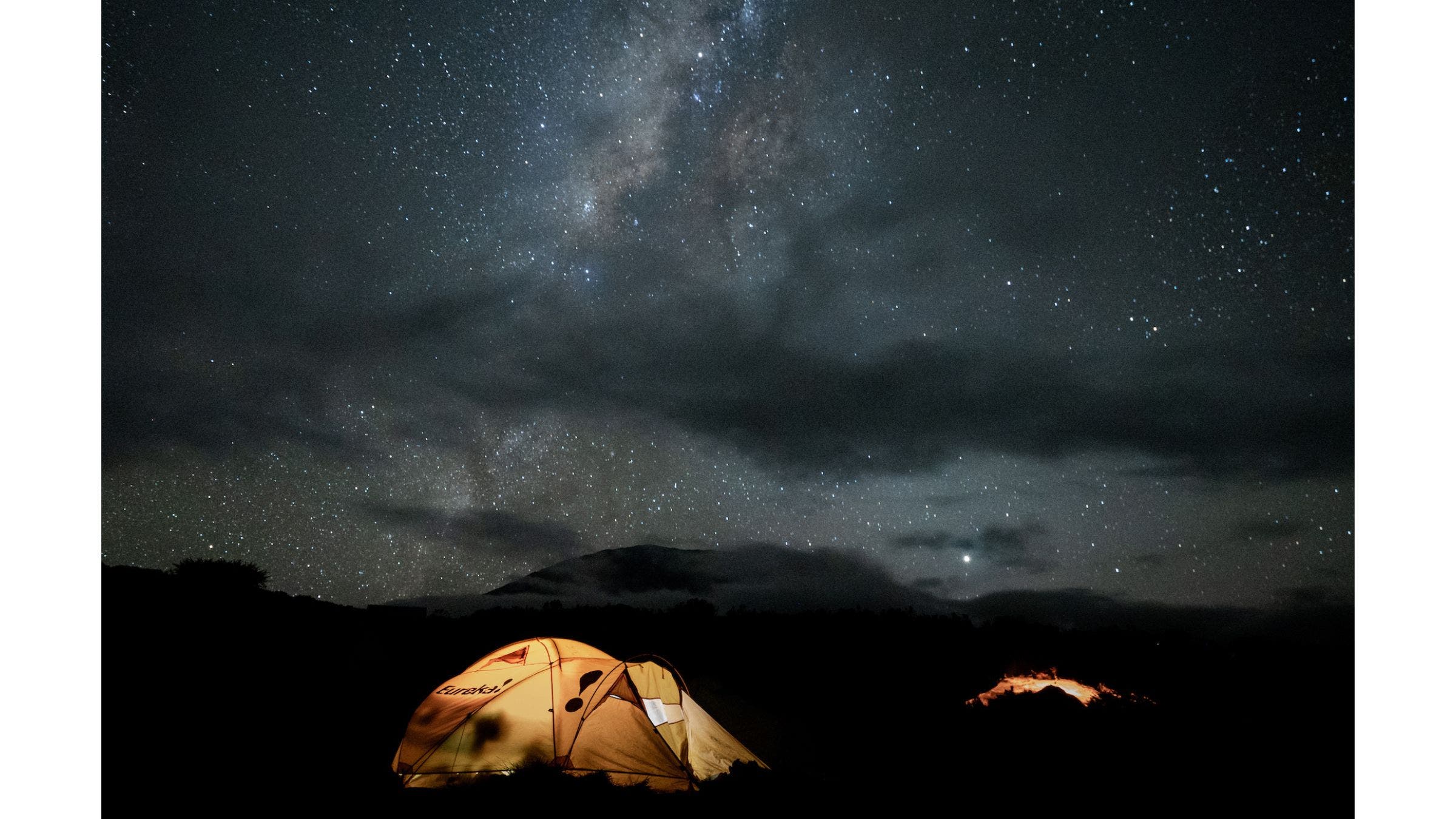
Throughout the summer months, the Milky Way’s galactic core remains a central fixture of the night sky. The core is the most densely packed and luminous region of our galaxy, containing a massive concentration of stars, interstellar dust, and the supermassive black hole Sagittarius A*.
In the Northern Hemisphere, the core is visible from early spring through autumn, but summer is considered the "prime season" because the core remains above the horizon for the longest duration of the night. In spring, the core only rises in the early morning hours; by autumn, it sets shortly after twilight.
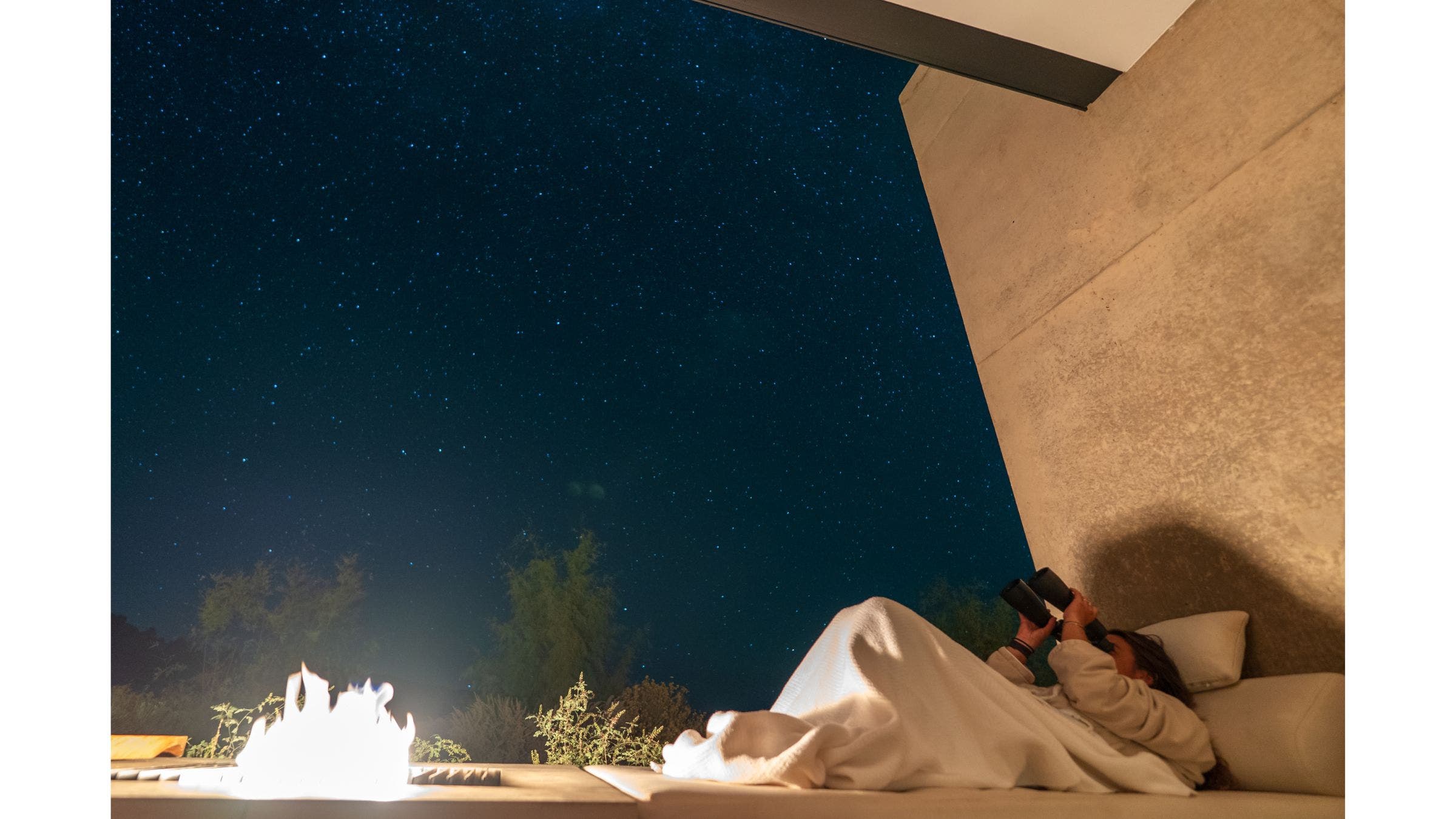
The visibility of the Milky Way is increasingly threatened by light pollution. Data from the "New World Atlas of Artificial Night Sky Brightness" indicates that more than 80 percent of the world—and 99 percent of the U.S. and European populations—lives under light-polluted skies. To observe the galactic core, enthusiasts are encouraged to visit "Dark Sky Places," certified by organizations such as DarkSky International.
International Space Station (ISS) Summer Visibility
Space exploration fans will also have frequent opportunities to spot the International Space Station (ISS) during the 2026 summer season. The ISS, which orbits approximately 250 miles above the Earth, appears as a bright, unblinking point of light moving rapidly across the sky.
Due to the tilt of the Earth during the summer solstice period, the ISS remains in sunlight for a greater portion of its orbit, even while the ground below is in darkness. This results in "all-night" visibility windows where the station can be seen during multiple passes in a single 24-hour period. This increased visibility coincides with heightened interest in the Artemis II mission, which aims to return humans to lunar orbit, marking a new era of deep-space exploration.
Navigating the Summer Constellations
The summer sky features several prominent asterisms and constellations that serve as navigational markers for astronomers.
The Summer Triangle
The Summer Triangle is one of the most recognizable patterns in the northern sky. It is comprised of three bright stars from three different constellations:
- Vega: The brightest star in the constellation Lyra (the Harp).
- Altair: The brightest star in Aquila (the Eagle).
- Deneb: The tail star of Cygnus (the Swan).
Cygnus is particularly useful for observers as the "Northern Cross" shape points directly down the lane of the Milky Way, helping observers locate the galactic plane.
Ursa Major and the "Arc to Arcturus"
Ursa Major (the Great Bear) remains high in the sky during summer nights. The Big Dipper asterism within this constellation is a vital tool for finding the North Star, Polaris. Furthermore, the handle of the Big Dipper provides a path to other celestial bodies. By following the curve of the handle, observers can "arc to Arcturus," the bright red giant star in the constellation Boötes (the Herdsman).
Broader Impact and Scientific Implications
The 2026 celestial season is expected to have significant economic and scientific impacts. The total solar eclipse in August is predicted to generate hundreds of millions of euros in tourism revenue for Spain and Iceland. Historically, such events lead to a surge in hotel bookings, transportation demand, and local commerce.
From a scientific perspective, the back-to-back eclipses allow researchers to study the Earth’s ionosphere and the sun’s corona with modern instrumentation. The European Space Agency (ESA) and NASA often use these windows to calibrate satellite instruments and conduct atmospheric studies.
Additionally, the prominence of these events serves as a catalyst for "dark sky" advocacy. As more people travel to remote areas to witness the Milky Way or the Perseids, there is a growing movement to implement "dark sky" ordinances in municipalities to reduce energy waste and preserve the biological rhythms of nocturnal wildlife.
The summer of 2026 stands as a reminder of the predictable yet awe-inspiring mechanics of the solar system. Whether viewed through a telescope in a remote observatory or with the naked eye from a suburban backyard, these events provide a rare, collective experience of the cosmos.




 Chandra Hamzah
 Tatiana Tantri Indah Sari
 Budi Mulyono
