
 Anjar Salim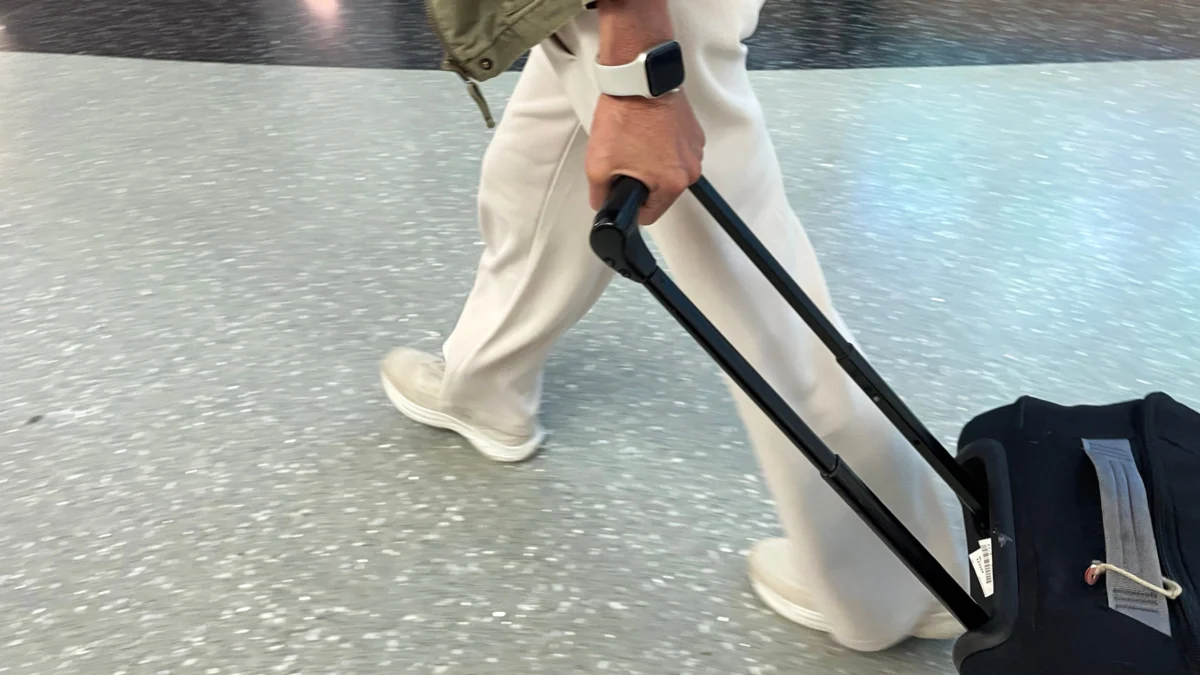
The landscape of global travel apparel has undergone a significant transformation over the last decade, shifting away from rigid traditional garments toward a category now colloquially known as fancy sweats. These garments represent a sophisticated intersection of high-performance athletic textiles and high-fashion silhouettes, designed to meet the rigorous demands of long-haul transit while maintaining a professional or polished aesthetic. As air travel volume continues to surge—with the International Air Transport Association (IATA) projecting a return to and eventual exceedance of pre-pandemic passenger levels—the demand for versatile, multi-functional clothing has created a multi-billion dollar niche within the broader $300 billion global athleisure market. This shift is driven by a consumer base that increasingly prioritizes thermal regulation, moisture management, and wrinkle resistance without sacrificing the visual standards required for business meetings, museum tours, or social engagements upon arrival.
The Technological Shift in Travel Textiles
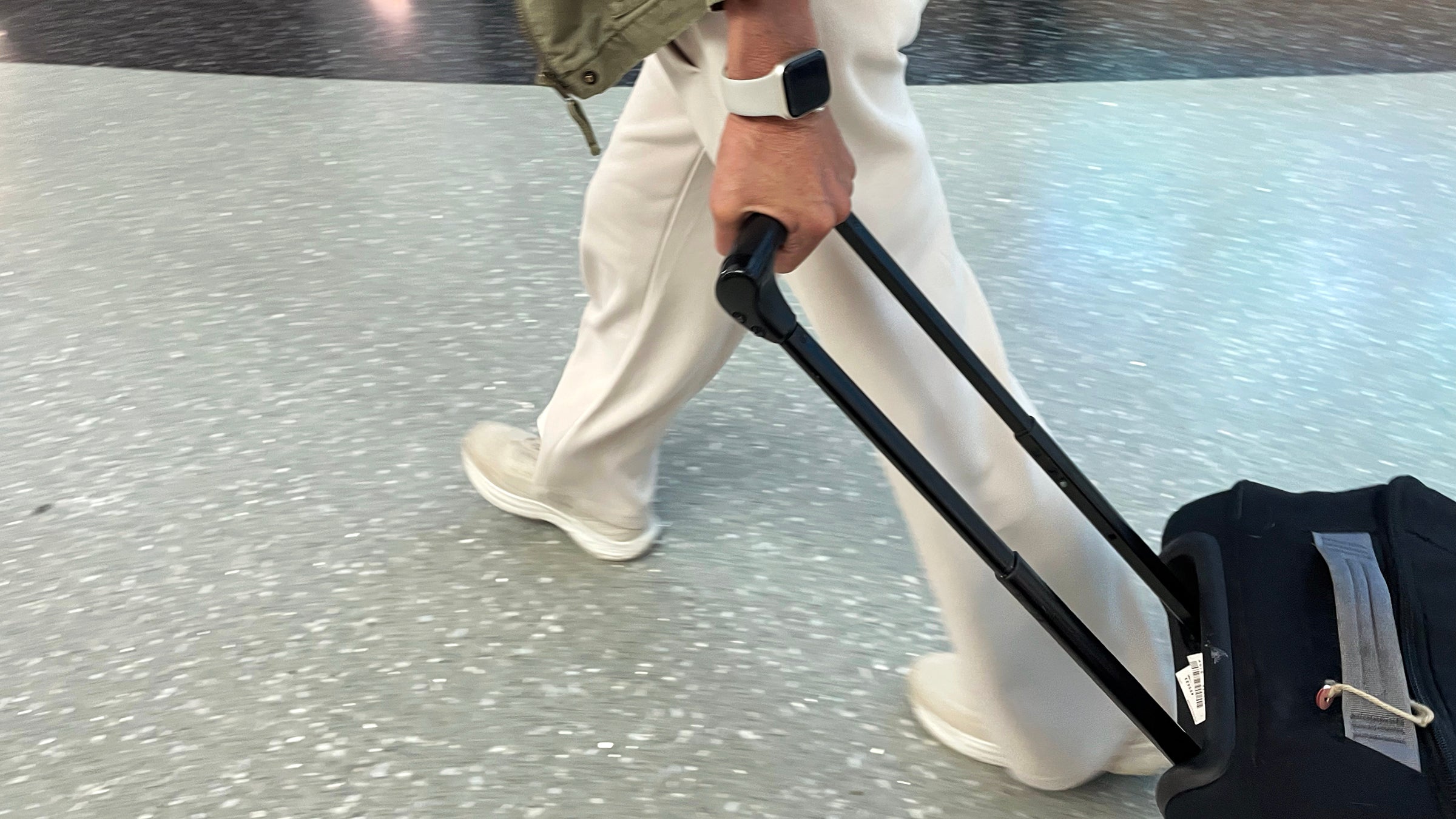
The core of the fancy sweats movement lies in textile engineering. Unlike traditional cotton sweatpants, which are heavy, absorbent, and prone to losing their shape, modern travel pants utilize advanced synthetic blends and treated natural fibers. Industry data indicates that the use of elastane (Spandex) and high-gauge polyester has become the gold standard for travel-ready clothing. These materials offer four-way stretch, allowing for a full range of motion during activities such as stowing luggage in overhead bins or navigating crowded train terminals.
Furthermore, the integration of moisture-wicking technology ensures that travelers remain dry during the physical exertion of terminal transfers or in the fluctuating temperatures of pressurized cabins. Many of these garments now feature antimicrobial treatments to reduce odors during extended wear—a critical factor for travelers on transcontinental flights. The rise of these materials reflects a broader trend in "smart" apparel where the utility of the fabric is as important as the cut of the cloth.
Vuori and the Democratization of Performance Luxury
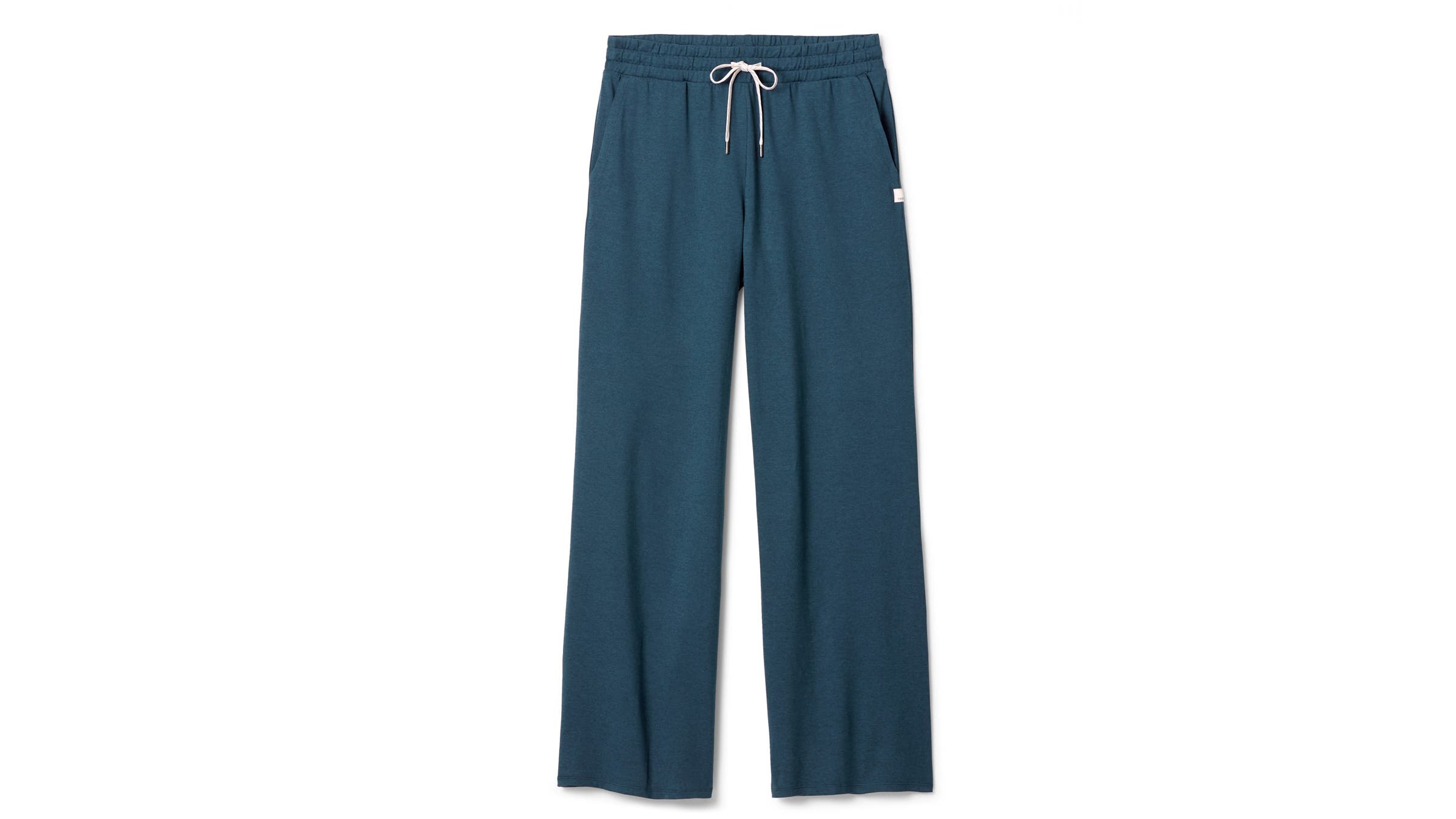
One of the primary drivers in the high-end travel pant market is Vuori, a brand that has capitalized on the demand for ultra-soft, technical fabrics. Their Halo Essential Wideleg series has emerged as a benchmark for what consumers expect from performance loungewear. Utilizing a proprietary blend of recycled polyester and elastane, often referred to in the industry as "DreamKnit," these garments provide a tactile experience similar to luxury sleepwear while maintaining the structural integrity required for public wear.
Market analysts note that Vuori’s success stems from its ability to solve the "ankle exposure" problem common in traditional joggers. By adopting a wide-leg silhouette, the brand offers a garment that provides full coverage—essential for maintaining warmth in air-conditioned cabins—while allowing for the discreet use of medical-grade compression socks. This design choice highlights a growing awareness among designers regarding the health and comfort needs of frequent flyers, particularly the prevention of deep vein thrombosis (DVT) through the use of compression gear.
The Economic Viability of Sustainable Linen Blends
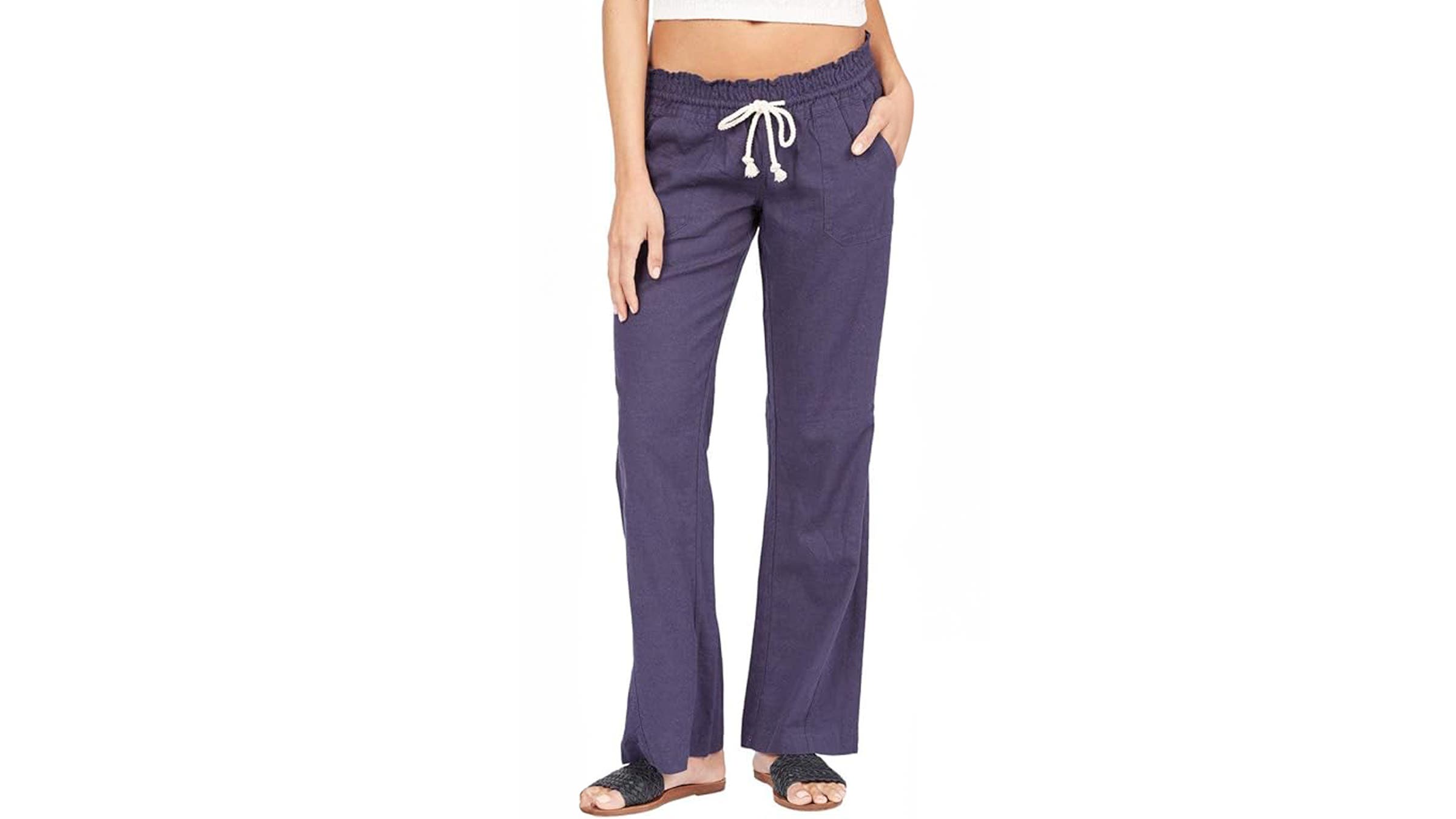
While synthetic performance fabrics dominate the high-end market, there remains a significant sector dedicated to natural fiber innovation. The Roxy Oceanside Linen Pant serves as a primary example of the "budget-friendly yet stylish" category, retailing for under $50. This segment of the market relies on blends of linen and viscose to achieve a balance between breathability and durability.
Linen, derived from the flax plant, is historically one of the most effective fabrics for hot-weather travel due to its high air permeability. However, its tendency to wrinkle has traditionally made it difficult for travelers. The modern journalistic consensus on travel fashion suggests that the "intentional wrinkle" of a linen blend has become an accepted aesthetic in coastal and summer destinations. By blending linen with viscose—a semi-synthetic fiber made from wood pulp—manufacturers can produce a pant that is more affordable and softer than pure linen, making it a staple for travelers heading to Mediterranean or tropical climates.
Bridging the Gap Between Corporate and Casual
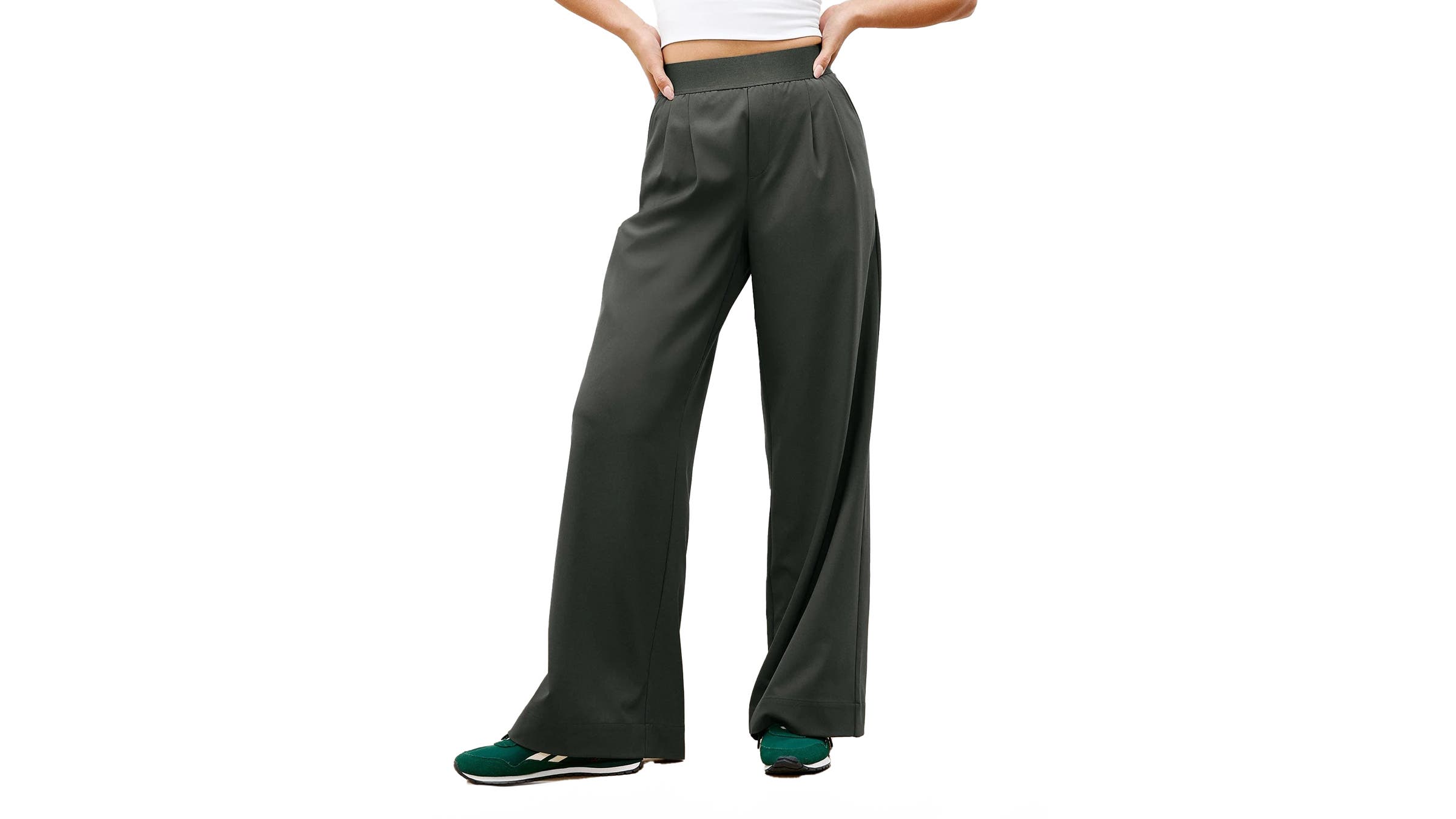
As the "work from anywhere" culture continues to solidify, the boundary between professional attire and comfort wear has blurred. Beyond Yoga’s Elasticized Wide Leg Pant represents the pinnacle of this hybridity. Constructed from 100 percent polyester woven into a silky, stretchy fabric, these pants mimic the appearance of formal trousers through the inclusion of faux-flies and subtle pleating.
The strategic importance of such designs cannot be overstated. For the modern business traveler, the ability to transition from a 10-hour flight directly into a professional setting without a change of clothes is a significant efficiency gain. The Beyond Yoga model utilizes a flat, elasticized waistband that eliminates the bulk of traditional zippers and buttons, which can become uncomfortable during long periods of sitting. This design philosophy aligns with a broader industry move toward "frictionless travel," where every element of the traveler’s gear is optimized to reduce stress and physical discomfort.
Durability and Technical Utility in Outdoor Travel
For the segment of travelers whose itineraries include both urban centers and rugged landscapes, the Prana Koen Pant has become a reference point for durability. Unlike the softer, more lounge-oriented options, the Koen series utilizes a robust blend of nylon and polyester. Nylon is prized in the textile industry for its high tensile strength and resistance to abrasion, making these pants suitable for hiking, rock climbing, and the general wear-and-tear of adventure travel.
Technical features such as zippered security pockets and internal drawstrings reflect a "utilitarian chic" trend. In an era where mobile devices and travel documents must be kept secure but accessible, the engineering of the pocket has become a focal point for designers. Prana’s use of brushed jersey knit interiors for waistbands further illustrates the attention to detail required to satisfy the "active travel" demographic, ensuring that even the most rugged garments do not cause skin irritation during high-output activities.
A Timeline of Travel Fashion Evolution
The transition to fancy sweats did not happen overnight. A brief chronology of the market reveals a steady progression toward current standards:
- The Pre-2000s Era: Travel fashion was largely bifurcated between formal business attire (suits and dresses) and highly informal, non-technical leisurewear (heavy cotton sweats).
- The Early 2000s: The rise of "athleisure" began with brands like Lululemon, introducing technical yoga gear into everyday wardrobes.
- The 2010s: The "Jogger Revolution" introduced tapered ankles and technical fabrics, but often lacked the sophistication for formal settings.
- The Post-2020 Era: The pandemic-induced shift to home offices accelerated the demand for "elevated loungewear." Brands began focusing on wide-leg silhouettes, trouser-like details, and premium fabrications that could withstand the rigors of renewed global transit.
Industry Statements and Market Outlook
Textile experts and retail analysts suggest that the "fancy sweat" is not a passing fad but a permanent fixture in the apparel industry. "The modern consumer is no longer willing to trade comfort for style," says a lead analyst at a global retail firm. "We are seeing a permanent shift in manufacturing priorities. The focus is now on versatility. A garment must be able to perform in a gym, a boardroom, and a Boeing 787."
Environmental impact also remains a key talking point. Brands like Prana and Vuori are increasingly moving toward Bluesign-approved fabrics and recycled materials. As travelers become more conscious of their carbon footprint, the sustainability of their clothing—measured by both the manufacturing process and the longevity of the garment—has become a competitive advantage in the marketplace.
Broader Implications for the Travel Industry
The rise of specialized travel apparel has broader implications for the travel industry at large, particularly regarding luggage policies. As travelers opt for high-performance, wrinkle-resistant clothing that can be rolled tightly, the ability to travel with only a carry-on becomes more feasible. This trend aligns with airline efforts to reduce weight on aircraft to save fuel and minimize the logistical challenges of checked baggage.
In conclusion, the emergence of fancy sweats as a dominant force in travel fashion is a response to the evolving needs of the global citizen. By combining the science of athletic performance with the aesthetics of high-end fashion, brands have created a new category of clothing that addresses the physical and social complexities of modern transit. Whether it is the soft touch of a Vuori wide-leg pant or the rugged utility of a Prana nylon blend, the future of travel is undeniably focused on the seamless integration of comfort, style, and technical excellence.




 Chandra Hamzah
 Tatiana Tantri Indah Sari
 Budi Mulyono
 Lukman Taruna Persada Ramadan