
 Walid Sujud Trenggono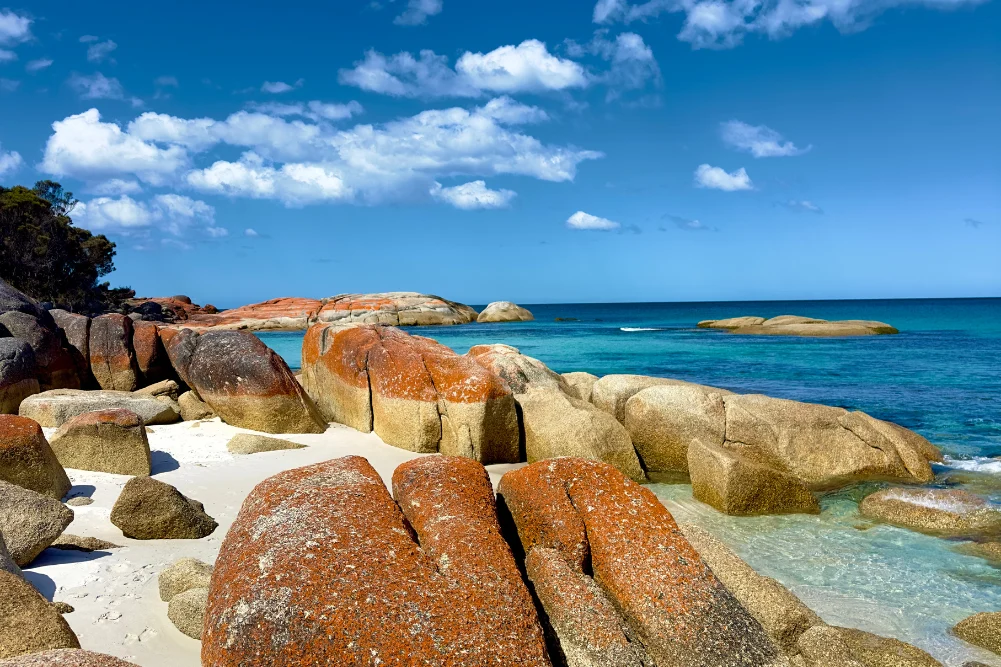
The Bay of Fires, a coastal region in northeastern Tasmania known for its white sands, turquoise waters, and orange-hued granite boulders, has solidified its status as a premier destination for the burgeoning "soft adventure" tourism sector. Recently named Australia’s most beautiful beach for 2025, the area—referred to by its Traditional Owners as Larapuna—is experiencing a surge in guided trekking expeditions that cater to a demographic seeking immersive nature experiences without the traditional hardships of backcountry camping. Among the leading facilitators of these excursions is Intrepid Travel, which recently conducted a three-day guided trek designed to bridge the gap between rugged outdoor exploration and high-end regional hospitality.
This shift toward curated walking tours reflects a broader trend in the Tasmanian tourism industry, which has increasingly focused on high-yield, low-impact travel. According to recent data from Tourism Tasmania, the state has seen a significant recovery in visitor spending, with outdoor and adventure tourism playing a pivotal role in regional economic stabilization. The Bay of Fires trek serves as a microcosm of this trend, integrating environmental education, local history, and luxury amenities to attract a diverse range of participants, from international "trampers" to domestic professionals training for more grueling international expeditions.
The Evolution of the Bay of Fires Itinerary
The modern guided trek through the Bay of Fires is structured to provide a graduated physical challenge while maintaining a focus on the region’s unique geological and biological features. The typical three-day itinerary begins in Launceston, Tasmania’s second-largest city, which serves as the primary gateway for the northern regions. From there, participants are transported to St Helens, the largest town on the northeast coast, which has successfully transitioned from a primarily industrial fishing port to a sophisticated tourism hub.
On the first day of the expedition, hikers generally traverse the Skeleton Bay Track toward Dora Point within the Humbug Point Conservation Area. This section of the trail introduces visitors to the "wet air" or "sneaky rain" characteristic of Tasmania’s maritime climate, emphasizing the importance of specialized waterproof gear. The path winds through coastal heath and forests of ferns, paperbarks, and banksia, offering a sensory introduction to the Tasman Sea coastline.
The second day represents the itinerary’s peak physical demand, involving a 12-kilometer trek starting at the Eddystone Point Lighthouse. This 35-meter-high pink granite pillar, constructed in 1889, stands as a testament to the region’s treacherous maritime history. The walk along Eddystone Beach is frequently subject to high-velocity winds, often exceeding 60 kilometers per hour, which shape the dunes into unique "mogul" formations. This segment is crucial for birdwatching, as the area is a habitat for Pacific gulls, sandpipers, and oystercatchers.
The final day focuses on the Mount William National Park, specifically the Stumpy’s Bay area. This region is a stronghold for Tasmanian wildlife, particularly the common wombat (Vombatus ursinus) and the Tasmanian echidna (Tachyglossus aculeatus setosus). The trek concludes with a cultural and historical transition, visiting the Little Blue Lake—a remnant of the region’s tin-mining era—and the town of Derby, which has reinvented itself as a world-class mountain biking destination.
Geological and Historical Context
The Bay of Fires is world-renowned for its granite boulders encrusted with bright orange lichen. This lichen, often mistaken for paint or mineral deposits, is a composite organism from the genus Caloplaca. The vibrant hue provides a stark contrast to the white quartz sands, which are among the purest in the world. This geological phenomenon is not merely an aesthetic asset but a primary driver for the region’s "Instagrammable" tourism, which has significantly boosted the area’s visibility on global travel platforms.
The naming of the bay dates back to 1773, when Captain Tobias Furneaux of the HMS Adventure observed numerous fires along the coast. These fires were the controlled burns managed by the Palawa people, the Indigenous inhabitants of Tasmania. For thousands of years, the Palawa used fire to manage the land, encourage new growth, and facilitate hunting. Today, the name "Bay of Fires" carries a dual meaning, referencing both the historical fires of the Palawa and the visual "fire" of the lichen-covered rocks.
Regional Economic Impact and Hospitality
The rise of guided treks has provided a substantial economic boon to St Helens and surrounding townships. By positioning St Helens as a "base camp," tour operators ensure that visitor spending is distributed among local hotels, restaurants, and suppliers. The Panorama Hotel in St Helens, for instance, has undergone recent renovations to accommodate the influx of trekkers who demand high-quality lodging and culinary experiences after a day on the trail.
The gastronomic element of these tours is a critical component of the value proposition. St Helens is recognized as the game fishing capital of Tasmania, and its local industry provides fresh southern rock lobster and oysters (specifically from Lease 65) to trekking groups. By integrating local produce—such as dukkha-sprinkled eggs, sourdough, and house-made truffles—into the tour package, operators support the local agricultural and artisanal food sectors.
Data indicates that the "pack-free" hiking model—where participants carry only day packs while their main luggage is transported between locations—allows for a wider age demographic to participate. In recent groups, participants have ranged from young professionals in their 20s to seasoned hikers in their mid-70s. This inclusivity is a key factor in the sustained growth of the sector.
Environmental Conservation and Wildlife Management
As tourism numbers increase, the management of Tasmania’s sensitive ecosystems remains a priority for the Department of Natural Resources and Environment Tasmania. The Bay of Fires region includes several protected areas, such as the Humbug Point Conservation Area and Mount William National Park. These parks are vital for the protection of the Tasmanian wombat population, which, despite being numerous (estimated at nearly one million), faces threats from habitat loss and sarcoptic mange.
The "bulldozer of the bush," as the wombat is colloquially known, plays an essential role in the ecosystem by turning over soil and creating burrows that provide shelter for other species. Guided tours often include educational briefings on wildlife etiquette, emphasizing the importance of maintaining a distance from these animals to prevent stress and disease transmission. The presence of the Tasmanian echidna, which is larger and hairier than its mainland counterparts, also provides an opportunity for conservation-focused education.
Analysis of Implications for the Future of Tasmanian Tourism
The success of the Bay of Fires guided trek suggests a permanent shift in the expectations of modern travelers. The "soft centre" approach—combining rigorous outdoor activity with "great indoors" comforts like air-conditioning and chef-cooked meals—is no longer a niche market but a dominant force in the industry.
This trend has several implications for the future:
- Diversification of Regional Economies: Towns like Derby, which were once entirely dependent on mining, have found a second life through adventure tourism. This provides a blueprint for other rural Australian towns facing industrial decline.
- Sustainability Challenges: Increased foot traffic on coastal trails requires constant maintenance and potential capping of visitor numbers to prevent erosion and disturbance of shore-nesting birds.
- Climate Adaptation: As "sneaky rain" and high-wind events become more unpredictable due to climate change, tour operators must invest in better infrastructure and flexible itineraries to ensure participant safety and satisfaction.
- Cultural Integration: There is a growing demand for more profound integration of Aboriginal history and contemporary Palawa culture into the trekking experience, moving beyond the colonial naming of the landscape.
Conclusion and Booking Information
The Bay of Fires walking tour represents a sophisticated blend of Tasmania’s natural heritage and its evolving hospitality sector. By providing a platform for travelers to experience the "Picasso-esque" perfection of the wilderness without compromising on comfort, operators like Intrepid Travel are securing Tasmania’s position as a global leader in ecotourism.
For those seeking to participate, Intrepid Travel operates small-group tours departing from Launceston between October and April, aligned with the Australian spring and summer seasons. These tours, starting at approximately $1,680, include transport, professional guides, accommodation in St Helens, and locally sourced meals. With direct flights to Launceston available from major Australian hubs like Sydney, Melbourne, and Adelaide, the region remains highly accessible to both domestic and international visitors seeking the "heavenly" experience of Tasmania’s coastal trails.




 Budi Mulyono
 Anjar Salim
 Chandra Hamzah
 Tatiana Tantri Indah Sari

 Lukman Taruna Persada Ramadan