
 Walid Sujud Trenggono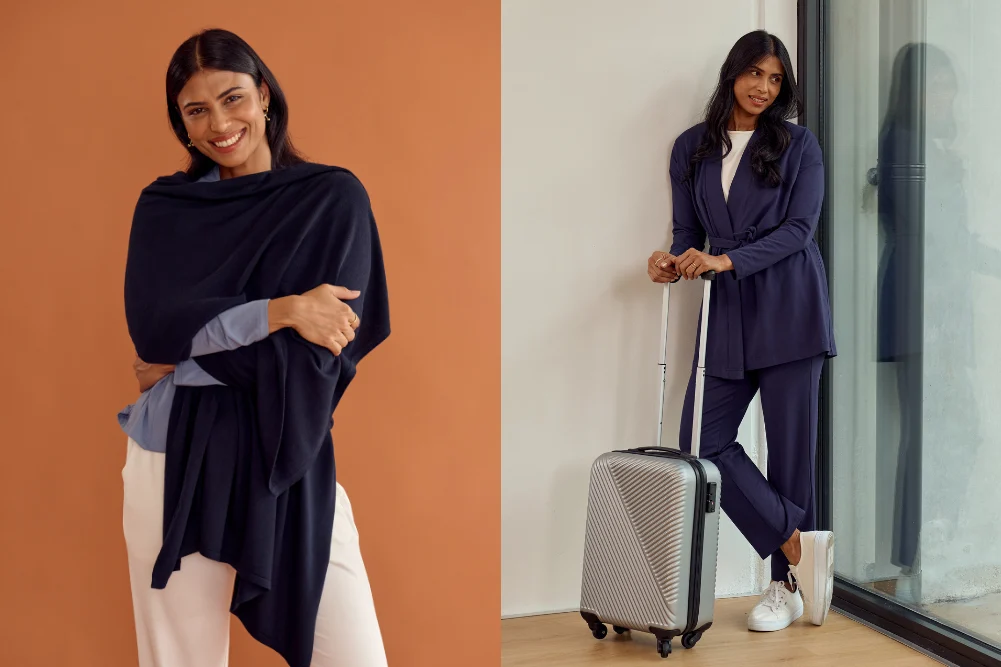
The modern travel landscape is undergoing a significant transformation as passengers increasingly prioritize physiological well-being and environmental sustainability over traditional aesthetics. As global air traffic returns to pre-pandemic levels, with the International Air Transport Association (IATA) projecting a record 4.7 billion travelers in 2024, the demand for specialized travel apparel has surged. No longer satisfied with the binary choice between restrictive formal wear and overly casual pajamas, the contemporary traveler is seeking "functional luxury"—garments designed to withstand the unique rigors of pressurized cabins, fluctuating temperatures, and extended periods of sedentary confinement. At the forefront of this shift is the Australian brand Bamboo Body, which has spent nearly two decades refining the use of bamboo cellulose in textiles to address the specific needs of the long-haul commuter.
The Physiological Context of Modern Transit
To understand the shift in travel apparel, one must first examine the environmental stressors of the modern flight. Commercial aircraft cabins are typically maintained at a relative humidity of less than 20 percent—significantly lower than the 30 to 50 percent found in most indoor environments. This dry air, combined with cabin altitudes pressurized to approximately 6,000 to 8,000 feet, leads to rapid dehydration and skin sensitivity. Furthermore, the lack of movement during international flights, which can last anywhere from 10 to 17 hours, impacts blood circulation and can lead to peripheral edema or more serious conditions such as Deep Vein Thrombosis (DVT).
Industry analysts note that the clothing worn during these periods acts as a secondary skin, either exacerbating or mitigating these physiological stressors. Traditional synthetic fibers often trap heat and moisture, leading to discomfort, while heavy denims or restrictive waistbands can impede circulation. This has led to a market correction where textile science is being applied to the "airport-to-destination" wardrobe. The rise of bamboo-based fabrics represents a strategic response to these challenges, offering a material that is naturally moisture-wicking and hypoallergenic.
A Chronology of Travel Fashion: From Formality to Functionality
The evolution of travel attire reflects broader societal shifts in mobility and class. During the "Golden Age of Flight" in the 1950s and 1960s, air travel was an elite activity, and passengers dressed in formal suits and dresses to match the prestige of the occasion. However, as deregulation in the 1970s and 1980s democratized the skies, comfort began to supersede formality.
By the early 2000s, the "athleisure" movement began to take hold, but it often lacked the polished aesthetic required for professional or high-end leisure travelers. Bamboo Body entered the market approximately 20 years ago, identifying a niche for garments that provided the comfort of loungewear with the structural integrity of professional attire. This period marked the beginning of the "sustainable comfort" era, where the focus shifted toward high-performance natural fibers that could transition seamlessly from a business lounge to a long-haul economy seat.
The Science of Bamboo Textiles in Aviation Environments
The adoption of bamboo in travel apparel is not merely a stylistic choice but a technical one. Bamboo fiber, specifically when processed into viscose or lyocell, possesses several inherent properties that are particularly beneficial in an aviation context.
Thermal Regulation and Breathability
One of the primary complaints of air travelers is the unpredictability of cabin temperatures. Aircraft HVAC systems must balance the heat generated by hundreds of passengers and electronic systems with the sub-zero temperatures outside the fuselage. Bamboo fabric is characterized by a cross-section covered with micro-gaps and micro-holes, which allows for superior moisture absorption and ventilation. Data suggests that bamboo textiles can absorb up to three times their weight in water, pulling moisture away from the skin and allowing it to evaporate quickly. This creates a "micro-climate" between the fabric and the skin, keeping the wearer cool in warm terminals and warm in chilled cabins.
Antimicrobial Properties and Odor Resistance
In the confined space of an airplane, hygiene and odor control become paramount. Bamboo contains a unique bio-agent known as "bamboo kun," which remains present in the textile form. This agent provides natural antibacterial and antifungal properties. For travelers on multi-leg journeys or those facing long layovers, this means the garment remains fresher for longer periods compared to cotton or polyester counterparts, reducing the "disheveled" feeling often associated with long-distance transit.
Strategic Product Integration: The Modular Travel Wardrobe
The modern travel apparel industry is moving toward a modular "system" of dressing. Rather than individual pieces, brands are promoting coordinated sets that serve multiple functions. Bamboo Body’s approach involves three core pillars of travel dressing: the base layer, the thermal regulator, and the circulatory aid.
The Coordinated Travel Set
The rise of the "matching set" addresses the psychological aspect of travel. Psychologists suggest that feeling "put together" can reduce the stress associated with navigating complex transit hubs. By utilizing stretchy waistbands and relaxed silhouettes in bamboo jersey, these sets provide the physical freedom of pajamas while maintaining a silhouette appropriate for public environments.
The Versatile Wrap: A Technical Blanket Alternative
With many airlines reducing the provision of complimentary blankets in economy cabins, or passengers expressing concerns over the hygiene of reused linens, the "travel wrap" has become an essential accessory. The integration of recycled cashmere with bamboo creates a high-density weave that provides significant thermal insulation without the bulk of a traditional coat. This serves as a multi-functional tool: a scarf during boarding, a blanket during the flight, and a style element upon arrival.
Circulatory Health: The Role of Bamboo Hosiery
Footwear and hosiery are often overlooked in travel planning, yet they are critical to preventing "economy class syndrome." While medical-grade compression socks are recommended for high-risk individuals, the general population benefits from soft, non-binding bamboo socks. The breathability of bamboo prevents the fungal growth often encouraged by the enclosed, pressurized environment of a shoe during a long flight, while the gentle elasticity supports peripheral circulation without constriction.
Market Trends and Environmental Implications
The shift toward bamboo travel wear also aligns with the global movement toward ESG (Environmental, Social, and Governance) standards in fashion. The textile industry is one of the world’s largest polluters, but bamboo offers a more sustainable alternative to conventional cotton. Bamboo is the fastest-growing plant on Earth, requiring no pesticides and significantly less water than cotton to reach maturity.
Market research from Grand View Research indicates that the global sustainable apparel market is expected to grow at a compound annual growth rate (CAGR) of 9.1% through 2030. Travelers, particularly Millennials and Gen Z, are increasingly auditing the supply chains of the brands they support. Australian companies like Bamboo Body, which emphasize longevity and timeless design over "fast fashion" cycles, are benefiting from this consumer scrutiny. By creating pieces that are durable enough for frequent travel, these brands are encouraging a "buy less, buy better" philosophy.
Expert Analysis: The Impact of Apparel on Travel Recovery
Industry experts suggest that the focus on travel-specific apparel is a symptom of a broader "wellness tourism" trend. According to the Global Wellness Institute, wellness tourism is projected to reach $1.1 trillion by 2025. This sector includes not just the destination activities, but the "wellness of the journey."
"The journey is no longer seen as a period of ‘dead time’ to be endured," says one aviation industry analyst. "Passengers are looking for ways to arrive at their destination ready to engage, rather than needing 24 hours to recover from the physical toll of the flight. Clothing is the most basic tool in that recovery kit. When you control your personal environment through fabric and fit, you mitigate the exhaustion of travel."
Furthermore, the "bleisure" trend—where business travelers extend their stays for leisure—requires a wardrobe that can handle the transition. A bamboo travel set that looks professional under a blazer but feels like loungewear allows the traveler to move from a transatlantic flight directly into a business meeting or a hotel check-in without the need for a complete wardrobe change.
Conclusion: The Future of the Transit Experience
As we look toward the future of global mobility, the intersection of textile technology and passenger comfort will continue to expand. The success of brands like Bamboo Body illustrates a clear consumer mandate: travel apparel must be as high-performing as the technology that carries us across the globe. By addressing the physiological realities of flight—dehydration, temperature fluctuations, and circulatory health—through sustainable materials, the industry is not just selling clothes; it is enhancing the human capacity for global exploration.
For the traveler, the secret to arriving refreshed is no longer a mystery of luck or expensive cabin upgrades. It is a calculated choice of attire that respects the body’s needs in the unique environment of the upper atmosphere. As sustainable fibers continue to evolve, the "perfect travel outfit" will likely become a standard component of the modern traveler’s essential kit, as fundamental as a passport or a noise-canceling headset.



 Anjar Salim
 Chandra Hamzah
 Tatiana Tantri Indah Sari
 Budi Mulyono
 Lukman Taruna Persada Ramadan
