
 Walid Sujud Trenggono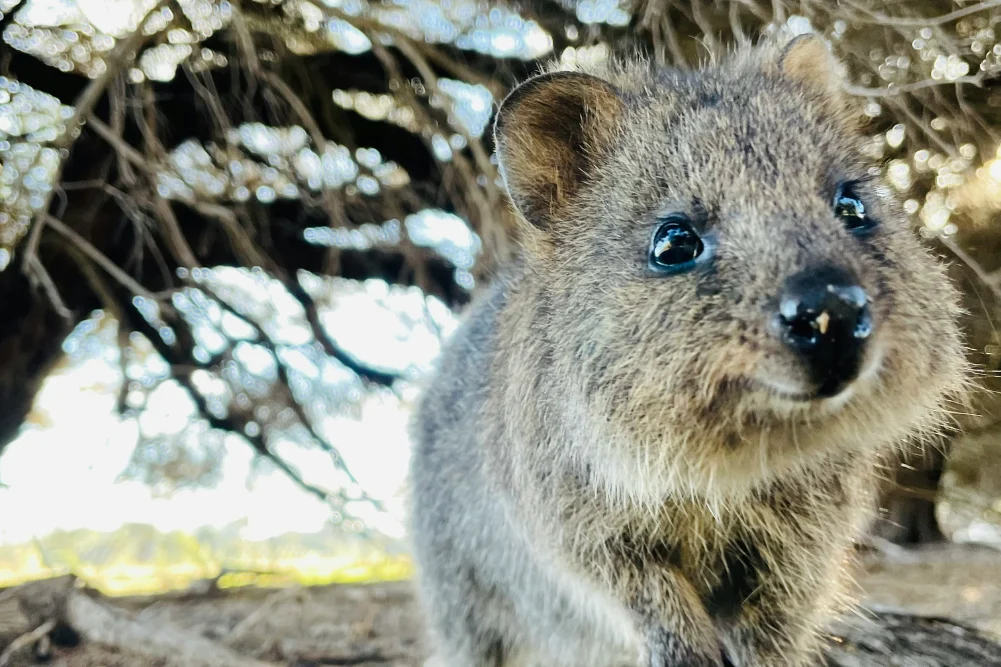
The tourism landscape of Western Australia is increasingly defined by the juxtaposition of its pristine natural environments and a complex, often somber, colonial history. At the center of this duality is Rottnest Island, known as Wadjemup to the Whadjuk Noongar people, and its mainland gateway, the port city of Fremantle, or Walyalup. While the island has achieved global fame through viral social media trends, it remains a site of significant ecological concern and historical reckoning. Located just 19 kilometers off the coast of Perth, the island serves as a microcosm of the broader challenges facing Australian conservation and the ongoing efforts toward reconciliation with Indigenous heritage.
The Ecological Significance of the Quokka
Rottnest Island is perhaps most famous for being the primary stronghold of the quokka (Setonix brachyurus), a small macropod that has become a global digital phenomenon. Of the approximately 15,000 quokkas remaining in the wild, an estimated two-thirds reside on Rottnest Island. This isolation has protected the population from the mainland threats of foxes and feral cats, yet it has also made them vulnerable to localized environmental shifts.
The quokka is currently classified as "vulnerable" on the International Union for Conservation of Nature (IUCN) Red List. Despite their seemingly ubiquitous presence near the island’s main settlement, the population has faced a historical decline of nearly 50% across the broader Western Australian southwest. Conservationists point to habitat loss and the increasing frequency of extreme weather events as primary drivers of this decline. Rising global temperatures and prolonged drought periods have significantly diminished summertime water sources on the island, forcing the animals to rely more heavily on moisture-rich vegetation that is also under threat from a drying climate.
The "quokka selfie" trend, which gained international momentum after tennis star Roger Federer posted a photo with the marsupial in 2017, has been a double-edged sword for the island’s administration. While the viral exposure resulted in a surge in visitor numbers—reportedly reaching over 700,000 annually pre-pandemic—it has also placed immense pressure on the island’s infrastructure. To mitigate the impact, the Rottnest Island Authority utilizes visitor levies to fund conservation programs, including the restoration of native flora and the management of the island’s unique salt lake ecosystems.
A Chronology of Wadjemup: From Spiritual Site to Penal Colony
The history of Rottnest Island is marked by three distinct eras: its time as an Indigenous meeting ground, its colonial "discovery" and naming, and its dark period as a site of incarceration.
Pre-Colonial Era (Prior to 6,500 years ago): Geological records indicate that Rottnest Island was once connected to the Australian mainland. For the Whadjuk Noongar people, it was a place of ceremony and a significant spiritual site known as Wadjemup, which translates to the "place across the water where the spirits are." When sea levels rose approximately 6,500 years ago, the island became isolated, remaining uninhabited for millennia but retaining its spiritual significance in Noongar oral traditions.
European Contact (1696): Dutch explorer Willem de Vlamingh arrived at the island in late 1696. Mistaking the abundant quokkas for large rats, he named the land "Rotte Nest," meaning "rat’s nest." While de Vlamingh did not establish a permanent settlement, his naming of the island marked the beginning of European geographical claim over the area.
The Penal Era (1838–1931): The most harrowing chapter of the island’s history began in 1838 when it was converted into a prison for Aboriginal men and boys. Over the following century, approximately 4,000 Indigenous people from across Western Australia were exiled to the island. Prisoners ranged from children as young as eight to tribal elders and lore men. Forced labor was the standard; the island’s most prominent colonial architecture, including the seawall, the original Wadjemup Lighthouse, and the "Quod" (the main prison building), was constructed by these inmates.
Modern Reconciliation (2010–Present): Today, the island is undergoing a process of historical re-evaluation. The Wadjemup Project aims to acknowledge the trauma of the past, specifically addressing the fact that the island contains Australia’s largest site of unmarked graves for Aboriginal people who died in custody. More than 370 individuals are buried on the island, many of whom died from disease, malnutrition, and harsh labor conditions.
The Tourism Infrastructure of Rottnest Island
Navigating Rottnest Island requires a commitment to "slow travel," as private vehicles are prohibited. The primary mode of transport is the bicycle, with a rental industry that supports thousands of visitors daily. The island measures 11 kilometers in length and 4.5 kilometers at its widest point, making it accessible for day-trippers while offering enough depth for multi-day stays.
The visitor hub, known as The Settlement, provides a range of amenities, including waterfront accommodation, bars, and gear rental shops. However, as one moves away from the hub toward the West End, the environment becomes more rugged. Parker Point and Salmon Bay are noted for their limestone cliffs and clear waters, which are part of a protected marine park. The island’s waters are influenced by the Leeuwin Current, which brings warm tropical water south, allowing for the growth of coral reefs that are further south than any others in the world.
Economically, the island caters to a broad spectrum of travelers. Budget options include campsites starting at approximately $43 per night, while luxury eco-tents at Discovery Rottnest and rooms at Samphire Rottnest can range from $300 to over $1,200 per night during peak summer periods. Ferry services from Fremantle, Hillarys Boat Harbour, and Perth provide the primary access points, with prices ranging from $84 to $124 for return trips.
Fremantle: The Gateway of Walyalup
Fremantle, located at the mouth of the Swan River, serves as the mainland anchor for visitors to Rottnest. Known to the Noongar people as Walyalup, meaning "place of the woylie" (a small, critically endangered brush-tailed bettong), the city has preserved much of its 19th-century limestone architecture.
The city’s identity is inextricably linked to its maritime history. The WA Shipwreck Museum, regarded as one of the premier maritime archaeology museums in the Southern Hemisphere, houses the remains of the Batavia, a Dutch East India Company ship wrecked in 1629. The museum’s preservation of 400-year-old timbers provides a factual baseline for understanding the perils of early European navigation along the Western Australian coast.
Fremantle’s Round House, constructed in 1831, stands as the oldest public building in Western Australia. Originally built as a jail, it now serves as a historical landmark overlooking Bathers Beach. The city’s transition from a gritty port town to a cultural and gastronomic hub is evidenced by the Fremantle Markets and the revitalization of High Street, where historical stone buildings have been repurposed into galleries, microbreweries, and sustainable fashion boutiques.
Socio-Economic Impact and Sustainability Analysis
The relationship between Rottnest Island and Fremantle is a vital component of Western Australia’s tourism economy. However, the reliance on high visitor volumes poses significant sustainability challenges.
Water and Energy Management: As an island with no permanent natural freshwater springs, Rottnest relies on a combination of desalination and groundwater bores. The energy required for these processes is increasingly being met by renewable sources, including a wind turbine and a solar farm, which contribute significantly to the island’s power grid.
Tourism Levies: Every ferry ticket to Rottnest includes a government-mandated landing fee. These funds are legally ring-fenced for the maintenance of the island’s terrestrial and marine environments. In recent years, these levies have funded the "Rottnest Island Terrestrial Conservation Strategy," which focuses on reforestation and the protection of the island’s unique salt lake systems, which are home to specialized brine shrimp and diverse birdlife.
Ethical Tourism: There is a growing movement within the WA tourism sector to shift the focus from the "quokka selfie" to a more profound engagement with the island’s history. Tourism operators are increasingly encouraged to incorporate "Welcome to Country" ceremonies and Indigenous-led tours that explain the significance of Wadjemup from a Noongar perspective. This shift is viewed by state authorities as essential for the long-term cultural sustainability of the island.
Future Outlook and Implications
The future of Rottnest Island and Fremantle will likely be defined by how well the region balances its popularity with its preservation needs. For Rottnest, the challenge lies in managing the impacts of climate change on its vulnerable marsupial population and ensuring that the dark history of the penal colony is not erased by the bright facade of sun and surf.
In Fremantle, the focus remains on urban sustainability and the preservation of its heritage-listed streetscapes. The city’s "Walyalup Reconciliation Plan" serves as a framework for integrating Noongar culture into the modern urban environment, ensuring that the "Place of the Woylie" remains a vibrant, inclusive, and forward-thinking cultural center.
As visitors continue to flock to this turquoise coastline, the prevailing sentiment among local conservationists and Indigenous leaders is one of stewardship. The Indigenous proverb often cited in the region—"We are all visitors to this time, this place. We are just passing through"—remains a guiding principle for the management of these iconic Western Australian landmarks. The objective for the coming decade is to ensure that the observation and enjoyment of these sites do not come at the cost of their ecological and historical integrity.



 Budi Mulyono
 Anjar Salim
 Chandra Hamzah
 Tatiana Tantri Indah Sari

 Lukman Taruna Persada Ramadan