
 Cholid Fahmi Thalib
Travel, at its core, is an exploration of human experience, and for many, the most profound and lasting memories are forged not through iconic landmarks, but through the vibrant tapestry of local cuisine. A thoughtfully curated meal, savored in its authentic setting, can often illuminate a destination’s soul more effectively than a day spent ticking off tourist attractions. By placing food at the epicenter of travel planning, individuals gain a practical and immersive pathway to connecting with local cultures, optimizing their time with intention, and circumventing the inherent stresses of impulsive decision-making. Instead of chasing ephemeral recommendations, a food-centric approach empowers travelers to design an experience that genuinely reflects their desire to engage with a place through its distinct flavors, daily rhythms, and ingrained dining customs. This philosophy transforms a vacation from a series of disconnected events into a cohesive narrative woven from the threads of culinary discovery.
The Foundation: Deep Dive into Local Food Culture
The bedrock of any successful culinary itinerary lies in a thorough understanding of what locals truly consume and when they partake in these meals. This foundational knowledge dictates the flow of one’s days and prevents the common pitfall of attempting to impose external schedules onto local realities. For instance, recognizing that dinner in Madrid typically commences late in the evening, or that the vibrant energy of Florentine markets peaks in the early morning, allows travelers to align their plans with these inherent rhythms, rather than struggling against them. This proactive research can be facilitated through a variety of resources. Local food blogs and online forums serve as invaluable repositories of authentic information, offering insights into regional specialties, popular eateries, and seasonal ingredients. Furthermore, the strategic use of a Virtual Private Network (VPN) can unlock access to region-specific restaurant listings and reviews that might otherwise be geographically restricted or filtered out by domestic search engine algorithms. This diligent investigation not only helps travelers sidestep overly tourist-centric establishments, which often prioritize volume over quality and value, but also guides them toward those hidden gems where the dining experience genuinely aligns with local expectations for both taste and affordability. The investment in this preliminary research pays significant dividends in the form of more authentic and satisfying culinary encounters.
Cultivating Flexibility: The Art of Balancing the Planned and the Spontaneous
While a curated list of renowned restaurants or signature dishes is often an integral part of a traveler’s aspirations, the temptation to pre-schedule every single meal can inadvertently render a trip rigid and inflexible. A more enriching approach involves strategically reserving a select few key culinary experiences – perhaps a highly anticipated tasting menu at a Michelin-starred establishment or a leisurely afternoon at a historic café that has witnessed generations of local life – while consciously leaving ample space within the itinerary for serendipitous discoveries. This deliberate inclusion of unscheduled pockets allows for organic interactions and unplanned detours. It opens the door to following the spontaneous recommendations of locals encountered along the way, or to being drawn into the inviting ambiance of a bustling neighborhood eatery that catches the eye. This balanced strategy not only alleviates the pressure of adhering to a hyper-scheduled agenda but frequently leads to the most memorable and authentic meals, those that transcend the curated lists and emerge from genuine immersion in the local environment. These unplanned encounters often become the unexpected highlights of a culinary journey, fostering a deeper connection with the destination.
Structuring the Journey: Mapping Days Around Signature Food Experiences
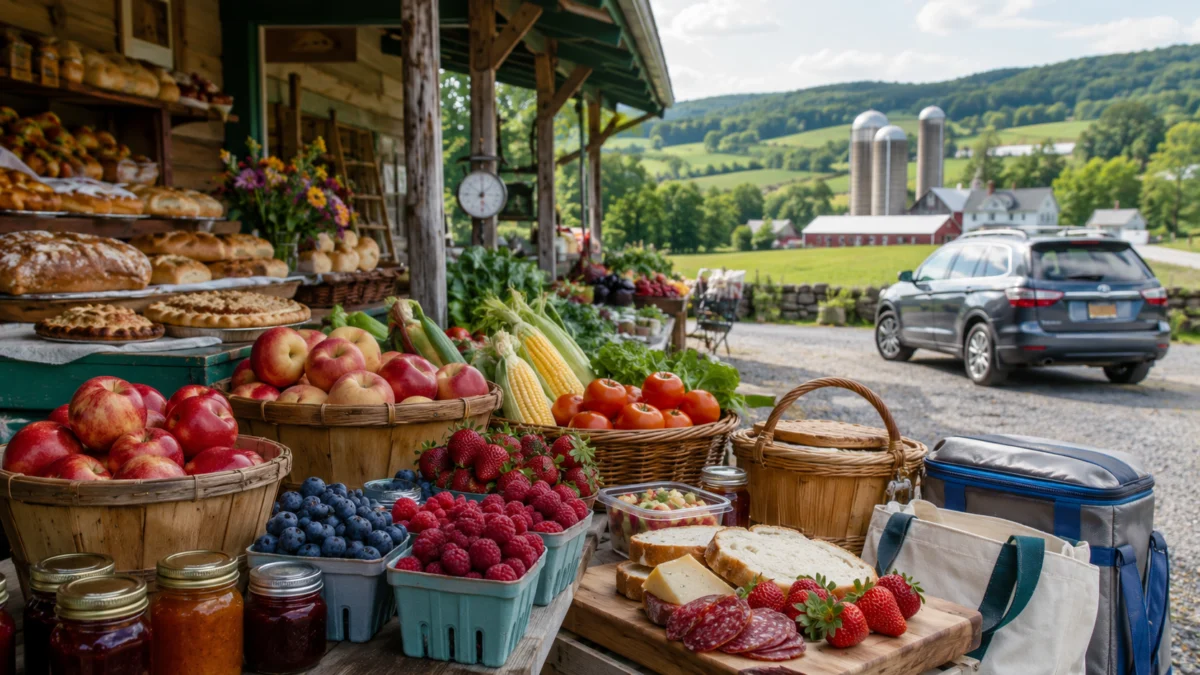
To imbue each travel day with a sense of purpose and structure without succumbing to an overwhelming degree of rigidity, it is highly effective to anchor each day around one significant and meaningful food experience. This approach acts as a navigational beacon, guiding the day’s activities and ensuring a cohesive flow. For example, a morning could be dedicated to exploring a vibrant local market, immersing oneself in the sights, sounds, and aromas of fresh produce and artisanal products, followed by a relaxed, casual lunch at a nearby eatery that highlights the market’s offerings. The afternoon could then be kept open for sightseeing or further exploration of the surrounding neighborhood, culminating in a pre-booked dinner reservation that provides a satisfying end to the day. This method of planning proactively prevents unnecessary crisscrossing of a city, optimizing travel time and conserving energy. When meals serve as the organizing principle for a travel itinerary, individuals naturally find themselves delving deeper into specific neighborhoods, fostering a more intimate understanding of their character and charm, rather than merely rushing between disconnected points of interest. This culinary-driven navigation creates a more organic and immersive exploration.
Leveraging Technology: Essential Tools for Seamless Organization
In the contemporary travel landscape, a suite of digital tools can profoundly simplify the intricate process of planning and meticulously organize all essential information, ensuring easy accessibility as one transitions between various locations. The strategic use of map applications, for instance, allows for the precise saving of restaurant pins, creating a visual guide to desired culinary destinations. Furthermore, consolidating all booking confirmations – from hotel reservations to restaurant reservations – into a single, easily accessible digital folder streamlines check-ins and confirmations. Maintaining a dedicated digital notebook for jotting down notes on particular dishes to try, local ingredients to seek out, or even brief impressions of past meals, further enhances the planning process. When all critical information is centralized and readily available, travelers can significantly minimize the time spent on logistical searches and dedicate more of their precious vacation hours to genuinely savoring their surroundings and the experiences they offer, particularly when unexpected shifts in plans necessitate swift adaptation. This digital organization acts as a silent, efficient assistant, freeing up mental bandwidth for genuine enjoyment.
The Iterative Process: Continuous Review and Adjustment
The most effective travel itineraries are not static documents but dynamic plans that are subject to ongoing review and refinement. It is crucial to engage in a daily check-in with one’s itinerary, critically assessing what is functioning seamlessly and what feels contrived or burdensome. This self-awareness allows for timely adjustments that ensure the trip remains aligned with one’s evolving appetite and energy levels. For instance, if a particularly long and indulgent lunch leaves one feeling overly satiated, a conscious shift towards lighter options for dinner or an exploration of a different neighborhood known for its more casual dining scene can maintain the trip’s enjoyable pace. This process of iterative refinement ensures that the travel experience feels natural, organic, and responsive to the realities of the moment, rather than feeling overly planned or imposed. This adaptability is key to transforming a well-structured plan into an truly authentic and personalized adventure. By embracing this flexible mindset, travelers can navigate their journeys with greater ease and discover the true essence of a destination, one delicious bite at a time.
The Broader Implications: Food as a Catalyst for Cultural Understanding
The intentional integration of food into travel planning extends far beyond mere sustenance; it represents a powerful methodology for fostering deeper cultural understanding and empathy. By engaging with local culinary traditions, travelers gain direct insights into the history, agriculture, social customs, and economic realities of a region. For example, understanding the significance of a particular spice in a national dish can reveal centuries of trade routes and cultural exchange. Similarly, observing the communal nature of meal preparation or the specific etiquette surrounding dining can offer profound glimpses into the social fabric of a community. This approach moves beyond superficial observation, encouraging an active participation in the daily life of a destination. Data from various tourism studies consistently indicates that travelers who engage in culinary tourism report higher levels of satisfaction and a more profound sense of connection to the places they visit. A 2022 report by the World Food Travel Association found that over 65% of travelers consider food to be a significant factor in their travel decisions, and that culinary tourism contributes billions of dollars annually to global economies. This growing trend underscores the intrinsic link between gastronomy and meaningful travel experiences. Furthermore, this food-centric approach can have positive implications for local economies. By patronizing local markets, family-run restaurants, and artisanal producers, travelers can directly support small businesses and contribute to the preservation of traditional foodways. This conscious economic engagement ensures that the benefits of tourism are distributed more equitably within a community. The act of sharing a meal, whether in a bustling street-side eatery or a formal dining setting, transcends language barriers and fosters a sense of shared humanity. It provides a common ground for interaction and mutual appreciation, allowing for the exchange of stories and perspectives that enrich both the traveler and the host. In an increasingly interconnected world, this emphasis on shared culinary experiences serves as a vital tool for building bridges of understanding and fostering a more globally aware citizenry. The journey of a thousand miles, as the adage goes, may indeed begin with a single step, but it is often the flavors encountered along the way that truly define the destination and leave an indelible mark on the soul.


 Anjar Salim
 Chandra Hamzah
 Tatiana Tantri Indah Sari
 Budi Mulyono

