
 Cholid Fahmi Thalib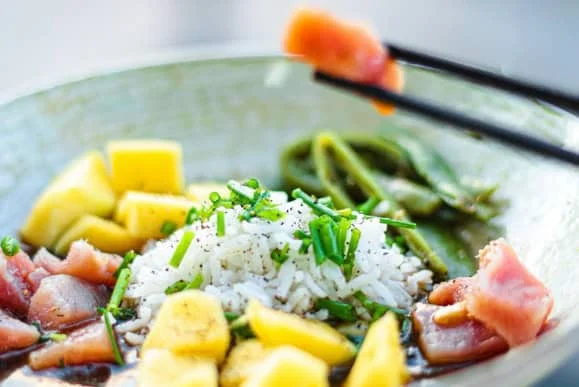
Islands, those isolated jewels scattered across the world’s oceans, have long captivated the human imagination. Beyond their allure of pristine beaches and unique ecosystems, they offer a profound culinary tapestry woven from centuries of cultural exchange, local bounty, and ingenious adaptation. For the discerning traveler, and particularly for the "foodie flashpacker" seeking authentic gastronomic adventures, these island paradises present an unparalleled opportunity to indulge in flavors that are as diverse and vibrant as their landscapes. From the fiery spices of the Caribbean to the delicate balance of Mediterranean ingredients, and the exotic aromas of Southeast Asia, this exploration delves into the rich culinary heritage of island destinations, highlighting how their isolation and unique environments have fostered distinct and unforgettable dining experiences.
The Caribbean: A Symphony of Spice and Sea
The Caribbean archipelago is a culinary powerhouse, a vibrant testament to the confluence of African, Indigenous Taíno, and European (Spanish, French, British) influences. This historical intermingling has resulted in a cuisine characterized by bold, complex flavors, often with a delightful spicy kick. The reliance on incredibly fresh, locally sourced ingredients is a cornerstone of Caribbean gastronomy. Seafood, naturally, takes pride of place. Imagine dining on lobster caught that very morning in the Turks and Caicos or savoring snapper prepared with a Jamaican jerk seasoning, a fiery blend of scotch bonnet peppers, allspice, thyme, and ginger.
Jerk chicken, a national dish of Jamaica, exemplifies this approach. Its preparation involves marinating chicken in a potent mixture of spices and herbs, then slow-cooking it over pimento wood, imparting a distinct smoky flavor. This method, rooted in the island’s history, has evolved over centuries, with its origins often traced back to the Maroons, escaped slaves who developed unique preservation and cooking techniques in the mountainous interior. Similarly, in the Bahamas, conch fritters, made from the tender meat of the conch mollusk, are a ubiquitous and beloved snack, often served with a tangy dipping sauce. Barbados offers its own distinctive contribution with curry goat, a rich and aromatic dish that showcases the lingering influence of Indian indentured laborers.
The accompanying side dishes are equally integral to the Caribbean dining experience. Rice and peas, a staple made with rice cooked with coconut milk and kidney beans, provides a creamy counterpoint to the spicier main courses. Fried plantains, sweet and caramelized when cooked, offer another popular accompaniment. The abundance of tropical fruits, such as mangoes, papayas, and pineapples, further enriches the flavor profile, often finding their way into marinades, sauces, and refreshing beverages. The culinary landscape of the Caribbean is not static; it continues to evolve, with chefs and home cooks alike innovating while respecting the deep-rooted traditions that define its unique identity.
Mediterranean Islands: Simplicity, Abundance, and Terroir
The Mediterranean basin, a cradle of Western civilization, is dotted with islands that boast culinary traditions emphasizing simplicity, quality ingredients, and the profound influence of the surrounding sea and fertile land. Islands such as Sicily, Sardinia, and Crete are not merely geographical entities but epicurean destinations where food is a celebration of nature’s bounty and a reflection of millennia of cultural exchange.
Sicily, the largest island in the Mediterranean, presents a cuisine deeply influenced by its Greek, Roman, Arab, and Norman conquerors. Pasta alla Norma, a dish hailing from Catania, is a perfect example of this heritage, featuring perfectly cooked pasta tossed with a rich tomato sauce, fried eggplant, and a generous grating of ricotta salata. The island’s fertile volcanic soil yields exceptional produce, including tomatoes, olives, and citrus fruits, which form the backbone of its cuisine. The Arab influence is evident in the use of spices like saffron and cumin, and in the island’s famed pastries, such as cannoli, filled with sweet ricotta cream.
Sardinia, often called the "Island of Longevity," is renowned for its hearty, rustic cuisine. Its mountainous interior and extensive coastline shape its culinary identity. Pecorino Sardo, a hard, salty sheep’s milk cheese, is a cornerstone of Sardinian gastronomy, used in countless dishes, from grated over pasta to enjoyed on its own. Traditional meat dishes, such as "porceddu" (roasted suckling pig), are slow-cooked to perfection, resulting in incredibly tender and flavorful meat. The island’s long history of pastoralism is reflected in its reliance on lamb and sheep products.
Crete, the largest of the Greek islands, offers a culinary experience deeply rooted in the Mediterranean diet, widely recognized for its health benefits. Cretan cuisine is characterized by its emphasis on fresh vegetables, olive oil, legumes, herbs, and seafood. Mezze platters, a selection of small dishes, are a quintessential part of the dining experience, often featuring tzatziki (a yogurt-cucumber dip), grilled halloumi cheese, olives, and seasonal salads. Grilled lamb, infused with local herbs like oregano and thyme, is another highlight. The concept of "filoxenia," or hospitality, is intrinsically linked to food in Crete, with meals often being communal affairs that foster connection and shared enjoyment. The consistent thread across these Mediterranean islands is an unwavering commitment to high-quality, seasonal ingredients prepared with minimal intervention, allowing the natural flavors to shine.
Southeast Asia: A Kaleidoscope of Tropical Flavors and Aromas
The islands of Southeast Asia, including Bali, Phuket, and the Philippines, are synonymous with vibrant, tropical flavors and an intricate dance of exotic spices. This region’s cuisine is a testament to a rich history of trade and cultural assimilation, where indigenous traditions have been enriched by influences from India, China, and later, European colonial powers. The result is a culinary landscape that is both complex and incredibly appealing, characterized by a balance of sweet, sour, salty, and spicy notes.
Bali, Indonesia, offers the iconic Babi Guling, or suckling pig. This elaborate dish involves slow-roasting a whole pig that has been generously seasoned with a potent spice paste (basa genep) made from turmeric, ginger, galangal, chili, garlic, and a host of other aromatic ingredients. The result is incredibly tender meat with a shatteringly crisp skin, typically served with steamed rice and various accompaniments. This dish is often prepared for significant celebrations and showcases the Balinese mastery of spice blending.
Thailand’s islands are a paradise for seafood lovers and those who appreciate the nuanced use of herbs and spices. Pad Thai, a stir-fried noodle dish, is a globally recognized icon, but the islands offer a wealth of other delights. Tom Yum soup, a hot and sour broth infused with lemongrass, galangal, kaffir lime leaves, and chili, is a refreshing and invigorating starter. Fresh seafood curries, often made with coconut milk, are another staple, showcasing the bounty of the Andaman Sea and the Gulf of Thailand. The use of ingredients like green mango and tamarind adds a distinct tropical tartness to many dishes.
In the Philippines, the national dish, Adobo, offers a savory and tangy profile. Typically made with chicken or pork, it is braised in a mixture of soy sauce, vinegar, garlic, and black peppercorns, creating a deeply flavorful and tender result. Lumpia, the Filipino version of spring rolls, are a popular appetizer, often filled with a mixture of vegetables and ground meat, served with a sweet and sour dipping sauce. The islands’ proximity to the sea ensures an endless supply of fresh fish and shellfish, which are often prepared simply, grilled or steamed, to highlight their natural sweetness. The culinary scene in Southeast Asian islands is a dynamic fusion of ancient traditions and contemporary innovation, offering a sensory journey that is both exhilarating and deeply satisfying.
The Galapagos Islands: Sustainable Gastronomy in a Pristine Ecosystem
The Galapagos Islands, a UNESCO World Heritage site renowned for its unparalleled biodiversity and Charles Darwin’s groundbreaking theories, also present a unique and increasingly sophisticated culinary scene. The islands’ remoteness and their stringent commitment to conservation have fostered a food culture that is intrinsically linked to sustainability and the celebration of local, ocean-fresh ingredients. This eco-conscious approach ensures that visitors can enjoy exceptional dining experiences while actively supporting the preservation of this fragile ecosystem.
The culinary philosophy here is often described as "ocean-to-table," a direct reflection of the islands’ marine abundance. Restaurants in locations like Puerto Ayora on Santa Cruz Island frequently feature menus showcasing the day’s catch, prepared with a focus on fresh flavors. Lobster, often caught sustainably, is a prized delicacy, served grilled or in flavorful stews. Ceviche, a dish of raw fish marinated in citrus juices, is another highlight, with the acidity "cooking" the fish and infusing it with bright, zesty notes. Freshly caught tuna, often seared to perfection, offers a rich and satisfying experience.
The emphasis on sustainability is not merely a trend but a necessity. Strict regulations govern fishing practices, ensuring that the marine life that forms the basis of much of the local cuisine is harvested responsibly. This commitment extends to other locally sourced ingredients, with many establishments prioritizing produce grown in the islands’ microclimates. Dining in the Galapagos is therefore more than just a meal; it’s an opportunity to connect with the natural world and appreciate the delicate balance between human consumption and ecological preservation. The fusion of fresh, ethically sourced ingredients with the islands’ extraordinary natural beauty creates a dining experience that is both delicious and deeply meaningful, offering a compelling argument for responsible tourism.
Pacific Islands: Ancient Traditions and Island Flavors
The vast expanse of the Pacific Ocean is home to a multitude of islands, each with its own distinct cultural heritage and culinary traditions. From the volcanic shores of Polynesia to the diverse landscapes of New Zealand, these islands offer a gastronomic journey that is deeply rooted in local customs and time-honored practices. The emphasis here is on fresh, natural ingredients, often prepared using traditional methods that have been passed down through generations.
In Fiji, Kokoda is a prime example of island-to-table cuisine. This refreshing dish features raw fish, typically mahi-mahi or snapper, marinated in lime or lemon juice, then combined with diced tomatoes, onions, and finely chopped chili, and finally enveloped in creamy coconut milk. The result is a harmonious blend of tangy, fresh, and rich flavors that perfectly captures the essence of tropical island life.
New Zealand, while geographically part of the Pacific, possesses a culinary landscape shaped by its Māori heritage and European settlement. Lamb is a national icon, renowned for its exceptional quality and flavor, often slow-roasted or grilled to tender perfection. However, the traditional Māori method of cooking, the Hangi, is a truly unique experience. This ancient practice involves burying a pit oven in the ground, heating stones within it, and then cooking meat (often lamb or pork) and root vegetables (like kumara, or sweet potato) for several hours. The geothermal heat and the earth impart a distinct smoky, earthy flavor to the food, creating a deeply satisfying and culturally significant meal.
Across the Pacific Islands, food is often more than sustenance; it is an integral part of cultural expression and community bonding. The reliance on ingredients such as fresh seafood, taro, breadfruit, and a vibrant array of tropical fruits underscores a connection to the land and sea that is central to island life. Whether it’s a communal feast in Samoa or a refined dining experience in a Fijian resort, the culinary traditions of the Pacific Islands offer a flavorful and authentic glimpse into the heart of island culture.
The Hawaiian Islands: A Culinary Crossroads of Aloha
The Hawaiian Islands, a volcanic archipelago in the central Pacific, present a dynamic and eclectic culinary scene, a true melting pot of flavors influenced by its indigenous Polynesian roots and subsequent waves of immigration from Asia, Europe, and the mainland United States. This fusion has created a unique cuisine that is both comforting and exciting, reflecting the spirit of "aloha" – a spirit of love, peace, and compassion.
Poke, a dish that has gained global popularity, is a prime example of Hawaiian culinary innovation. Traditionally, it consists of diced raw fish, most commonly tuna (ahi), marinated in soy sauce, sesame oil, and often seasoned with seaweed (limu) and green onions. Modern variations incorporate a wide array of ingredients, from avocado and edamame to spicy mayonnaise, creating a versatile and flavorful dish that is a staple in Hawaiian households and restaurants alike.
Loco Moco, often described as ultimate comfort food, embodies the fusion of cultures. It typically comprises a bed of white rice, topped with a hamburger patty, a fried egg with a runny yolk, and generously smothered in a rich, savory gravy. This hearty dish is a testament to the practical and satisfying meals developed by plantation workers, blending diverse culinary influences into a uniquely Hawaiian creation.
Hawaiian barbecue is another must-try, featuring tender meats marinated in a distinctive sweet and savory sauce, often grilled over open flames. From kalua pig, slow-cooked in an imu (underground oven) for hours to achieve a smoky, tender texture, to teriyaki-glazed chicken and ribs, the barbecue scene is diverse and delicious. Beyond these savory dishes, the islands also offer iconic sweet treats like shave ice, a finely shaved ice dessert adorned with vibrant fruit syrups, and malasadas, Portuguese-style fried doughnuts dusted with sugar. Hawaiian cuisine is a vibrant celebration of its multicultural heritage, offering a delightful exploration of flavors that are as welcoming and diverse as the islands themselves.
Conclusion: The Enduring Allure of Island Gastronomy
Island destinations represent some of the planet’s most compelling culinary frontiers. Their isolation, coupled with abundant natural resources and rich cultural histories, has fostered unique gastronomic traditions that offer travelers an unparalleled opportunity for sensory discovery. From the bold, spice-infused dishes of the Caribbean and the fresh, sustainably sourced seafood of the Galapagos, to the comforting flavors of Hawaiian fusion and the ancient cooking methods of the Pacific, each island promises a memorable dining experience.
The inherent connection between food and culture on islands means that a culinary journey is also a cultural immersion. Whether one is savoring a plate of freshly caught ceviche under the equatorial sun, indulging in a traditional Hangi cooked in the earth, or exploring the vibrant street food markets of Southeast Asia, the act of eating becomes a profound engagement with the local environment and its people. These island food experiences are not merely a footnote to a vacation; they are often the very heart of the adventure, leaving an indelible mark on the palate and the memory. As global travel continues to evolve, the allure of these island culinary destinations, with their emphasis on fresh ingredients, unique flavors, and rich cultural narratives, remains undeniable, beckoning food lovers from around the world to embark on their own delicious odyssey.



 Anjar Salim
 Chandra Hamzah
 Tatiana Tantri Indah Sari
 Budi Mulyono
 Lukman Taruna Persada Ramadan
