
 Cholid Fahmi Thalib
Embarking on a culinary journey is an art form, one that rewards meticulous planning and an appreciation for the authentic nuances that define a region’s food scene. The most memorable gastronomic discoveries often lie beyond the well-trodden tourist paths, found in the vibrant pulse of local life. Identifying these hidden gems requires a discerning eye, one that recognizes the subtle indicators of genuine culinary excellence: the quick, familiar greetings exchanged at a market stall, the practiced precision of exact change, and the unwavering presence of the same hands crafting dishes day after day. These details, often overlooked in favor of flashy signage or trendy, tourist-oriented menus, are the true hallmarks of exceptional food experiences.
For travelers seeking to immerse themselves in the authentic flavors of a destination, the ability to move seamlessly between adjacent neighborhoods and surrounding towns is paramount. In sprawling metropolises like Sydney, Australia, the strategic acquisition of rental cars from convenient locations such as Sydney Airport can unlock unparalleled freedom. This mobility is not merely about convenience; it directly impacts the ability to adhere to reservations, maximize daylight hours for exploration, and adapt to the often-unforeseen realities of local dining schedules, which can see kitchens closing earlier than anticipated, particularly outside of peak tourist seasons. The logistical advantage provided by a personal vehicle can be the difference between a rushed, unsatisfying meal and a deeply enriching culinary encounter.
Cultivating Culinary Itineraries in Food-Rich Urban Enclaves
The most rewarding days of culinary exploration are typically concentrated within compact urban districts where a network of small eateries, bakeries, and cafes are easily accessible by foot. Identifying these vibrant food neighborhoods involves looking for areas that exhibit a consistent flow of local patrons throughout the day, from early morning coffee runs to bustling lunchtimes. The ability to traverse multiple establishments on foot not only maximizes the variety of dishes sampled but also significantly minimizes wasted travel time, allowing for a more efficient and enjoyable exploration of diverse culinary offerings.
A recommended approach for maximizing such opportunities involves dedicating a portion of each day to exploring no more than two distinct food neighborhoods. Crucially, a deliberate break should be scheduled between these explorations each afternoon. This pause can be productively utilized for a leisurely walk in a local park, a visit to a nearby museum, or a brief respite at one’s accommodation. Such intermissions serve a dual purpose: they refresh the palate, preventing flavor fatigue, and mitigate the tendency for impulsive, rushed food choices when hunger pangs intensify later in the day.
Key indicators that a district caters primarily to locals rather than transient tourists include the presence of neighborhood grocery stores, proximity to educational institutions, and restaurants that prominently display daily lunch specials on external boards. Reliable public transportation networks and readily available parking options are also vital for those who prefer to incorporate short drives between culinary destinations.
Several city pairings stand out for their exceptional food neighborhoods that consistently reward repeat visits and offer a deep dive into local gastronomy. Tokyo, Japan, presents a compelling case with areas like Asakusa and Yanaka. These districts are ideal for early morning indulgences in traditional sweets, savoring authentic noodle dishes, and enjoying quiet moments in charming coffee bars before the crowds descend. Mexico City, Mexico, offers the vibrant neighborhoods of Roma and La Condesa, where renowned taco stands and artisanal bakeries are situated within comfortable strolling distance of each other.
Lisbon, Portugal, boasts the Campo de Ourique and Príncipe Real districts, which harmoniously blend traditional markets, intimate wine bars, and unpretentious bistros. Bangkok, Thailand, offers Ari and Talat Phlu, areas that skillfully balance contemporary cafes with venerable family-run establishments located conveniently near public transport stations. Both Lisbon and Bangkok are particularly suited for early risers, as their bustling markets and food stalls tend to open swiftly, with crowds gathering well before mid-morning, offering a glimpse into the daily rhythm of local life.
Leveraging Airport Hubs for Regional Culinary Adventures
In many instances, the most exceptional culinary experiences are not confined to the heart of major cities but are rather situated in surrounding regions. Airports, often serving as initial points of arrival, can significantly shorten the first leg of such journeys. Direct vehicle collection upon arrival allows travelers to bypass crowded public transportation hubs and proceed directly to these outlying culinary destinations, enabling them to savor regional specialties before even checking into their accommodation. This strategy is particularly effective in areas that maintain distinct and cherished regional cooking traditions that are not widely replicated elsewhere.
Sydney, Australia, exemplifies this approach, with its exceptional food scene extending across its picturesque beaches, diverse suburbs, and fertile inland valleys. From Sydney Airport, visitors can efficiently access areas like Cabramatta, renowned for its authentic Vietnamese cuisine, or Marrickville, a hub for artisan bakeries and intimate small bars. Alternatively, one can venture towards the Blue Mountains, a UNESCO World Heritage site, where charming local establishments offer traditional pies, artisanal ciders, and locally roasted produce.
To ensure a smooth and enjoyable first day of culinary exploration, it is advisable to limit initial driving distances to approximately ninety minutes each way from one’s base. This allows travelers to arrive at their destinations with ample energy, avoid the stress of late meals, and still have time for a brief, refreshing walk. In situations where traffic congestion is a concern, flexibility is key; pivoting to a nearby suburb for a meal and deferring the longer drive to the following day can prevent unnecessary delays and ensure a more relaxed experience.
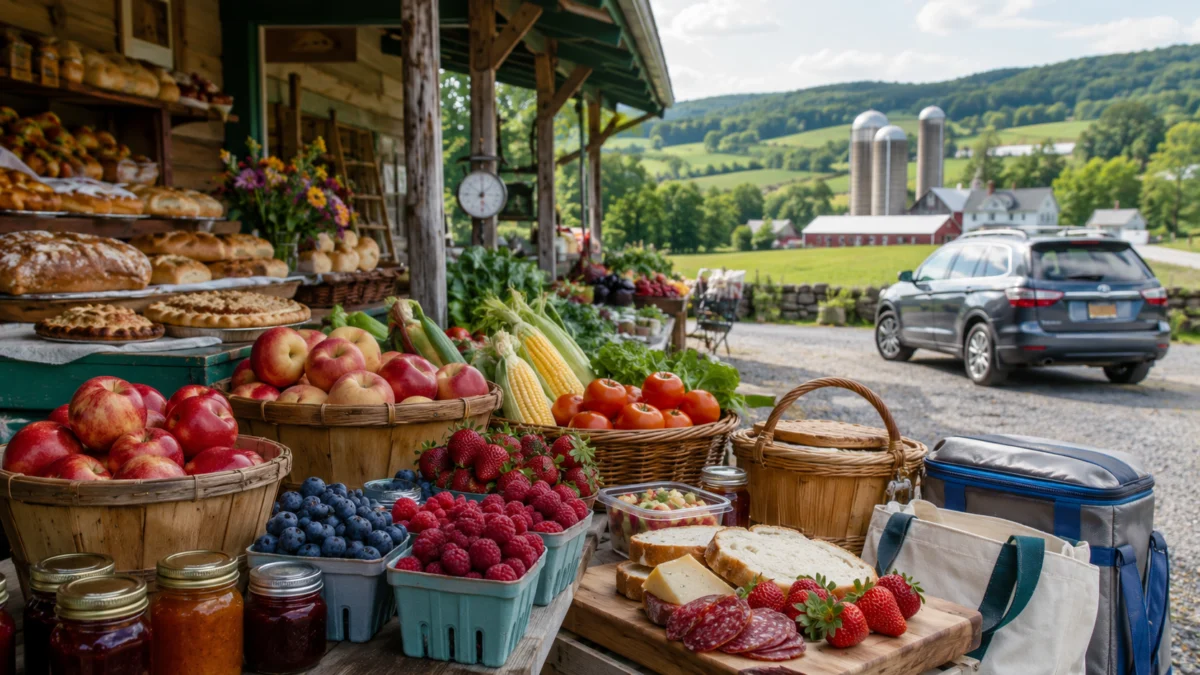
This airport gateway strategy is applicable to numerous destinations where strong regional culinary traditions are situated within easy reach of major air travel hubs. Barcelona, Spain, for instance, can serve as a springboard to Girona, a city offering a delightful array of market lunches and exquisite pastry shops, perfectly complementing a day of museum visits. Cape Town, South Africa, provides access to the renowned Winelands, where farm-to-table kitchens and wine tastings can be combined with stops at roadside produce stands brimming with fresh, local ingredients.
Vancouver, Canada, offers proximity to Richmond, a city celebrated for its authentic Cantonese kitchens and delectable dessert shops that remain vibrant well into the evening. New Orleans, USA, allows for excursions beyond the downtown core to discover traditional smokehouses and fresh seafood shacks, often featuring more accessible parking and shorter queues than their city-center counterparts. In each of these locations, possessing a vehicle empowers travelers to prioritize local dining hours and authentic culinary experiences over the constraints of hotel proximity.
Strategic Buffering: Building Resilience into Culinary Plans
The success of food-centric travel hinges on a balanced itinerary that incorporates realistic time buffers, preventing a single delay from derailing an entire day’s culinary aspirations. A practical strategy involves identifying one "must-visit" dining establishment per day, while simultaneously having two nearby alternative options with readily available seating. This contingency planning ensures that even unforeseen circumstances, such as a delayed train or unexpected traffic jams, do not compromise the day’s most anticipated meals.
Before committing to a dinner reservation, it is imperative to ascertain the establishment’s "last order time" rather than its stated closing time. Many restaurants, particularly on weeknights and during local events or public holidays, cease accepting new orders well in advance of their official closing hour. Similarly, market vendors often sell out of their popular offerings long before midday, especially on Saturdays, necessitating an early start for those seeking specific artisanal products.
To enhance the comfort and efficiency of extended eating days, travelers can pack a few lightweight essentials. These include wet wipes for quick clean-ups, a reusable water bottle to stay hydrated, and a small cooler bag for preserving perishable items like cheese or pastries. Carrying a portable charger for electronic devices and a supply of small cash denominations is also prudent, as reliance on digital maps and payment systems can be precarious in areas with unreliable connectivity.
For those who plan to drive between culinary destinations, implementing a simple checklist can contribute to a more relaxed and secure dining experience. This might involve identifying a convenient parking spot near the initial destination and then walking between subsequent locations for a specified period. To maintain safety and legal compliance, abstaining from alcohol before driving is essential, and opting for takeaway meals instead of on-site tastings can be a prudent choice when responsible consumption is a concern.
Diversifying Dining Formats for Deeper Culinary Understanding
The most enduring food memories are often forged through a diverse array of dining experiences, extending beyond the pursuit of renowned restaurants every evening. Exploring local markets provides invaluable insights into regional ingredients and their origins. Cafes offer a window into the daily routines and social fabric of a community. Taverns and bars reveal local social customs and drinking culture. While fine dining establishments can showcase culinary techniques and refined presentations, their value is maximized when the pace and price align with the diner’s expectations and preferences.
A balanced daily itinerary should incorporate at least one spontaneous, quick stop at an establishment frequented by locals for their everyday needs. Establishments with concise menus often signal a focused approach to sourcing, preparation, and efficient service, contributing to consistent quality and timely delivery. Experiencing a signature dish twice within the same city, in different establishments, can be particularly illuminating, revealing the subtle variations in technique and flavor profiles employed by various chefs and cooks.
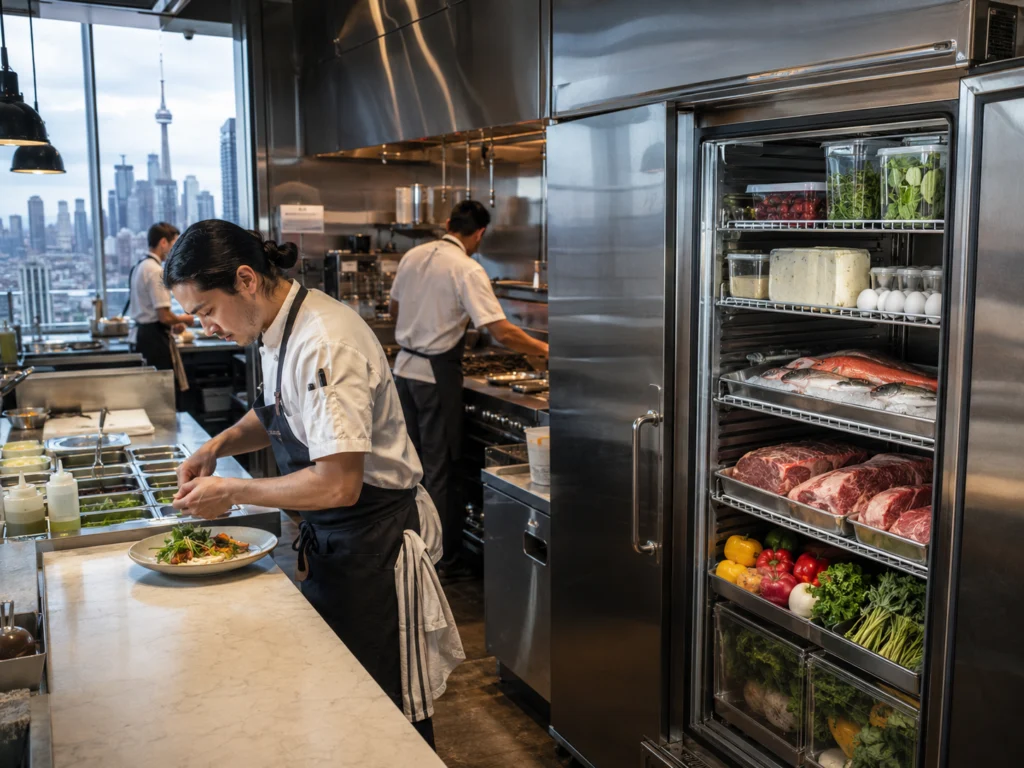
The choice of seating can profoundly influence one’s perception of a meal and inform future ordering decisions. Sitting at a counter provides a direct view of the kitchen’s operations, including the precise movements of chefs, the array of tools, and the rhythm of preparation. This firsthand observation can lead to more informed ordering choices in subsequent dining experiences. Opting for an outdoor table allows for a more leisurely pace, enabling one to observe how local patrons pair beverages with their small plates, offering a nuanced understanding of regional dining etiquette.
Following each meal, dedicating a few moments to record immediate impressions while the flavors are still vivid can significantly enhance retention. Three concise notes are recommended: the name of the dish, a specific flavor detail that stood out, and a practical tip or observation that could be replicated at home. Taking a photograph of the menu can also serve as a valuable reference, facilitating future searches for specific dishes without the need to navigate through extensive digital menus.
Constructing a Personalized Culinary Map: A Systematic Approach
Upon arrival in a new destination, initiating the culinary exploration with a visit to a local market can provide an invaluable foundation. Following this, identifying and experiencing one signature dish that epitomizes the city’s culinary identity is recommended. The market visit will illuminate the ingredients that form the basis of local cuisine, while the signature dish will offer insights into regional cooking techniques and service styles. Subsequent culinary explorations can then fill the gaps, focusing on accessible and authentic establishments located within proximity to planned daily activities.
Maintaining a consistent routine while traveling is crucial for preventing culinary fatigue and avoiding suboptimal food choices. This routine should include ample hydration, prioritizing vegetable consumption at lunch, and seizing opportunities to purchase fresh fruit from roadside produce stalls. If feeling overly full, sharing a dish with a dining companion is an effective strategy for managing appetite and preserving room for subsequent culinary discoveries.
The process of planning a successful food-focused trip involves mapping out itineraries in neighborhood clusters, incorporating generous time buffers between meals, and setting realistic daily driving objectives. This systematic approach enables travelers to savor the culinary offerings of diverse locations without succumbing to stress or wasting precious travel hours. It also ensures a degree of flexibility, providing readily available backup options should weather conditions, unexpected queues, or traveler fatigue necessitate a change in plans. The ultimate outcome is a rich tapestry of authentic dining experiences, meticulously curated and deeply satisfying.


 Anjar Salim
 Chandra Hamzah
 Tatiana Tantri Indah Sari
 Budi Mulyono

