
 Anjar Salim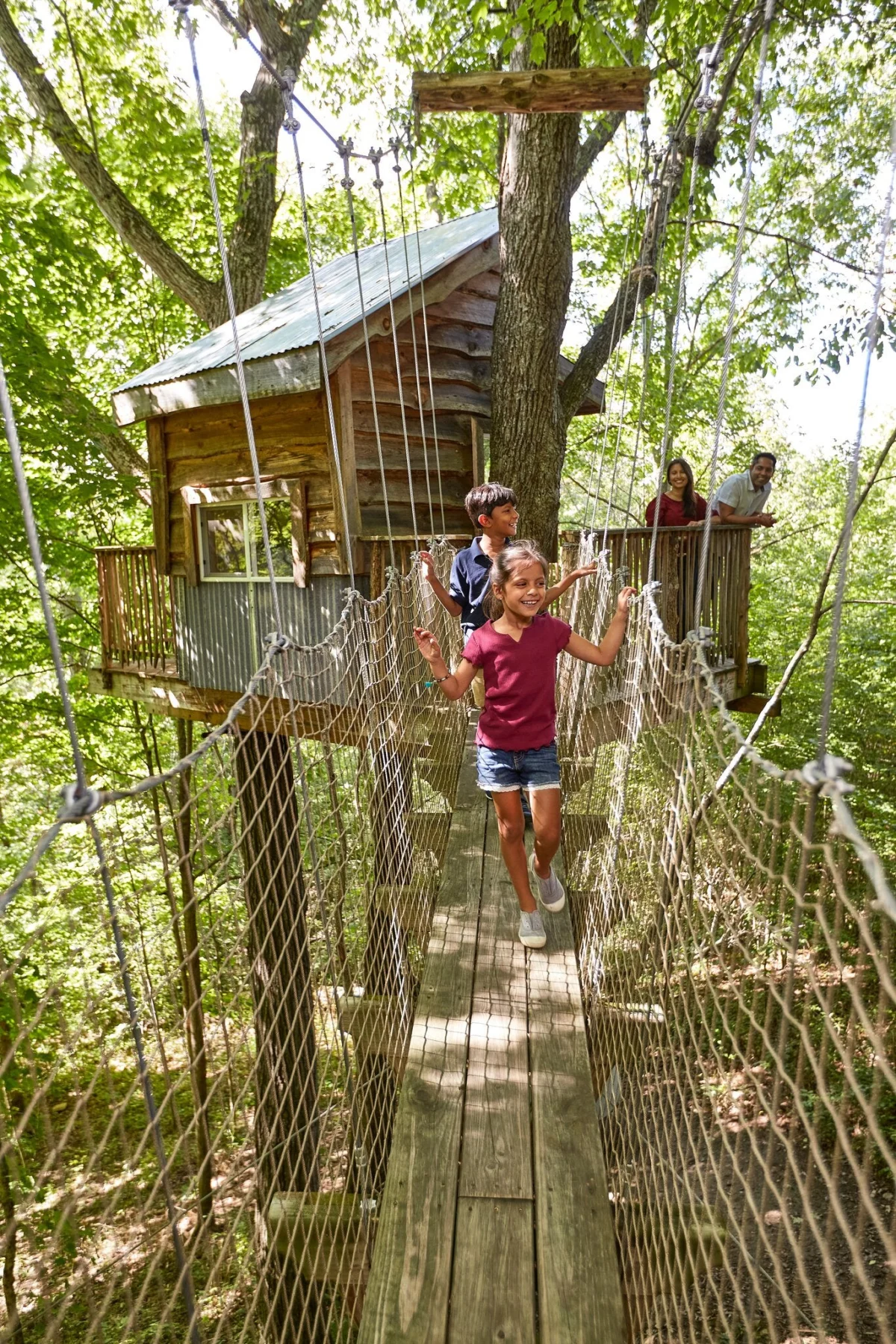
Kentucky’s reputation as a global leader in the outdoor recreation sector is anchored by its diverse topography, ranging from the Appalachian Plateaus in the east to the sprawling wetlands of the west. While the Commonwealth has long been celebrated for its equine industry and bourbon heritage, a growing movement in eco-tourism and adventure travel is redefining the state’s economic and cultural landscape. Anchored by world-renowned landmarks such as Mammoth Cave National Park—the world’s longest known cave system—and the Red River Gorge, a premier destination for international rock climbers, Kentucky is increasingly being recognized for its "hidden" gems. These locations offer rare natural phenomena, innovative lodging, and subterranean adventures that distinguish the region from other domestic travel destinations. As the state moves further into the 2026 tourism season, officials and conservationists are highlighting the intersection of environmental preservation and sustainable tourism as the primary drivers of this outdoor renaissance.
The Geological Significance of the Bluegrass State
To understand the breadth of Kentucky’s outdoor offerings, one must first look at the state’s unique geological history. Much of Kentucky sits atop a vast karst landscape, characterized by soluble rocks such as limestone, which have been eroded over millions of years to create intricate cave systems, sinking springs, and dramatic cliffs. This geological foundation is responsible for the state’s most famous subterranean features, but it also dictates the flow of its rivers and the formation of its many waterfalls.
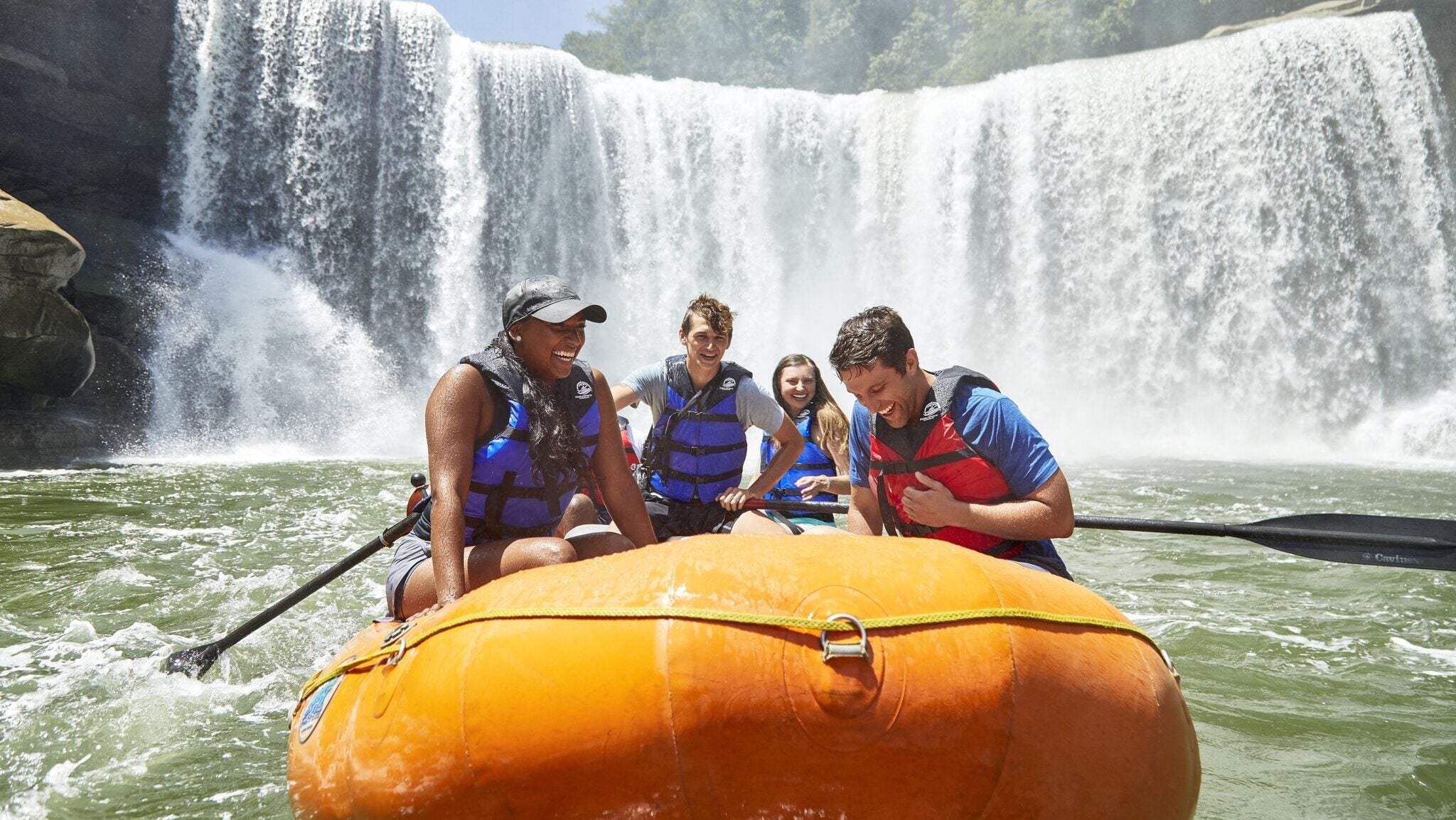
Mammoth Cave National Park, established in 1941 and designated a UNESCO World Heritage site in 1981, serves as the centerpiece of this geological narrative. With more than 425 miles of surveyed passageways, the cave system continues to reveal new chambers to researchers. However, the state’s geological appeal extends far beyond these well-trodden paths. In areas like the Red River Gorge Geological Area, located within the Daniel Boone National Forest, the erosion of sandstone has created one of the highest concentrations of natural arches in the United States. This area has become a focal point for sport climbing, boasting over 4,000 routes that attract athletes from across the globe.
Rare Natural Phenomena: The Cumberland Falls Moonbow
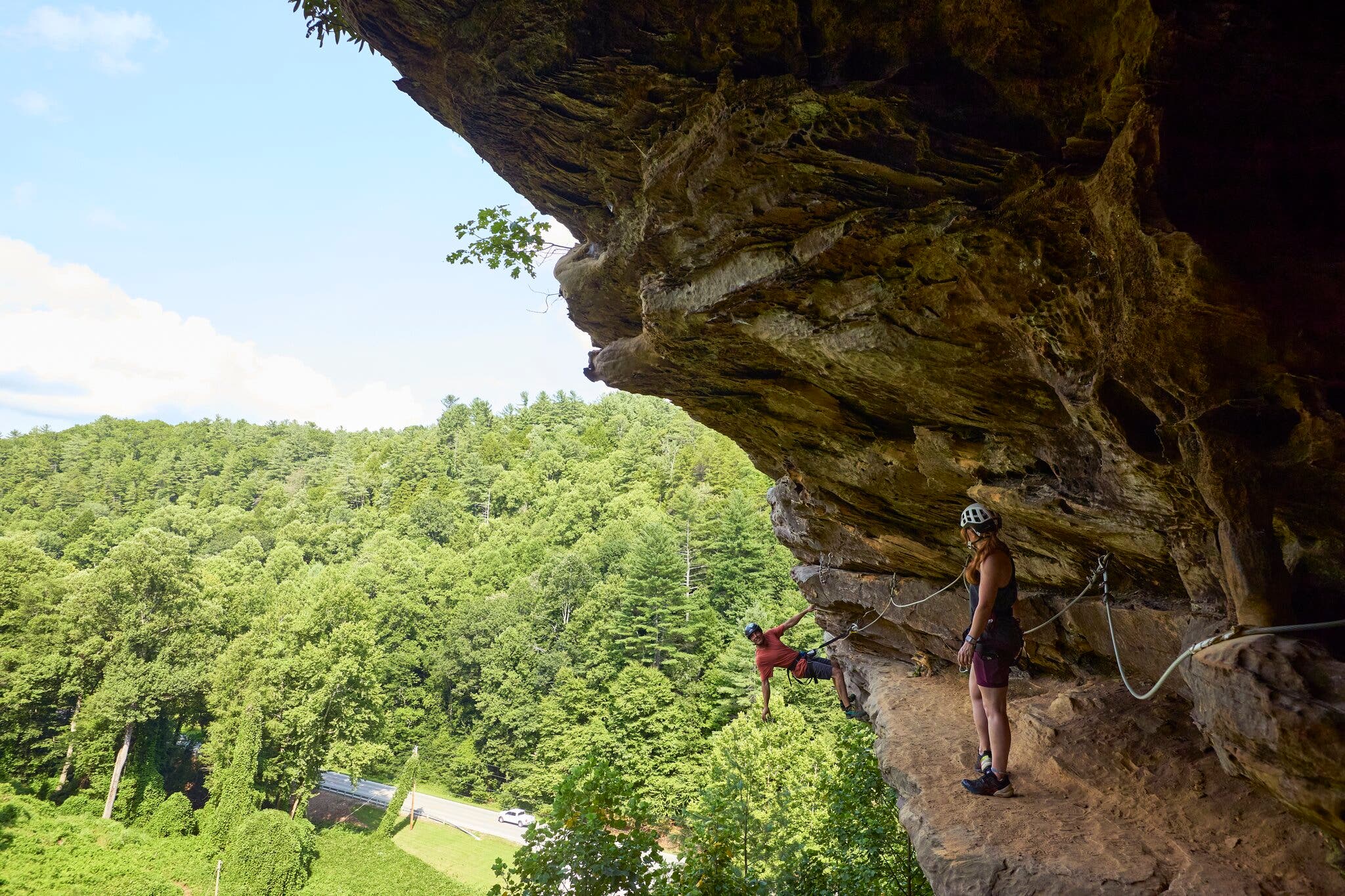
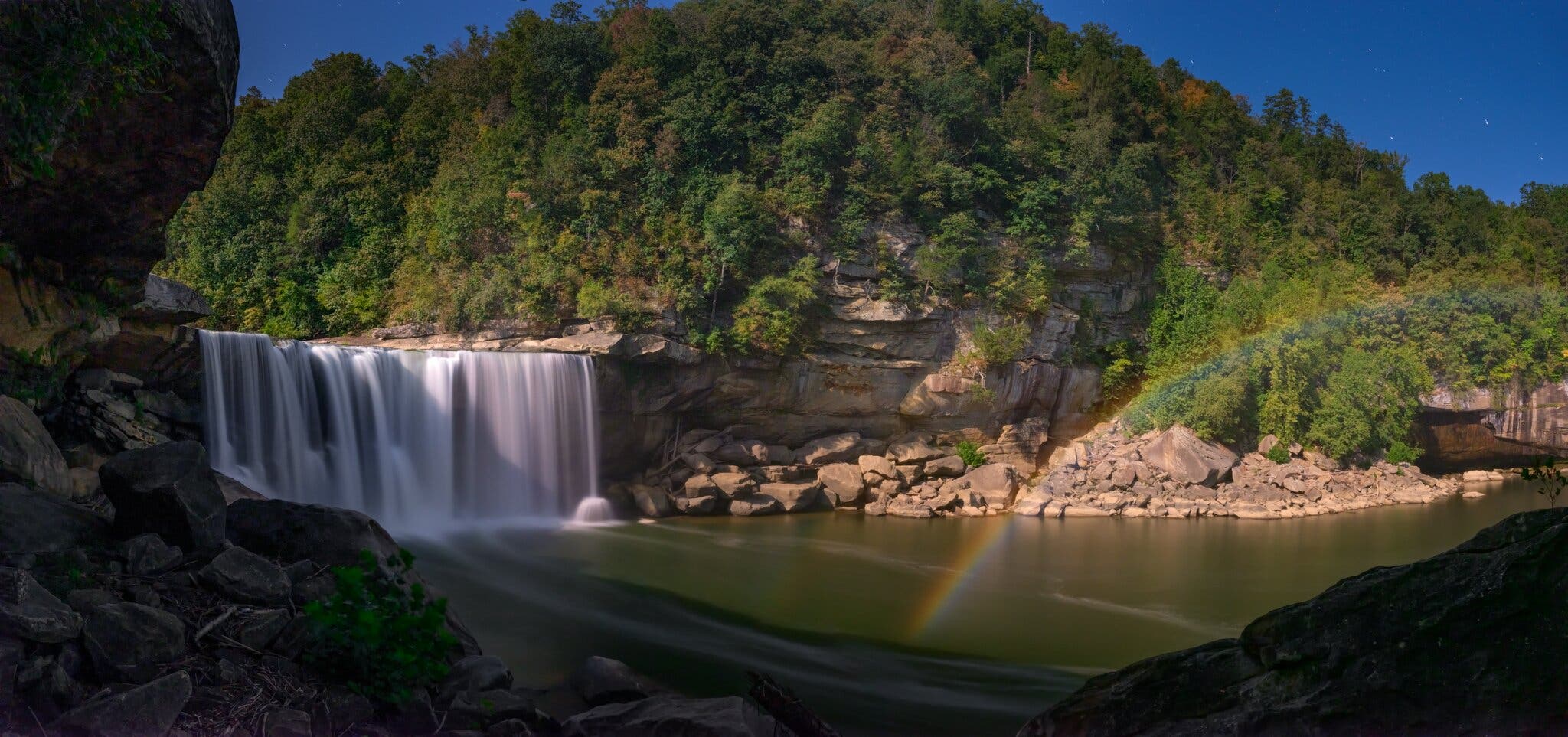
One of the most scientifically significant attractions in the Commonwealth is Cumberland Falls State Resort Park, home to the "Niagara of the South." Standing 68 feet tall and 125 feet wide, the waterfall is impressive in its own right, but its most distinctive feature is the moonbow. A moonbow, or lunar rainbow, is a rare optical phenomenon caused by the refraction of moonlight through water droplets in the air.
Cumberland Falls is the only location in the Western Hemisphere where a moonbow is consistently and predictably visible. This phenomenon occurs only during a full moon and for a few days before and after, provided the skies are clear. The rarity of this event places Kentucky in a select group of global locations, with Victoria Falls on the border of Zambia and Zimbabwe being the only other major site known for regular moonbow occurrences.
Tourism data indicates that Cumberland Falls sees a significant surge in visitation during full moon cycles. Local park officials have implemented specific "moonbow schedules" to assist visitors in timing their hikes to the observation decks. According to the Kentucky Department of Parks, these events serve as a vital educational tool, highlighting the delicate balance of light, moisture, and atmospheric conditions required to produce such a marvel. To enhance the experience, many visitors combine the moonbow viewing with a trip to the nearby Natural Scenic Arch Area, which features a 100-foot-wide sandstone arch, showcasing the varied geological formations of the Daniel Boone National Forest.
The Evolution of Immersive Lodging: EarthJOY Village
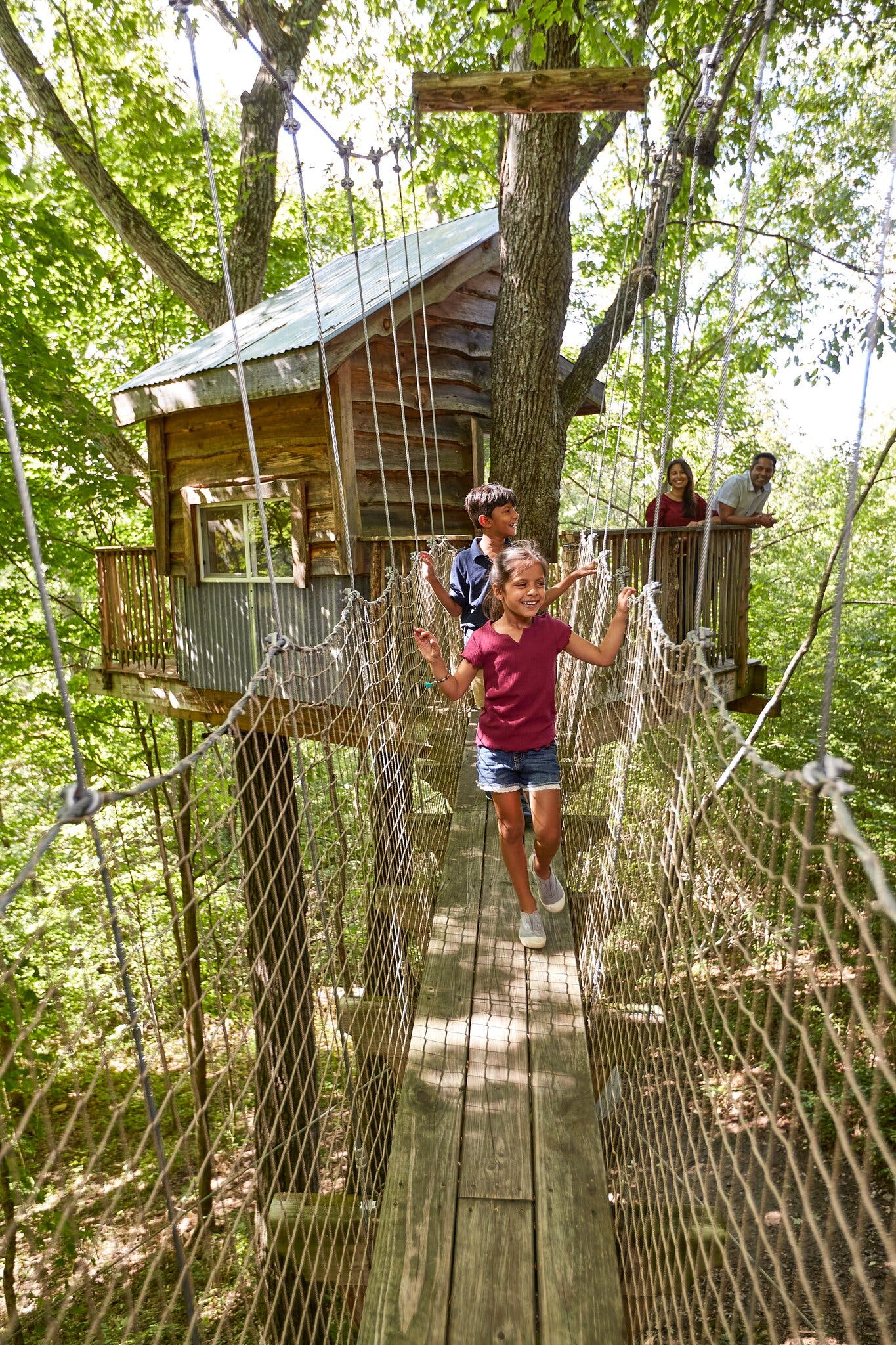
As the demand for experiential travel grows, Kentucky has seen a rise in "glamping" and unique architectural accommodations. EarthJOY Village, located in northern Kentucky, has emerged as a leader in this niche market. Spanning 285 acres of private forest, the village features professional-grade treehouses that integrate living spaces with the natural environment. These structures often include living trees growing through the center of the rooms, rope bridges, and panoramic views of the forest canopy.
The shift toward immersive lodging is more than a trend; it is a strategic economic move. By providing high-end, nature-focused accommodations, Kentucky is attracting a demographic of travelers who prioritize sustainability and "unplugged" experiences. EarthJOY Village offers over 20 miles of hiking trails, positioning itself not just as a place to stay, but as a destination for forest bathing and ecological education. This model of low-impact, high-engagement tourism is being studied by regional planners as a way to monetize private forest lands without resorting to timber harvesting or industrial development.
Subterranean Exploration and Aquatic Innovation
Kentucky’s identity is inextricably linked to what lies beneath the surface. Beyond Mammoth Cave, the state offers several specialized underground experiences that cater to different levels of adventure.
- Lost River Cave: Located in Bowling Green, this site features one of the few underground boat tours in the country. The cave’s history is storied, having served as a hideout for the outlaw Jesse James and a camp for both Union and Confederate soldiers during the Civil War. Today, it serves as a massive urban nature preserve.
- Hidden River Cave: Situated in Horse Cave, Kentucky, this site is home to the world’s longest underground swinging bridge. The cave also houses the American Cave Museum, which provides factual data on groundwater protection and the fragile ecosystems of karst environments.
- Pennyroyal Scuba Blue Springs Resort: In a surprising twist for a landlocked state, Kentucky has become a hub for scuba diving. Pennyroyal Scuba, located in a former rock quarry in Hopkinsville, offers 22 acres of spring-fed water with depths reaching 120 feet. The resort is used for PADI certification and features underwater attractions, including sunken boats and buses, providing a controlled environment for divers to hone their skills before heading to larger bodies of water like Lake Cumberland.
Lake Cumberland itself is a major driver of the state’s maritime economy. Known as the "Houseboat Capital of the World," the lake covers over 65,000 acres and provides a critical reservoir for the region. The integration of scuba diving into the state’s outdoor portfolio demonstrates an innovative use of reclaimed industrial sites, turning former quarries into recreational assets.
The Intersection of Art and Ecology: Bernheim Forest
Conservation in Kentucky often takes an artistic turn, most notably at the Bernheim Arboretum and Research Forest. Established in 1929 by German immigrant Isaac Wolfe Bernheim, the 16,000-acre forest serves as a laboratory for ecological research and a gallery for large-scale outdoor art.
The most prominent feature in recent years has been the "Forest Giants in a Giant Forest," a series of massive sculptures created by Danish artist Thomas Dambo. Built entirely from recycled wood and pallets, these sculptures represent the harmony between humanity and nature. The forest also features a Canopy Tree Walk, a boardwalk that extends 75 feet above the forest floor, allowing visitors to observe the ecosystem from the perspective of the avian population.
Bernheim’s leadership emphasizes that art serves as a "gateway drug" to conservation. By drawing visitors in with spectacular visuals, the organization is able to educate the public on the importance of protecting large, contiguous forest blocks, which are essential for carbon sequestration and biodiversity.
The Sheltowee Trace and the Rise of Trail Towns
Long-distance hiking has seen a resurgence in the United States, and Kentucky’s primary contribution to this movement is the Sheltowee Trace National Recreation Trail. Stretching 343 miles from northern Kentucky to the Big South Fork National River and Recreation Area in Tennessee, the trail is named in honor of Daniel Boone (Sheltowee was the name given to him by the Shawnee, meaning "Big Turtle").
The development of the Sheltowee Trace has led to the "Trail Town" initiative, a state-led program that helps communities near trails and rivers grow their economies through tourism. Towns like Morehead have transformed their downtown areas to cater to hikers and cyclists, providing shuttle services, gear shops, and hiker-friendly lodging. This program is a factual success story in rural development, proving that outdoor recreation can provide a sustainable alternative to traditional extractive industries.
Economic Impact and Future Outlook
The diversification of Kentucky’s outdoor offerings is reflected in the state’s economic data. According to the Kentucky Department of Tourism’s most recent annual report, tourism has an economic impact of nearly $14 billion annually, supporting over 90,000 jobs. The outdoor recreation sector is a significant portion of this, with state parks alone contributing hundreds of millions of dollars to local economies.
Analysts suggest that Kentucky’s focus on "unexpected" adventures—such as scuba diving in quarries or viewing lunar rainbows—is a deliberate branding strategy to compete with better-known outdoor states like Colorado or North Carolina. By highlighting the unique geological and biological features of the Ohio Valley and the Appalachian foothills, Kentucky is carving out a niche as a destination for "high-value, low-crowd" experiences.
From a conservation standpoint, the influx of outdoor enthusiasts presents both opportunities and challenges. The Kentucky Heritage Land Conservation Fund and various state agencies are working to ensure that increased foot traffic does not degrade the very natural wonders that attract visitors. This involves trail maintenance, invasive species management, and public education campaigns regarding "Leave No Trace" principles.
In conclusion, Kentucky’s outdoor landscape is undergoing a period of significant growth and refinement. By leveraging its unique karst geology, rare natural phenomena like the Cumberland Falls moonbow, and innovative intersections of art and nature at Bernheim Forest, the Commonwealth is positioning itself as a premier destination for the modern adventurer. As the state continues to develop its trail systems and unique lodging options, it remains a testament to the power of diverse ecosystems to drive both environmental appreciation and economic prosperity. For those seeking the unexpected, the Bluegrass State offers a frontier that is as deep and complex as the caves that run beneath its surface.




 Budi Mulyono
 Chandra Hamzah
 Tatiana Tantri Indah Sari

 Lukman Taruna Persada Ramadan