
 Anjar Salim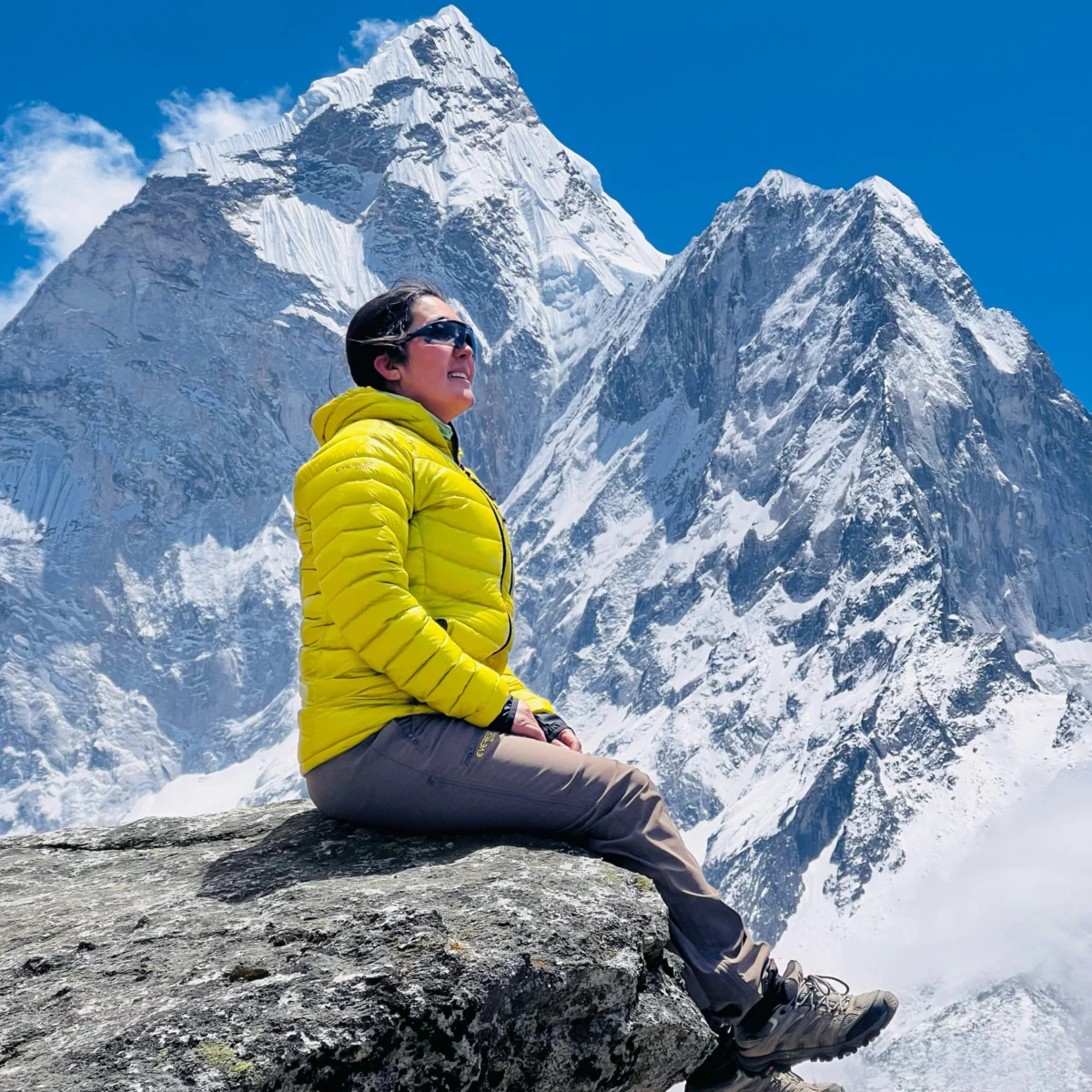
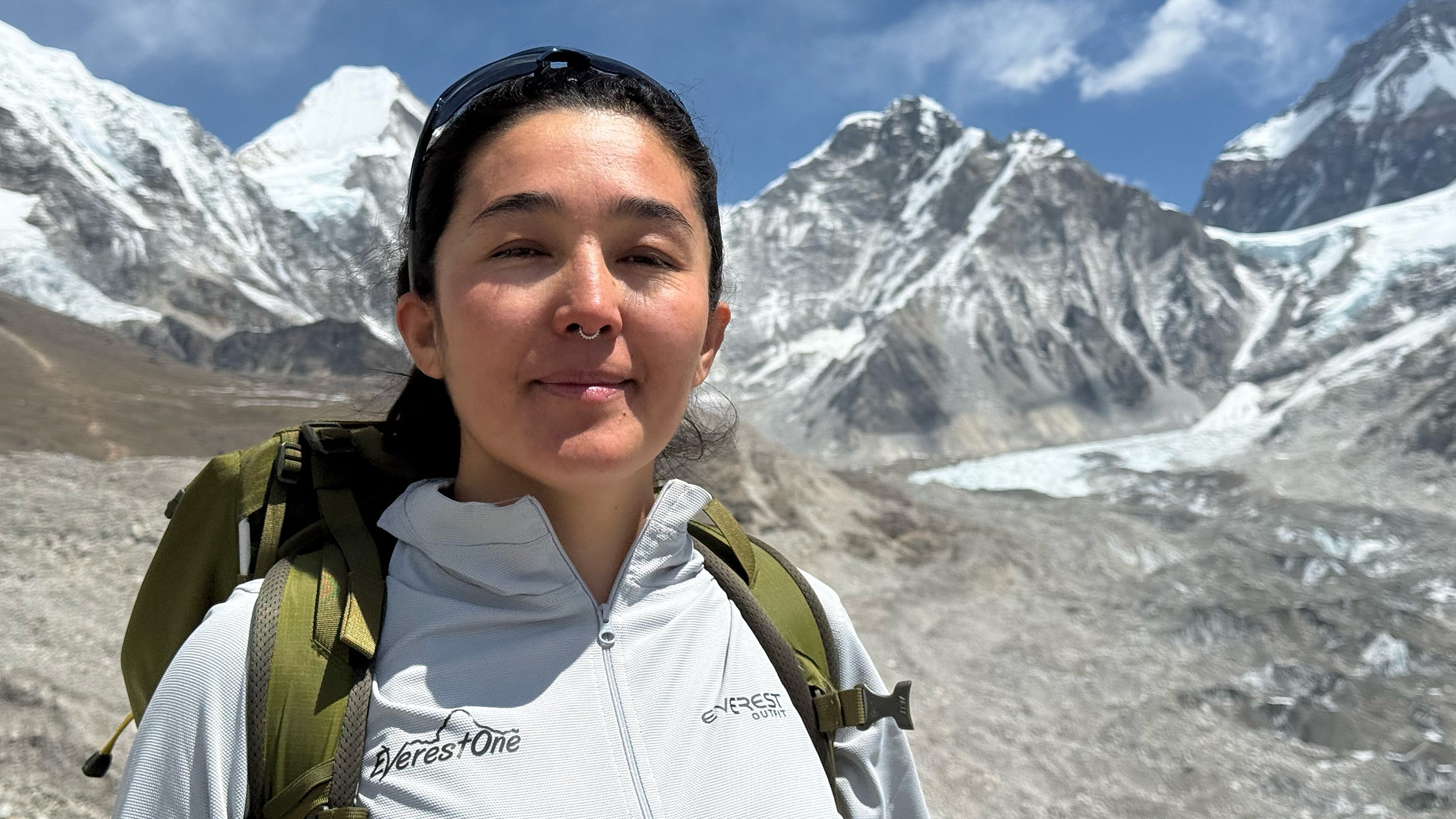
At the edge of the Khumbu Icefall, where the shifting glaciers of Mount Everest meet the thin, frigid air of 17,500 feet, a 30-year-old woman named River Ahmad is preparing to make history. Amidst a sea of brightly colored tents at Everest Base Camp in May 2026, Ahmad stands out not merely for her technical climbing prowess, but for the weight of the flag she hopes to carry to the summit. As one of 492 climbers permitted to attempt the peak this season, she is the sole female representative from Afghanistan. If she reaches the 29,032-foot summit, she will become the first Afghan woman to ever stand on the highest point on Earth.
Her journey to the Himalayas did not begin on the rock walls of a modern climbing gym, but in the war-torn Ghazni province of southeastern Afghanistan. For Ahmad, the physical dangers of Everest—the crevasses, the avalanches, and the oxygen-depleted "Dead Zone"—pale in comparison to the human-made terrors she has already survived. Her presence at Base Camp is the culmination of a twelve-year odyssey marked by a near-fatal terrorist attack, a career in clandestine journalism, and a harrowing escape into exile.
The 2014 Ghazni Massacre: A Turning Point
The trajectory of River Ahmad’s life was irrevocably altered on a dusty highway in 2014. At the time, the 18-year-old had convinced her father to buy her a bus ticket from Ghazni to Kabul, under the guise of studying dentistry. In reality, Ahmad harbored a secret ambition to become a journalist and advocate for women’s rights in a society where such roles were increasingly under threat. It was the final year of U.S. and NATO combat operations in Afghanistan, a period of heightened volatility as the Taliban sought to reclaim territory.
Halfway to the capital, Taliban militants intercepted the bus. Ahmad, the only woman among approximately 15 passengers, watched as the gunmen boarded the vehicle and opened fire without provocation. In the chaos of the fusillade, she made a split-second decision that saved her life. Noticing she was on her menstrual cycle, she used the blood to smear her face and neck, lying motionless across her seat to mimic a corpse.
The ruse worked. As the gunmen walked the aisle to execute any remaining survivors, they paused at her seat. One of the militants dismissed her as a "dead prostitute" before moving on. Twelve people were killed in the massacre; Ahmad was one of only three survivors. This event served as both a trauma and a catalyst, solidifying her resolve to use her voice to challenge the extremist ideologies that sought to silence her.
Journalism and the Price of Advocacy
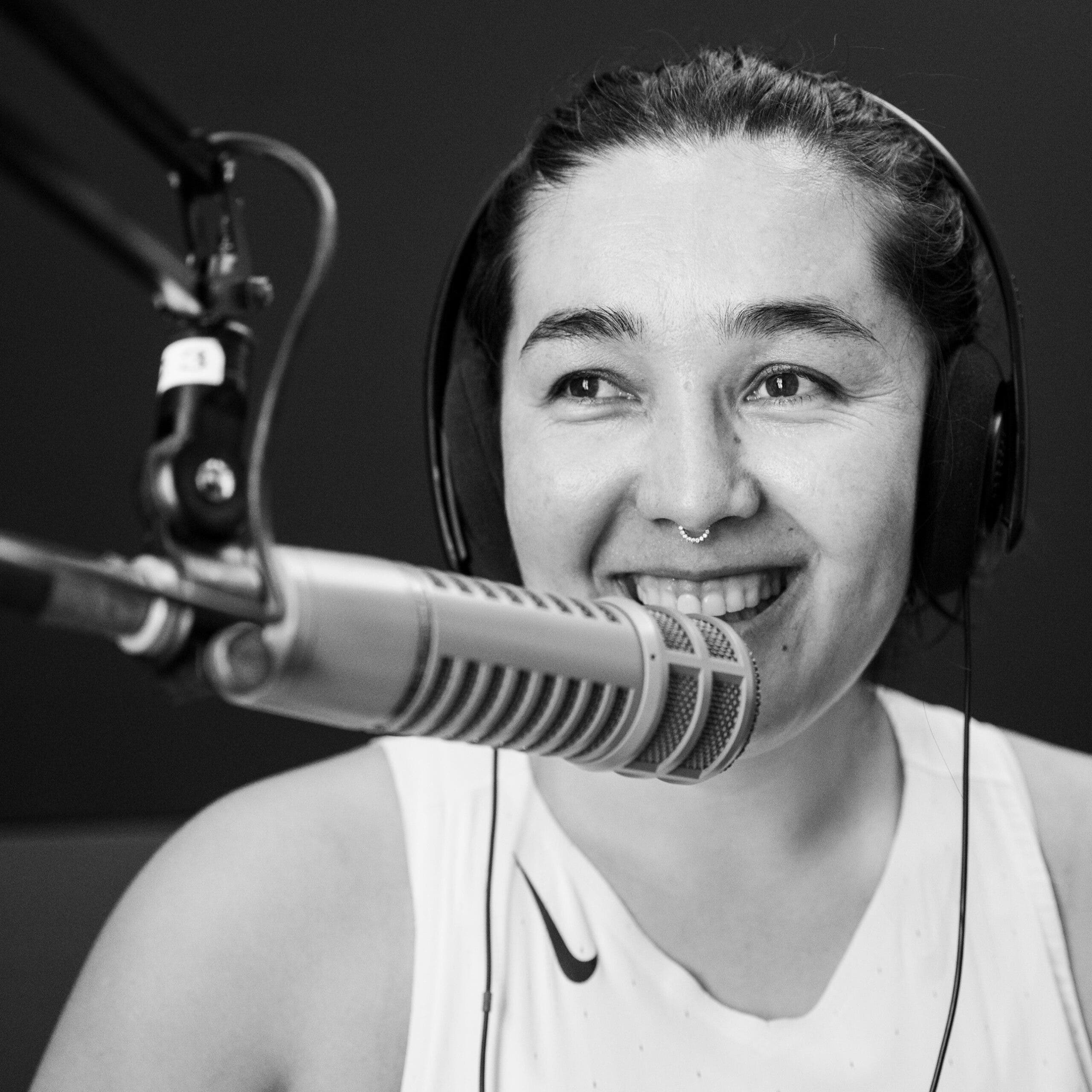
Following the attack, Ahmad reached Kabul and successfully transitioned into broadcast journalism. Operating under a pseudonym to protect herself and her family, she became a prominent voice on the radio, advocating for gender equality and the education of Afghan girls. For five years, she balanced her public-facing professional life with a private existence of constant vigilance.
However, the relative safety of Kabul began to erode as the Taliban’s influence expanded. By late 2019, the anonymity she had carefully maintained was compromised. She began receiving direct threats from both government-aligned factions and Taliban operatives, warning her to cease her advocacy. After surviving multiple physical assaults, Ahmad realized that her presence in Afghanistan had become a liability to her family.
In 2019, she fled to India, where she lived as a refugee for over three years. Eventually, she secured a humanitarian visa for Australia, a move that offered physical safety but introduced new psychological and social challenges.
Rebirth in Australia: From Tragedy to the Sydney Harbor Bridge
The transition to life in Australia was marked by deep personal loss. While Ahmad sought to rebuild, her family back in Afghanistan and later in the diaspora struggled with the displacement. Her brother took his own life, a tragedy for which her father blamed her, citing her refusal to follow traditional religious paths as the root cause of the family’s misfortune. This rift led to a period of homelessness and severe depression.
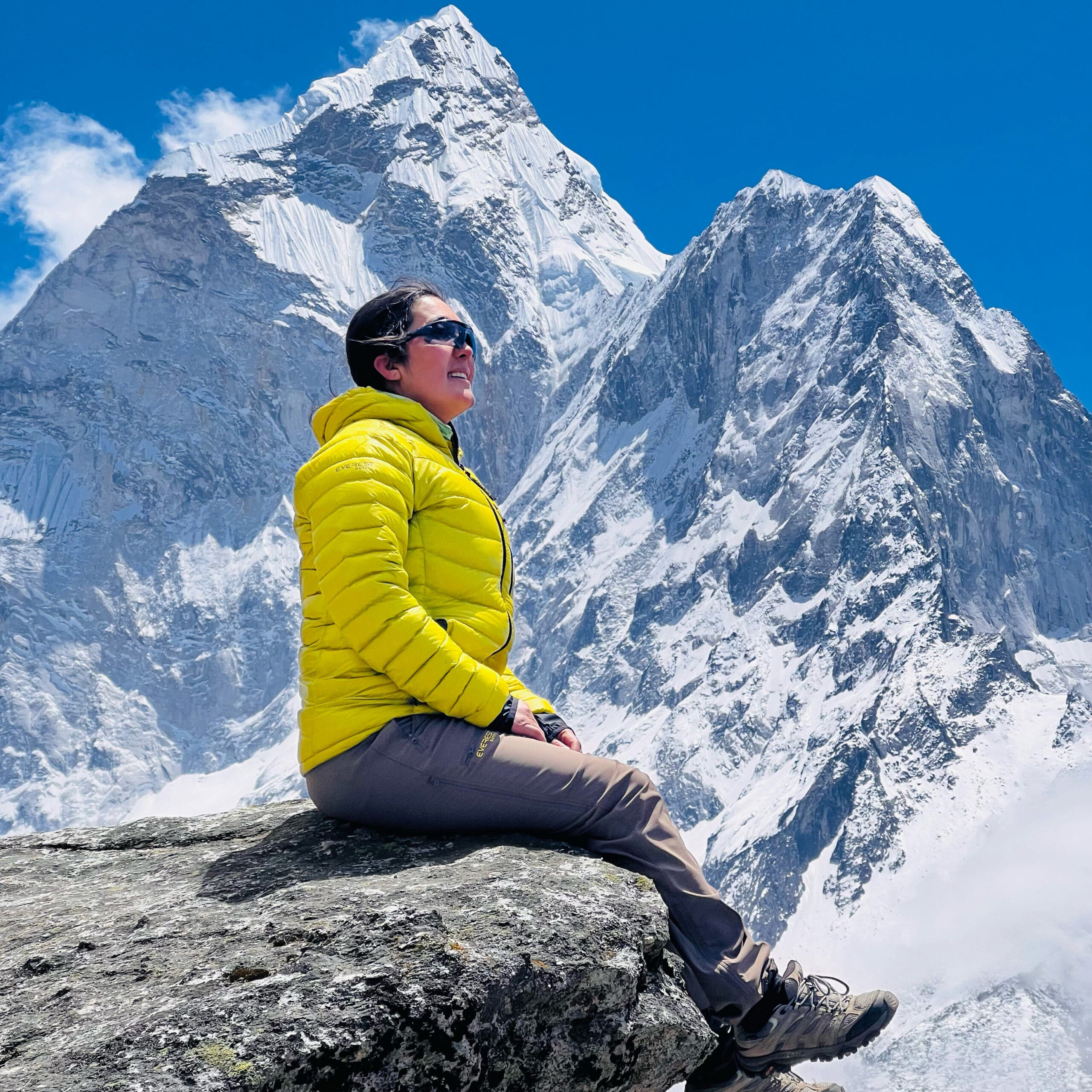
It was during this low point that Ahmad sought solace in nature, a coping mechanism she had developed as a child in the mountains of Ghazni. She officially changed her name to "River," inspired by the sight of a forest stream. To her, the name symbolized purity and an unstoppable forward momentum.
Her return to mountaineering was sparked by a climb of the Sydney Harbor Bridge. Though a guided tourist activity, standing above the city skyline reignited a dormant passion. "I realized I had to feel happy again," Ahmad stated. "I remembered the mountains of my childhood, and that’s when I decided I wanted to climb Everest."
Financial and Physical Preparation: The Logistics of an Everest Bid
Climbing Mount Everest is a feat that requires immense financial capital, typically costing between $45,000 and $100,000. For a refugee working night shifts, the goal seemed insurmountable. Ahmad funded her expedition through sheer labor, working overnight shifts at IKEA and in a packing plant while training during the day and continuing her work as a radio journalist.
She eventually negotiated a unique contract with an Everest expedition company, paying 50 percent of the costs upfront with her life savings and promising to pay the remainder upon her return. Her training regimen has proven effective; since arriving in Nepal this spring, she has completed successful acclimatization climbs of Mera Peak (21,247 feet) and Lobuche East (20,075 feet).
Expedition leaders have noted Ahmad’s exceptional physiological response to high altitude. During her first rotation on Everest, she climbed from Camp II (21,000 feet) to Camp III (23,300 feet) and returned to Base Camp in a single day—a feat that typically requires a two-day itinerary for most commercial climbers.
The Broader Context: Women’s Rights in Afghanistan (2021–2026)
Ahmad’s climb occurs against a grim backdrop for women in her home country. Since the Taliban’s return to power in August 2021, women’s rights in Afghanistan have been systematically dismantled. The United Nations has described the situation as "gender apartheid." Currently, girls are banned from attending secondary schools and universities, and women are prohibited from working for NGOs, visiting public parks, or traveling long distances without a male chaperone.
By attempting the summit, Ahmad is engaging in a form of high-altitude protest. "I want the world to understand that women can do different things," she said. "You cannot put us in a box." For the millions of women currently confined to their homes in Afghanistan, Ahmad’s ascent represents a symbolic breaking of those boundaries.
Mountaineering as Healing: War vs. The Mountain
In professional mountaineering circles, the risks of Everest are often debated through the lens of safety protocols and weather windows. For Ahmad, however, the mountain offers a different perspective on danger. She notes that in Afghanistan, mountains have historically been used as tactical strongholds for warfare. On Everest, she sees the landscape as a theater for personal growth and human challenge.
"I think war is more scary than the mountains," Ahmad remarked. "This climb is making me stronger. It’s teaching me to understand dangerous situations more nicely and calmly. In a human way."
Implications and Global Impact
The success of River Ahmad’s expedition would hold significant weight in the international community. It would place her among a small group of elite Afghan mountaineers who have sought to use the sport as a tool for national identity and gender reform.
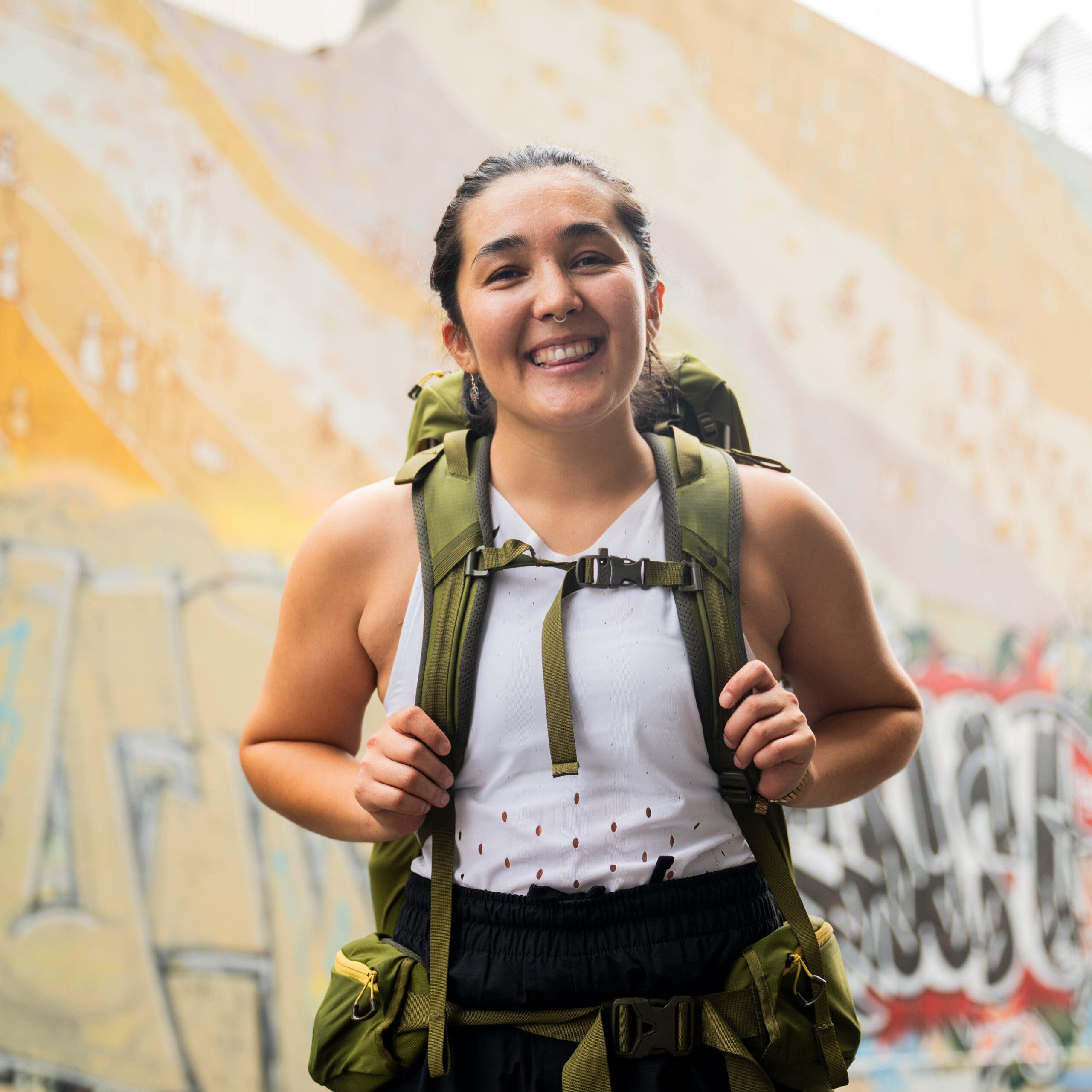
- Symbolic Representation: Her success would challenge the narrative of Afghan women as perpetual victims, showcasing instead their resilience and physical agency.
- Diplomatic Pressure: Her platform as a journalist and climber provides a unique vantage point to keep the plight of Afghan women in the global news cycle, especially at a time when international attention has shifted toward other global conflicts.
- Inspiration for the Diaspora: For the millions of Afghans living in exile, Ahmad’s journey is a testament to the possibility of reclaiming one’s identity and pursuing excellence despite the loss of a homeland.
As the May summit window approaches, the eyes of the mountaineering world and the Afghan diaspora remain fixed on River Ahmad. She moves across the Khumbu Glacier with a grace born of survival, carrying with her the hopes of a generation of women who have been told that their world ends at their front door. For Ahmad, the summit is not just a destination; it is a declaration of existence. If she succeeds, the highest point on Earth will, for the first time, bear the footprint of an Afghan woman who refused to stay dead on a bus in Ghazni.




 Budi Mulyono
 Chandra Hamzah
 Tatiana Tantri Indah Sari

 Lukman Taruna Persada Ramadan