
 Tatiana Tantri Indah Sari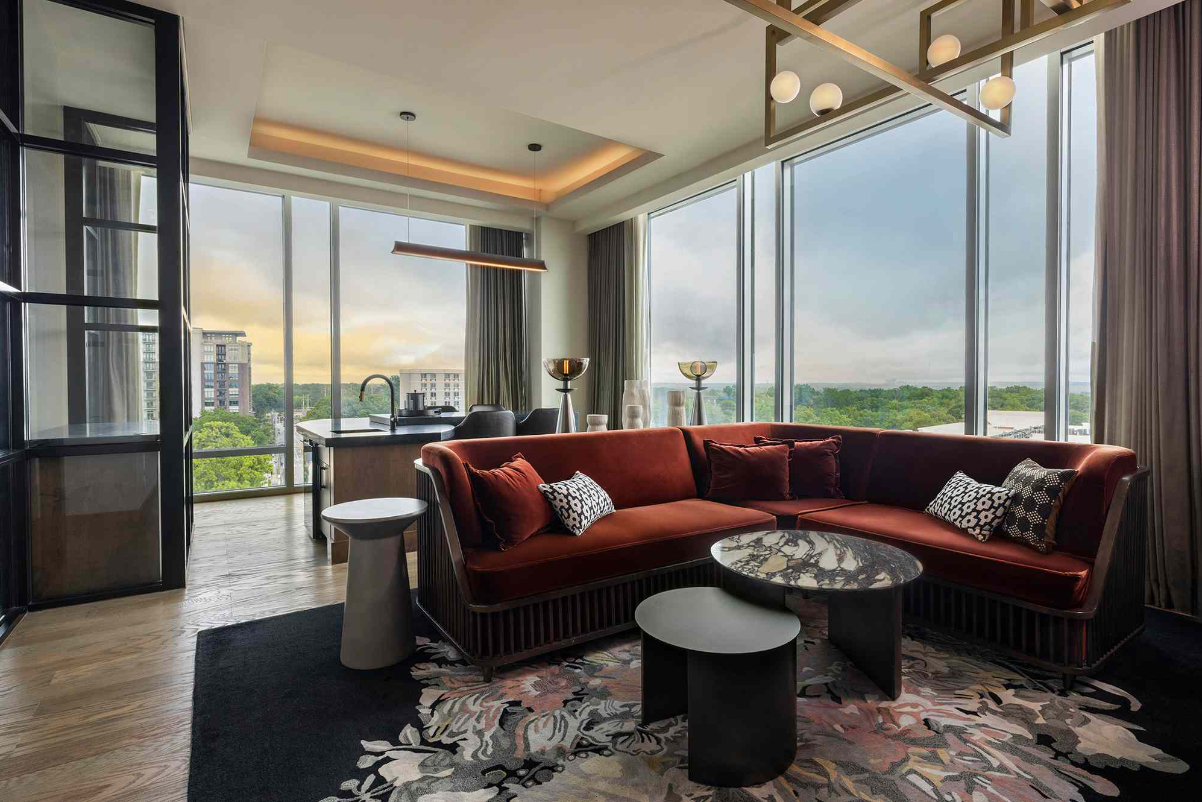
In a hospitality landscape increasingly dominated by global behemoths like Marriott International, Hyatt Hotels Corporation, and Accor, which have spent decades divesting real estate to focus on lucrative franchise and management fees, a distinct and strategically divergent approach is being championed by Peregrine Hospitality. As the dedicated operating arm of the private-equity powerhouse KSL Capital Partners, Peregrine is actively pursuing the opposite trade: a deep-seated owner-operator model. This strategy sees Peregrine managing and asset-managing a substantial portfolio of 64 hotels, collectively valued at an impressive $2.5 billion, all of which are directly owned by KSL or its affiliated investment vehicles. The firm’s leadership posits that this integrated owner-operator structure provides a crucial competitive advantage in a sector notoriously devoid of inherent "natural moats."
The Strategic Divergence: Asset-Light vs. Owner-Operator
For the past several decades, the dominant narrative in the hotel industry has been the progressive shift towards an asset-light business model. Major hotel chains realized that by shedding their real estate holdings, they could achieve higher returns on invested capital, reduce exposure to property market volatility, and generate stable, predictable revenue streams from branding, franchising, and management contracts. This model allowed them to scale rapidly, expanding their global footprint with minimal capital expenditure, leveraging the investments of property owners while maintaining control over brand standards and distribution channels. Marriott, for example, now owns very few of the thousands of hotels bearing its brands, instead deriving the vast majority of its earnings from fees. This pivot was largely seen as a financial optimization, freeing up capital for technology, marketing, and brand development, and delivering attractive multiples to investors. By the early 2020s, many leading hotel groups were reporting that over 80% of their EBITDA was generated from these fee-based operations, illustrating the profound success of this strategy.
Peregrine Hospitality, under the guidance of CEO Greg Kennealey, presents a deliberate counterpoint to this prevailing wisdom. Kennealey articulated his firm’s strategic outlook, stating, "We don’t have a patented technology or a secret black box to create a competitive moat." This candid admission highlights a fundamental reality of the hospitality sector: unlike technology giants with proprietary algorithms or pharmaceutical companies holding exclusive drug patents, the core offering of a hotel—a room, amenities, a pool, breakfast—is inherently replicable. Most hotels operate in highly competitive local markets, typically facing direct competition from three to ten rival establishments offering remarkably similar services and facilities. In such an environment, Kennealey is wagering that rigorous, disciplined operations will be the ultimate differentiator, fostering advantages in talent acquisition and retention, brand strength, and the generation of ancillary revenue streams that collectively build a sustainable competitive edge.
The Genesis of the Asset-Light Paradigm
The transformation of the hotel industry into an asset-light model gained significant traction in the late 20th century, particularly after periods of real estate boom and bust. Companies like Marriott and Hilton began to spin off their real estate assets into separate entities or sell them to institutional investors and private equity firms, retaining the operational and branding contracts. This strategy accelerated dramatically in the wake of the 2008 global financial crisis, as companies sought to de-risk their balance sheets and secure more stable, fee-based income. The argument was compelling: why tie up billions in depreciating real estate when the true value lay in the brand equity, operational expertise, and global distribution systems? This model provided resilience during economic downturns, as fee income proved more stable than direct property ownership, which is subject to fluctuating occupancy rates and property values. It also allowed for explosive global growth, with the number of branded hotel rooms increasing by tens of thousands annually without requiring the brand owner to shoulder the immense capital burden of construction and ownership.
KSL Capital Partners: Anchoring the Owner-Operator Vision
At the heart of Peregrine Hospitality’s distinctive strategy is its parent company, KSL Capital Partners. KSL is a leading private equity firm with a specialized focus on the travel and leisure industry, encompassing hotels, resorts, clubs, fitness, and other commercial real estate and operating companies. Formed in 2005 as an independent entity, having spun out from KKR, KSL has consistently pursued a strategy of acquiring, investing in, and building high-quality assets within its target sectors. Unlike many private equity firms that might acquire a hotel portfolio only to swiftly franchise it out to a major brand, KSL’s thesis is rooted in a belief that deep operational engagement and direct ownership unlock superior value creation, especially in complex or underperforming assets. Their portfolio typically includes upscale and luxury properties, often in resort or destination markets, where bespoke experiences and meticulous operational control can significantly impact guest satisfaction and profitability.
The decision to establish Peregrine Hospitality as an internal operating arm underscores KSL’s commitment to this philosophy. Rather than simply being a passive landlord or an investor relying solely on third-party management, KSL, through Peregrine, assumes full control over every aspect of a hotel’s operations. This integrated approach allows for seamless alignment between ownership objectives and operational execution, a synergy often lacking when ownership and management are separated. KSL’s long-term investment horizon, typical of private equity firms seeking to build and enhance asset value over several years before exit, further supports this owner-operator model. They are not merely buying cash flow; they are buying the opportunity to fundamentally improve and reposition assets through hands-on management, investing in capital improvements and operational efficiencies that might be deprioritized by a third-party manager whose incentives are tied to short-term fee generation.
Building Value Through Deep Operational Control
KSL’s investment strategy, executed through Peregrine, is predicated on the idea that operational excellence directly translates into enhanced asset value. While major brands offer extensive marketing reach and loyalty programs, KSL and Peregrine believe that localized, agile management, deeply attuned to the specific needs and opportunities of each property, can yield superior financial performance. This is particularly true for independent hotels, boutique properties, or assets that may not fit neatly into a major brand’s portfolio but possess significant intrinsic value and potential for unique guest experiences. By controlling the entire value chain, from property acquisition and renovation to daily operations and guest service, Peregrine can implement strategies that maximize profitability and guest satisfaction without external constraints.
Peregrine’s Operational Blueprint: Beyond the "Secret Black Box"
Given the absence of proprietary technology or intellectual property, Peregrine Hospitality’s success hinges entirely on the meticulous execution of its operational blueprint. This blueprint is not a single, revolutionary invention but rather a sophisticated aggregation of best practices, data-driven decision-making, and a relentless focus on guest satisfaction and efficiency. It is a philosophy of continuous improvement, where every aspect of the hotel experience is scrutinized for optimization.
Cultivating Talent and Enhancing Guest Experience
One of the cornerstones of Peregrine’s strategy is its emphasis on human capital. In an industry where guest interactions are paramount, attracting, training, and retaining top talent at all levels—from general managers to front-desk staff and housekeepers—is critical. Peregrine invests heavily in comprehensive training programs, fosters a culture of empowerment, and offers competitive compensation and benefits designed to reduce turnover and enhance service quality. The goal is to create a highly motivated workforce that genuinely understands and embodies the brand’s commitment to service excellence. This commitment extends to personalized guest experiences, leveraging data analytics to anticipate guest needs and preferences, and swiftly addressing feedback through robust guest relations systems. A consistently superior guest experience translates into higher guest satisfaction scores, repeat business, and positive online reviews, which are invaluable in a competitive market where digital reputation significantly influences booking decisions.
Maximizing Ancillary Revenue Streams
While room nights remain the core business, Peregrine Hospitality is acutely focused on optimizing and diversifying ancillary revenue streams. This involves a strategic approach to food and beverage (F&B) operations, often transforming standard hotel restaurants into destination dining experiences, or developing unique bar concepts that attract both guests and local patrons. Event spaces are actively marketed for corporate meetings, weddings, and social gatherings, with bespoke packages designed to maximize utilization and profitability. Other avenues include enhancing spa and wellness offerings, developing local partnerships for excursions or retail opportunities, and implementing dynamic pricing strategies for all services. For instance, a well-managed F&B program can contribute an additional 15-25% to a hotel’s total revenue, significantly boosting gross operating profit (GOP) margins, which directly impacts the asset’s overall valuation. A focus on local sourcing and unique culinary experiences can also enhance the property’s brand identity and appeal.
Disciplined Operations and Technology Adoption
"Disciplined operations" for Peregrine also means leveraging technology intelligently, even without proprietary tech. This includes state-of-the-art property management systems (PMS), sophisticated revenue management software (RMS) that dynamically adjusts pricing based on demand, competitive intelligence, and market conditions, and robust customer relationship management (CRM) tools. These technologies are not "secret black boxes" but rather powerful enablers when deployed and managed effectively by skilled teams who understand their capabilities. Furthermore, rigorous cost controls, energy efficiency initiatives, and proactive maintenance programs contribute to higher operational efficiencies and improved bottom lines. The ability to quickly implement new operational strategies or adapt to market changes across its portfolio, without the bureaucratic layers often found in large franchised systems, is another distinct advantage, allowing for greater agility in response to market shifts.
Industry Perspectives and Financial Implications
The owner-operator model championed by Peregrine and KSL presents a compelling alternative narrative within the hospitality sector. Industry analysts offer mixed but largely intrigued perspectives. On one hand, the capital-intensive nature of owning real estate means a higher barrier to entry and greater exposure to market cycles compared to asset-light models. "While the asset-light model prioritizes stability and high returns on invested capital by minimizing real estate exposure, KSL and Peregrine are betting on capturing the full economic upside of operational improvements and property appreciation," observed Sarah Chen, a senior real estate investment analyst at a leading financial institution. "This strategy demands significant capital and deep operational expertise, but it also offers the potential for outsized returns if executed flawlessly, particularly in a fragmented market where operational inefficiencies can be rampant."
The Debate: Risk vs. Reward
The debate between asset-light and owner-operator models boils down to a fundamental trade-off between risk and reward. Asset-light companies enjoy higher EBITDA margins derived from fees and less balance sheet risk, but they cede control over the physical asset and the full scope of operational value creation. An owner-operator, conversely, takes on the full risk of real estate ownership and operational performance but also captures 100% of the value created through strategic renovations, operational efficiencies, and superior guest experiences. For KSL, this translates into an investment thesis focused on generating alpha through direct management and asset enhancement, rather than solely through market timing or brand licensing. A 1-2% improvement in Gross Operating Profit (GOP) margin through diligent operations can translate into millions of dollars in increased asset value upon exit, demonstrating the direct financial impact of Peregrine’s operational prowess. This direct capture of operational upside can significantly enhance the internal rate of return (IRR) for KSL’s funds, appealing to investors seeking direct exposure to real estate performance coupled with active management.
Challenges and Opportunities in a Competitive Landscape
Peregrine Hospitality’s journey is not without its challenges. The hospitality sector is inherently cyclical, susceptible to economic downturns, geopolitical events, and even public health crises, as evidenced by the recent pandemic. The capital intensity of owning a $2.5 billion portfolio means significant debt servicing and ongoing capital expenditure requirements for maintenance and upgrades, which can strain resources during lean periods. Furthermore, attracting and retaining skilled labor remains a persistent challenge across the industry, exacerbated by demographic shifts and evolving workforce expectations. Scaling operational excellence across 64 diverse properties, each with its unique market dynamics and competitive set, requires robust systems and adaptive leadership to maintain consistency and quality.
However, the opportunities for Peregrine are equally substantial. The ability to make swift, integrated decisions across ownership, asset management, and operations provides unparalleled agility. This allows for quicker property renovations, rapid implementation of new F&B concepts, and more responsive adjustments to market demand. The direct alignment of interests between ownership (KSL) and management (Peregrine) eliminates potential conflicts that can arise in third-party management scenarios, ensuring that all operational decisions are geared towards maximizing the long-term value of the asset. This model also allows for a highly curated portfolio, focusing on properties where operational enhancements can yield the greatest impact, rather than simply expanding brand footprint for fee generation. This bespoke approach can create a distinct market position, attracting guests seeking authentic and highly personalized experiences that mass-market brands may struggle to deliver.
The Road Ahead: Redefining Hospitality Investment
Peregrine Hospitality, backed by KSL Capital Partners, represents a compelling case study in a nuanced approach to hospitality investment. While the asset-light model will undoubtedly continue to dominate the global landscape for major brands, Peregrine’s owner-operator strategy highlights the enduring value of deep operational engagement and direct control. Greg Kennealey’s vision for leveraging "disciplined operations" to cultivate advantages in talent, branding, and ancillary revenue is a testament to the belief that even in a sector without proprietary technology, superior execution can forge a powerful competitive edge.
This strategy offers a potential blueprint for other private equity firms and sophisticated investors looking to generate alpha in the hospitality space, demonstrating that substantial value can still be created by embracing the complexities of ownership and hands-on management. As the industry continues to evolve, the success of Peregrine Hospitality will be closely watched, potentially influencing a segment of the market to re-evaluate the conventional wisdom and consider the merits of a more integrated, owner-centric approach to hotel management. In a world increasingly valuing authenticity and unique experiences, the ability to control every facet of the guest journey, from the physical asset to the service delivery, might just be the ultimate, albeit unpatented, competitive moat.



 Chandra Hamzah
 Gabriela Annisa
 Hendra Ismail
 Walid Sujud Trenggono
 Budi Mulyono