
 Chandra Hamzah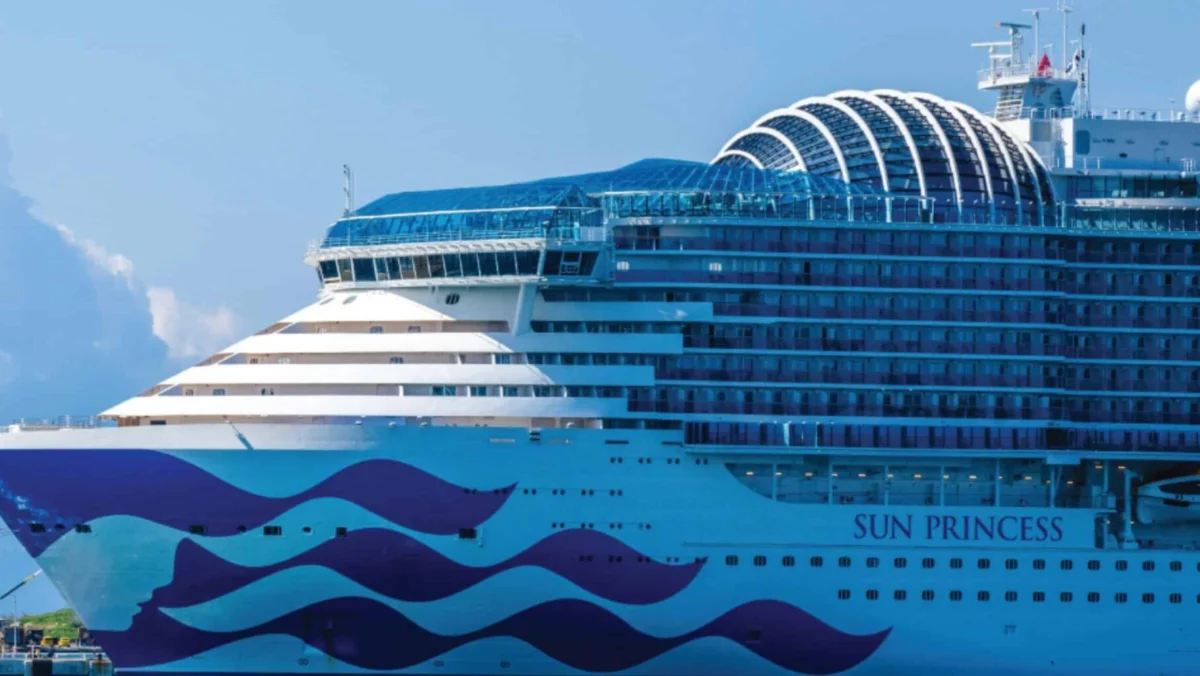
Despite ongoing geopolitical tensions in the Middle East and a subsequent surge in airfare prices, Australian cruise enthusiasts are demonstrating remarkable resilience and an unwavering desire to experience the allure of Mediterranean voyages. Recent observations aboard Princess Cruises’ Sun Princess, currently sailing a popular route from Barcelona to Rome, reveal a significant Australian presence, underscoring a determined approach to travel even in the face of considerable logistical and financial hurdles.
The data from this particular sailing is compelling. Out of a total of 4,395 guests onboard, 550 passengers are identified as Australian. This represents a substantial 12.5%, or one-eighth, of the total passenger manifest. While American guests formed the largest contingent with 2,134 passengers, followed by Canadians with 589, the Australian numbers are particularly noteworthy given the extensive travel distances involved in reaching Europe from Down Under. This influx of Australian travelers highlights a deep-seated commitment to their holiday plans, even when faced with the complexities of extended flight times, increased insurance risks, and escalating travel expenses.
The context surrounding these travel decisions is crucial. The current geopolitical climate, characterized by conflict in the Middle East, has significantly disrupted global air travel routes. Many airlines have been forced to reroute flights, avoiding airspace over conflict zones. This necessitates longer, often more expensive, journeys for travelers heading to Europe from Australia. The ripple effect includes increased fuel surcharges, a greater demand for alternative flight paths, and a general upward pressure on ticket prices. Furthermore, travel insurance policies often carry stipulations regarding travel to or over certain regions, adding another layer of consideration for passengers.
The Australian Traveler’s Mindset: A Blend of Determination and Desire
Several factors appear to be driving this steadfast commitment among Australian travelers. One prevailing theory suggests a strong desire to escape the colder winter months in Australia, with many opting for a European summer experience. This seasonal migration for holidays is a well-established trend, but the current circumstances add a layer of defiance to it.
Another perspective points to a post-pandemic mindset. Having navigated the stringent travel restrictions and uncertainties of COVID-19, many Australians may feel a renewed sense of freedom and a reluctance to let external events dictate their ability to travel and enjoy life’s experiences. This could translate into a "won’t be shut down again" mentality, prioritizing personal enjoyment and long-planned vacations over perceived risks.
However, perhaps the most potent driver is the intrinsic allure of the Mediterranean itself. The romantic image of relaxing in the sunshine with a cocktail, the sounds of Spanish guitar carried on a lemon-scented breeze, represents a powerful aspirational holiday. For many, this idyllic escape is a long-held dream, and the prospect of achieving it outweighs the temporary inconveniences and increased costs associated with current travel conditions.
Personal Narratives of Resilience and Sacrifice
Interviews with Australian passengers onboard the Sun Princess reveal a fascinating tapestry of motivations and strategies employed to reach their Mediterranean destinations.
Justin McCracken, traveling with his family from Darwin, exemplifies the lengths some Australians are willing to go to. His journey involved a multi-leg flight from Darwin to Perth, then Singapore, London Heathrow, and finally Athens. This arduous 27-hour travel time was deemed a worthwhile investment for his Mediterranean holiday. McCracken has further extended his trip with a land-based exploration of Athens before his return journey, which includes a transit through Dubai, even amidst concerns surrounding the global fuel crisis.
The Baldock couple from Melbourne, Shelley and Steve, made a conscious decision to proceed with their cruise despite receiving advice to avoid certain flight paths. They flew via Abu Dhabi, acknowledging that their travel insurance had specific clauses pertaining to flights in the region. Shelley recounted, "The insurance was like, ‘you know you’re not to fly there,’ and we were like, ‘well we are, because we’re going on a cruise!’" For the Baldocks, the perceived safety risks associated with the geopolitical situation did not outweigh the benefits of their Mediterranean cruise. Shelley expressed a philosophical outlook on life and travel: "I just think, when your time’s up, your time’s up."
This sentiment resonates with a broader observation about the Australian character, perhaps suggesting a nation that values its leisure time and is willing to take calculated risks to achieve it. Both the McCrackens and the Baldocks had booked their cruises over six months in advance, indicating a pre-existing commitment that external crises were unlikely to derail.

However, the determination is not exclusive to those with long-term plans. Other Australian passengers onboard had made more recent travel decisions and were equally undeterred by the added costs and extended flight routes.
Andrew McWhinney, from Sydney’s northern beaches, decided to travel at the last minute. He opted for a route with United Airlines, flying via San Francisco to Barcelona. Despite the "arduous" 36-hour journey, he found the flights to be more affordable than other available options, paying $2,800 for an economy return ticket. McWhinney found comfort in knowing he was avoiding the Middle East and therefore not compromising his travel insurance coverage.
Navigating the Skies: Cost-Benefit Analysis in a Challenging Travel Landscape
The financial aspect of these journeys is a significant consideration. For many, the extended travel times are a trade-off for more palatable ticket prices. The journalist, Rose Kelly, representing Cruise Passenger, documented her own experience, traveling with Turkish Airlines. Her journey involved 28 hours with two stopovers, via Kuala Lumpur and Istanbul, before reaching Barcelona. This option, costing $2,500 return, was among the more competitive choices available just two weeks before her departure.
The question then arises: what is the ultimate allure of a European cruise holiday that compels Australians to undertake such extensive and costly journeys?
Beyond the Horizon: Cultural Enrichment and Bucket-List Dreams
For the McCrackens, the primary draw is the profound cultural immersion offered by the Mediterranean. Justin McCracken articulated this, stating, "We don’t get that in Darwin!" The rich history, ancient architecture, and diverse cultural landscapes of the region provide an unparalleled educational and experiential opportunity that cannot be replicated domestically.
For Shelley Baldock, the motivation is more personal and deeply rooted in fulfilling a long-held aspiration. As a dedicated Melbourne Bay swimmer, she expressed a fervent desire to "swim in the Mediterranean." This represents a significant "bucket list" moment for her. While acknowledging that the water temperatures were not yet at summer levels, she humorously remarked, "it’s freezing already in Melbourne, so I’ll take the Mediterranean temperatures any day!" This highlights a pragmatic approach to experiencing a dream, even if conditions are not perfect.
A Trend of Resilience: Survey Data Supports the Findings
These individual stories are not isolated incidents. Regular readers of Cruise Passenger will recall a recent survey conducted by the publication, which explored the impact of the Middle East crisis on travel plans. The results indicated a strong trend of resilience among cruise passengers, with hundreds responding that they would continue with their planned itineraries regardless of the prevailing circumstances. This data provides a broader context for the determined passengers observed on the Sun Princess, suggesting that a significant segment of the cruising community prioritizes their travel experiences above external disruptions.
Implications and Future Outlook
The continued strong presence of Australian travelers on international cruises, particularly to popular destinations like the Mediterranean, in the face of significant travel challenges, offers several implications. Firstly, it underscores the enduring appeal of cruising as a preferred mode of holiday for many Australians, offering a comprehensive and often value-for-money experience. Secondly, it highlights the adaptability and resourcefulness of Australian travelers in navigating complex travel landscapes. They are willing to undertake longer journeys, absorb higher costs, and potentially adjust their travel insurance strategies to fulfill their holiday aspirations.
From an industry perspective, this resilience is a positive indicator for cruise lines and tour operators. It suggests that demand for popular itineraries remains robust, even when faced with external pressures. However, it also presents an opportunity for the industry to further innovate in route planning and passenger communication, particularly concerning travel advisories and insurance provisions.
The decision to travel at "literally any cost" for a European cruise is a testament to the deep-seated desire for exploration, cultural enrichment, and personal fulfillment. As the geopolitical landscape continues to evolve, the Australian traveler’s commitment to experiencing the world, particularly the timeless allure of the Mediterranean, appears to be a powerful and enduring force.
Cruise Passenger remains keen to engage with its readership on these evolving travel dynamics. Questions surrounding the acceptable cost of flights amidst current Middle Eastern tensions, the breaking point for extended flight durations versus the benefits of a European cruise, and the willingness to fly over the Middle East despite potential insurance implications, remain open for discussion. The insights gleaned from these conversations will continue to paint a picture of the modern, resilient traveler.




 Anjar Salim
 Tatiana Tantri Indah Sari
 Budi Mulyono
