
 Gabriela Annisa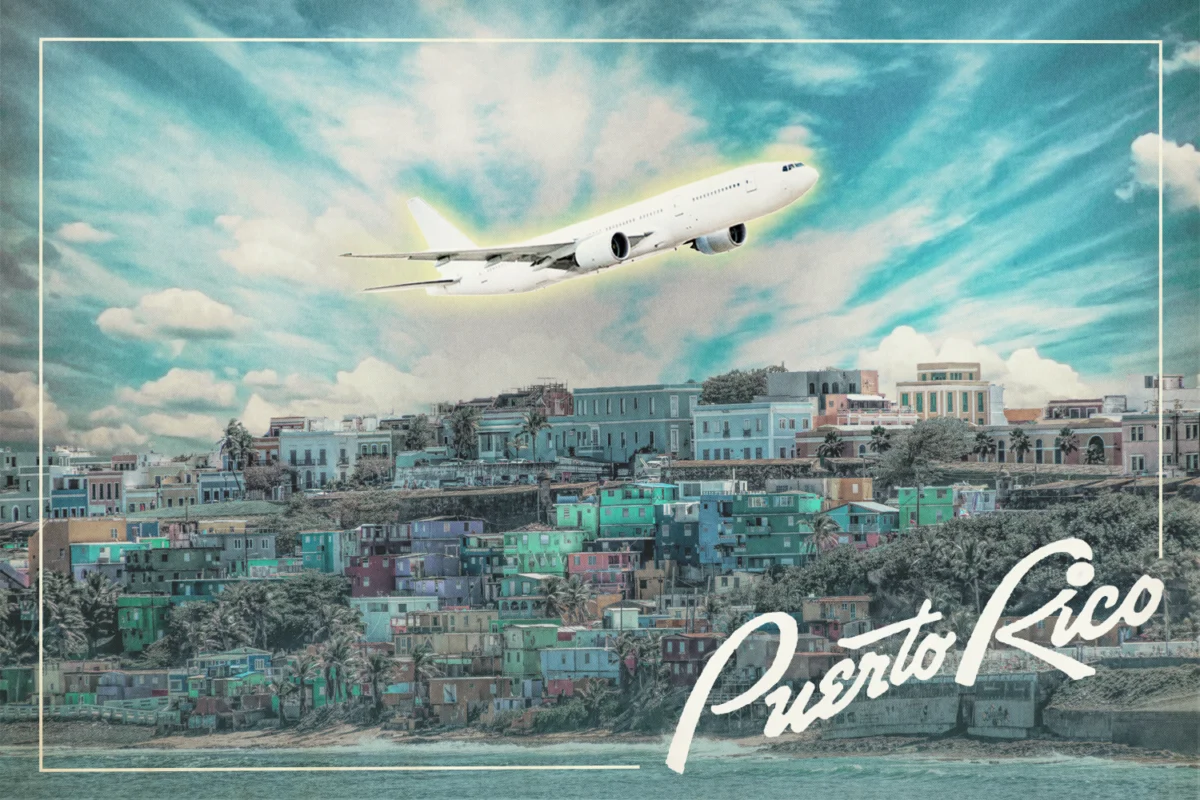
Puerto Rico has emerged as an extraordinary outlier in the post-pandemic aviation landscape, defying broader U.S. trends with a tourism and air travel boom that has captivated industry observers. While many U.S. airports grapple with fewer departing flights today than in 2019 – even as seat counts have modestly edged higher on larger aircraft – the Caribbean island has engineered a remarkable surge. This period of unprecedented growth, fueled by aggressive tourism strategies and strategic airline investments, now faces a new crucible in the form of rising fuel costs and dynamic industry shakeups, testing the very momentum that propelled its "miracle recovery."
The Post-Pandemic Surge: An Anomaly in U.S. Aviation
The overarching narrative in U.S. air travel since the global health crisis has been one of cautious recalibration. Data from leading aviation analytics firms indicates that while total seat capacity from U.S. airports has surpassed 2019 levels by approximately 3-5%, the actual number of flight departures remains stubbornly below pre-pandemic figures, often by as much as 10-15%. This phenomenon is largely attributable to airlines opting for larger aircraft on key routes to optimize efficiency and consolidate passenger loads. Yet, Puerto Rico stands in stark contrast to this trend.
Luis Muñoz Marín International Airport (SJU), the island’s primary gateway, has witnessed an explosive increase in flight frequencies and passenger throughput. By the close of 2023, SJU reported a staggering 28% increase in weekly flight departures compared to 2019, translating to a 35% rise in available seat capacity. Total passenger arrivals soared to an estimated 5.2 million in 2023, a significant leap from the 3.8 million recorded in the benchmark year of 2019. This remarkable performance isn’t merely about recovery; it signifies a profound expansion. The drivers behind this exceptional growth are multi-faceted, encompassing a surge in leisure demand for accessible Caribbean destinations, robust Visiting Friends and Relatives (VFR) traffic from the mainland U.S., and a growing appeal for remote workers seeking an island lifestyle within a U.S. jurisdiction. Strategic airline investment, recognizing these burgeoning demand segments, has been pivotal. Carriers like JetBlue, American Airlines, Southwest, Spirit, and Frontier have not only reinstated but significantly expanded their service to SJU and, to a lesser extent, regional airports like Rafael Hernández Airport (BQN) in Aguadilla and Mercedita Airport (PSE) in Ponce, opening new direct routes and increasing frequencies on existing ones.
A Journey from Adversity: The Pre-Recovery Landscape
To truly appreciate Puerto Rico’s contemporary success, one must acknowledge the formidable challenges that preceded it. For decades, the island grappled with a complex web of economic difficulties, including a persistent debt crisis, high unemployment rates, and a struggling infrastructure. The tourism sector, while always important, had not yet realized its full potential, often overshadowed by fiscal instability and perceptions of an aging infrastructure.
The situation was dramatically exacerbated in 2017 with the devastating impact of Hurricanes Irma and Maria. Hurricane Maria, a Category 5 storm, made landfall on September 20, 2017, unleashing unprecedented destruction across the island. The hurricane caused an estimated $90 billion in damages, plunging the entire island into darkness with a complete power grid collapse, disrupting communications, and decimating critical infrastructure, including roads, bridges, and a significant portion of its hotel inventory. The human toll was immense, with thousands of lives lost and hundreds of thousands displaced. The immediate aftermath saw a near-total cessation of tourism, with airports and seaports closed, and the focus shifting entirely to humanitarian aid and emergency relief. This period represented an existential crisis for Puerto Rico, challenging its resilience and capacity for recovery.
Rebuilding and Rebranding: The Strategic Pivot
The path from devastation to revitalization was arduous, requiring a concerted, multi-pronged effort from both public and private sectors. The initial phase of recovery, spanning late 2017 through 2018, centered on restoring essential services. Federal aid, combined with local ingenuity and an indomitable spirit, slowly brought back power, opened roads, and re-established basic communications.
Crucially, the island recognized that tourism would be a vital engine for its economic resurgence. In 2018, the Puerto Rico Tourism Company underwent a significant transformation with the establishment of Discover Puerto Rico, a private, non-profit Destination Marketing Organization (DMO). This strategic pivot aimed to professionalize and invigorate the island’s global marketing efforts, moving away from government-led initiatives to a more agile and data-driven approach. Brad Dean, CEO of Discover Puerto Rico, articulated the mission as "telling the authentic story of Puerto Rico’s resilience and vibrancy, showcasing our unique culture, natural wonders, and the warmth of our people."
Discover Puerto Rico launched aggressive marketing campaigns, leveraging social media and digital platforms to highlight the island’s recovery and its diverse offerings – from the bioluminescent bays and El Yunque rainforest to the historic streets of Old San Juan and world-class culinary scene. The message was clear: Puerto Rico was open for business, ready to welcome visitors, and more vibrant than ever. Simultaneously, significant investments were made in infrastructure, including upgrades to SJU, renovations and new constructions of hotels, and improvements to popular tourist attractions. The private sector, alongside federal assistance, pumped billions into rebuilding and modernizing the island’s hospitality assets.
Chronology of Recovery and Growth
- Late 2017 – 2018: Immediate post-Maria recovery. Focus on restoring power, communication, and basic infrastructure. Airports gradually reopen, with limited commercial flights resuming. The establishment of Discover Puerto Rico marks a strategic shift in tourism promotion.
- 2019: A pivotal year for initial recovery. SJU sees passenger traffic return to near pre-Maria levels. Airlines begin to cautiously add back routes and capacity, recognizing latent demand. The island hosts several major conferences and events, signaling its readiness to welcome large groups.
- 2020-2021 (Pandemic Era): Counter-intuitively, the pandemic acted as an unexpected catalyst for Puerto Rico’s tourism boom. As a U.S. territory, it offered American citizens a "domestic" travel option without the complexities of international travel requirements, such as passports and extensive testing protocols often associated with foreign destinations. While adhering to strict local health guidelines, Puerto Rico became a favored destination for those seeking an accessible Caribbean escape. This period saw a significant increase in domestic U.S. carriers directing capacity towards the island, capturing market share that might otherwise have gone to truly international locales.
- 2022-2023: The peak growth phase. Building on the pandemic-era momentum, Puerto Rico broke multiple tourism records. Hotel occupancy rates consistently hovered in the high 70s to low 80s percent, significantly surpassing pre-pandemic averages. Average Daily Rates (ADR) for accommodations surged, reflecting strong demand. Passenger volume at SJU continued its upward trajectory, with 2023 solidifying its position as the busiest year in the airport’s history. Major airlines expanded their networks; JetBlue, for instance, added several new direct routes and increased frequencies from key U.S. hubs, cementing its position as a dominant carrier to the island. American Airlines and Southwest also bolstered their presence, responding to both leisure and VFR demand. The tourism sector’s contribution to Puerto Rico’s Gross Domestic Product (GDP) saw a substantial increase, creating thousands of new jobs and injecting much-needed capital into local economies.
Key Data Points and Metrics
The quantifiable success of Puerto Rico’s tourism and aviation sectors paints a vivid picture of its "miracle recovery":
- Passenger Throughput (SJU): From approximately 3.8 million in 2019 to an estimated 5.2 million in 2023, representing a compound annual growth rate (CAGR) of over 8.2%.
- Flight Frequency: Weekly flight departures from SJU increased by 28% from 2019 to late 2023.
- Seat Capacity: Available airline seats to Puerto Rico grew by 35% over the same period, indicating a strategic deployment of larger aircraft on popular routes.
- Hotel Occupancy: Average island-wide occupancy rates consistently exceeded 78% in 2023, compared to a 2019 average of around 65%.
- Average Daily Rate (ADR): The ADR for hotels and vacation rentals increased by over 40% from 2019 levels, reflecting premium demand and improved property quality.
- Tourism Spending: Visitor spending reached an estimated $6.5 billion in 2023, a substantial increase from approximately $4.5 billion in 2019, fueling local businesses and job creation.
- New Routes: Over 15 new direct routes from various U.S. cities were introduced or significantly expanded between 2021 and 2023, connecting Puerto Rico to previously underserved markets.
Voices from the Ground: Stakeholder Perspectives
The narrative of recovery is reinforced by the perspectives of those directly involved:
Brad Dean, CEO of Discover Puerto Rico, reflects on the journey with a blend of pride and strategic foresight. "Our success isn’t just about bouncing back; it’s about building better and smarter," Dean stated in a recent industry conference. "We focused on authenticity, sustainability, and unparalleled visitor experiences. The resilience of our people, combined with targeted marketing and strong partnerships with airlines, created this incredible momentum. We’ve shown the world that Puerto Rico is not just a destination, but a transformative experience."
An executive from a major U.S. airline’s network planning division, speaking anonymously to discuss competitive strategies, remarked, "Puerto Rico consistently outperforms many other Caribbean and even domestic leisure markets. The demand is robust, driven by a strong VFR component and an ever-growing interest in its unique cultural offerings. While operational costs are a constant consideration, the yields on our Puerto Rico routes have been compelling, justifying significant capacity allocation."
Locally, the impact is tangible. Maria Rodriguez, owner of a boutique hotel in Old San Juan, shared her experience: "After Maria, we thought we would never recover. But the tourists came back, and then they came back in even bigger numbers. We’ve been able to hire more staff, invest in upgrades, and contribute more to our community. It’s challenging, of course – finding enough skilled labor, dealing with rising costs – but it’s a good problem to have."
Economist Dr. Ricardo Sanchez, based in San Juan, provides a broader analytical view. "While the tourism boom is unequivocally positive, it also highlights the need for continued economic diversification. The growth has provided a critical lifeline and spurred job creation, but we must ensure that the benefits are broadly distributed and that the island’s infrastructure can support sustained growth without compromising the very natural and cultural assets that attract visitors. Furthermore, external shocks, like global fuel price volatility, underscore the inherent vulnerabilities of reliance on a single sector."
Current Headwinds and Future Outlook
Puerto Rico’s remarkable ascent now confronts a new set of challenges that could test the sustainability of its growth trajectory. The most immediate concern is the persistent rise in global fuel costs. Jet fuel, a significant operational expense for airlines, directly impacts profitability and can lead carriers to re-evaluate less profitable routes or pass on costs through higher fares, potentially dampening demand. This, coupled with broader inflationary pressures, means that both airlines and travelers are facing increased financial burdens.
Industry shakeups, including potential airline consolidations or shifts in strategic focus among major carriers, could also influence Puerto Rico’s connectivity. A change in an airline’s network strategy could result in reduced capacity or route adjustments, even in a high-demand market, if other opportunities are perceived as more lucrative.
Beyond the aviation sector, the island’s infrastructure faces the strain of increased tourism. While significant improvements have been made, sustained growth necessitates ongoing investment in roads, utilities, public transportation, and attraction management to prevent overcrowding and ensure a high-quality visitor experience. Environmental sustainability is another critical consideration; managing the ecological footprint of increased visitor numbers, particularly in sensitive areas like the rainforests and bioluminescent bays, is paramount to preserving the island’s natural allure.
Looking ahead, Puerto Rico stands at a critical juncture. The "miracle recovery" is a testament to its resilience and strategic vision. The challenge now is to transition from rapid growth to sustainable development. This will involve continued collaboration between Discover Puerto Rico, airlines, hoteliers, and local communities, focusing on diversification of tourism offerings, responsible tourism practices, and continuous infrastructure improvements. The island’s ability to navigate these complexities will determine whether its current boom evolves into a long-term, stable economic pillar, cementing its place as a premier global destination.




 Anjar Salim
 Dwi Wanna
 Budi Mulyono
 Lukman Taruna Persada Ramadan
 Chandra Hamzah