
 Diana Nuri Rohmawati
The island of Ko Lipe, situated in the Adang-Rawi Archipelago of the Andaman Sea, has long been regarded as one of Thailand’s most scenic destinations. However, a longitudinal assessment of the island’s development over the past two decades reveals a stark transition from a remote, low-impact backpacker haven to an overdeveloped tourist hub facing significant ecological and social challenges. Once characterized by its limited infrastructure, indigenous Urak Lawoi population, and pristine marine environment, Ko Lipe now serves as a cautionary tale regarding the sustainability of the "Ko Phi Phi model" of rapid tourism expansion. Recent reports from long-term observers and environmental stakeholders suggest that the island has reached a critical tipping point, where the degradation of natural resources and the displacement of local communities may soon outweigh the economic benefits of its thriving tourism sector.
The Evolution of Ko Lipe: A Two-Decade Chronology
To understand the current state of Ko Lipe, it is necessary to examine the chronology of its development. In the early 2000s, the island remained largely off the mainstream tourism grid. In 2006, infrastructure was rudimentary; electricity was typically provided by private generators and operated for only a few hours each evening. Accommodations primarily consisted of basic bamboo bungalows located directly on the shoreline, often costing the equivalent of $2 USD per night. At that time, the island’s economy was seasonal, dictated by the monsoon winds, with a definitive "last boat" marking the end of the travel season.
The primary appeal of Ko Lipe during this era was its "slow travel" atmosphere. Visitors engaged in low-impact activities such as snorkeling, reading, and interacting with the local community. The island featured a handful of family-run restaurants and a single beach bar, fostering a sense of isolation and tranquility that defined the idyllic backpacker experience of the mid-2000s.
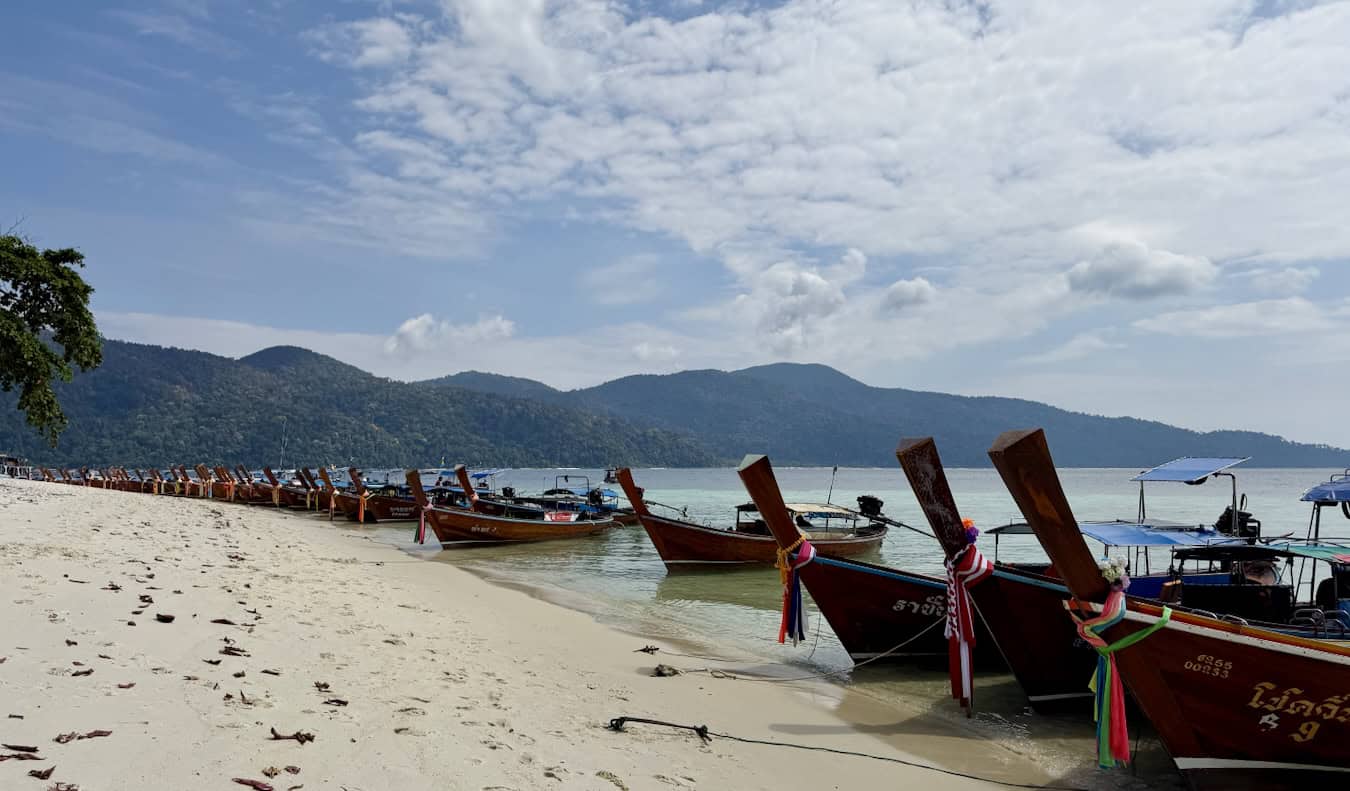
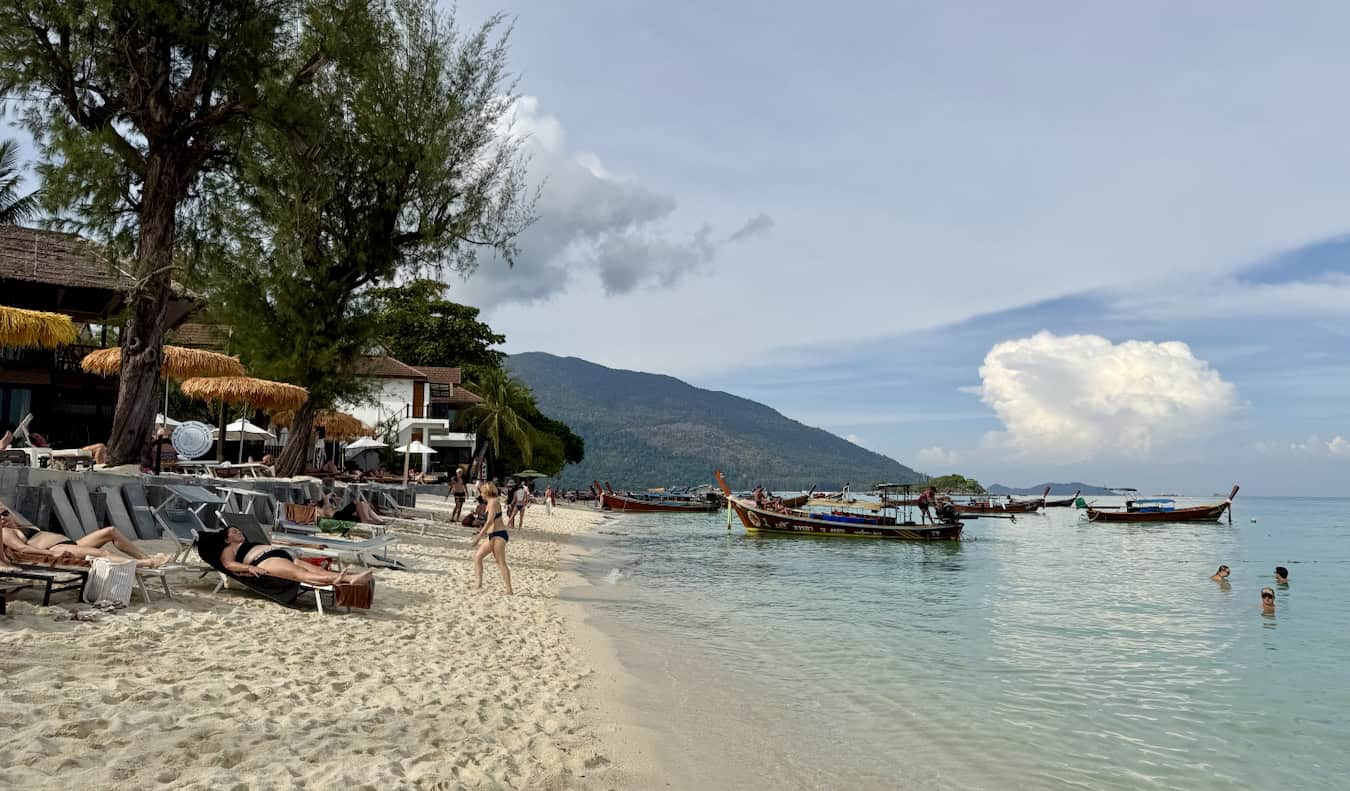
However, the following two decades saw an unprecedented surge in investment and visitor arrivals. By the mid-2010s, the introduction of high-speed ferry links from the mainland and neighboring Langkawi, Malaysia, transformed Ko Lipe into a year-round destination. The construction of concrete roads replaced traditional dirt footpaths, and the expansion of the telecommunications and power grids paved the way for large-scale resort development. By 2024, the island’s landscape had been fundamentally altered, with high-end luxury resorts occupying former palm groves and a bustling "Walking Street" catering to a global demographic.
Infrastructure and Urbanization: Paving Over the Archipelago
The most visible sign of Ko Lipe’s transformation is the radical change in its physical infrastructure. In an effort to accommodate the influx of tourists, local authorities and private developers have moved toward a model of total urbanization. The island’s interior, once dominated by tropical flora and informal trails, is now largely paved with concrete to facilitate the movement of construction vehicles, luggage carts, and motorbikes.
This rapid urbanization has occurred despite the island’s inherent geographic limitations. Ko Lipe lacks a natural freshwater supply, a fact that has not deterred the construction of numerous high-end resorts featuring private swimming pools. These amenities place an immense strain on the island’s resources, requiring the desalination of seawater or the expensive transport of water from the mainland—processes that carry a heavy carbon footprint and contribute to localized environmental stress.
Furthermore, the "build, build, build" mentality has led to a density of construction that many environmentalists deem unsustainable. The lack of comprehensive zoning laws has allowed resorts to encroach upon the high-tide line, exacerbating coastal erosion and limiting public access to the beaches. The architectural shift from temporary, biodegradable materials to permanent concrete structures has permanently altered the island’s thermal profile and aesthetic character.
Environmental Degradation and Marine Impact
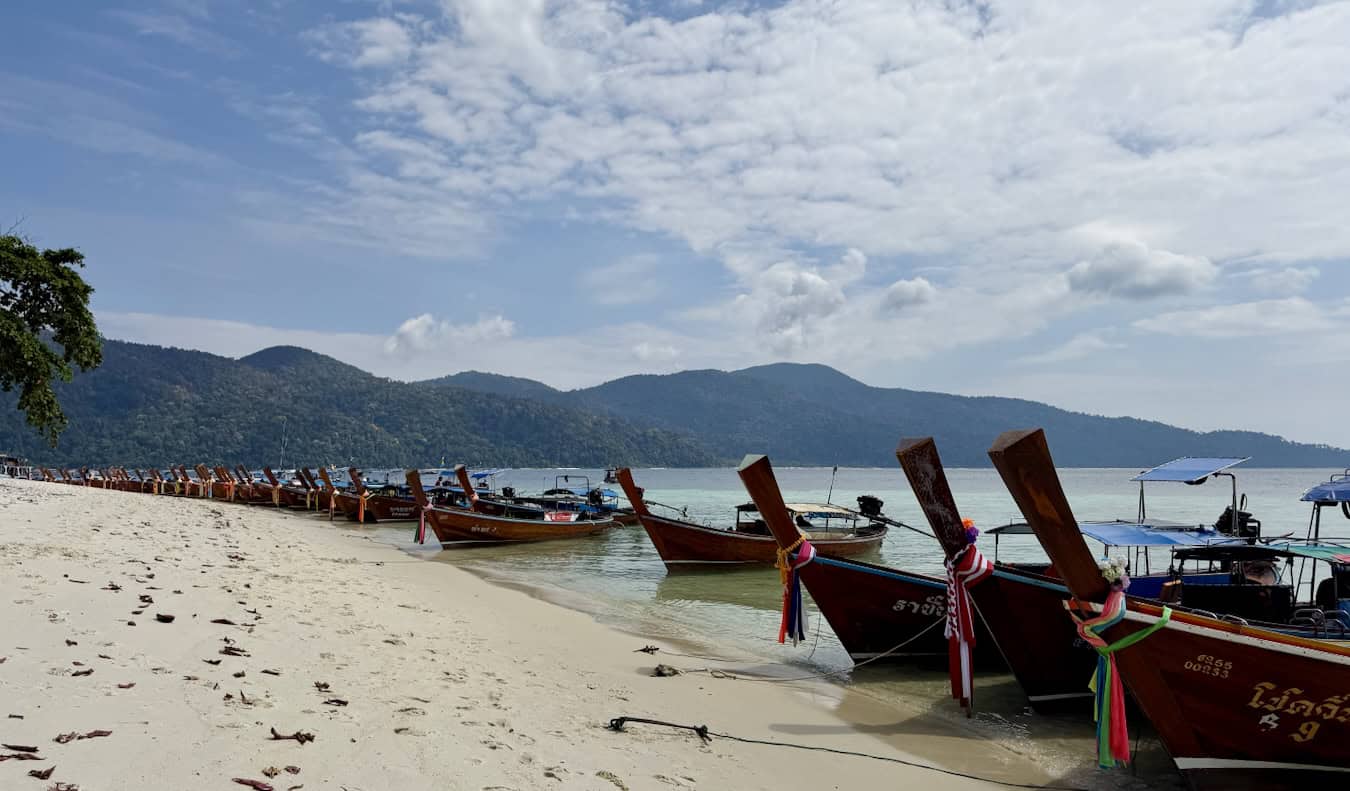
Ko Lipe’s primary draw has always been its status as the gateway to the Tarutao National Marine Park, home to some of the most diverse coral reefs in Southeast Asia. However, the sheer volume of maritime traffic now threatens the very ecosystem that sustains the tourism industry. The beaches, once clear of obstructions, are now lined with hundreds of longtail boats and speedboats.
The environmental consequences of this maritime congestion are multi-faceted:
- Pollution: Boat engines frequently leak fuel and oil into the shallow coastal waters. Observers have noted a visible "shiny film" on the water’s surface near popular swimming areas, accompanied by the persistent smell of exhaust.
- Coral Damage: While the surrounding national park offers some protection, the reefs immediately adjacent to Ko Lipe have suffered from anchor damage, sediment runoff from construction sites, and contact from inexperienced snorkelers.
- Waste Management: The island struggles to manage the waste generated by thousands of daily visitors. Although initiatives like "Trash Hero" have made significant strides in beach cleanups, the underlying issue of plastic consumption and sewage treatment remains a critical challenge for the local administration.
Marine biologists have warned that the warming of ocean temperatures, combined with localized pollution and overfishing to satisfy the demand for seafood in tourist restaurants, has led to significant coral bleaching and a decline in fish populations. The azure waters that once defined Ko Lipe are increasingly compromised by the side effects of its own popularity.
Social Displacement and the Erosion of Local Culture
The human cost of Ko Lipe’s boom is perhaps the most complex aspect of its development. Historically, the island was inhabited by the Urak Lawoi, an indigenous ethnic group often referred to as "Sea Gypsies." For generations, the Urak Lawoi maintained a subsistence lifestyle based on fishing and a deep spiritual connection to the sea.
As land values on Ko Lipe skyrocketed, many local families faced immense pressure to sell their ancestral plots to developers from mainland Thailand or international investment groups. In many cases, these transactions were fraught with legal disputes over land titles, as the Urak Lawoi’s traditional concept of land use often clashed with modern bureaucratic requirements.
Today, much of the island’s workforce is comprised of laborers from the mainland or neighboring countries, while the original inhabitants have been marginalized or moved to less desirable areas of the island. The economic benefits of the tourism boom are often funneled back to large corporations or mainland developers, leaving the local community with limited agency over the island’s future. Furthermore, the culinary and cultural landscape has shifted to accommodate Western and Chinese tourist preferences, with traditional Thai and Urak Lawoi influences being replaced by standardized international fare.
The "Ko Phi Phi Model" and Regional Comparisons
Analysts frequently compare Ko Lipe to Ko Phi Phi, an island that became the global poster child for overtourism following the release of the film The Beach. The "Ko Phi Phi model" is characterized by rapid, unregulated growth that prioritizes short-term profit over long-term ecological health.
While Ko Lipe is currently perceived as being "less developed" than Phuket or Krabi, it is following a similar trajectory. The concern among sustainability experts is that Ko Lipe is repeating the mistakes of its predecessors. In 2018, the Thai government took the drastic step of closing Maya Bay on Ko Phi Phi to allow the ecosystem to recover—a move that was hailed as a success but also highlighted the failures of previous management strategies.
In contrast, other nearby islands such as Ko Lanta, Ko Jum, and Ko Mook have adopted more moderate development paths. These islands have maintained a balance between providing modern amenities and preserving the natural environment. By implementing stricter building codes and encouraging eco-conscious tourism, these destinations offer a viable alternative to the hyper-commercialization seen on Ko Lipe.
Broader Implications and the Role of the Conscious Traveler
The situation on Ko Lipe raises fundamental questions about the ethics of modern travel. As tourism continues to grow globally, the responsibility for sustainability is increasingly shared between governments, developers, and consumers.
The Thai Ministry of Tourism and Sports has expressed a desire to move toward "high-value, low-impact" tourism, yet the reality on the ground at Ko Lipe suggests that volume remains the primary metric of success. Without a significant shift in policy—such as capping daily visitor numbers, enforcing strict waste management protocols, and protecting indigenous land rights—Ko Lipe risks losing the very attributes that made it a world-class destination.
For the traveler, the choice of destination serves as a form of economic voting. The rise of "eco-lodges" and the decline of unethical practices, such as elephant riding, demonstrate that consumer awareness can drive industry change. In the case of Ko Lipe, some travel experts are now advocating for a "strategic avoidance" of the island, suggesting that tourists redirect their patronage to better-managed islands to send a signal to stakeholders that overdevelopment is a deterrent rather than a draw.

Conclusion: A Call for Sustainable Stewardship
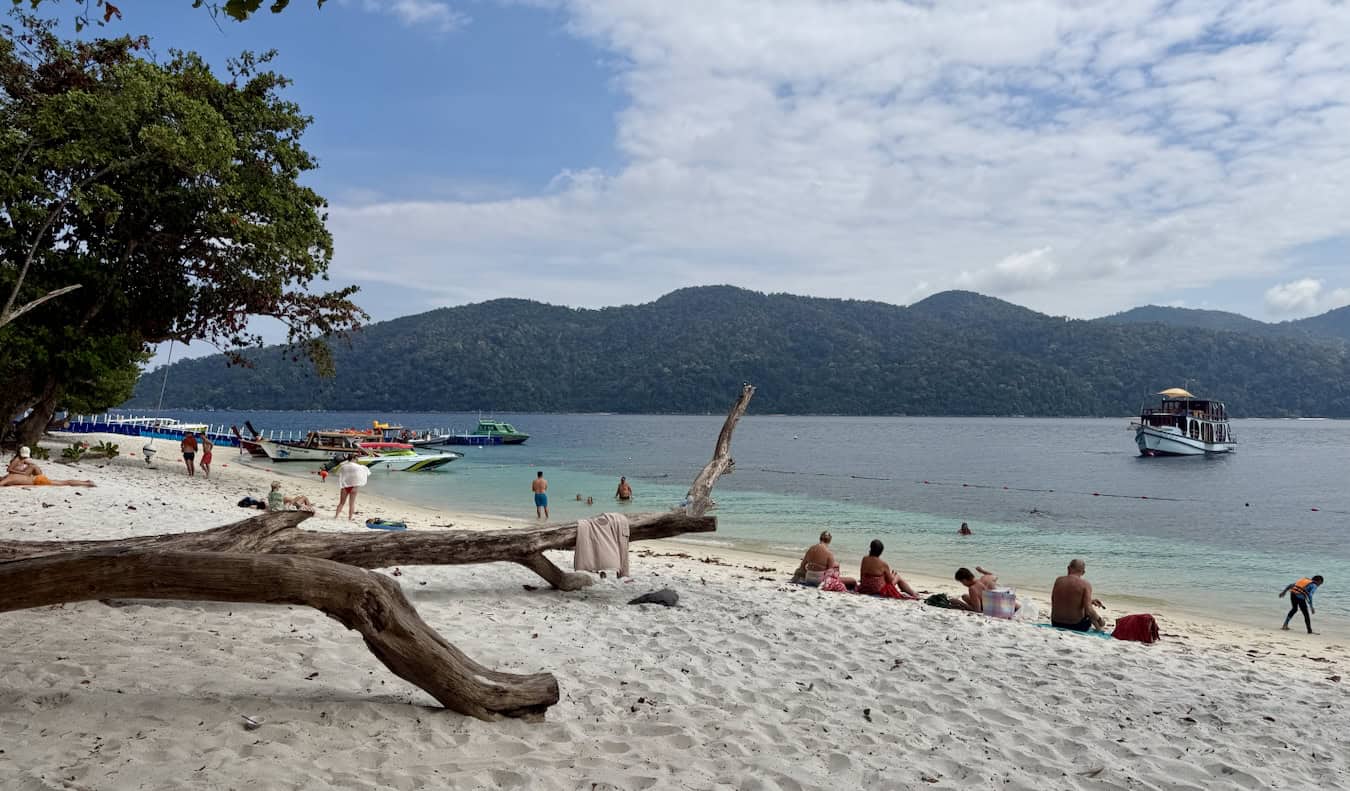
Ko Lipe stands at a crossroads. Its transformation over the last 19 years from a secluded paradise to a congested urbanized island is a testament to the power and the peril of the global tourism industry. While the white sands and azure waters still provide a "postcard-perfect" aesthetic for first-time visitors, the underlying infrastructure and ecological health are in a state of decline.
The path forward requires a transition from exploitation to stewardship. If Ko Lipe is to survive as a viable destination for future generations, there must be a concerted effort to halt further construction, restore damaged reefs, and reintegrate the local community into the island’s economic fabric. Until such measures are taken, Ko Lipe remains a vivid reminder that in the world of travel, "more" is not always "better," and that the preservation of paradise requires more than just a dream—it requires a plan.




 Anjar Salim
 Chandra Hamzah
 Tatiana Tantri Indah Sari
 Budi Mulyono

