
 Diana Nuri Rohmawati
The global travel industry is currently witnessing a significant paradigm shift as travelers increasingly move away from "extractive" tourism toward more immersive, long-term engagement models. For decades, the standard travel experience was defined by a passive consumption of landmarks and local services—a model often criticized for its superficiality and lack of genuine cultural exchange. However, new data and industry trends suggest that a growing demographic of international travelers is seeking to "embed" themselves within local communities through working holidays, internships, and vetted volunteer programs. This shift is being spearheaded by organizations like Global Work & Travel, a leading gap year agency that has facilitated international placements for over 116,000 individuals over nearly two decades.
The Limitations of Traditional and Digital Nomad Models
Historically, travel has been categorized into two main streams: short-term tourism and long-term "budget" travel. In the last decade, the "digital nomad" phenomenon emerged as a third category, promising a lifestyle of remote work and geographic independence. While the digital nomad model offered a way to sustain travel, it often relied on earning in strong currencies while living in lower-cost regions, sometimes creating a "bubble" where travelers interacted primarily with other expats in coworking spaces rather than with the local population.
Industry analysts note that the digital nomad lifestyle requires a level of career stability and remote-ready employment that is inaccessible to many younger travelers. In contrast, the working holiday model—where travelers secure employment within the host country’s local economy—is emerging as a more grounded and accessible alternative. By integrating into the local workforce, travelers transition from being observers to participants, building professional relationships and contributing to the local tax base and economy.
A Chronology of Global Work & Travel’s Impact
Global Work & Travel began its operations nearly 20 years ago, at a time when navigating international work permits and finding reputable overseas employers was a fragmented and risky process. Over the years, the company has expanded its reach across the United Kingdom, Europe, the Americas, Asia, Africa, and the Pacific.
The evolution of their service model reflects broader changes in the travel landscape:
- Early 2000s: Focus on basic work-and-travel placement, primarily in hospitality and agriculture.
- 2010s: Expansion into specialized internships and TEFL (Teaching English as a Foreign Language) certifications to meet the demand for professional development.
- 2020s: Integration of high-tech support systems, such as the gWorld portal, and a heightened focus on ethical volunteering and conservation in response to the "voluntourism" critiques of the previous decade.
The Structural Support for Long-Term Relocation
Moving abroad involves a complex array of logistical hurdles that can deter even experienced travelers. These include securing appropriate visas, finding permanent accommodation, navigating foreign labor laws, and managing transport costs. To mitigate these risks, structured programs provide what industry experts call "scaffolding"—a safety net that includes pre-departure support, visa guidance, and job matching.
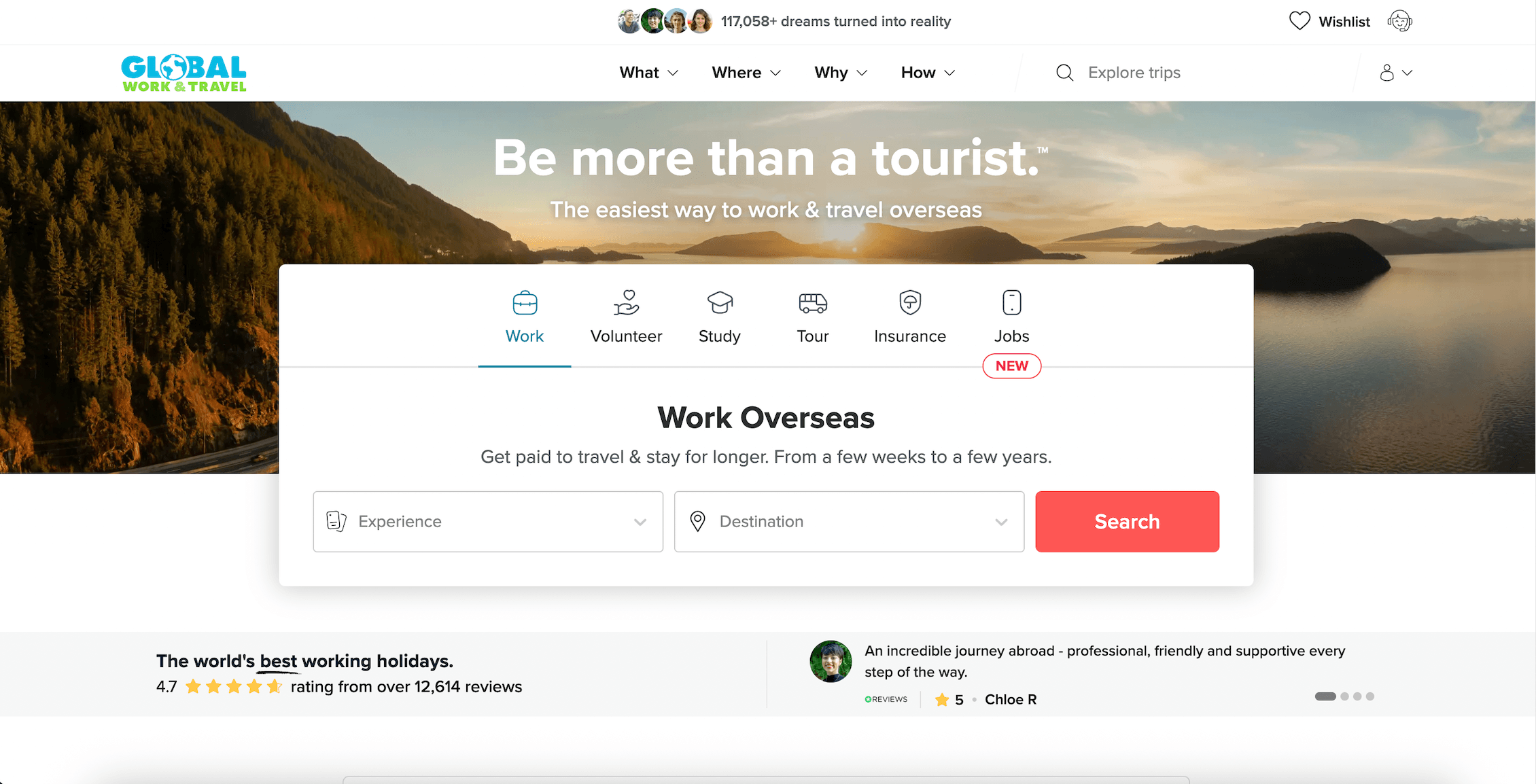
For many, the gWorld community serves as a digital hub for managing these logistics, allowing solo travelers to connect with peers and access ongoing assistance. This structured approach is particularly vital for younger travelers (ages 18–35) who may be utilizing working holiday visa quotas that are often strictly regulated by international treaties.
The Ethics of International Volunteering and Conservation
The volunteering sector has faced intense scrutiny regarding its actual impact on local communities. "Voluntourism" has sometimes been criticized for being profit-driven and providing only superficial benefits. In response, the modern standard for ethical volunteering involves rigorous vetting of programs in fields such as wildlife conservation, community development, education, and healthcare.
In South Africa, for instance, volunteers work alongside conservationists to manage wildlife populations, while in Thailand, programs focus on the rehabilitation of elephants rescued from the tourism and logging industries. These initiatives are often supported by mechanisms like the Global Animal Welfare Fund, which channels resources directly into conservation projects. By working on problems defined by the local communities themselves—such as those in Zanzibar—travelers gain a deeper understanding of regional struggles and contribute to sustainable solutions.
Economic and Professional Implications
The benefits of a working holiday extend beyond personal growth, offering tangible advantages for career development. International work experience is increasingly valued by employers in a globalized economy, as it demonstrates adaptability, cross-cultural communication skills, and initiative.
From a financial perspective, working holidays make long-term travel more sustainable. Rather than depleting savings over a few weeks of high-intensity sightseeing, participants earn a local wage that covers their living expenses. This allows for a "slow travel" approach, where individuals can discover hidden regional spots and develop a nuanced understanding of a country’s social fabric over the course of six to twelve months.
Host Community and Employer Perspectives
Logically inferred from the growth of these programs is the positive reception from host communities and employers. In regions facing seasonal labor shortages, such as the hospitality sectors in the UK or the agricultural sectors in Australia and Canada, working holiday makers provide a vital workforce. Unlike transient tourists, these workers stay for extended periods, becoming regular patrons of local businesses and contributing to the social life of smaller towns and rural areas.
Furthermore, community-led volunteer projects benefit from a steady stream of motivated individuals who provide the manual labor or specialized skills (such as teaching) necessary to sustain long-term initiatives. When these programs are properly managed, they foster a mutual exchange where the traveler gains knowledge and the community receives dedicated support for their self-defined priorities.
Frequently Asked Questions and Logistical Considerations
For those considering an extended stay abroad, several practical questions frequently arise regarding eligibility and timing:
- Experience Requirements: Most working holiday positions require only basic work experience. However, specialized tracks like teaching often include mandatory training, such as TEFL certification, as part of the program package.
- Age Limitations: While working holiday visas are typically capped at age 35 due to international government agreements, volunteer and teaching programs often have a much broader range, accepting participants from ages 18 to 80.
- Planning Timeline: Due to visa quotas and the complexities of job matching, experts recommend beginning the application process 6 to 12 months in advance.
- Financial Security: Modern travel organizations have implemented "lifetime deposit" policies, ensuring that initial payments remain valid even if a traveler’s plans change. This provides a layer of consumer protection that was largely absent in the industry a decade ago.
The Broader Impact on the Travel Industry
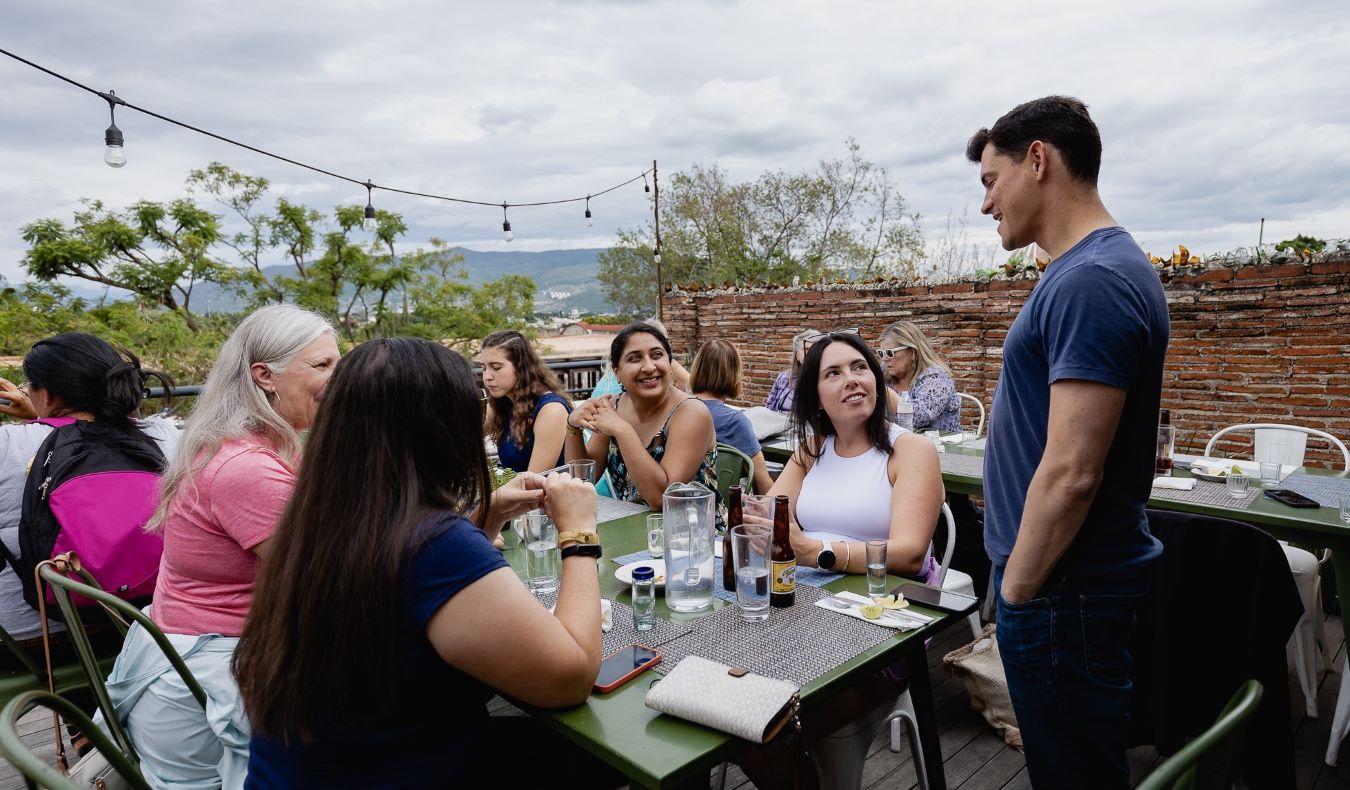
The rise of "deep travel" is forcing the broader travel industry to reconsider its offerings. There is a growing demand for authenticity over artifice. The moments that travelers report as being the most transformative are rarely the visits to famous landmarks, but rather the instances of genuine connection—sharing a meal with a coworker in a foreign city, successfully navigating a local bureaucratic process, or seeing the tangible results of a conservation project.
By removing the logistical barriers to these experiences, the industry is making "deep travel" accessible to a wider audience. This shift suggests that the future of travel lies not in seeing more places, but in staying longer and contributing more meaningfully to the places we visit.
Essential Resources for the Modern Traveler
To successfully transition from a tourist to a long-term resident, travelers are encouraged to utilize a suite of specialized tools. Finding cost-effective transport remains a priority, with search engines like Skyscanner allowing for the identification of budget-friendly flights across global airlines. For accommodation, platforms like Hostelworld and Booking.com remain the standard for finding everything from social hostels to private guesthouses.
Furthermore, the importance of comprehensive travel insurance cannot be overstated. Protecting against illness, injury, theft, and cancellations is a fundamental requirement for any long-term stay. As the travel landscape continues to evolve, the integration of financial tools—such as travel-reward credit cards—and activity marketplaces like Get Your Guide allows travelers to customize their experiences while maintaining a sustainable budget.
In conclusion, the movement toward working holidays and ethical volunteering represents a maturation of the travel industry. It reflects a desire for a more responsible, engaged, and life-changing way to see the world. As more individuals choose to work and live abroad, the boundaries between "traveler" and "local" continue to blur, leading to a more interconnected and empathetic global community.


 Anjar Salim
 Chandra Hamzah
 Tatiana Tantri Indah Sari
 Budi Mulyono
 Lukman Taruna Persada Ramadan
