
 Diana Nuri Rohmawati
Ko Lipe, an island situated within the Adang-Rawi Archipelago in the Andaman Sea, has undergone a radical transformation over the past two decades, evolving from a remote, off-the-grid outpost into a high-density tourist destination. Once characterized by its limited infrastructure and seasonal accessibility, the island now serves as a primary case study for the challenges of rapid, often unregulated tourism development in Southeast Asia. Observers and long-term visitors report that the island, which is part of the Tarutao National Marine Park, is currently grappling with severe environmental degradation, the displacement of indigenous populations, and a strained resource management system that threatens its long-term viability as a sustainable travel destination.
Historical Context and the Evolution of Tourism
In the mid-2000s, Ko Lipe was widely regarded as one of Thailand’s last "hidden" frontiers. Access was difficult, often requiring multi-stage boat transfers, and the island lacked a permanent electricity grid. Tourism was largely confined to small-scale, locally owned bungalow operations catering to budget-conscious travelers and backpackers. During this period, the island’s infrastructure consisted of dirt footpaths, and the economy was centered around the subsistence activities of the local Urak Lawoi community, also known as "Sea Gypsies."
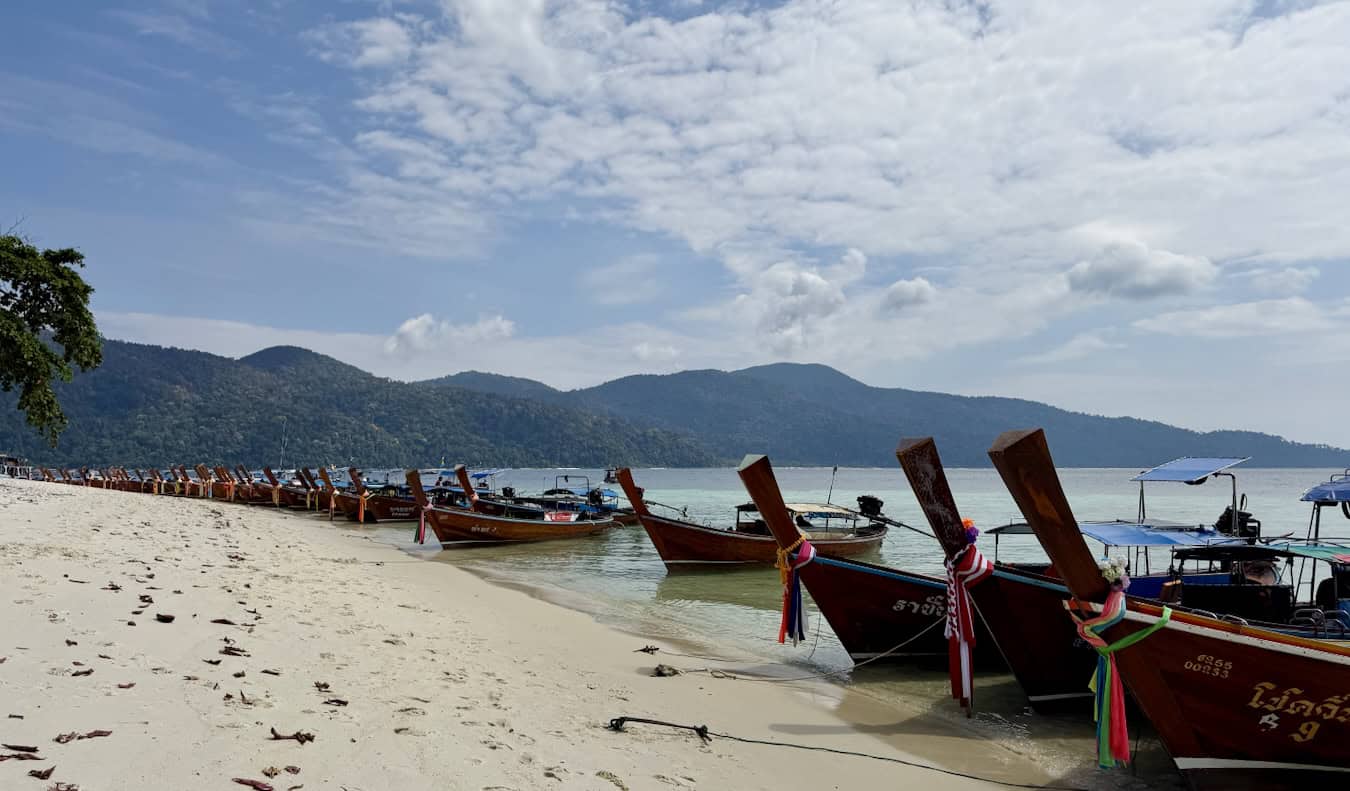
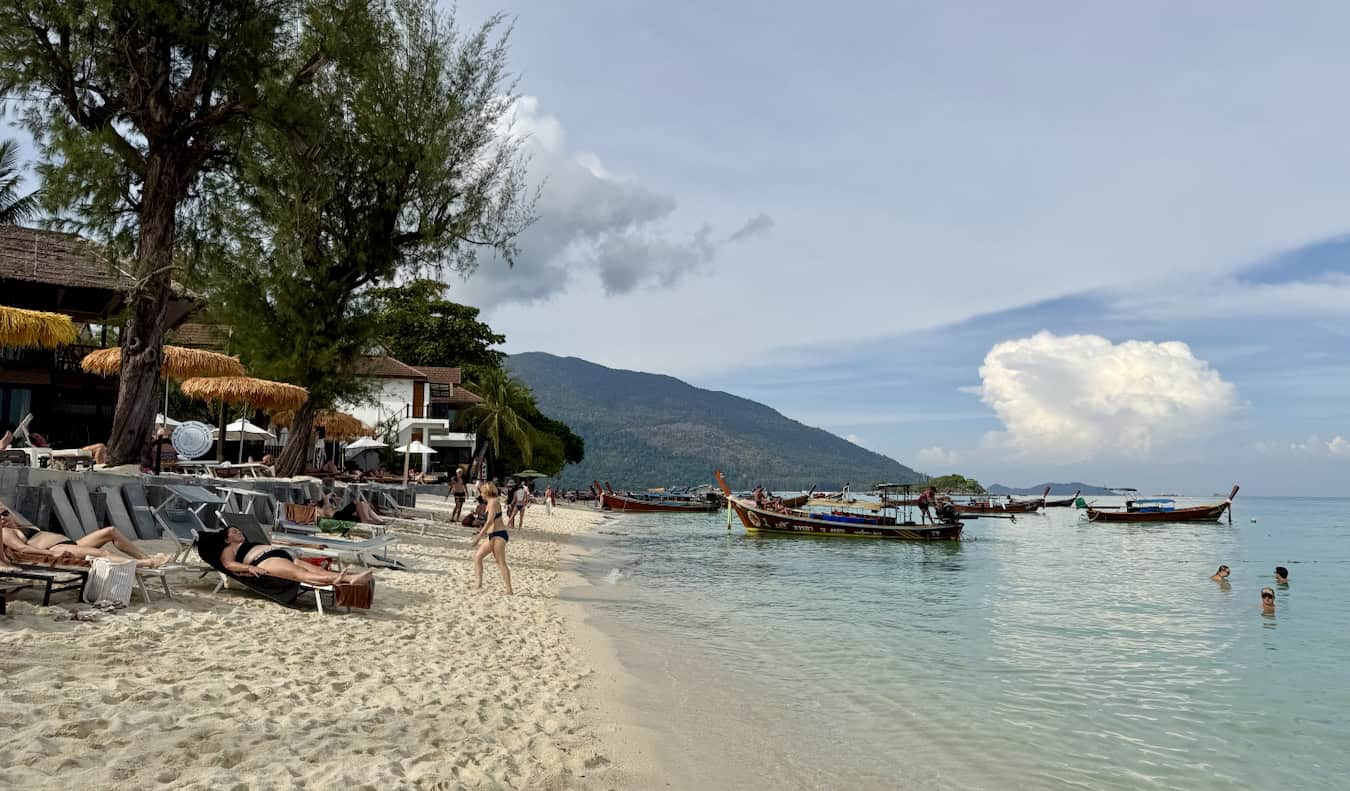
By 2010, the trajectory of the island began to shift as improvements in transportation and the proliferation of digital travel media increased its global profile. The "last boat" era, where the island became virtually inaccessible during the monsoon season, ended as year-round ferry services were established from the mainland and neighboring international ports like Langkawi, Malaysia. This accessibility catalyzed a construction boom that has continued largely unabated for nearly 15 years. Today, the primitive bungalows that once defined the shoreline have been replaced by high-end resorts, multi-story hotels, and paved roads designed to accommodate motorized transport and construction vehicles.
Environmental Degradation and Resource Scarcity
The most visible impact of Ko Lipe’s rapid expansion is the degradation of its natural environment. As a small island with no natural freshwater springs or significant groundwater reserves, Ko Lipe’s reliance on imported water and energy-intensive desalination has created an ecological imbalance. The construction of luxury resorts featuring private swimming pools has exacerbated this water scarcity, placing an immense burden on the island’s limited infrastructure.
Marine biologists and environmental advocates have noted a significant decline in the health of the coral reefs surrounding the island. The factors contributing to this decline include:
- Sedimentation and Pollution: Construction runoff and the lack of a centralized sewage treatment system have led to increased nutrient levels in the coastal waters, fueling harmful algal blooms and smothering coral colonies.
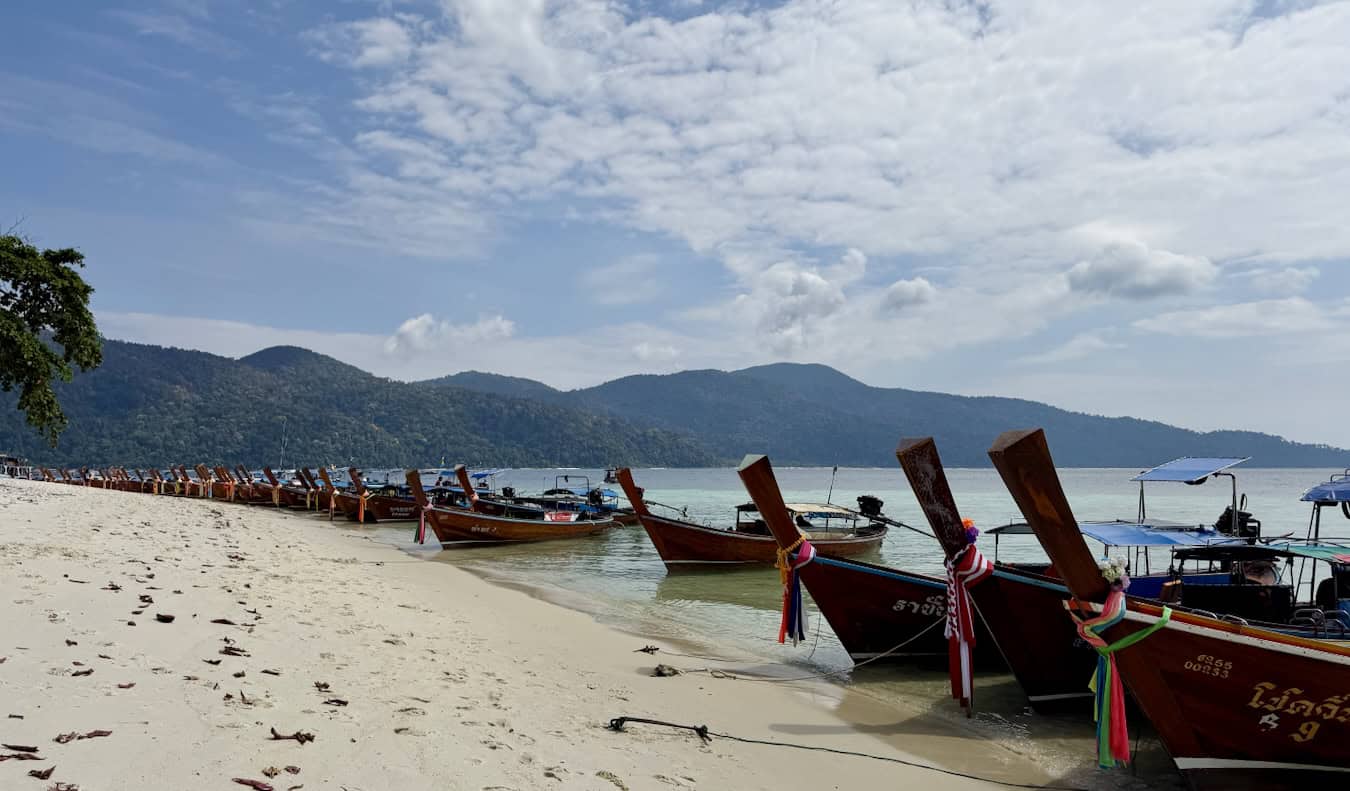
- Marine Traffic: The sheer volume of long-tail boats and high-speed ferries required to transport thousands of daily visitors has led to physical damage from anchors and a persistent film of petroleum-based exhaust on the water’s surface.
- Overfishing: To meet the culinary demands of the tourism sector, local fish stocks have been depleted, disrupting the delicate balance of the marine ecosystem within the national park boundaries.
The transition from dirt paths to concrete roads has also altered the island’s drainage patterns. During the rainy season, the lack of permeable surfaces leads to flash flooding and the direct discharge of urban pollutants into the sea, further compromising the "azure blue" waters that originally attracted visitors to the region.
Socioeconomic Shifts and Local Displacement
The economic benefits of Ko Lipe’s tourism boom have not been distributed equitably. Historically, the Urak Lawoi were the primary inhabitants of the island, holding ancestral claims to the land. However, as land values skyrocketed, many locals were pressured or legally maneuvered into selling their plots to mainland developers and international corporations. This has resulted in a significant displacement of the indigenous population, many of whom have moved to less desirable parts of the island or left entirely.
Furthermore, the island’s workforce has seen a demographic shift. A substantial portion of the hospitality and construction labor is now comprised of migrant workers from the Thai mainland or neighboring countries. While tourism provides jobs, the profits generated by high-end resorts often flow back to corporate headquarters in Bangkok or overseas, leaving the local community with limited long-term capital for sustainable development. The cultural landscape has similarly shifted; the traditional Thai and Urak Lawoi influences are increasingly overshadowed by Western-style amenities and globalized dining options designed to cater to international tastes rather than showcase local heritage.
Comparative Analysis of the Thai Tourism Model
Ko Lipe’s development mirrors the "Ko Phi Phi model," a term used by urban planners to describe the over-saturation of small islands to the point of ecological collapse. Ko Phi Phi Leh’s Maya Bay gained international notoriety when it was forced to close to the public in 2018 to allow for the recovery of its decimated coral reefs and shark populations. Experts suggest that Ko Lipe is on a similar path, where the short-term economic gains of "build, build, build" are prioritized over the preservation of the natural assets that drive the economy.
In contrast, other islands in the Andaman region, such as Ko Lanta, Ko Jum, and Ko Mook, have maintained a more balanced approach to growth. These islands have generally implemented stricter zoning laws and have focused on lower-density tourism, which places less stress on the environment and allows for a more authentic integration of local culture. The comparison highlights a growing divide in Thai tourism policy between mass-market exploitation and managed sustainability.
Institutional Responses and Regulatory Challenges
The Thai Department of National Parks, Wildlife and Plant Conservation (DNP) is tasked with the management of the Tarutao National Marine Park, which includes Ko Lipe. However, enforcing environmental regulations on the island has proven difficult due to the complex overlap of private land titles and protected park status. While the DNP has the authority to limit visitor numbers and regulate boat traffic, the momentum of the existing development often outpaces the implementation of new protections.
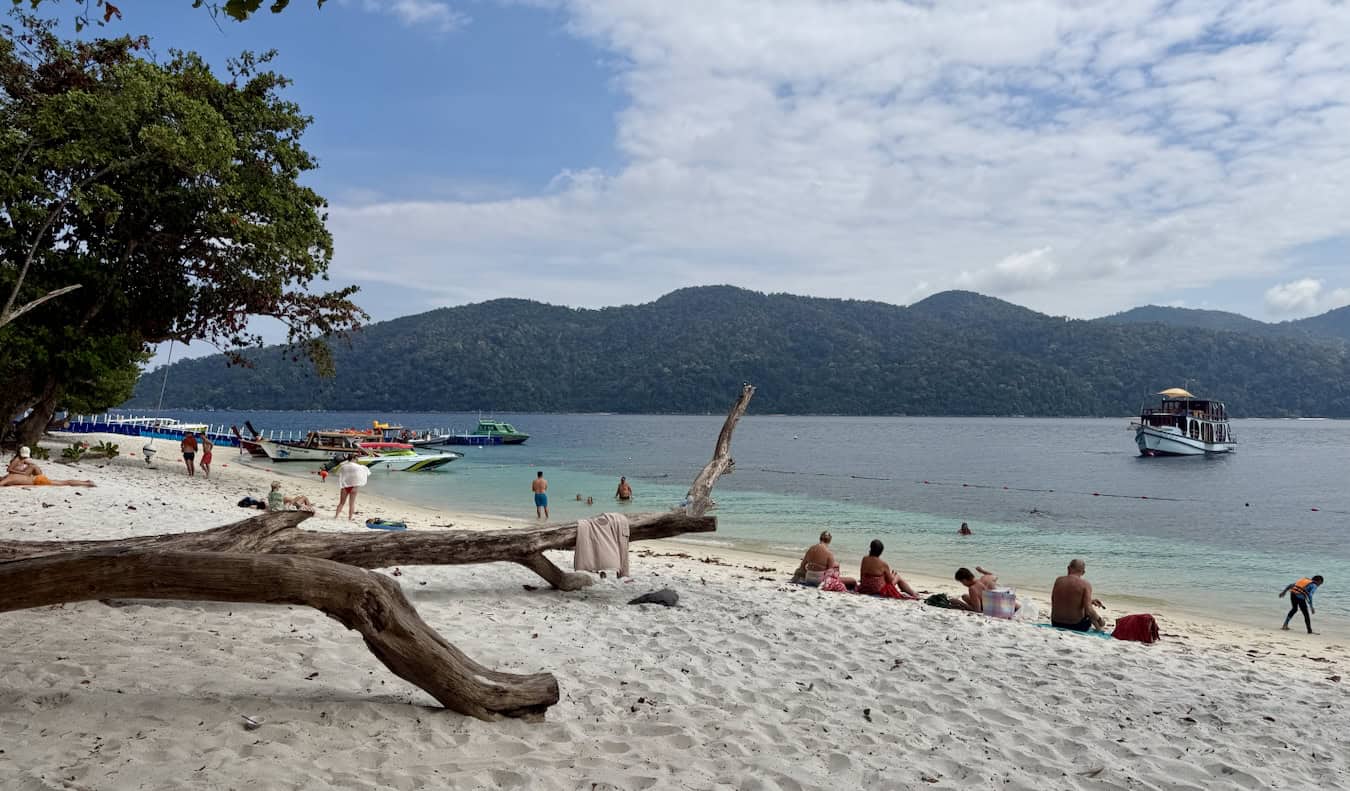
In recent years, the Thai government has shown a greater willingness to intervene in cases of extreme overtourism. The success of the Maya Bay closure demonstrated that environmental recovery is possible when human activity is strictly curtailed. However, Ko Lipe presents a more complex challenge because it has a permanent resident population and a much larger infrastructure footprint than Maya Bay, making a total closure unlikely and logistically difficult.
Broader Implications for Global Travelers
The situation on Ko Lipe reflects a broader global conversation regarding the ethics of travel and the responsibility of the consumer. As overtourism becomes a critical issue in destinations ranging from Venice to Bali, the role of the individual traveler is being re-examined. Market trends suggest that a shift in consumer behavior can influence government policy and corporate practices. The decline of elephant trekking in Thailand, driven by increased awareness of animal welfare, is often cited as an example of how conscious travel choices can lead to industry-wide reform.
For Ko Lipe, the path forward remains uncertain. While the island remains "postcard perfect" to the casual observer, the underlying ecological and social data suggest a system in crisis. Environmentalists argue that without a significant reduction in tourist volume and a moratorium on new construction, the island’s primary attractions—its crystal-clear water and vibrant marine life—may be permanently lost.
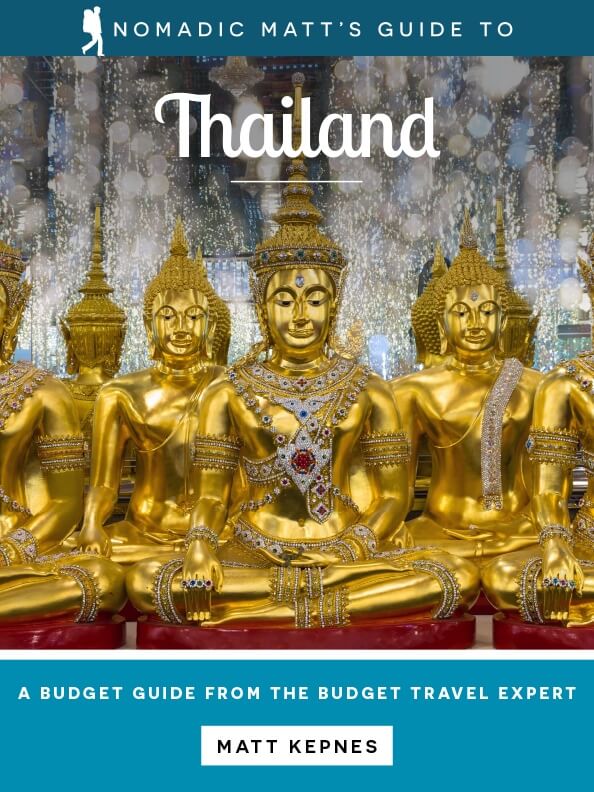
The recommendation from many sustainable travel experts is a tactical pivot toward better-managed destinations. By choosing to visit islands that prioritize environmental stewardship and local empowerment, travelers can send a clear economic signal that the current model of overdevelopment is no longer acceptable. The future of Ko Lipe may depend less on the arrival of the "next boat" and more on the collective decision of the global travel community to demand a more sustainable and respectful approach to exploring the world’s fragile island ecosystems.




 Anjar Salim
 Chandra Hamzah
 Tatiana Tantri Indah Sari
 Budi Mulyono
 Lukman Taruna Persada Ramadan
