Chandra Hamzah
Australia’s vital tourism sector has voiced significant disappointment following the Federal Government’s decision to increase the Passenger Movement Charge (PMC), a move industry leaders warn will undermine the nation’s international competitiveness and exacerbate the exodus of cruise capacity from Australian waters. The budget announcement, confirmed by Treasurer Jim Chalmers, signals a rise in the departure tax from $70 to $80 per passenger, effective January 1, 2027. This increase will affect all international travellers departing Australia, encompassing holidaymakers, business visitors, and cruise passengers alike.
The Cruise Lines International Association (CLIA) Australasia has labelled the timing of this increase as particularly detrimental, occurring at a critical juncture for a tourism industry still in the recovery phase post-pandemic and contending with escalating operational expenditures. "Increasing the Passenger Movement Charge places yet another burden on travellers at a time when the tourism community is working hard to overcome challenges at home and overseas," CLIA stated in a recent release. The association further highlighted Australia’s already high departure fees, asserting that they contribute to the rising cost of international travel and act as a disincentive for potential overseas visitors.
This decision is seen as especially disheartening by CLIA, given their consistent warnings about Australia’s diminishing attractiveness to international cruise operators. "This increase is particularly disappointing at a time when the cruise community has been highlighting Australia’s loss of cruise tourism to other regions, and it is a further blow to the country’s competitiveness," CLIA commented, underscoring the growing concern within the industry.
The Widening Gap: Australia’s Declining Cruise Capacity
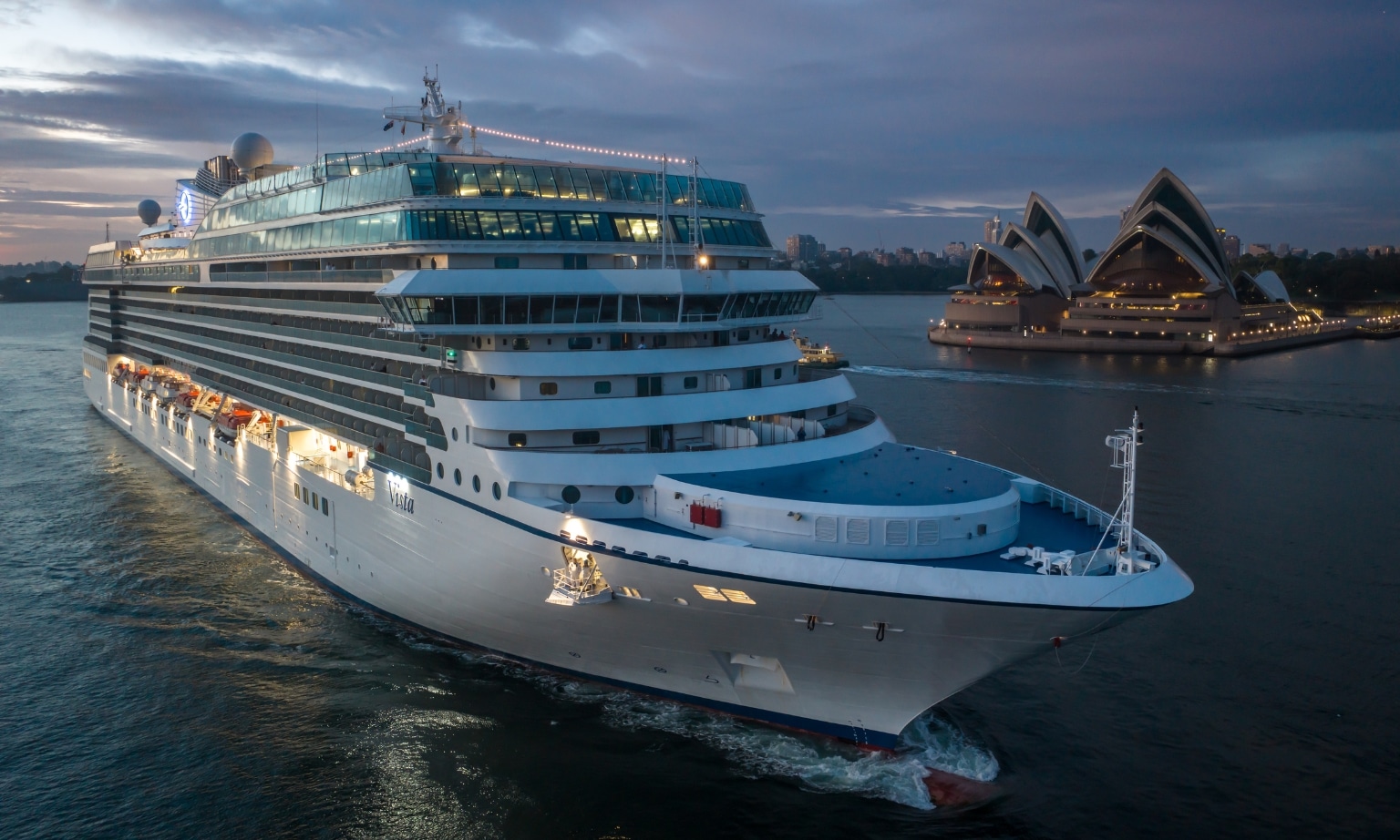
For over two years, Cruise Passenger has been documenting a discernible trend of cruise ships being redeployed away from Australian itineraries towards destinations in Asia, Europe, and North America. This strategic shift by major cruise lines is attributed to aggressive tourism growth strategies employed by these regions, often bolstered by significant infrastructure investments and coordinated policy frameworks designed to attract and retain cruise operations.
Leading cruise companies, including Carnival Cruise Line, Royal Caribbean, and Princess Cruises, have collectively scaled back their presence in Australia in recent seasons. The absorption of P&O Australia into Carnival Cruise Line, marking the end of one of the country’s most recognisable local cruise brands, serves as a stark indicator of this contraction. Industry stakeholders have repeatedly argued that Australia lacks a comprehensive, whole-of-government tourism strategy that can effectively compete with established hubs such as Singapore and Japan, as well as emerging Asian cruise destinations that offer more competitive tax regimes, streamlined regulatory processes, and substantial investment in port facilities.
Furthermore, cruise executives have pointed to a confluence of rising operational costs within Australia. These include substantial expenses related to pilotage services, biosecurity screenings, customs processing, and various state-based port charges, all of which contribute to the overall cost of deploying and operating cruise vessels in Australian waters. The impending increase in the Passenger Movement Charge now represents an additional layer of financial imposition on these already complex cost structures.
Industry Voices: A Call for Reinvestment and Strategic Vision
In response to the PMC hike, CLIA has reiterated its long-standing proposal for the revenue generated from this charge to be directly reinvested into modernising Australia’s border and passenger processing systems, benefiting both aviation and cruise sectors. "CLIA continues to support calls for PMC revenue to be reinvested in the modernisation of Australia’s border processes for aviation and cruise," the organisation stated, emphasizing the sector’s view that such an investment would yield tangible improvements for traveller experience and operational efficiency.
Margy Osmond, Chief Executive of the Tourism and Transport Forum, has also voiced strong criticism of the tax increase, describing it as "outrageous" and warning of its potential to jeopardise Australia’s nascent tourism recovery. The absence of a clear government directive to allocate the additional PMC revenue towards tourism or border infrastructure improvements has reignited criticisms from the sector, with many perceiving the charge as a general revenue-raising measure rather than a tool for sector development.
Australia’s PMC is already positioned among the highest departure taxes globally. When compounded with the country’s geographical remoteness and the escalating cost of airfares, tourism operators express grave concerns that this latest increase could significantly deter inbound visitation. International arrivals from several key markets still remain below pre-pandemic levels, making this an especially sensitive period for such fiscal adjustments.
A Global Context and Australia’s Unique Cruise Challenge
The introduction of higher departure taxes is not an isolated phenomenon, as Australia’s PMC increase occurs within a broader global trend of increasing tourism-related levies. For instance, travellers in Victoria are already subject to a 7.5% short-stay accommodation levy, implemented in January 2025 on platforms like Airbnb and Stayz. Internationally, popular European destinations such as Spain and Italy are actively increasing their city tourism taxes, while Thailand is preparing to introduce a 300 Baht entry fee for international visitors later this year.
However, industry leaders within the cruise sector argue that Australia’s challenge is distinct due to the highly competitive global market for cruise ship deployment. Unlike airlines, which have more fixed operational bases, cruise lines possess the flexibility to reposition their vessels relatively rapidly to regions offering more favourable operating costs and robust government support. This agility means that destinations perceived as less economically viable or strategically supportive can quickly see their cruise capacity diminish.
Cruise Passenger has consistently advocated for the implementation of a national cruise strategy. Such a strategy would necessitate collaborative efforts between federal and state governments, tourism bodies, port authorities, and industry stakeholders to effectively reverse the current decline in Australian cruise capacity. Industry advocates warn that without immediate and decisive action, Australia risks not only losing valuable cruise ship calls but also forfeiting the billions of dollars in economic activity that cruise tourism generates for local businesses, regional ports, hotels, restaurants, and tour operators. With the confirmation of another tax increase, cruise executives fear that Australia’s position in global deployment discussions, which are already heavily influenced by the appeal of Asian and European markets, will become even more precarious. The long-term implications of these decisions could significantly impact regional economies and Australia’s overall standing as a desirable international tourism destination.


 Gabriela Annisa
 Tatiana Tantri Indah Sari
 Budi Mulyono
 Anjar Salim