
 Anjar Salim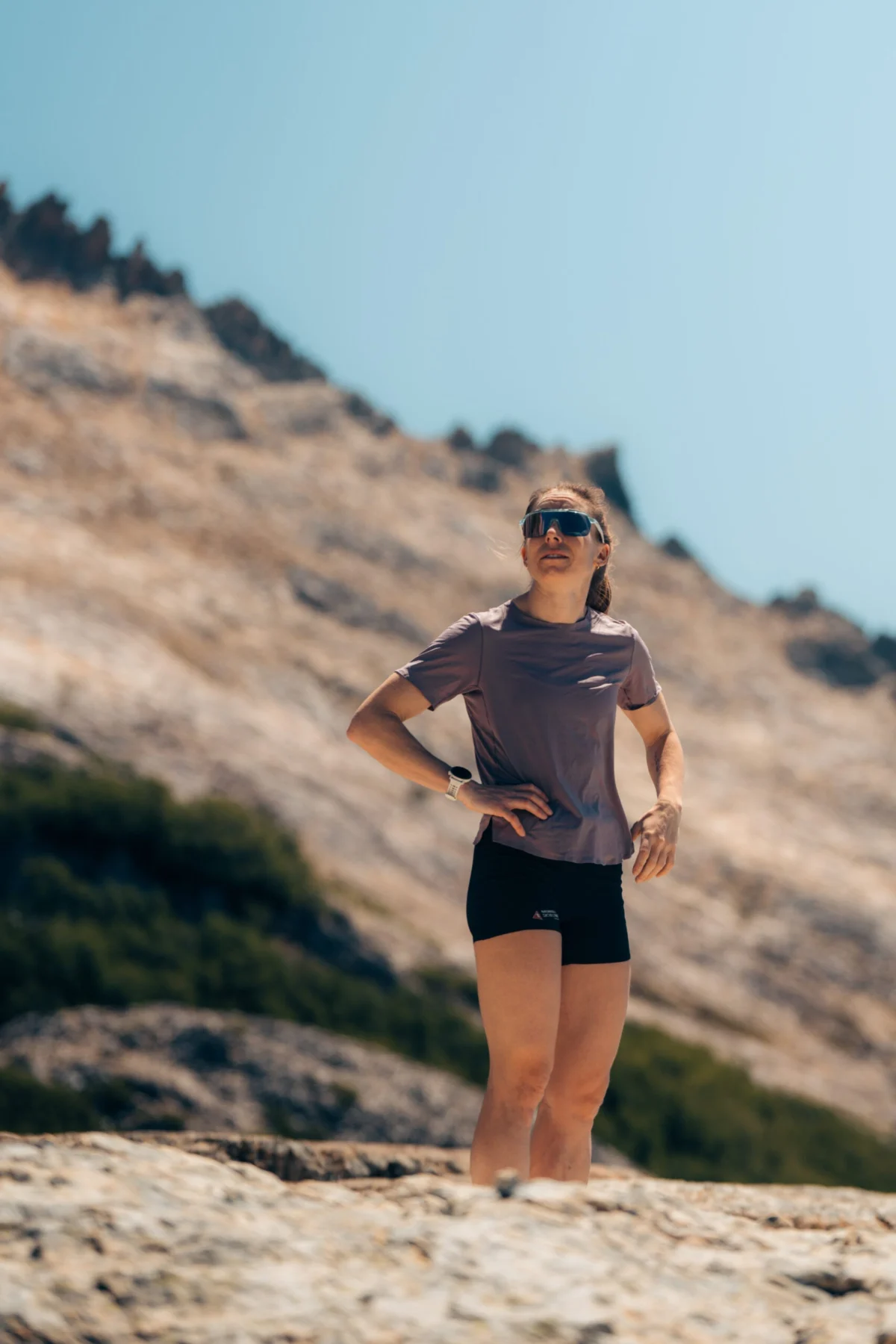
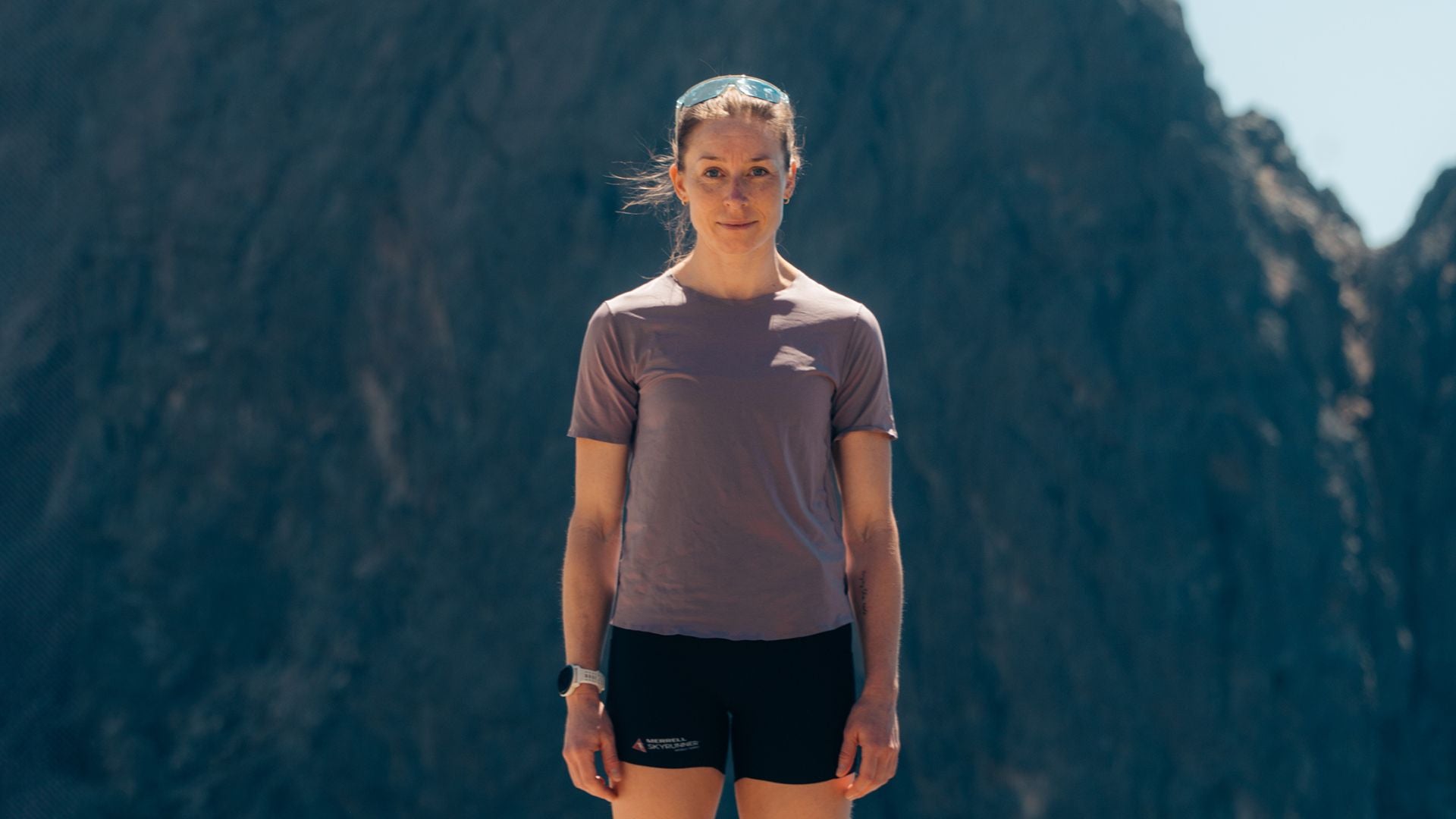
Two weeks after elite Canadian trail runner Kalie McCrystal vanished during a reconnaissance run on the Matterhorn, her grieving family has broken their silence, concluding that the accomplished athlete suffered a fatal fall during her descent. McCrystal, 38, disappeared on September 1, 2026, while preparing for an ambitious speed record attempt on one of Europe’s most formidable and legendary peaks. Despite an exhaustive, multi-day international search and rescue operation that utilized advanced aerial technology, ground teams, and alpine experts, authorities ultimately suspended the search without locating her or her remains.
In a poignant joint statement issued to the media, Kalie’s mother, Wendy Cooper, and sister, Jody McCrystal, expressed their profound sorrow while reflecting on the life, career, and enduring legacy of an athlete who defined her existence through passion for the mountains. The family’s revelation brings a heartbreaking sense of closure to an intense fortnight of global anxiety within the international mountain running and skyrunning communities, offering a clear, sobering perspective on theinherent risks of elite alpine pursuits.
The Timeline of Disappearance and Search Operations
The sequence of events began in late August and early September 2026, centering on the Italian side of the Matterhorn, which sits at an elevation of 14,692 feet on the border between Switzerland and Italy in the Pennine Alps. McCrystal, recognized globally for her exceptional technical skills, endurance, and deep experience in extreme alpine terrain, had traveled to Europe with a specific objective: to break the women’s fastest known time (FKT) on the mountain.
The existing record had been established just weeks prior, on August 9, 2026, by Karina Andersen, who completed the route in 5 hours, 14 minutes, and 53 seconds. McCrystal targeted an even more aggressive benchmark, aiming to complete the iconic route in under five hours. On September 1, she embarked on a critical reconnaissance mission, scaling the Lion Ridge—the primary route to the summit from the Italian side.
McCrystal successfully reached the 14,682-foot summit, a milestone verified by fellow elite runner and friend Hillary Gerardi, who was also operating in the region. However, tragedy struck during the descent. When McCrystal failed to return, Gerardi raised the alarm, prompting an immediate mobilization of regional emergency services.
The ensuing search effort was both massive and technically demanding. Italy’s Guardia di Finanza mountain rescue team deployed specialized alpine personnel to scour the perilous slopes of Lion Ridge. The operation was augmented by high-tech aerial drones capable of navigating vertical rock faces, ground witnesses, and international diplomatic channels. The Royal Canadian Mounted Police (RCMP) and the Canadian Embassy provided critical logistical support to McCrystal’s family during the ordeal.
Despite days of relentless searching under increasingly difficult weather and terrain conditions, no trace of McCrystal was discovered. Eight days after the operation began, Italian authorities officially suspended the search, determining that further efforts on the unstable, high-risk terrain would endanger rescue personnel without yielding new results.
Understanding the Hazards of the Matterhorn
The Matterhorn is widely regarded as one of the most majestic yet unforgiving peaks in the world. Rising precipitously from the surrounding landscape, it presents a combination of extreme altitude, unpredictable weather, crumbling rock, and sheer vertical exposure that tests even the most seasoned mountaineers.
Statistical data from the Zermatt Tourism Board and alpine safety archives underscore the grim reality of the mountain. Approximately 3,000 climbers attempt to reach the summit each year. However, the mountain demands a heavy annual toll, claiming an average of six lives per annum. Historical records suggest that over the past 160 years, the Matterhorn has been the site of roughly 600 fatalities.
The Lion Ridge, while technically considered the standard Italian route, involves sustained scrambling, exposed climbing up to grade III difficulty, and immense physical exertion—factors that are exponentially magnified when athletes attempt to move across the terrain at high speeds during light-and-fast skyrunning endeavors.
Family Statement and Tributes
The full statement released by Wendy Cooper and Jody McCrystal captures the depth of their grief, as well as their immense gratitude for the global network of support that materialized in the wake of the tragedy.
"It has been two weeks since our dearest Kalie went missing during a reconnaissance on the Matterhorn," the family stated. They commended the Guardia di Finanza mountain rescue team, praising their unwavering professionalism, kindness, and commitment. They also extended heartfelt thanks to the RCMP, the Canadian Embassy, and specifically highlighted Hillary Gerardi for her indispensable role in raising the alarm and supporting the family through the darkest hours of the search.
Reflecting on the nature of the accident, the family confronted the harsh realities of the terrain. "The Matterhorn is as majestic as it is unforgiving. Despite Kalie’s exceptional skill and experience in technical mountain terrain, including her previous experience on the Matterhorn itself, everything we now know suggests she fell while descending."
They acknowledged the painful finality of the suspended search. "Despite the efforts of so many over the past weeks, the search has not led us to Kalie. This is not the outcome any of us had hoped for, and it is very difficult to accept."
Yet, amidst the overwhelming sorrow, the family emphasized McCrystal’s vibrant spirit and the profound impact she left on the communities she inhabited, noting her presence in Squamish, British Columbia, and across the international skyrunning circuit.
"Kalie was an incredibly special person. She moved through life with equal parts determination and fun," her mother and sister wrote. "Her absence will undoubtedly leave a huge hole in the communities she was so invested in, across Skyrunning, Squamish and beyond. For our family, things will never be the same again. Kalie meant so much to us as a sister and daughter, and the loss of her is something we will carry with us forever."
Concluding their statement, the family found a measure of solace in the manner in which McCrystal lived her life. "While we desperately wish we could have found her, we find peace in knowing that she was doing what made her feel most alive until her very last moments, and that she remains among the mountains where she felt most at home."
Broader Implications for the Trail and Skyrunning Communities
The disappearance and presumed death of Kalie McCrystal have sent shockwaves through the endurance sports world, prompting widespread reflection on risk assessment, the evolution of speed records in extreme alpine environments, and the mental toll placed on athletes who push the boundaries of human potential.
In recent years, the intersection of trail running and high-altitude mountaineering—often categorized as skyrunning or fastpacking—has experienced explosive growth. Athletes are increasingly applying endurance running tactics to technical terrain traditionally reserved for slow-moving, heavily geared mountaineers. While this discipline unlocks unprecedented levels of athletic achievement, it also strips away traditional safety margins, such as heavy ropes, anchors, and extended bivouac gear, which are often jettisoned in the name of speed and efficiency.
In the wake of McCrystal’s accident, fellow athletes, coaches, and industry leaders have engaged in deep discussions regarding the delicate balance between ambition and survival in high-risk alpine zones. Experts note that while elite runners possess extraordinary cardiovascular fitness and footwork, the objective hazards of mountains like the Matterhorn—such as sudden rockfall, hidden ice, and sheer exposure—remain entirely indifferent to an athlete’s skill level or physical conditioning.
Despite these sobering realizations, the prevailing sentiment within the outdoor community is one of deep respect for McCrystal’s trailblazing career. As friends, family, and fellow competitors organize informal memorials and virtual tributes across North America and Europe, her legacy is being cemented not merely by the records she pursued, but by the infectious joy, rigorous dedication, and profound love for the natural world that characterized every stride she took.

 Budi Mulyono
 Lukman Taruna Persada Ramadan
 Chandra Hamzah
 Tatiana Tantri Indah Sari