
 Chandra Hamzah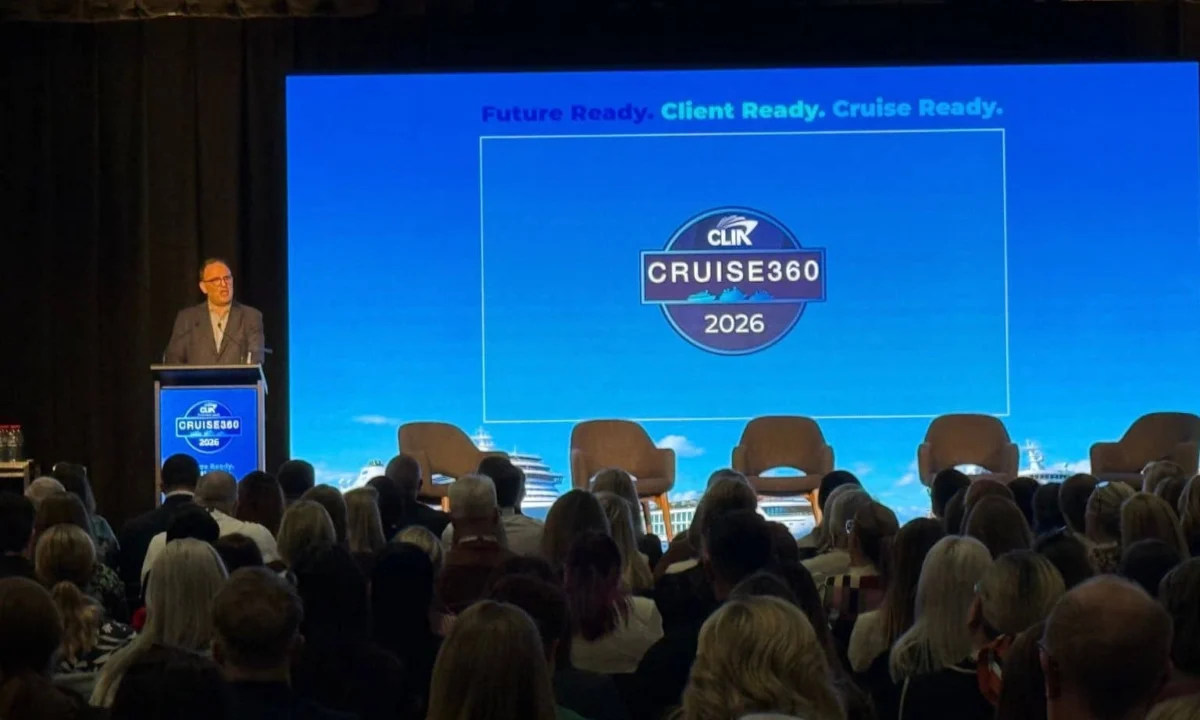
The annual Cruise360 conference, the premier gathering for the Australasian cruise sector, commenced this morning with a sobering call to action from industry leadership. Addressing an audience of over 900 travel agents, cruise line executives, and supply chain partners, the Managing Director of Cruise Lines International Association (CLIA) Australasia, Joel Katz, delivered a stark message: the region’s status as a top-tier global cruise destination is at risk. While the broader global cruise industry is currently experiencing a period of unprecedented expansion, Australia and New Zealand are grappling with systemic regulatory hurdles and escalating operational costs that threaten to drive tonnage to more lucrative markets.
The Global Growth Paradox
The alarm bells sounded by industry leaders at Cruise360 stand in sharp contrast to the buoyant statistics emerging from the global stage. Last year, the international cruise sector shattered previous records, welcoming 37.2 million passengers. Projections remain aggressively optimistic, with industry forecasts anticipating approximately 38 million passengers by the end of this year. Looking further ahead, CLIA estimates that the global market will hit a milestone of 42 million annual guests by the conclusion of the decade.
The supply side is keeping pace with this surge in demand. Currently, there are 89 new cruise vessels slated for delivery between now and 2029. These ships represent billions of dollars in capital investment and advanced maritime technology. However, the distribution of this new capacity is not guaranteed to favor the Australasian region. Katz warned that the arrival of these vessels in Australian waters is contingent upon a stable, predictable, and cost-effective regulatory environment—a framework that industry representatives argue is currently absent.
Chronology of the Competitive Decline
The recent friction between the cruise industry and regional regulators can be traced back to the post-pandemic recovery period. Following the total shutdown of the cruise sector, the initial resumption of operations in Australia was marked by a patchwork of state-based health protocols and operational restrictions that were among the most stringent in the world.
As international borders reopened, the cruise industry expected a streamlined return to business. Instead, operators encountered a complex web of port fees, environmental levies, and shifting administrative requirements. Throughout 2023 and into early 2024, several cruise lines quietly reassigned vessels previously destined for Australian and New Zealand itineraries to markets in the Mediterranean, the Caribbean, and Northern Europe, where regulatory certainty provided a better return on investment.
The launch of the Australian Paddock to Port Alliance last month serves as a pivotal moment in this timeline. By formalizing a coalition that includes agricultural producers, regional tourism boards, and maritime logistics firms, CLIA is attempting to reframe the cruise industry not as a niche tourism segment, but as a critical component of the national supply chain.
Economic Stakes and Industry Vulnerability
The economic footprint of the cruise industry in Australia is substantial, yet industry advocates argue it is often misunderstood. Cruise ships serve as massive, floating conduits for Australian produce and services. A single port call can involve the procurement of hundreds of thousands of dollars in local food, wine, fuel, and laundry services, in addition to the shore-based excursion spending by thousands of passengers.
Analysis suggests that for every ship diverted away from an Australian port, the immediate loss to the local economy is measured in millions of dollars. Beyond the direct revenue, there is a secondary impact on port infrastructure utilization and the long-term viability of small-to-medium enterprises that have structured their business models around the cruise schedule.
"We have worked for decades to build Australia’s reputation as a world-class cruise destination," Katz stated during his address. "We have seen the warnings about rising costs and an uncertain regulatory environment come to fruition. We are now at a juncture where we must decide if we want to remain a premier destination or if we are content to watch our market share erode."
Addressing Decarbonization and Operational Realities
While the industry faces policy-related challenges, it is simultaneously navigating a global mandate for sustainability. CLIA and its member lines are heavily invested in the "Destination 2050" initiative, a comprehensive roadmap to achieve net-zero carbon emissions by 2050. This involves significant expenditure on liquefied natural gas (LNG) propulsion, battery-hybrid systems, and shore power capabilities.
In Australasia, the industry faces a unique hurdle: the infrastructure required to support these new, greener ships is currently lacking at many regional ports. The transition to shore power, which allows ships to plug into the local electrical grid rather than running engines while docked, is a priority for both the industry and port authorities. However, the high capital costs associated with this transition, combined with the lack of uniform national policy on how to fund and implement such infrastructure, has created a stalemate that hinders the arrival of the next generation of cruise vessels.
Perspectives from the Supply Chain
The "Paddock to Port" concept championed by CLIA highlights the interconnectedness of the cruise industry with the broader Australian economy. Farmers in rural Australia are increasingly reliant on the cruise industry to stabilize demand for high-quality produce. When cruise itineraries are reduced, these suppliers experience a sudden drop in demand, which ripples through local communities.
Travel agents, who act as the frontline representatives for the industry, have also voiced concerns. With fewer ships in the region, the variety of itineraries—particularly those venturing into the Kimberley, the Great Barrier Reef, and the South Pacific—diminishes. This makes the region a less attractive prospect for international tourists who are often choosing between a cruise in Australia or one in Alaska or Norway.
Regulatory and Policy Implications
The core of the industry’s grievance lies in the lack of a unified, long-term national cruise strategy. Currently, cruise operators must navigate a fragmented landscape of federal, state, and local port regulations. Each jurisdiction has its own set of charges, environmental standards, and administrative procedures.
Industry experts suggest that the following steps are essential to restore competitiveness:
- Regulatory Harmonization: Establishing a national framework for port charges and operational standards to eliminate the current "patchwork" system.
- Infrastructure Investment: A collaborative approach between the federal government and state port authorities to fund and install shore power and upgraded berthing facilities.
- Transparent Fee Structures: Ensuring that any increases in port costs are transparent, predictable, and accompanied by demonstrable service improvements.
- Strategic Promotion: Partnering with tourism bodies to market Australia as a high-value, sustainable cruise destination, rather than simply a port of call.
Future Outlook: A Critical Window
As the 2024-2025 cruise season approaches, the industry is entering a critical window for planning. Decisions regarding ship deployments for the 2026 and 2027 seasons are currently being made in corporate offices across Europe and the United States. If Australia does not signal a commitment to stability and competitive reform, the industry warns that the trend of vessel redirection will accelerate.
The message from Cruise360 is clear: the cruise industry is prepared to be a long-term, sustainable partner in Australia’s economic growth, but it requires a policy environment that reflects the global nature of the market. The next twelve months will likely determine whether the region can successfully reverse the current trend or if it will continue to lose ground to more agile and welcoming maritime jurisdictions.
As the conference continues this week, industry leaders are expected to engage in further discussions with government representatives, aiming to move beyond rhetoric and toward a collaborative strategy that ensures Australia remains on course in a rapidly evolving global maritime landscape. The collective hope of the 900 delegates in attendance is that this warning will serve as the catalyst for the policy adjustments necessary to secure the future of the cruise economy for years to come.




 Tatiana Tantri Indah Sari
 Budi Mulyono
 Anjar Salim
