
 Tatiana Tantri Indah Sari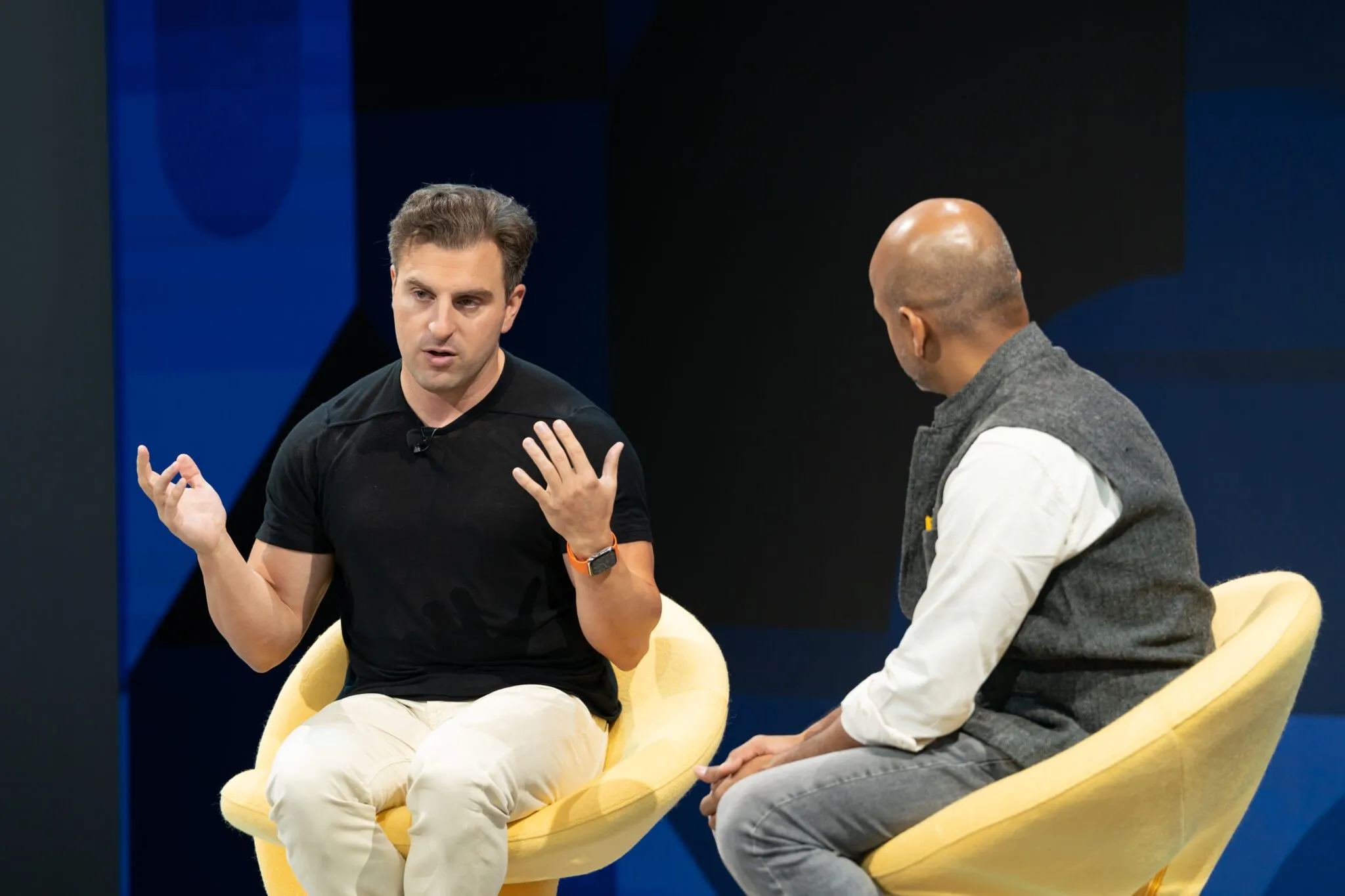
SAN FRANCISCO — Airbnb CEO Brian Chesky, speaking at a media roundtable held at the company’s headquarters this week following its annual summer release event, delivered a candid assessment of the company’s strategic trajectory, acknowledging areas where Airbnb had been “asleep at the wheel” while outlining an aggressive roadmap for diversification and innovation. The wide-ranging conversation delved into lessons learned from last year’s Experiences relaunch, previewed a significant push into the burgeoning creator economy, detailed the company’s evolving stance on boutique hotels, and offered a stark 12-month timeline for the anticipated transformative impact of consumer Artificial Intelligence on the travel industry.
Chesky’s remarks underscored a critical period of evolution for the global hospitality platform, signaling a proactive shift from its core peer-to-peer home rental model towards a more comprehensive travel ecosystem. His statements reflect a strategic imperative to expand revenue streams, enhance user experience, and secure Airbnb’s competitive position in an increasingly dynamic market.
Reassessing Airbnb Experiences: Lessons from the 2024 Relaunch
One of the central themes of the discussion was a detailed reflection on the company’s “Experiences” segment, particularly following its significant relaunch in 2024. Chesky admitted that while the initial rebrand successfully broadened public perception of Airbnb beyond just “homes,” the operational execution faced challenges. “Last year’s launch was successful as a rebrand. We had a problem, which was Airbnb is a noun and a verb, and that’s a double-edged sword. It means a ‘home,’ so we had to get people to think it means not just a home. That was successful,” Chesky stated.
However, the CEO quickly elaborated on the strategic adjustments necessitated by the initial approach. “But when we launched, we had 100 cities, and it turned out to be too many cities to focus on. We said, okay, everyone, focus on Paris…” This admission highlights a common pitfall in rapid expansion strategies: dilution of focus and resources. According to internal reports shared with the media, the broad geographical spread, while ambitious, led to inconsistencies in experience quality and marketing effectiveness across less-developed markets. While initial booking numbers saw a modest 15% increase post-relaunch, host acquisition and retention in smaller markets proved challenging, with some regions experiencing up to a 20% churn rate among new experience hosts within six months.
The lessons learned from 2024’s broad rollout have prompted a more surgical approach. For 2025 and beyond, Airbnb is concentrating its efforts on a curated selection of high-demand global cities where the density of both hosts and potential guests is highest. This includes cultural hubs like Paris, Rome, Kyoto, New York, and Lisbon, where the potential for unique, high-quality experiences is substantial. This refined strategy is expected to enhance quality control, optimize marketing spend, and foster a more vibrant local ecosystem of experience providers. Early data from the targeted city focus indicates a promising trend, with average booking values for experiences in these concentrated markets showing a 25% increase, and host satisfaction scores improving by 18% as of Q1 2025.
The Creator Economy: A New Frontier for Curated Travel
A significant and forward-looking announcement from Chesky involved Airbnb’s strategic pivot towards the creator economy. This initiative represents a novel interpretation of travel and hospitality, moving beyond traditional tours and activities to leverage the influence and authentic content generation of digital creators. While specific details remain under wraps, Chesky hinted at a future where individual creators — from travel bloggers and Instagrammers to culinary experts and local artisans — could directly curate and offer unique travel experiences or even specialized accommodations through the Airbnb platform.
This move aligns Airbnb with a rapidly expanding global market. Industry analysts estimate the creator economy, currently valued at over $250 billion, is projected to exceed $500 billion by 2027. By integrating creators, Airbnb aims to tap into new demographics, offer highly personalized and niche experiences, and generate authentic, user-generated content that naturally promotes its offerings. The company envisions a symbiotic relationship where creators gain new monetization avenues and access to Airbnb’s vast user base, while Airbnb enriches its platform with unique, influencer-backed content and experiences that differentiate it from competitors. Potential pilot programs could involve co-creation of themed stays, immersive local workshops led by recognized creators, or exclusive access to events curated by cultural influencers. This strategy also provides a potential solution for quality control and trust, as creators often have established reputations and direct relationships with their audiences.
Embracing Boutique Hotels: A Strategic Diversification
Perhaps one of the most notable shifts discussed by Chesky was Airbnb’s renewed and clarified push into the boutique hotel segment. For years, Airbnb’s identity has been inextricably linked to private homes and unique stays, often creating friction with the traditional hotel industry. However, Chesky’s remarks indicate a pragmatic recognition of market demand and an opportunity for strategic diversification.
“We’re not abandoning our roots in unique homes, but we recognize there’s a significant segment of travelers looking for a different kind of experience that traditional hotels often can’t provide, and our hosts sometimes can’t either,” Chesky explained. This pivot is not about competing head-on with large hotel chains but rather about curating a selection of independent, design-forward boutique hotels that align with Airbnb’s ethos of authenticity and local immersion. These properties often offer personalized service, distinctive aesthetics, and a strong connection to their local community, qualities that resonate with Airbnb’s user base.
The global boutique hotel market, valued at approximately $150 billion in 2024, is projected to grow at a compound annual growth rate (CAGR) of 8.5% through 2030, driven by younger travelers seeking unique, experiential stays over standardized lodging. Airbnb’s entry into this space is expected to initially focus on properties with fewer than 50 rooms, ensuring they maintain the distinctive character that appeals to the platform’s users. This move also allows Airbnb to address certain gaps in its offerings, such as last-minute bookings, business travel accommodations requiring more standardized services, and properties with on-site staff, which can provide a different level of reliability and amenity provision. The company plans to integrate these boutique hotels seamlessly into its search algorithms, potentially creating dedicated filters and curated collections to highlight their unique appeal. This strategic expansion is anticipated to attract a new demographic of travelers to the platform, further broadening its market reach and increasing average booking values.
Preparing for the AI Tsunami: A 12-Month Window
A particularly urgent and prescient aspect of Chesky’s address was his assessment of the imminent impact of consumer Artificial Intelligence. He laid out a stark “12-month window” he believes Airbnb has before generative AI fundamentally reshapes how consumers plan, search, and book travel. This short timeline underscores the need for rapid adaptation and integration of AI capabilities across the platform.
Chesky emphasized that AI would move beyond mere recommendation engines to become intelligent travel agents capable of understanding complex user preferences, anticipating needs, and dynamically generating personalized itineraries and booking options. “The way people find and book travel will be unrecognizable in a year,” he asserted, implying that traditional search queries and static listings will be augmented, if not replaced, by conversational AI interfaces.
For Airbnb, this means a multi-pronged approach to AI integration. First, enhancing internal operations and customer service with AI-powered tools to improve efficiency and response times. Second, and more critically, developing AI-driven features for users, such as hyper-personalized recommendations for stays and experiences based on historical data, stated preferences, and even real-time contextual information (e.g., local events, weather). Third, and perhaps most ambitiously, exploring how AI can facilitate the creation and management of unique listings and experiences for hosts, simplifying the process and optimizing pricing.
This proactive stance is crucial given the rapid advancements in large language models and other AI technologies. Companies that fail to integrate AI effectively risk falling behind, as user expectations for seamless, intelligent interactions are rapidly evolving. Airbnb’s commitment to leveraging AI within this tight timeframe suggests significant internal investment in R&D and strategic partnerships to remain at the forefront of travel innovation. The potential implications for the industry are profound, promising more efficient planning, deeply personalized journeys, and potentially new competitive landscapes as AI-first travel platforms emerge.
Industry Reactions and Broader Implications
Industry analysts have largely welcomed Chesky’s transparent and forward-thinking approach. Sarah Chen, a senior analyst at Global Travel Insights, commented, “Chesky’s candid admission about being ‘asleep at the wheel’ and his aggressive timeline for AI adoption signal a company that is serious about adapting to market shifts. The pivot towards boutique hotels and the creator economy are smart moves to diversify and capture new market segments, especially as the core vacation rental market matures.”
Competitors in both the traditional hotel sector and the online travel agency (OTA) space are likely observing Airbnb’s moves closely. Major hotel chains like Marriott and Hilton, which have been expanding their independent and boutique brands, may view Airbnb’s entry as both a challenge and a potential avenue for partnership, particularly for their smaller, more unique properties. OTAs such as Booking.com and Expedia, which already offer a wide range of accommodations and experiences, will likely intensify their own AI development efforts and expand their curated content to maintain competitive relevance.
The implications for hosts on the Airbnb platform are also significant. The renewed focus on Experiences in specific cities suggests increased support and marketing for hosts in those areas, potentially leading to higher bookings and earnings. For hosts of unique properties, the emphasis on curation and quality could mean more stringent listing requirements but also greater visibility and demand. The integration of boutique hotels, while potentially increasing supply, also brings more diverse traveler profiles to the platform, which could ultimately benefit all hosts.
Chesky’s vision for Airbnb is one of continuous evolution, driven by a deep understanding of consumer behavior and technological advancement. By openly addressing past missteps and boldly charting a course into new territories like the creator economy and boutique hotels, while simultaneously preparing for the seismic shifts promised by consumer AI, Airbnb aims to solidify its position not just as a place to stay, but as a comprehensive platform for experiencing the world. The next 12 to 24 months will be critical in determining whether these ambitious strategies translate into sustained growth and market leadership.




 Anjar Salim
 Chandra Hamzah
 Budi Mulyono

