
 Anjar Salim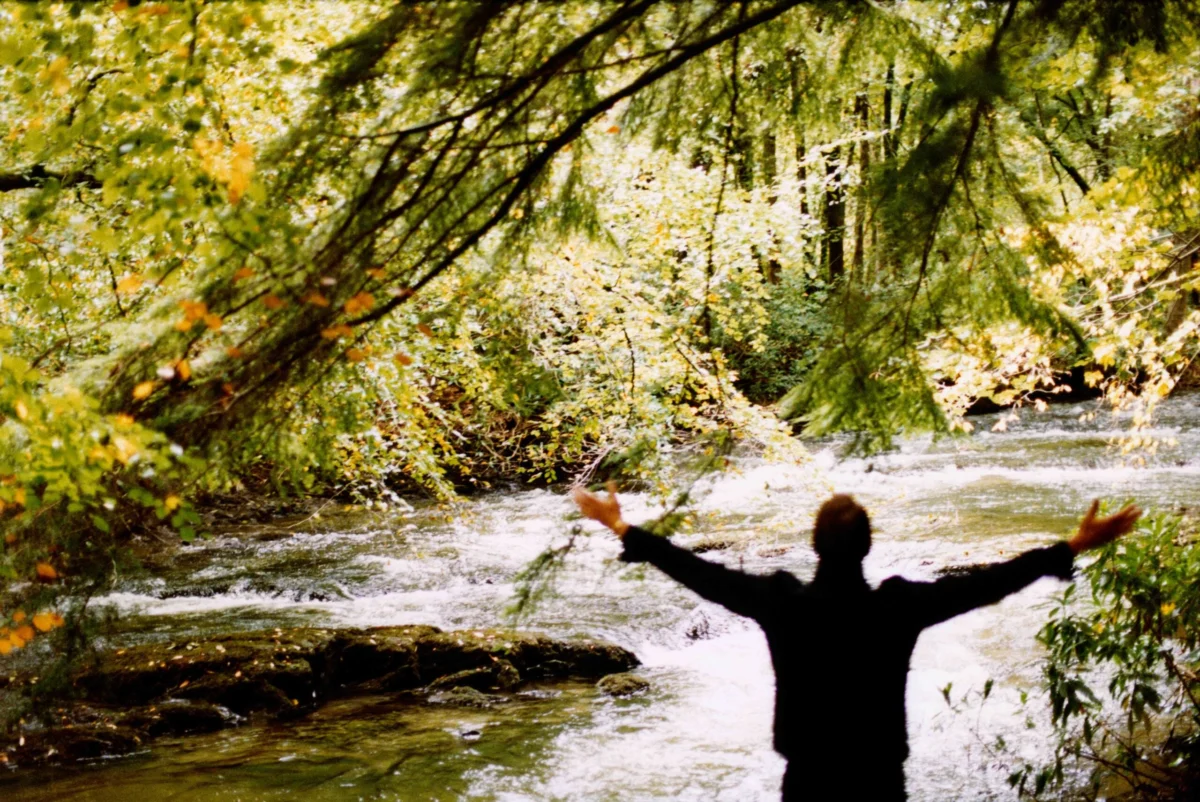
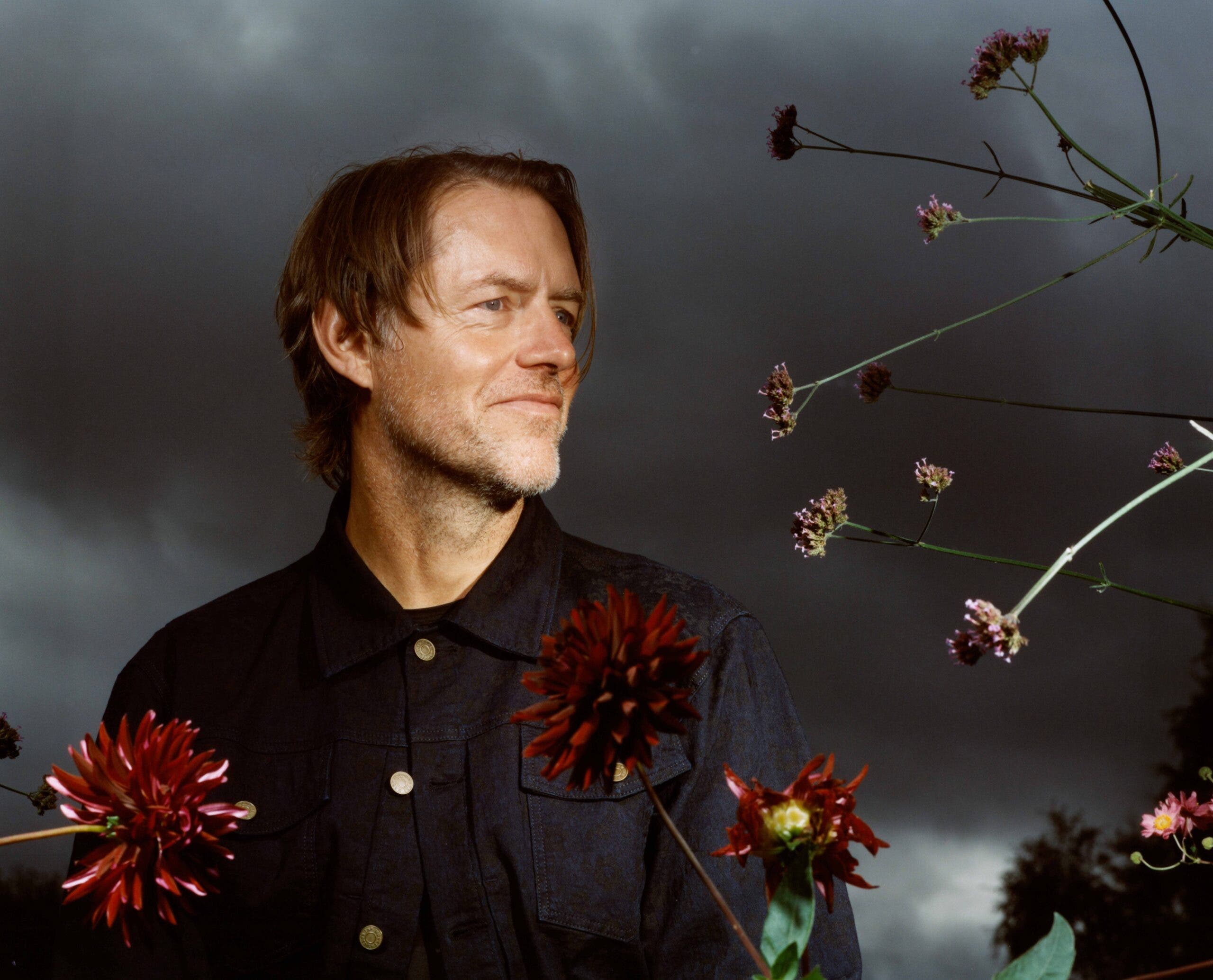
On May 22, 2026, Ed O’Brien, the long-standing guitarist and songwriter for the seminal British rock band Radiohead, released his second solo studio album, Blue Morpho. The project, which arrived alongside an accompanying short film, marks a significant departure from the traditional rock paradigm, leaning instead into the realms of mysticism, alternative healing, and ambient soundscapes. For O’Brien, the release is more than a commercial milestone; it represents the culmination of a four-year period of intense personal struggle and creative rebirth. Speaking from London, O’Brien detailed a journey that began in the depths of a "dark night of the soul" during the 2020 global lockdowns and led him to the ancient landscapes of Wales, where he found solace in the intersection of nature and sound.
The album’s title, Blue Morpho, is a direct reference to the iridescent butterfly O’Brien first encountered while living in Brazil with his family in the early 2010s. This creature has become a central motif in O’Brien’s personal mythology, symbolizing the painful but necessary process of transformation. The musician’s evolution from a member of one of the world’s most scrutinized bands to a solo artist exploring the fringes of human consciousness reflects a broader trend in the music industry, where veteran performers are increasingly prioritizing mental well-being and spiritual exploration over conventional commercial success.
The Genesis of a Creative Metamorphosis
The origins of Blue Morpho are rooted in a period of profound personal difficulty. In April 2020, as the COVID-19 pandemic forced the global music industry into a standstill, O’Brien found himself grappling with a deep, paralyzing depression. This mental health crisis prompted a significant lifestyle shift. He relocated his family from the urban environment of London to their home in Wales, seeking the isolation and raw beauty of the countryside. It was within this ancient Celtic landscape that O’Brien began to rebuild his psyche, using the natural world as a primary tool for recovery.
O’Brien’s daily routine in Wales became centered on the act of walking. Accompanied by his rescue dog, Ziggy, a Collie Springer mix, he frequented the foothills of Snowdonia National Park (Eryri). These excursions were not merely for exercise but served as a form of "recalibration." O’Brien describes the Welsh landscape as his "cathedral," a place where the energetic power of the earth facilitated a spiritual awakening. This connection to the land is a cornerstone of the Blue Morpho project, with much of the album’s atmospheric texture derived from the silence and rhythms of the rural environment.
The short film accompanying the album, set to premiere on YouTube on June 3, serves as a visual diary of this period. Narrated by O’Brien, the ten-minute piece features footage of the musician wandering through woodlands, interacting with the cool waters of local rivers, and observing the night sky. O’Brien notes that the film was a necessary medium to express the "multi-layered" emotions that words alone could not capture. The moody, winter-shot visuals provide a stark contrast to the music, which O’Brien describes as being born from darkness but ultimately reaching toward the light.
Technical Innovation and Collaborative Depth
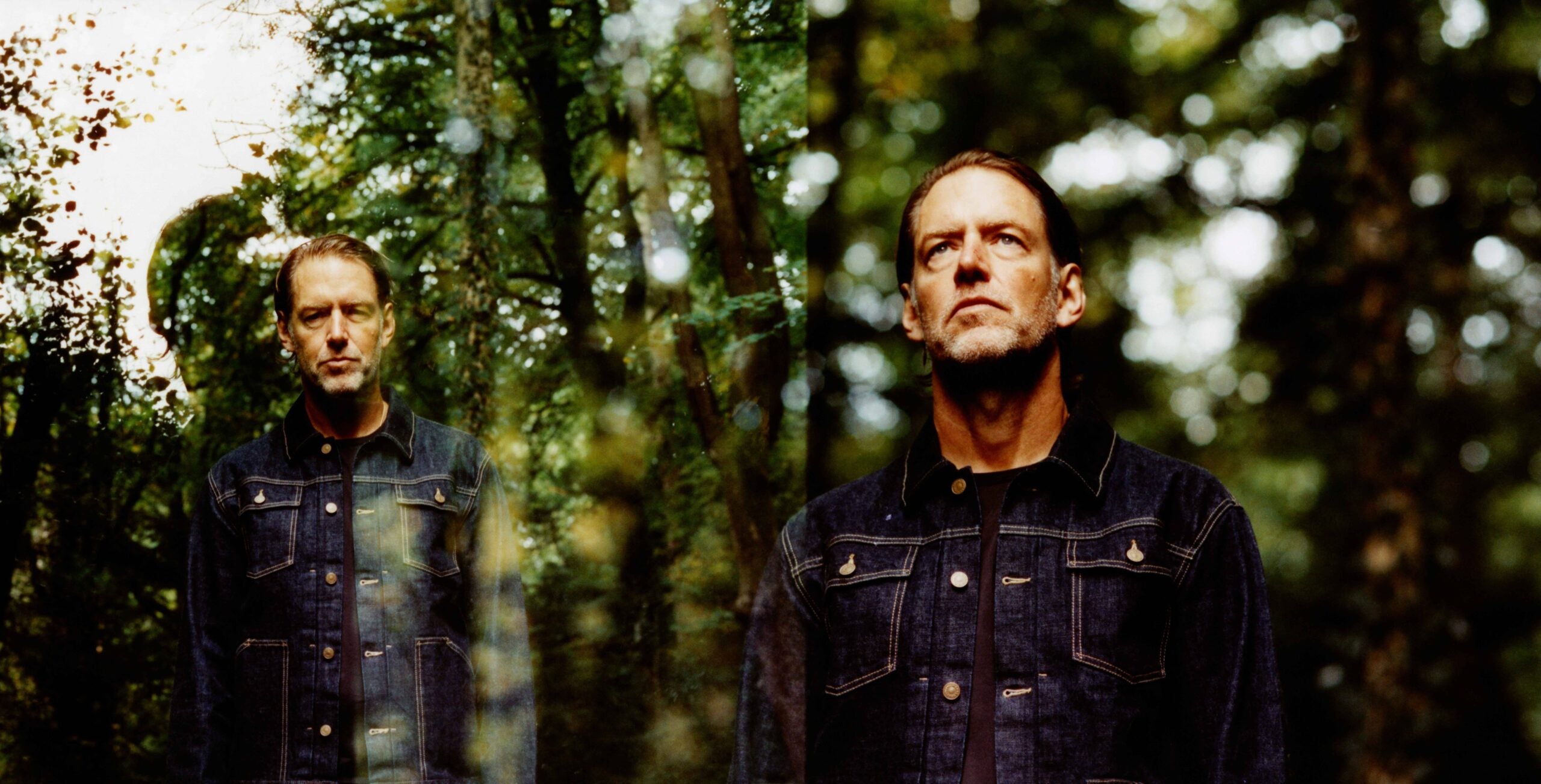
Musically, Blue Morpho is a sophisticated blend of psych-folk, jazz-influenced textures, and ambient electronics. To achieve the specific "calm" and "wholeness" he sought, O’Brien made the unconventional decision to record the entire album at 432 Hz. This frequency, often referred to as the "Verdi tuning" or a "universal harmonic," is believed by some to be more in tune with the mathematical proportions of nature than the standard 440 Hz concert pitch used in modern Western music. While the scientific community remains divided on the physiological effects of 432 Hz, O’Brien is steadfast in his commitment to it, stating that the music feels "deeply whole" and that he has no intention of returning to standard tuning.
The production of the album was a collaborative effort involving high-profile industry veterans. O’Brien worked closely with producer Paul Epworth, whose credits include Adele and Paul McCartney, to bridge the gap between the London studio environment and the Welsh countryside. The album also features a diverse array of musical contributors, including:
- Shabaka Hutchings: The acclaimed flautist and saxophonist who brings a jazz-infused fluidity to the tracks.
- Dave Okumu: The guitarist known for his work with The Invisible, adding intricate melodic layers.
- Philip Selway: O’Brien’s Radiohead bandmate, providing the rhythmic foundation on drums.
- Tõnu Kõrvits: The Estonian composer whose atmospheric arrangements contribute to the album’s cinematic feel.
This roster of talent allowed O’Brien to experiment with "Teachers," a track designed to evoke the sensory experiences of a psilocybin trip. The song reflects O’Brien’s ongoing engagement with "plant medicine" and his belief that such experiences can foster a deeper connection to the earth.
The Toolkit of Alternative Healing
O’Brien’s advocacy for alternative medicine is rooted in a three-decade-long personal history. Despite coming from a family of osteopaths who favored traditional Western medicine, O’Brien has long been drawn to the "fringes" of healing. His interest in Brazilian shamanism, Tibetan medicine, and acupuncture eventually led him to the "Wim Hof Method."
Named after the Dutch "Iceman," the Wim Hof Method combines specific breathing techniques with extreme cold exposure. O’Brien has integrated daily cold showers into his routine, citing the positive impact on the vagus nerve—a key component of the parasympathetic nervous system that regulates the body’s "rest and digest" functions. Scientific research into cold water immersion suggests it may help reduce inflammation and improve mood by triggering the release of endorphins and norepinephrine.
In addition to cold therapy, O’Brien practices a daily 25-minute meditation session, which he concludes with a gratitude ritual. Describing himself as a "mongrel meditator," O’Brien taught himself the practice 20 years ago and credits it with providing the mental resilience needed to navigate his career in the high-pressure music industry. This holistic "toolkit" has become essential for O’Brien, particularly as he prepares to return to the rigors of international touring.
Chronology of Events and Future Engagements
The release of Blue Morpho is situated within a busy timeline for O’Brien. Following the album’s launch on May 22, 2026, he is scheduled to appear at the annual Outside Days festival on Sunday, May 31. During this event, O’Brien will screen his short film and participate in a fireside chat on the Ideas Stage, where he is expected to discuss the intersection of creativity, mental health, and the outdoors.
This solo activity occurs as Radiohead enters a new phase of its storied career. After a seven-year hiatus from the stage, the band returned to touring in late 2025, debuting a unique "in-the-round" format where they perform from a central stage surrounded by the audience. Looking ahead to 2027, the band has announced a long-term touring strategy:
- 2025 (Late): Radiohead resumes live performances after a seven-year break.
- 2026 (May 22): Ed O’Brien releases Blue Morpho.
- 2026 (May 31): O’Brien headlines the Ideas Stage at Outside Days.
- 2026 (June 3): Global premiere of the Blue Morpho short film on YouTube.
- 2027 and Beyond: Radiohead commits to an annual touring cycle, visiting one continent per year for a series of 20 high-concept shows.
O’Brien has expressed a commitment to maintaining his wellness practices while on the road. He has made specific logistical requests, such as rooms with balconies or access to outdoor spaces, to ensure he remains connected to the natural world. "After my dark time, I feel increasingly drawn to the beauty that surrounds us," he stated, characterizing nature as a "lifeline" for the touring musician.
Broader Impact and Implications for the Music Industry
O’Brien’s openness about his struggle with depression and his reliance on alternative healing reflects a significant shift in the cultural narrative surrounding the arts. For decades, the "tortured artist" trope was often romanticized; however, modern industry standards are moving toward a model of sustainable creativity. By discussing the benefits of psilocybin, cold exposure, and meditation, O’Brien contributes to a growing dialogue about mental health that is being led by high-profile figures in the creative community.
Furthermore, his use of the 432 Hz frequency and his focus on the spiritual qualities of landscape suggest a move toward "functional music"—works intended not just for entertainment but for physiological and emotional regulation. As digital streaming continues to saturate the market, artists like O’Brien are finding new ways to differentiate their work through deep-seated intentionality and a focus on the listener’s well-being.
The Blue Morpho project serves as a case study in how personal crisis can be leveraged into artistic evolution. O’Brien’s message is one of resilience and the necessity of challenge for growth. "Evolution doesn’t happen when everything is in balance," he observed, suggesting that the "dark night of the soul" was a prerequisite for the creative heights he has reached with his latest work. As O’Brien prepares to bring this new material to the stage, both as a solo artist and with Radiohead, his journey stands as a testament to the restorative power of nature and the enduring magic of the creative process.



 Chandra Hamzah
 Tatiana Tantri Indah Sari
 Budi Mulyono
