
 Cholid Fahmi Thalib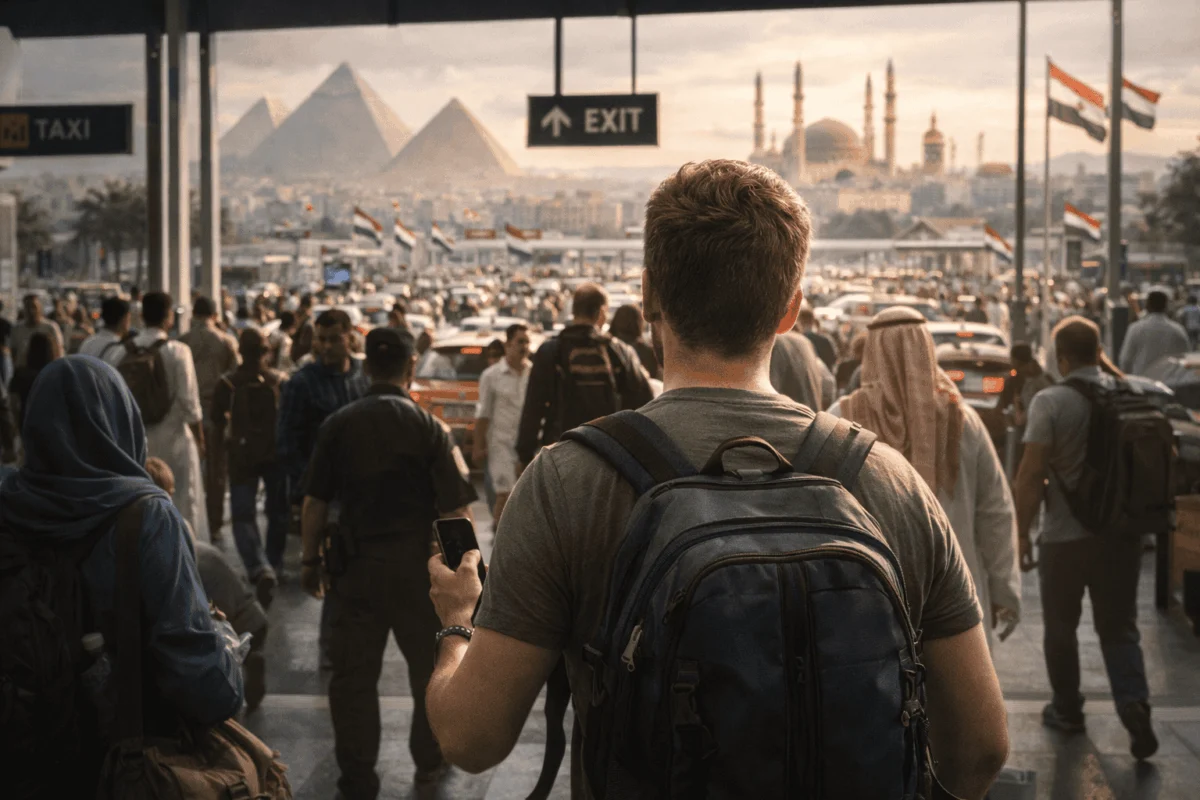
Traveling to Egypt for the first time often comes laden with preconceived notions, a tapestry woven from media narratives and well-intentioned warnings from friends and family. This initial apprehension, a common cocktail of excitement and anxiety, is a palpable precursor to arrival. However, the most striking aspect of the Egyptian experience for many first-time visitors is the swift dissolution of these pre-existing expectations once they are immersed in the country’s vibrant reality. This article aims to provide an unvarnished account, moving beyond polished brochures to explore the disorienting, overwhelming, surprisingly warm, and ultimately transformative experiences that lead so many to exclaim, "I didn’t expect this at all."
The initial impressions upon arrival in Egypt, a nation geographically situated within Africa, are often a sensory onslaught. The cacophony of car horns, animated conversations, and music emanating from open windows creates an immediate, immersive soundscape. The air itself feels denser, a tangible blend of heat, dust, and constant motion. This initial intensity can even spark a fleeting doubt about the decision to visit. Yet, beneath the surface of apparent chaos, a discernible order begins to emerge. People navigate their surroundings with purpose, and systems, while perhaps unconventional to an outsider, are demonstrably in place. This realization often marks the first step towards a gradual relaxation, an understanding that Egypt is simply presenting itself authentically, rather than attempting to intimidate.
The first day in Egypt can feel like a disorienting blur, a period of intense overstimulation and adjustment to a fundamentally different rhythm of life. Tasks as seemingly simple as crossing a street can transform into a test of nerve, with traffic regulations often appearing to be more of a guideline than a strict rule. Personal space, too, operates on a different paradigm. Nevertheless, the human capacity for adaptation is remarkable. By the close of the first day, many find themselves reflecting with amusement on their earlier anxieties, beginning to discern patterns in the movement and interactions around them. This period of adjustment, while initially uncomfortable, is rarely insurmountable. As the initial shock subsides, a profound sense of curiosity typically takes its place.
Culture shock in Egypt often manifests in subtle, unexpected ways rather than dramatic confrontations. The directness of communication is frequently a point of observation. Conversations with strangers can initiate with ease, encompassing inquiries about origins, destinations, and overall impressions of the country. While this may initially feel intrusive, it often evolves into a perception of genuine human connection. The concept of time is fluid; plans are subject to change, and delays are commonplace. Resisting this inherent flexibility often leads to frustration, whereas embracing it allows for a more fluid and enjoyable experience. Furthermore, unexpected acts of kindness frequently punctuate the journey. Assistance with directions, spontaneous offers of tea, or a shopkeeper’s unsolicited guidance are common occurrences that soften the edges of unfamiliarity and underscore the inherent warmth of the Egyptian people.
Navigating Egypt’s transportation systems presents a significant concern for many first-time visitors. The visual impression of the roads can appear chaotic, and the infrastructure may seem dated by international standards. Ride-sharing applications are available and functional, though their reliability can vary. Initial concerns about safety, pricing, and route accuracy are understandable. However, with burgeoning experience, a sense of confidence typically develops. Travelers begin to recognize the professionalism of drivers, gain an understanding of fair pricing, and develop resilience to navigational deviations. Resources that offer firsthand accounts of daily life and local perspectives, such as the information found on websites like inside-egypt.com, can be invaluable in demystifying these aspects and transforming initial apprehension into informed exploration. This background knowledge can significantly reduce the sense of guesswork and enhance the feeling of engagement with the country.
Addressing the pervasive question of safety is crucial. Egypt, while presenting a different security environment than many Western nations, is not inherently dangerous. Tourist areas are often characterized by a visible security presence, and locals frequently exhibit a protective attitude towards visitors. While media portrayals may exaggerate the frequency of serious incidents, a prudent approach is always recommended. Adherence to common sense practices, such as avoiding ostentatious displays of wealth and trusting one’s instincts, is paramount. The same safety protocols applicable in any unfamiliar environment serve well in Egypt. What often surprises first-time travelers is the rapid transition from initial apprehension to a sense of comfort, familiarity, and even ease.
While the awe-inspiring ancient monuments of Egypt are undeniably impressive, it is the Egyptian people who often leave the most indelible mark on visitors. Interactions are common and organic, occurring in taxis, cafes, and everyday waiting lines. The prevalent curiosity and genuine interest in travelers’ experiences foster a sense of connection. A palpable pride in their nation is often evident in their conversations, interwoven with an honest acknowledgment of the country’s challenges. Egyptian hospitality is not performative; it is expressed through simple, authentic gestures such as offering additional food, providing a seat without prompting, or a stranger stepping in to assist without expectation of reward. These cumulative moments of human connection contribute significantly to the enduring impact of an Egyptian journey.
The iconic sights of Egypt, such as the pyramids, are indeed breathtaking. Their sheer scale and antiquity defy easy comprehension, creating a surreal sense of standing at the nexus of history. However, what often surprises first-time visitors is how these monumental landmarks are seamlessly integrated into the fabric of modern Egyptian life. Bustling streets run alongside ancient ruins, children play soccer in the shadow of millennia-old structures, and contemporary cafes are situated adjacent to temples predating recorded history. Egypt is not a static historical exhibit; it is a dynamic, complex, and modern nation. This realization imbues the country with a greater sense of authenticity, moving it beyond the confines of a postcard image.
The emotional landscape of an Egyptian journey can be characterized by significant highs and lows. Moments of overwhelming exhaustion and perceived difficulty can quickly give way to periods of profound beauty and gratitude. This emotional volatility can catch first-time travelers off guard, as Egypt does not offer a gentle introduction. It demands attention, patience, and often, a degree of humility. However, the rewards are equally significant, offering moments of awe, a broadened perspective, and stories that resonate long after departure.
A common misstep for many first-time visitors is an attempt to exert excessive control over their experience. Over-scheduling, rigid adherence to timetables, and an expectation of strict punctuality can lead to frustration. Egypt rewards flexibility and an openness to the unexpected. Leaving room for delays, spontaneous detours, and engaging conversations allows for a more authentic and enriching experience. Shifting focus from simply "checking off" landmarks to actively observing and engaging with the environment proves far more beneficial. Furthermore, comparing Egypt to other travel destinations through a preconceived lens can be counterproductive. The country possesses its own unique character and demands to be understood on its own terms.
Ultimately, the value of a first-time trip to Egypt hinges on an individual’s travel aspirations. For those who prioritize predictability and seamless execution, Egypt may present a challenge. However, for travelers open to embracing discomfort, fostering curiosity, and appreciating experiences that defy rigid itineraries, Egypt offers an unforgettable adventure. The initial journey is rarely perfect; it is often a complex blend of confusion, exhaustion, and profound memorability. The expectation is not to comprehend everything, but rather to immerse oneself in the experience. It is this very complexity and the accompanying sense of discovery that ensures Egypt remains a deeply resonant destination long after departure. Egypt does not offer a polite introduction; it engages travelers authentically, inviting a re-evaluation of their perspectives on the world. The overwhelming consensus among those who have undertaken their inaugural visit is a strong inclination to return, a testament to the transformative power of the Egyptian experience.




 Anjar Salim
 Dwi Wanna
 Budi Mulyono
 Lukman Taruna Persada Ramadan
 Chandra Hamzah
 Gabriela Annisa