
 Cholid Fahmi Thalib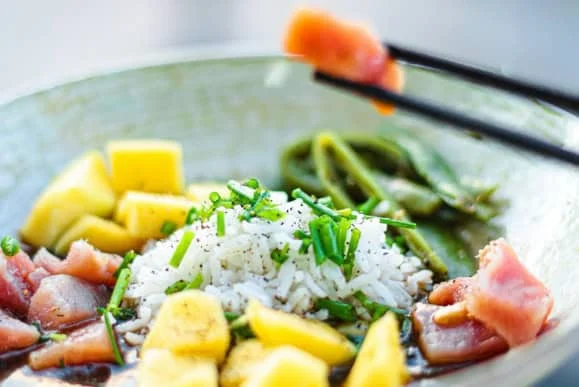
Islands, with their inherent isolation and unique ecological systems, present some of the planet’s most captivating and distinct destinations. For the culinary explorer, these landmasses, fringed by azure waters and often teeming with life, offer an unparalleled opportunity to delve into local, fresh cuisine. From the sun-drenched shores of the Caribbean to the vast expanse of the Pacific, a remarkable tapestry of exceptional dining experiences awaits, each intricately woven with the culture and natural bounty of its isolated setting. For the discerning foodie flashpacker, the world’s islands are not merely travel destinations; they are vibrant epicenters of flavor, promising memorable meals that will beckon a return.
The allure of island cuisine lies in its direct connection to the source. Ingredients are often harvested or caught on the same day they grace the plate, a testament to the symbiotic relationship between the people and their environment. This immediacy translates into a freshness and intensity of flavor that is difficult to replicate. Whether one seeks the briny kiss of just-caught seafood, the explosive sweetness of sun-ripened tropical fruits, or the comforting embrace of time-honored recipes passed down through generations, island destinations consistently deliver culinary revelations. These experiences are more than just meals; they are immersive journeys into the heart of island life, offering a profound connection to the land, the sea, and the enduring cultural heritage.
The Vibrant Palette of Caribbean Cuisine: A Symphony of Spice and Sea
The Caribbean archipelago stands as a beacon of vibrant and diverse culinary traditions, a dynamic fusion born from the confluence of African, Indigenous, and European influences. The gastronomic landscape is a testament to this rich historical tapestry. Imagine savoring the smoky, piquant notes of authentic jerk chicken in Jamaica, a dish whose preparation involves marinating chicken in a potent blend of scotch bonnet peppers, allspice, thyme, and ginger, then slow-cooking it over pimento wood. Or consider the delightful crunch and tender interior of conch fritters, a beloved staple in the Bahamas, where the delicate sea snail is mixed with a savory batter and deep-fried to golden perfection. In Barbados, the robust and comforting flavor of curry goat, slow-simmered with a medley of aromatic spices, offers a taste of the island’s distinctive culinary identity.
What truly elevates Caribbean cuisine is its unwavering commitment to fresh, locally sourced ingredients. Seafood, as one might expect, plays a starring role. Fish and shellfish are often brought ashore by local fishermen in the early morning, destined for tables by lunchtime. These oceanic treasures are typically accompanied by an array of tropical sides, such as the quintessential rice and peas, a flavorful preparation of rice cooked with kidney beans, coconut milk, and herbs, or the sweet and satisfying fried plantains. In island paradises like Jamaica or the Turks and Caicos, diners can indulge in the exquisite taste of ocean-fresh lobster, flaky snapper, and succulent shrimp, all prepared using time-honored local methods that celebrate bold spices and aromatic herbs. The regional variations are as diverse as the islands themselves, with each locale adding its unique twist to these foundational elements. For instance, Puerto Rican mofongo, a dish of mashed plantains with garlic and pork cracklings, showcases a different facet of the Caribbean’s inventive spirit.
Mediterranean Islands: A Culinary Tapestry of Sun, Soil, and Sea
The Mediterranean islands, including the storied shores of Sicily, Sardinia, and Crete, offer a profound culinary journey steeped in the region’s agricultural abundance and a long history of cross-cultural exchange. Here, the emphasis is firmly placed on the purity of fresh produce, the bounty of the sea, and the foundational pillars of Mediterranean gastronomy: olives, cheese, and wine. The food is characterized by its elegant simplicity, yet it bursts with nuanced and deeply satisfying flavors. This approach allows the inherent quality of the ingredients to shine, a philosophy deeply ingrained in the local way of life.
Sicilian cuisine, for example, is a celebration of vibrant flavors and textures. Iconic dishes like pasta alla Norma, a testament to the island’s fertile volcanic soil, feature perfectly cooked pasta tossed with a rich tomato sauce, tender cubes of local eggplant, and a generous dusting of ricotta salata, a salty, aged sheep’s milk cheese. Sardinia, known for its rugged terrain and strong pastoral traditions, is renowned for its hearty meat dishes, particularly its slow-cooked lamb and pork preparations, and its distinctive pecorino cheese, a sharp and flavorful cheese that is a cornerstone of the island’s diet. On the Greek islands, such as Crete, the culinary experience often revolves around an array of mezze platters. These small, shareable dishes might include creamy tzatziki, a cooling dip made from yogurt, cucumber, garlic, and dill; succulent grilled lamb, marinated and cooked to tender perfection; and an assortment of seasonal vegetables, bursting with the flavors of the Mediterranean sun. The overarching principle of Mediterranean island food is the unwavering commitment to high-quality ingredients, executed through simple, time-tested cooking methods that honor and amplify the natural flavors of the land and sea. This philosophy not only creates delicious food but also fosters a sense of connection to the environment and the agricultural heritage of these sun-drenched islands.
Southeast Asian Islands: An Exquisite Alchemy of Tropical Aromas and Exotic Spices
In the vibrant realm of Southeast Asia, island destinations such as Bali, Phuket, and the Philippines are veritable treasure troves of delicious, tropical flavors and intoxicatingly exotic spices. The culinary landscape here is a rich tapestry woven from the threads of indigenous traditions and the influences of colonial cuisines, resulting in a captivating melting pot of dishes that are as complex and layered as they are vibrant and full of life. The dynamic interplay of sweet, sour, salty, and spicy elements is a hallmark of this region’s gastronomy, creating a truly exhilarating taste experience.
Bali, the famed "Island of the Gods," offers culinary wonders like Babi Guling, a celebrated suckling pig dish that is a must-try for any visitor. This elaborate preparation involves a whole pig, slow-roasted to achieve incredibly crispy skin that crackles with every bite, while the succulent meat is infused with a complex blend of aromatic spices, typically served with steamed rice and a variety of traditional accompaniments. Thailand’s picturesque islands present an array of iconic dishes that have captivated palates worldwide. The ubiquitous Pad Thai, a stir-fried rice noodle dish bursting with flavor, and the intensely aromatic Tom Yum soup, a hot and sour broth often infused with lemongrass, galangal, kaffir lime leaves, and chili, are just the beginning. Fresh seafood curries, made rich and creamy with coconut milk, are another highlight, showcasing the region’s abundant marine life and its mastery of spice. In the Philippines, the national dish, adobo, exemplifies the island’s culinary ingenuity. This flavorful stew, typically made with chicken or pork braised in soy sauce, vinegar, garlic, and black peppercorns, offers a savory and tangy profile that is deeply satisfying. Fresh lumpia, delicate spring rolls filled with a savory mixture of vegetables and often meat, provide a lighter yet equally delicious option. The islands of Southeast Asia truly represent a food lover’s paradise, offering a kaleidoscope of vibrant dishes and an unforgettable, immersive dining experience that engages all the senses.
The Galapagos Islands: Sustainable Gastronomy in an Unspoiled Paradise
While the Galapagos Islands are globally celebrated for their otherworldly landscapes and unparalleled unique wildlife, they are also emerging as a destination for remarkable island dining. The archipelago’s remote location and its unwavering dedication to sustainable tourism have fostered the growth of a vibrant, eco-conscious food scene. Central to this burgeoning culinary movement is the paramount importance placed on exceptionally fresh seafood and locally sourced ingredients, reflecting a deep respect for the delicate ecosystem.
A particularly standout experience involves dining at a Galapagos restaurant committed to an "ocean-to-table" philosophy. Here, guests can savor exquisite dishes such as succulent lobster, delicate ceviche prepared with the freshest catch of the day, and perfectly seared, just-caught tuna. These culinary delights are enjoyed against the backdrop of breathtaking ocean vistas and the silhouettes of nearby islands, creating an unforgettable sensory experience. The stringent sustainable practices implemented throughout the Galapagos ensure that the fish and seafood served are responsibly sourced, adhering to strict guidelines that protect marine populations and their habitats. This commitment allows diners to indulge in the authentic flavors of the islands while simultaneously contributing to the conservation efforts that are vital to preserving the very essence of this extraordinary archipelago. Dining in the Galapagos is, therefore, a truly singular experience. It is a harmonious fusion of incredibly fresh, sustainably harvested ingredients with the islands’ astonishing biodiversity, culminating in a food culture that is as delicious as it is environmentally responsible. This approach not only satisfies the palate but also nourishes a deeper appreciation for the natural world.
Pacific Islands: A Culinary Heritage Rooted in Tradition and Innovation
The Pacific Islands are often synonymous with idyllic, pristine beaches and breathtaking natural beauty, but beneath this serene surface lies a rich tapestry of incredible culinary traditions. The islands of Fiji, Tahiti, and the culturally distinct nation of New Zealand each boast unique traditional dishes that are deeply rooted in their respective local customs and have been honed through centuries of practice. These culinary legacies offer a profound connection to the history and identity of the island peoples.
In Fiji, a quintessential island delicacy is Kokoda, a vibrant raw fish salad. Freshly caught white fish is meticulously marinated in the tangy juice of local citrus fruits, then gently mixed with creamy coconut milk and a medley of finely diced vegetables. This preparation results in a perfect balance of fresh, zesty, and creamy flavors, a true taste of the Fijian tropics. Moving south to New Zealand, lamb dishes are a celebrated staple, often slow-cooked to achieve an unparalleled tenderness and depth of flavor. However, the traditional MÄ ori hangi is a culinary experience that should not be missed by any visitor. This ancient cooking method involves preparing meat and vegetables in an underground oven, where they are slow-cooked for hours over hot stones. The result is food imbued with a distinct, earthy, and smoky flavor profile, a testament to the MÄ ori people’s deep connection to the land and their innovative culinary heritage. Across these diverse Pacific islands, food transcends mere sustenance; it is an integral part of a holistic experience that connects individuals to the land, the sea, and the vibrant cultural fabric of island life. With a pronounced emphasis on locally abundant ingredients such as pristine seafood, hearty root vegetables, and an array of exotic tropical fruits, dining in the Pacific offers a flavorful and enlightening journey into the very soul of island living.
Hawaiian Islands: A Culinary Kaleidoscope of Cultural Fusion
The culinary landscape of the Hawaiian Islands is a captivating testament to the power of cultural fusion, a dynamic and eclectic blend drawing influences from its Polynesian roots, American heritage, and significant contributions from Asian and European traditions. This rich amalgamation has given rise to a food scene that is both remarkably diverse and unmistakably Hawaiian. From the globally recognized poke bowls to the comforting embrace of loco moco, the islands offer a culinary journey that is as varied as its history.
One of the most celebrated and accessible dishes is poke, a quintessential Hawaiian raw fish salad. Cubes of the freshest tuna or other seafood are expertly seasoned with a harmonious blend of soy sauce, toasted sesame oil, and often accented with seaweed, creating a dish that is both refreshing and deeply flavorful. Loco moco, on the other hand, represents the islands’ comforting soul food. This hearty dish typically features a bed of steamed rice, topped with a juicy hamburger patty and a perfectly fried egg, all generously smothered in a rich, savory gravy. Hawaiian barbecue is another culinary experience that embodies the islands’ spirit of flavor. Tender cuts of meat, whether pork, chicken, or beef, are marinated in a signature blend of sweet and savory sauces, then grilled to smoky perfection, offering a taste of aloha in every bite. Hawaiian cuisine is, at its core, an island blend of flavors, a vibrant mosaic created by the convergence of cultures that have come together to forge something truly unique to these volcanic islands. Whether one is indulging in the colorful sweetness of shave ice, a delightful frozen treat, or partaking in a traditional Hawaiian feast, the food served on these islands is a profound reflection of the spirit of aloha – a spirit of love, peace, and compassion that permeates every aspect of island life.
Conclusion: Island Dining – An Unforgettable Culinary Adventure
Island destinations consistently offer some of the most exceptional and memorable culinary experiences available globally. From the bold, spicy, and invigorating flavors of the Caribbean to the fresh, meticulously sustainable dining options found in the pristine environment of the Galapagos, the world’s islands present an inexhaustible array of mouthwatering meals. Whether one is diving into a vibrant bowl of ceviche in the Galapagos, a dish that sings with the freshness of the ocean, or savoring a perfectly crafted plate of pasta on the historic shores of Sicily, island dining is an indelible and enriching component of any travel adventure.
Therefore, regardless of whether a journey is a luxurious escape or a budget-conscious backpacking expedition, incorporating these distinct island food experiences into one’s travel itinerary is highly recommended. The world’s most exquisite meals are frequently discovered on islands, where the unparalleled freshness of ingredients, the authentic embrace of local flavors, and the captivating interplay of unique cultural influences converge to create something truly extraordinary and deeply satisfying. These culinary encounters offer not just nourishment but a profound connection to the places and people encountered, leaving an enduring imprint on the traveler’s palate and memory.



 Anjar Salim
 Dwi Wanna
 Budi Mulyono
 Lukman Taruna Persada Ramadan
 Chandra Hamzah
 Gabriela Annisa