
 Cholid Fahmi Thalib
The pursuit of authentic culinary experiences while traveling is a journey that rewards careful planning and an understanding of local rhythms. Beyond the superficial allure of tourist-centric establishments, the true essence of a destination’s food scene often lies in the unassuming yet deeply ingrained habits of its residents. This approach prioritizes accessibility, local engagement, and a strategic understanding of how to navigate diverse gastronomic landscapes efficiently, ensuring that every meal contributes meaningfully to a traveler’s cultural immersion and overall enjoyment.
The Local’s Compass: Identifying True Culinary Hubs
The most insightful indicators of exceptional food destinations are subtle yet telling. Observing where locals frequent, the seamless transactions of familiar patrons, and the practiced hands of culinary artisans are far more valuable than ostentatious signage or heavily promoted "must-try" dishes designed for transient visitors. These observations form the bedrock of a discerning traveler’s strategy, guiding them toward experiences that resonate with genuine regional character.
For international travelers arriving in a new city, the ability to fluidly transition between adjacent neighborhoods and smaller towns is paramount to maximizing culinary opportunities. In a global hub like Sydney, Australia, for instance, the immediate acquisition of a rental car from Sydney Airport can be a strategic advantage. This mobility empowers travelers to adhere to pre-booked dining reservations, optimize daylight hours for exploration, and adapt to the often earlier closing times of kitchens, particularly outside major metropolitan centers. The flexibility afforded by personal transportation allows for spontaneous detours and a more comprehensive exploration of a region’s diverse offerings. According to industry reports from the Australian Bureau of Statistics, car rental remains a significant component of domestic and international tourism, facilitating access to regional attractions and culinary hotspots that are often underserved by public transport.
Cultivating Culinary Depth: The Power of Neighborhood Focus
Optimal culinary journeys are typically concentrated within geographically cohesive areas where a multitude of small eateries, markets, and cafes are within easy walking distance. The ideal urban districts are characterized by early risers and sustained activity throughout the day, from breakfast to lunch. Prioritizing pedestrian-friendly zones allows travelers to sample a wider array of offerings while minimizing time spent on transit, thereby enhancing both the breadth of their gastronomic discoveries and their overall efficiency.
A recommended strategy involves dedicating mornings to exploring two distinct food-centric neighborhoods, with a deliberate pause in the early afternoon. This interlude can be utilized for a leisurely walk in a local park, a visit to a museum, or a brief period of rest, allowing for palate rejuvenation and reducing the likelihood of impulsive, less satisfying food choices when hunger intensifies later in the day. The importance of this structured approach is underscored by research in behavioral economics, which suggests that cognitive fatigue can lead to suboptimal decision-making, particularly in environments with abundant choices.
Identifying neighborhoods that cater primarily to residents rather than transient tourists is crucial. Indicators of local appeal include the presence of independent grocery stores, proximity to educational institutions, and restaurants that prominently display daily lunch specials on exterior boards. Robust public transportation networks and accessible parking facilities further enhance the viability of these areas for travelers who may opt for short drives between culinary destinations.
Several city pairings exemplify this strategic approach, offering neighborhoods that reward repeat visits and a deeper exploration of local flavors. Tokyo, Japan, presents Asakusa and Yanaka, districts ideal for experiencing early morning sweets, traditional noodle dishes, and tranquil coffee bars before the onset of larger crowds. Mexico City, Mexico, boasts Roma and La Condesa, vibrant areas where authentic tacos and artisanal bakeries are conveniently situated within a comfortable strolling distance.
Lisbon, Portugal, features Campo de Ourique and Príncipe Real, a dynamic blend of bustling markets, intimate wine bars, and unpretentious bistros. Bangkok, Thailand, offers Ari and Talat Phlu, neighborhoods that artfully balance contemporary cafes with time-honored family-run establishments located near public transit stations. Both cities are particularly amenable to early morning exploration, as their markets typically open swiftly, and crowds begin to form well before mid-morning, offering a glimpse into the daily routines of residents.
Leveraging Air Travel for Regional Gastronomic Access
Significant culinary experiences are often situated beyond the immediate confines of major city centers, and airports can serve as strategic gateways to these regional treasures, effectively shortening initial travel times. Direct airport pickups facilitate a seamless transition, enabling travelers to bypass crowded public transit hubs and immediately immerse themselves in smaller, more authentic dining locales before proceeding to their accommodations. This method is particularly effective in regions where distinct culinary traditions have remained localized and have not been widely replicated in urban core areas.
Sydney serves as a prime example of this strategy’s efficacy, with exceptional food experiences dispersed across its beaches, suburbs, and inland valleys. From the airport, visitors can readily access Cabramatta for authentic Vietnamese cuisine or Marrickville for its thriving bakery scene and intimate small bars. Alternatively, a drive towards the Blue Mountains offers opportunities to savor regional pies, artisanal ciders, and locally roasted coffee. National Parks and Wildlife Service data indicates that visitor numbers to the Blue Mountains National Park have consistently remained high, with a notable interest in local produce and artisanal food products.
To ensure a smooth and energy-conserving first day, it is advisable to limit driving excursions to a maximum of ninety minutes each way from one’s base. This approach allows for arrival with ample energy, avoidance of late-night dining, and sufficient time for a brief exploratory walk. In instances of anticipated heavy traffic, a prudent adjustment involves diverting to a nearby suburb and deferring the longer drive to subsequent days, optimizing travel time and reducing stress.
This "airport gateway" concept is applicable to numerous destinations renowned for their distinct regional cuisines within accessible proximity. Barcelona, Spain, can serve as a launching point for excursions to Girona, where the local market and artisanal pastry shops offer a delightful prelude to museum visits. Cape Town, South Africa, provides access to the Winelands, offering a harmonious pairing of farm-to-table kitchens with wine tastings and leisurely stops at roadside produce stands.
Vancouver, Canada, offers Richmond as a prime destination for Cantonese culinary excellence, with its diverse array of kitchens and dessert shops remaining active well into the evening. New Orleans, USA, provides access to smokehouses and seafood shacks located beyond the immediate downtown area, often featuring more convenient parking and shorter queues. In each of these locales, a personal vehicle becomes an indispensable tool for navigating opening hours and local transit patterns, rather than being dictated solely by hotel proximity, when pursuing superior culinary experiences.
Strategic Buffering: Designing Flexible Meal Itineraries
Culinary adventures can falter when itineraries are excessively rigid, leaving no room for unforeseen delays. A more resilient approach involves identifying one primary "must-eat" establishment per day, complemented by two nearby alternative options with readily available seating. This contingency planning ensures that a delayed train or unexpected traffic congestion does not derail the day’s most anticipated gastronomic experiences.
Before committing to a dinner reservation, it is essential to verify the kitchen’s "last order time" rather than its stated closing time. Many establishments cease accepting new orders significantly earlier than their official closing, particularly on weeknights, and especially during local events or public holidays. Similarly, market operating hours require careful attention, as popular stalls can deplete their inventory well before midday on Saturdays.
To enhance the comfort and efficiency of long days dedicated to culinary exploration, travelers should consider carrying a few lightweight, practical items. These include wet wipes for convenient sanitation, a reusable water bottle to stay hydrated, and a small cooler bag for transporting perishable items such as cheese or pastries. A portable charger and a small amount of cash are also prudent, as digital navigation and payment systems can sometimes experience disruptions at critical moments.
For individuals who plan to drive between dining locations, implementing a brief pre-departure checklist can contribute to a calmer and safer experience. Identifying a parking spot near the initial destination and then proceeding on foot between subsequent stops for a period can be an effective strategy. It is also crucial to refrain from consuming alcohol before driving and to opt for takeaway options when necessary to ensure compliance with local regulations.
The Spectrum of Flavors: Embracing Diverse Dining Formats
The most enduring culinary memories are often forged through a diverse range of dining experiences, rather than exclusively through high-end restaurants. Markets provide insights into local ingredients, cafes offer a glimpse into daily routines, and bars reveal social customs. While fine dining can illuminate culinary techniques, its value is contingent on the diner’s enjoyment of the pace and expenditure involved.
Each day should incorporate at least one spontaneous, casual dining experience frequented by locals. Establishments with concise menus often signal a focused approach to sourcing and preparation, leading to more consistent quality and timely service. Attempting to sample a particular dish twice within the same city, at different establishments, can offer valuable insights into regional variations and the nuances of different culinary approaches.
The choice of seating can profoundly influence one’s perception and subsequent ordering decisions. A seat at a counter provides a direct view of the kitchen’s operations, including the preparation techniques and timing, which can inform more accurate future orders. An outdoor table encourages a slower pace, allowing for observation of how local patrons pair beverages with small plates.
Following each meal, it is beneficial to record three brief notes while the flavors are still vivid. These should include the dish name, a key flavor characteristic, and a practical tip that could be replicated in a home setting. Taking a photograph of the menu can also serve as a useful reference for recalling dishes without the need for extensive online searching later.
Architecting a Personal Culinary Atlas
Upon arrival in a new destination, commencing with a visit to a local market can serve as an excellent introduction to the region’s ingredients. Subsequently, selecting one signature dish for the city allows for an initial focus on technique and service style. Subsequent culinary explorations can then fill in the gaps, prioritizing simpler establishments situated along planned walking routes.
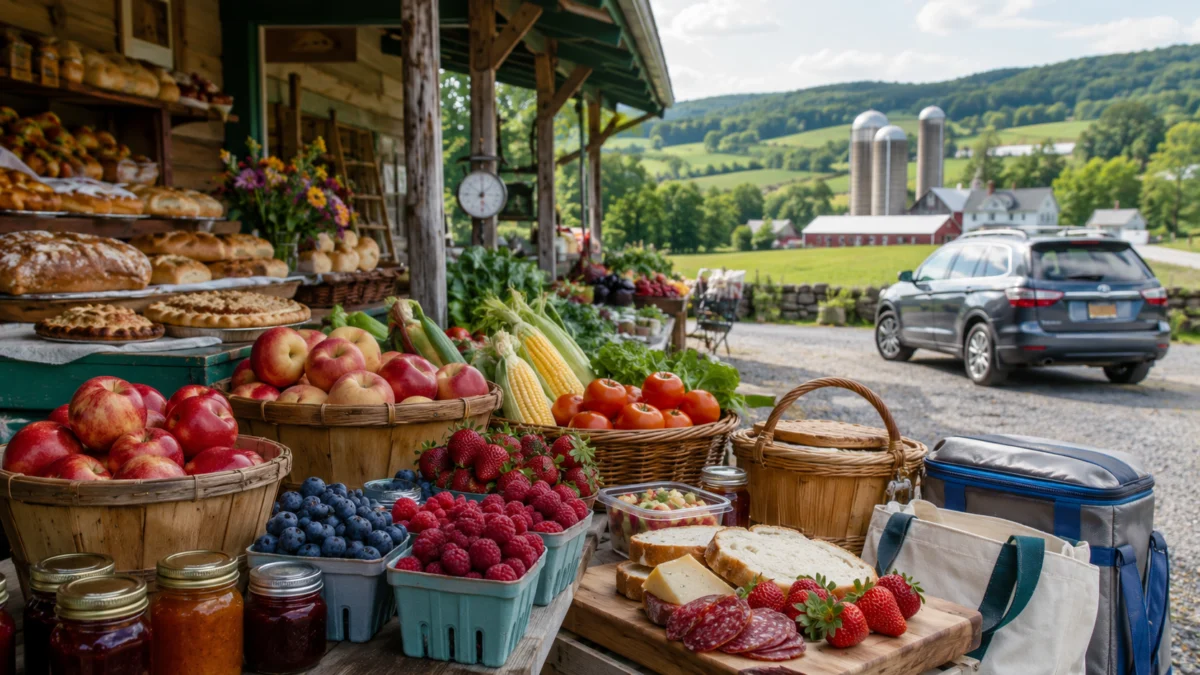
Maintaining a consistent routine while traveling is essential to prevent culinary fatigue and avoid suboptimal food choices. Regular hydration, the inclusion of vegetables at lunch, and the opportunistic purchase of fresh fruit from roadside stalls are simple yet effective practices. When feeling overly full, sharing a dish with a companion allows for the preservation of appetite for subsequent culinary opportunities.
Translating these principles into a practical travel plan involves organizing activities by neighborhood clusters, incorporating generous time buffers, and setting realistic daily driving objectives. This methodical approach enables travelers to experience a wide array of culinary offerings without succumbing to stress or wasting valuable travel time. Furthermore, it ensures the existence of readily available backup options should weather, unexpected queues, or fatigue necessitate a deviation from the original plan. This comprehensive strategy transforms the act of eating abroad from a potential source of anxiety into a structured and deeply rewarding aspect of the travel experience.


 Anjar Salim
 Dwi Wanna
 Budi Mulyono
 Lukman Taruna Persada Ramadan
 Chandra Hamzah
 Gabriela Annisa