
 Anjar Salim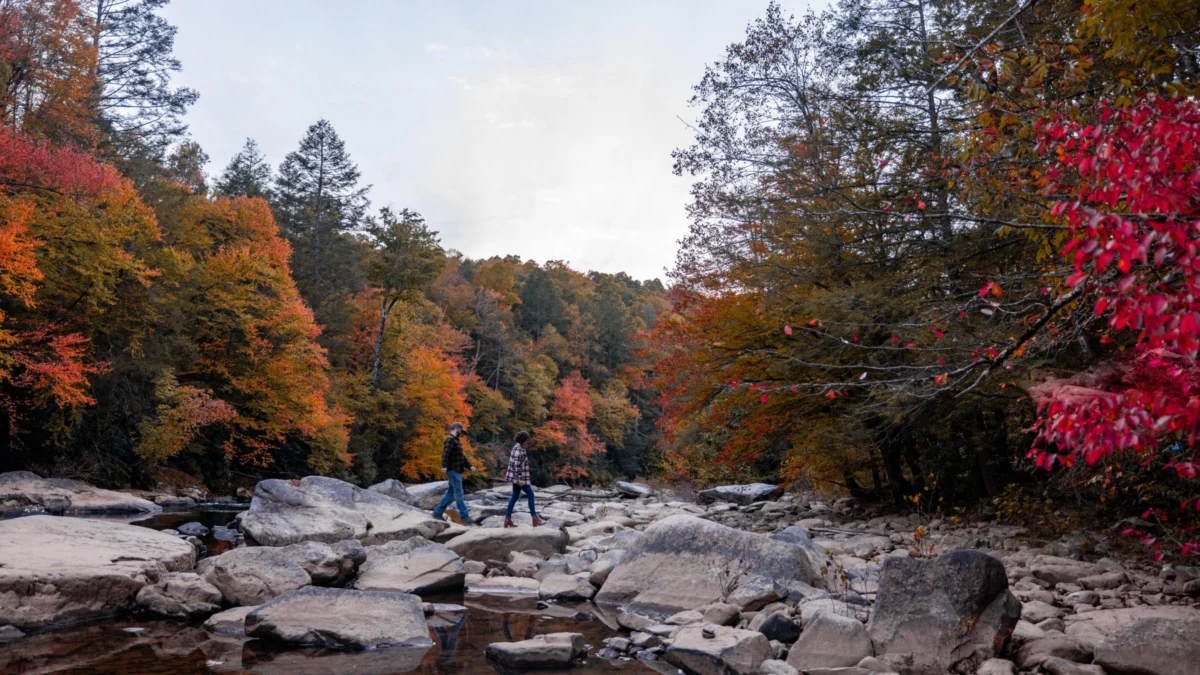
As crisp autumn air sweeps through the rugged gorges, mist-veiled mountains, and fertile valleys of West Virginia, the state’s long-standing promotional slogan, “Almost Heaven,” transitions from a poetic marketing phrase into an undeniable meteorological and ecological reality. Each September and October, the Mountain State undergoes a dramatic visual metamorphosis. A kaleidoscopic canopy of crimson, amber, gold, and bronze marches methodically across millions of acres of rolling hills, contrasting sharply with the deep, enduring emeralds of native pine forests. For outdoor enthusiasts, naturalists, and the travel industry alike, autumn in West Virginia represents one of the premier seasonal spectacles in North America. State tourism officials, regional park rangers, and local hospitality operators are currently preparing for a massive influx of leaf-peepers, hikers, and weekend travelers seeking refuge in the state’s expansive network of state parks, forests, and public lands.
Main Facts and Geographic Scope of the Autumn Shift
The sheer scale of West Virginia’s autumn foliage event is defined by its geography. As the southernmost state entirely within the Appalachian Mountain chain, West Virginia features dramatic elevation changes—ranging from roughly 240 feet above sea level along the Potomac River to 4,863 feet at the summit of Spruce Knob. This vast topographical gradient triggers a staggered, weeks-long wave of color changes known to botanists and ecologists as the autumn color progression.
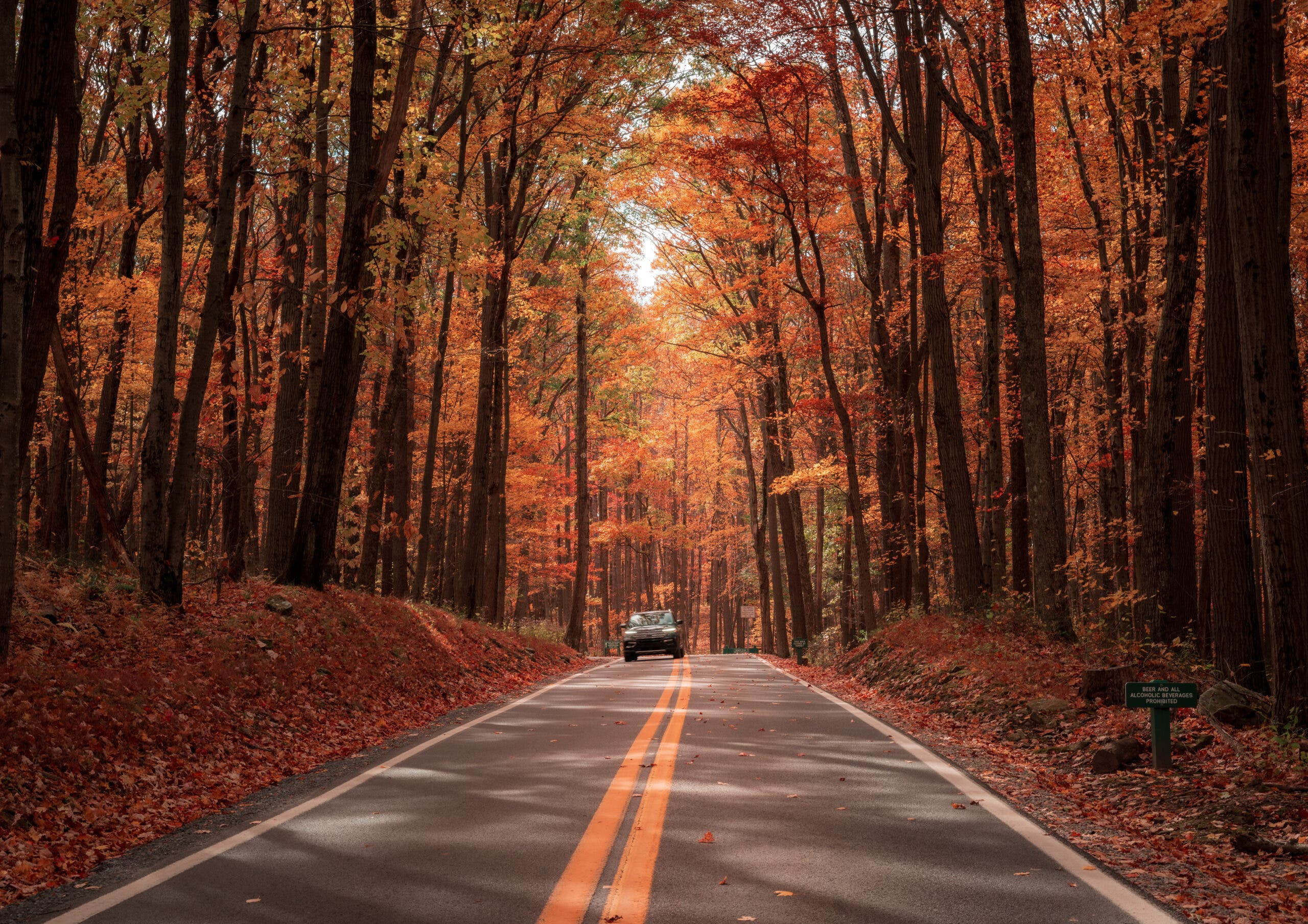
The transition typically begins in late September at the highest elevations in the eastern mountainous regions—such as Canaan Valley, Snowshoe, and the Monongahela National Forest—before cascading down into the river valleys, lower gorges, and western rolling hills by mid-to-late October. This protracted timeline distinguishes West Virginia from northern New England destinations, where peak foliage windows are often compressed into a frantic, short-lived fortnight. Instead, the Mountain State offers a rolling window of vibrant color that allows travelers to plan extended itineraries without the pressure of missing the seasonal peak.
The economic and logistical focal point of this seasonal migration is the West Virginia State Park system, which manages more than 45 state parks and forests encompassing over 200,000 acres of protected wilderness. Within these public lands, visitors find carefully maintained trail networks, historic lodges, modern campgrounds, and specialized recreational infrastructure designed to maximize accessibility to the autumn landscape while preserving ecological integrity.
Chronology of the Fall Tourism Season and Leaf Progression
Understanding the rhythm of autumn in West Virginia requires examining the distinct chronological phases that dictate travel patterns and ecological changes across the state.
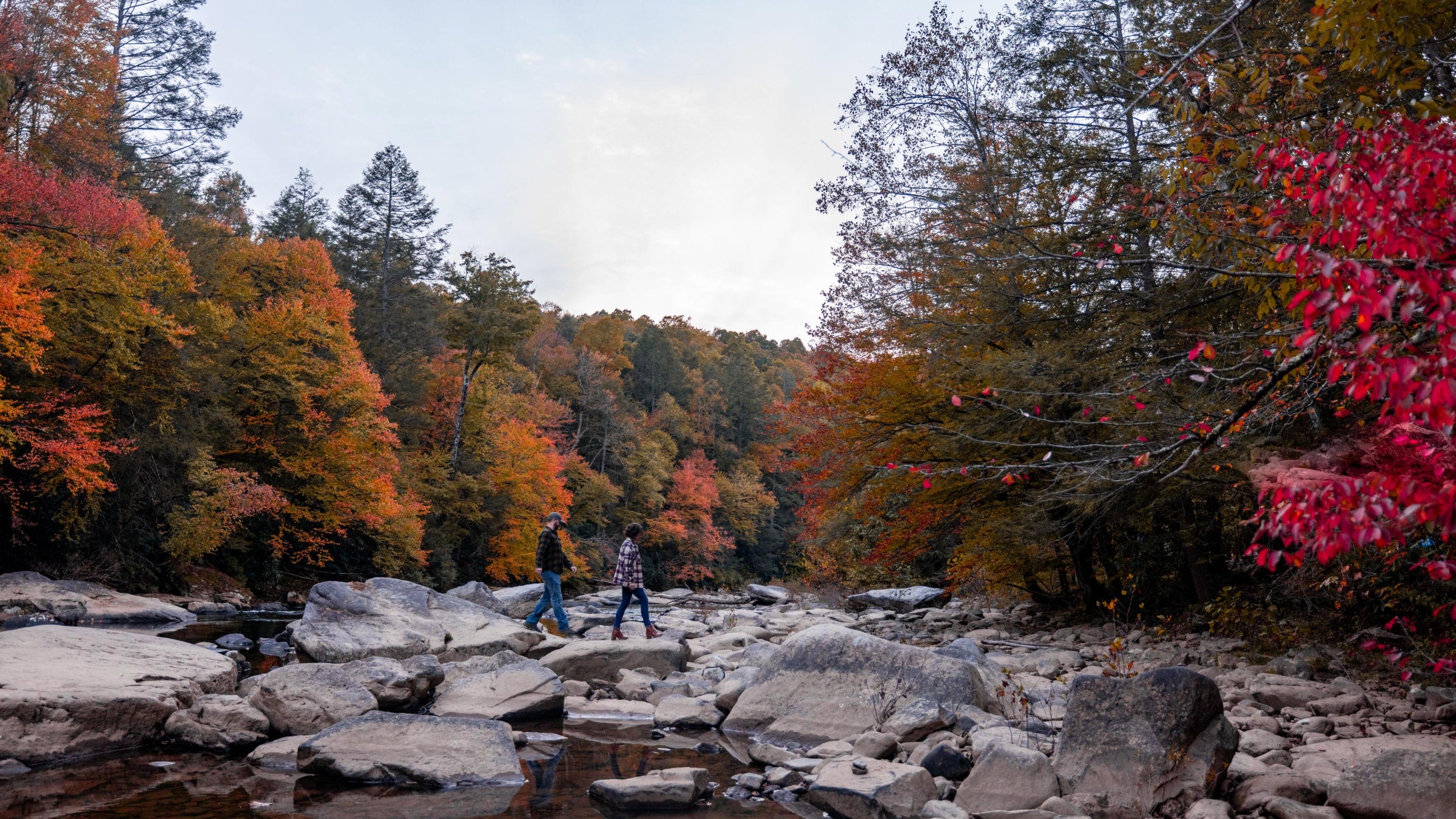
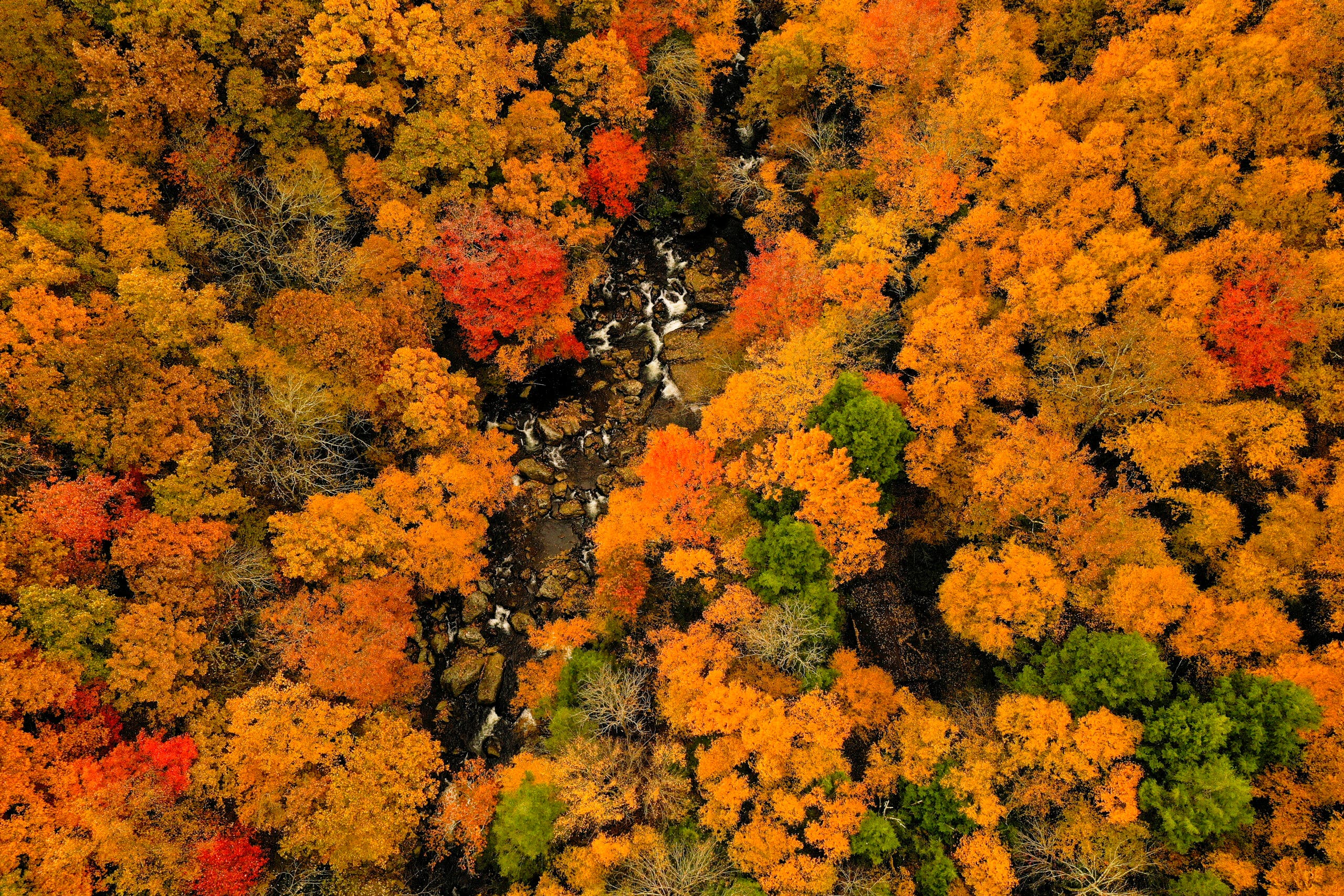
The season unofficially kicks off in early September, when overnight temperatures in the higher elevations begin to dip steadily below 50 degrees Fahrenheit. This temperature drop signals deciduous trees—predominantly sugar maples, red maples, northern red oaks, and yellow poplars—to halt chlorophyll production. As the green pigment fades, underlying carotenoids and anthocyanins emerge, painting the forest canopy in brilliant yellows, oranges, and deep reds.
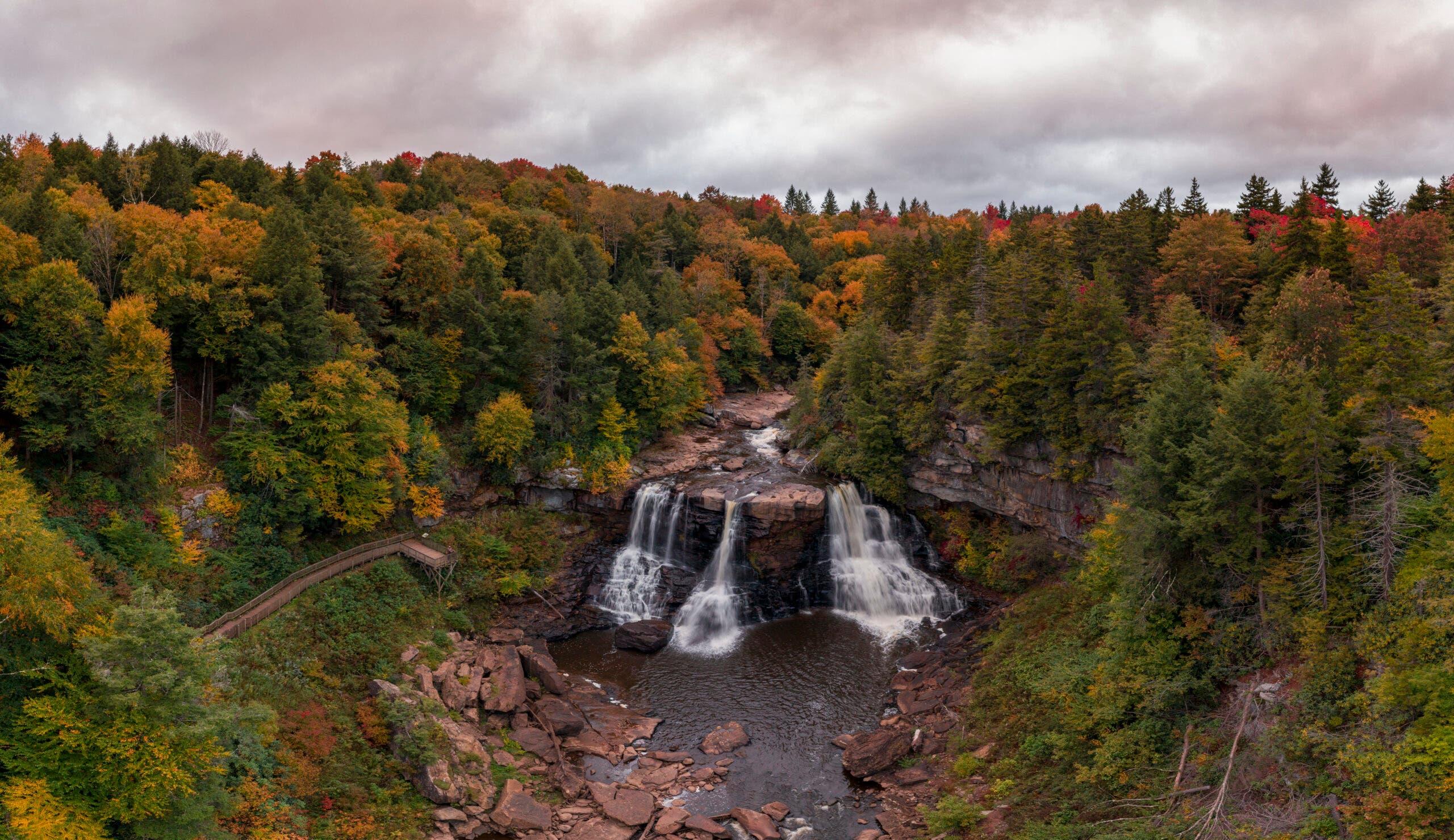
By mid-September, the state’s official tourism promotion efforts shift entirely toward autumn itineraries, highlighting regional attractions such as the West Virginia Waterfall Trail and designated scenic byways. During this phase, early-season visitors flock to high-altitude plateaus like the Monongahela National Forest and Blackwater Falls State Park, where the color change makes its initial debut.
As October unfolds, the wave of color sweeps steadily downward through the middle elevations. Mid-October marks the absolute peak for popular destinations such as Babcock State Park, Coopers Rock State Forest, and the New River Gorge National Park and Preserve. Traffic along major arteries, including U.S. Route 219 and Corridor H (U.S. Route 48), increases significantly as regional travelers from Washington, D.C., Pittsburgh, Baltimore, and Charlotte converge on the mountain corridors.
The season reaches its grand finale in late October and early November. While the higher peaks have typically shed their leaves by this time, laying bare the architectural skeletons of hardwood trees and opening up sweeping valley vistas, the southern river valleys—such as the Bluestone River Gorge—retain vibrant pockets of late-stage foliage. By mid-November, the autumn migration draws to a close as the state prepares for its winter recreation season.
Supporting Data and Economic Impact on Regional Hospitality
Autumn tourism is not merely an aesthetic pleasure for West Virginia; it is a critical economic engine for rural communities whose financial health relies heavily on the hospitality and service sectors. According to data compiled by the West Virginia Department of Tourism, the fall travel period accounts for a substantial percentage of the state’s annual tourism revenue, which routinely exceeds $5 billion overall and supports tens of thousands of jobs statewide.
State park lodging data reflects this intense seasonal demand. West Virginia boasts more than 20 state parks and forests equipped with cabin rentals, ranging from rustic, historic Civilian Conservation Corps (CCC)-era structures to modern, fully furnished chalets. Reservations for these cabins—particularly premier destinations like Blackwater Falls State Park, which features 39 cabins nestled amid spruce and hardwood forests, and Coopers Rock State Forest, renowned for its architectural stargazing cabins—often book out months in advance of the autumn peak.
Furthermore, specialized tourism initiatives launched by the state have successfully dispersed visitors away from overcrowded hotspots and into lesser-known regions. The West Virginia Waterfall Trail, for instance, catalogs more than 40 distinct waterfalls across the state. By implementing a digital passport system where travelers check in at various falls to earn prizes and commemorative merchandise, the state has gamified outdoor exploration. Statistics from the tourism office indicate that digital passport sign-ups surge by upwards of 45% during the autumn months, driving foot traffic to rural gas stations, local diners, and independent craft shops near remote cascades.
Official Responses and Strategic Tourism Initiatives
State officials have invested heavily in infrastructure and marketing campaigns to capitalize on the natural advantages of the autumn season while managing visitor impact on fragile ecosystems.
West Virginia Tourism Commissioner Chelsea Ruby has frequently emphasized the deliberate strategy behind highlighting unique, immersive experiences rather than generic sightseeing. “When people think of fall foliage, they often picture driving past trees in a car,” state tourism representatives note in seasonal briefings. “In West Virginia, our goal is to get people out of their vehicles and directly into the landscape—whether that means hiking to a secluded waterfall, riding an aerial tram across a gorge, or stargazing through the floor-to-ceiling skylights of a modern forest cabin.”
Recent infrastructure investments have directly enhanced the leaf-peeping experience. At Canaan Valley Resort State Park, the operation of scenic chairlift rides provides visitors with an effortless ascent above the tree line, offering panoramic views of the high-altitude plateau framed by the Allegheny Mountains. Similarly, at Pipestem Resort State Park, the historic Aerial Tram transports passengers on a breathtaking descent from the rim of the Bluestone Gorge down 3,600 feet to the canyon floor, allowing guests to experience the vertical stratification of autumn foliage from multiple perspectives.
To encourage mindful tourism and memory-making, the state has also installed more than 50 iconic "Almost Heaven" wooden swings at highly photogenic vantage points across state parks, historic towns, and scenic overlooks. These installations serve a dual purpose: they provide designated resting places for weary hikers and act as organic marketing tools as travelers share their experiences across social media platforms.
Broader Impact and Implications for the Mountain State
The surging popularity of West Virginia’s autumn season carries broader socio-economic and cultural implications for a state historically stereotyped by its reliance on heavy industry and resource extraction. The successful diversification of the state’s economy toward outdoor recreation and eco-tourism represents a vital paradigm shift.
As remote work flexibility persists nationwide, regional tourism officials report a growing trend of "workations" during the autumn months. Travelers are renting forest cabins equipped with broadband internet in state parks and forests, spending their mornings answering emails surrounded by amber leaves and their afternoons hiking trails or visiting waterfalls. This shift not only extends the average length of stay for tourists but also injects steady capital into rural micro-economies that historically experienced severe economic lulls between the summer vacation window and the winter ski season.
Moreover, the influx of out-of-state visitors plays a crucial role in shifting national perceptions of Appalachia. By showcasing the meticulously maintained state park infrastructure, the pristine environmental quality of the rivers and forests, and the warmth of Appalachian hospitality, autumn tourism acts as a powerful ambassador for the state. Many first-time autumn leaf-peepers ultimately return as repeat summer visitors or permanent residents, contributing to modest population stabilization efforts in historically rural counties.
Conclusion and Outlook for the Season
As the 2026 autumn season gets underway, West Virginia state parks and tourism operators stand ready to welcome record numbers of travelers. With favorable weather forecasts predicting a vibrant and prolonged color display, the convergence of ecological splendor, upgraded lodging infrastructure, and innovative tourism campaigns ensures that the Mountain State will more than live up to its celestial billing. Whether viewed from the deck of a stargazing cabin in Coopers Rock, from the seat of an aerial tramway in Pipestem, or from the wooden slats of an Almost Heaven swing overlooking a misty gorge, autumn in West Virginia remains an unmatched American wilderness experience.



 Dwi Wanna
 Budi Mulyono
 Lukman Taruna Persada Ramadan
 Chandra Hamzah
 Gabriela Annisa