
 Cholid Fahmi Thalib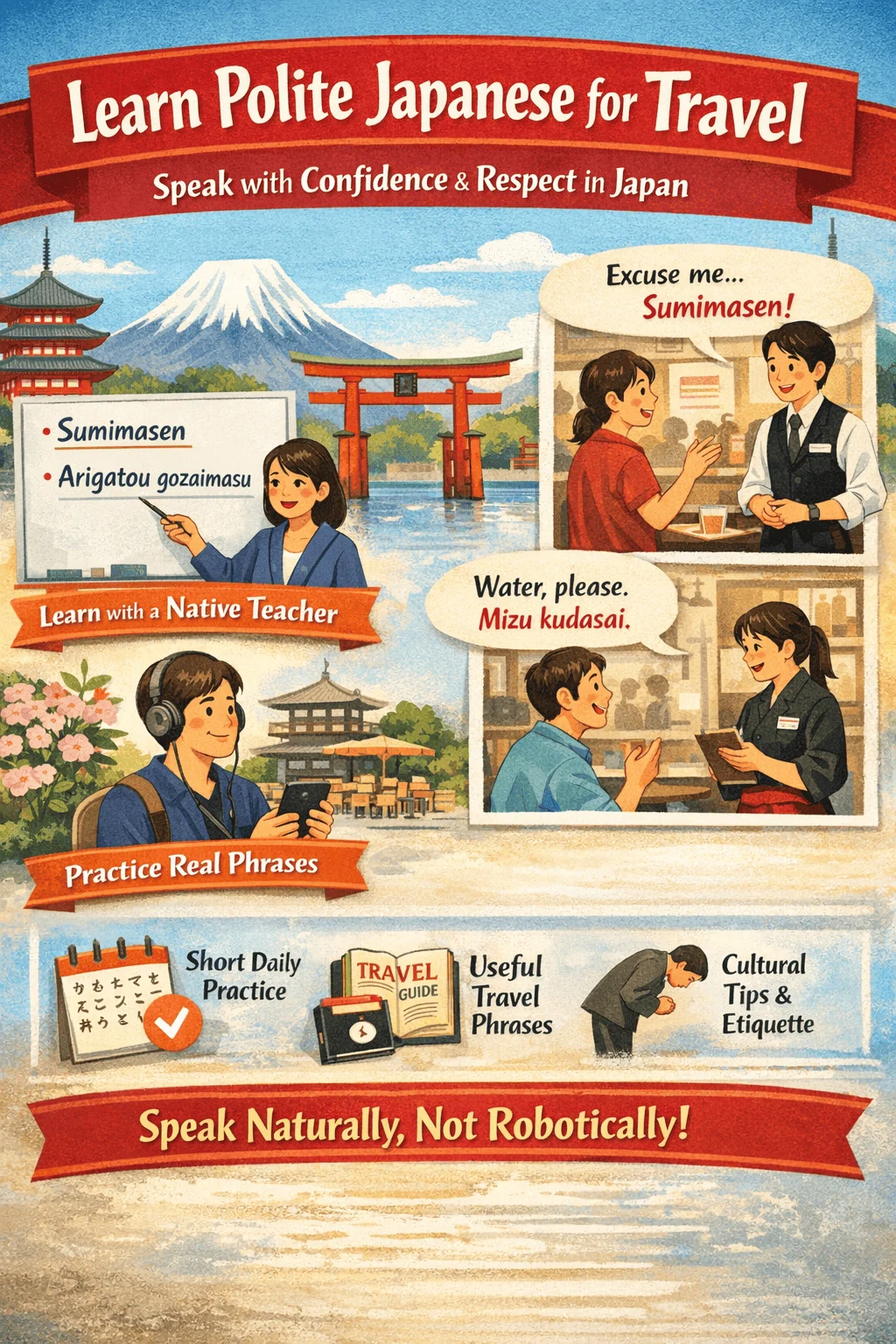
Traveling in Japan offers a rich cultural tapestry, but genuine engagement often hinges on effective communication. While comprehensive language fluency may be an ambitious goal for short-term visitors, mastering polite Japanese phrases is a practical and achievable objective that significantly enhances the travel experience. The key to unlocking this skill lies not in rote memorization of extensive phrasebooks, but in a strategic focus on real-world conversations, essential courtesy expressions, and an understanding of the underlying cultural principles that govern politeness. This approach allows travelers to move beyond robotic recitation and cultivate a natural, respectful, and confident demeanor in everyday interactions, from ordering a meal to seeking assistance.
The effectiveness of language learning is profoundly influenced by context and application. For travelers preparing for a journey to Japan, the urgency of practical communication often outweighs the desire for academic linguistic mastery. Many find that traditional methods, such as relying solely on guidebooks or generic audio courses, fall short in preparing them for the nuanced realities of Japanese social etiquette. These resources, while offering foundational vocabulary, often fail to adequately address the subtle shifts in tone, appropriate situational usage, and the underlying social cues that define polite interaction in Japan. This gap can lead to learners feeling ill-equipped, resorting to overly formal or informal language, or experiencing communication breakdowns due to misunderstandings of social hierarchy and respect.
A growing number of discerning travelers are therefore opting for more personalized and context-specific learning pathways. Engaging with experienced Japanese language tutors, particularly those specializing in travel preparation, offers a significant advantage. These educators can provide tailored guidance on the specific linguistic tools needed for common travel scenarios—such as navigating public transportation, checking into accommodations, or dining in restaurants. Crucially, they can demystify the cultural underpinnings of politeness, explaining the rationale behind certain linguistic choices and helping learners to develop an intuitive sense for appropriate expression. This targeted instruction ensures that time is invested in acquiring practical, high-frequency phrases that are immediately applicable, rather than in memorizing potentially irrelevant vocabulary. The emphasis shifts from quantity of words to quality of communication, fostering a deeper and more meaningful connection with the host culture.
The principle of spaced repetition and contextual learning is widely recognized in cognitive science as a superior method for long-term retention compared to massed practice. In the context of language acquisition, this translates to consistent, short-duration exposure to language in authentic situations. Hearing polite Japanese phrases used naturally by native speakers, whether through media, interactive lessons, or direct interaction, allows learners to internalize the rhythm, intonation, and appropriate usage patterns. This organic absorption process contrasts sharply with the often-sterile environment of textbook memorization, where phrases are learned in isolation and lack the vital cues of intonation, body language, and situational context. Over time, this consistent exposure and practice enable learners to move from a state of conscious recall of rehearsed sentences to a more fluid and responsive form of communication, building confidence and reducing the anxiety associated with speaking a foreign language.
Key Takeaways: Cultivating Conversational Confidence
The core of effective travel communication in Japanese lies in mastering a select set of high-impact phrases and understanding their functional versatility. By prioritizing these essential elements, travelers can quickly build the confidence needed to navigate daily life with respect and ease. This focused approach bypasses the overwhelming task of memorizing extensive vocabulary lists, instead concentrating on expressions that are frequently used and culturally significant. The aim is to equip travelers with the tools to engage politely and effectively in a variety of common situations.
Mastering Essential Polite Japanese Quickly
Achieving practical speaking proficiency in polite Japanese for travel purposes is well within reach by concentrating on foundational courtesy phrases, appropriate greeting patterns, and concise expressions for unexpected or sensitive situations. This strategic focus ensures that travelers can confidently navigate the intricacies of daily life in Japan without the burden of extensive memorization. The emphasis on practical application ensures that learned phrases are immediately useful, fostering a sense of accomplishment and encouraging further engagement with the language.
Most-Used Courtesy Phrases and Their Functions
Certain words and phrases form the bedrock of polite Japanese interaction, appearing in nearly every social exchange. Sumimasen stands out as a remarkably versatile term, functioning as both an "excuse me" and a "sorry." Its utility extends to gaining attention, such as politely interrupting a server in a restaurant, or to offering a gentle apology for minor inconveniences, like bumping into someone. The phrase Kudasai is indispensable for making respectful requests. When appended to a noun, it transforms a simple statement into a polite plea, as exemplified by mizu kudasai, meaning "water, please."
Beyond these foundational terms, expressions like Arigatou gozaimasu (thank you very much) and Onegaishimasu (a more formal "please," often used when making a request or asking for something to be done) are crucial for demonstrating gratitude and respect. Each of these phrases has a distinct, well-defined purpose, which significantly aids in memorization and recall through consistent application. The clarity of their function makes them easier to integrate into conversational patterns rather than treating them as abstract vocabulary items.
Achieving a natural-sounding delivery in Japanese involves paying close attention to intonation and timing. A soft, measured tone often accompanies polite speech, and a slight bow or nod can further convey sincerity and respect. In bustling environments such as shops and restaurants, the frequent and natural repetition of simple Japanese travel phrases like sumimasen or arigatou throughout the day reinforces their usage and strengthens the traveler’s comfort with these essential linguistic building blocks. These ingrained habits are fundamental to developing a natural cadence and projecting an air of respectful engagement.
Strategic Greetings for Different Situations
Japanese greetings are not merely perfunctory exchanges; they serve as important signals of respect, temporal awareness, and situational appropriateness. The standard greetings are tailored to the time of day: Ohayou gozaimasu for the morning, Konnichiwa for the afternoon, and Konbanwa for the evening. Adopting these simple temporal adjustments allows travelers to seamlessly integrate into local customs and demonstrate attentiveness to social norms.
While Sayonara is commonly understood as "goodbye," native speakers often employ more casual parting phrases like jaa ne or mata ne among friends and acquaintances. However, for polite farewells in more formal or public settings, phrases such as shitsurei shimasu (literally "I am being rude" by leaving) or dewa mata (see you later) are more appropriate. Understanding the contextual nuances of each phrase prevents misinterpretations, ensuring that communication remains either appropriately formal or comfortably casual depending on the situation.
The practice of greeting in Japan is deeply intertwined with the concept of omotenashi, or thoughtful hospitality. Returning a greeting with genuine warmth and sincerity is a powerful way to acknowledge and respect the host culture. A simple smile and a nod can add significant warmth and convey a positive disposition, even when language fluency is limited. These non-verbal cues play a crucial role in fostering positive interactions and demonstrating an appreciation for Japanese cultural values.
Minimal Phrases for Emergencies and Apologies
In the unpredictable nature of travel, having a few concise emergency phrases readily available can be critical. The exclamation Tasukete! translates to "Help!" and is essential for urgent situations. For medical needs, knowing Byouin wa doko desu ka? (Where is the hospital?) can be a lifeline. Keeping a short list of such critical phrases accessible, perhaps noted in a travel journal or on a smartphone, can provide invaluable peace of mind.
For occasions that require an apology, whether for accidental mistakes or causing inconvenience, the previously mentioned Sumimasen serves as a polite and general apology. For a more direct or stronger expression of regret, Gomen nasai is employed. These phrases are effective in acknowledging responsibility without necessitating lengthy or complex explanations, thereby maintaining a respectful and considerate demeanor even under duress.
The strategic preparation of a concise repertoire of emergency expressions is vital. These brief yet potent phrases enable individuals to respond clearly and respectfully during moments of pressure, thereby upholding the high standards of courtesy that are fundamental to both Japanese language and culture.
Effective Learning Methods for Travelers
The pursuit of polite and practical Japanese communication for travel does not necessitate extensive study hours. By adopting a methodology centered on practical expression, real-world application, and the cultivation of simple, consistent habits, travelers can achieve significant progress rapidly. Attentiveness to natural speech patterns and a nuanced understanding of the cultural context are paramount in developing a more respectful and confident presentation during any sojourn in Japan.
Memorization-Free Techniques for Rapid Results
The most effective path to acquiring practical Japanese phrases involves bypassing lengthy vocabulary lists in favor of learning through immersive context. Engaging with short, authentic conversations, such as those involving asking for directions or ordering food, provides an immediate and practical application for new language. The repeated exposure to concise, high-utility phrases accelerates the learning process far more effectively than rote memorization. This approach naturally teaches learners how polite language integrates into the flow of genuine conversation.
A segmented approach to learning can further enhance efficiency. For instance, dedicating a few minutes each day to mastering a specific set of related phrases—such as those used in a restaurant setting, or for basic transactional exchanges—allows for focused acquisition without cognitive overload. This deliberate practice ensures that each learning session yields tangible results and builds upon previous knowledge.
Techniques such as shadowing, where learners repeat short audio clips of native speakers aloud, are invaluable for improving pronunciation, intonation, and rhythm. This method allows for the development of accurate vocal patterns without the cognitive burden of memorizing explicit grammatical rules or vocabulary. Over time, the ear becomes more attuned to distinguishing between polite and casual forms of speech, leading to a more natural and intuitive grasp of the language.
Leveraging Japanese Writing Systems for Politeness
A foundational understanding of the Japanese writing systems can significantly enhance a traveler’s ability to recognize and interpret polite language in context. Beginning with Hiragana is advisable, as this phonetic script forms the basis of polite grammatical endings and many common everyday expressions. Subsequently, familiarizing oneself with Katakana is beneficial for recognizing foreign loanwords that frequently appear on signage and menus. The eventual study of common Kanji, such as those representing fundamental concepts like day (日), eat (食), or go (行), provides deeper insight into the structure and meaning of more complex phrases.
Each writing system offers clues about the tone and formality of the text. For example, Kanji characters are often employed in formal contexts, such as on signage in shops and train stations, where they are typically used to convey essential information with an air of authority or politeness. Observing these characters in their natural settings allows travelers to identify polite expressions through visual context rather than relying solely on memorization.
Maintaining a small notebook or digital note-taking system for recording useful symbols and phrases encountered during travels can be an effective strategy. This practice creates a personal lexicon that directly connects visual memory with real-life application, reinforcing learning in a highly personalized manner.
Using Technology and Cultural Tools
Modern language learning is significantly augmented by a range of technological tools and an awareness of cultural practices. Language applications and digital resources offer an efficient means of refining pronunciation and comprehension. Features such as speech recognition allow for immediate feedback on spoken phrases, enabling learners to correct errors in real-time. Translation tools, while useful for quick checks, should be employed judiciously; it is always advisable to vocalize translated phrases to assess their naturalness and intonation.
Audio-based learning platforms that offer slow playback capabilities are invaluable for improving listening comprehension. These can be effectively paired with short, simulated role-playing exercises, such as practicing a request at a train station or ordering tea in a café. This combination of auditory input and practical application solidifies learning.
Furthermore, understanding and incorporating key cultural customs can profoundly enhance communication. A slight bow, the appropriate use of honorifics like "-san" attached to names, and the demonstration of patience are all non-verbal expressions of respect that transcend linguistic barriers. By integrating these subtle cultural manners with basic Japanese phrases, travelers can foster more positive and meaningful interactions, demonstrating a genuine effort to connect with the host culture.
In conclusion, the ability to converse politely in Japanese while traveling is achievable without resorting to the daunting task of memorizing extensive phrase lists. The optimal strategy involves focusing on phrases directly relevant to everyday travel needs, such as greetings, requests, and expressions of gratitude. The consistent application of these phrases in real-life situations ensures their natural integration into memory.
The practice of reciting small sets of words and phrases repeatedly throughout a trip, such as saying "arigatou" (thank you) or "sumimasen" (excuse me), not only reinforces learning but also helps travelers project an aura of respect. Local Japanese people often value effort and sincerity above linguistic perfection, and this positive reception can significantly boost a traveler’s confidence.
Observing and emulating how native speakers articulate their words, paying attention to their tone and gestures, provides invaluable insights into what sounds natural and appropriate. Over time, these observations help to cultivate ingrained habits that make polite speech an intuitive part of the traveler’s routine.
Ultimately, the most effective approach to learning polite Japanese for travel is to prioritize use over memorization. By focusing on meaningful phrases, engaging in real interactions, and maintaining a patient and persistent attitude, travelers can acquire both comfort and respect as they explore the rich cultural landscape of Japan. This journey of communication is as much about cultural immersion as it is about linguistic acquisition.



 Anjar Salim
 Chandra Hamzah
 Tatiana Tantri Indah Sari
 Budi Mulyono
 Lukman Taruna Persada Ramadan
