
 Gabriela Annisa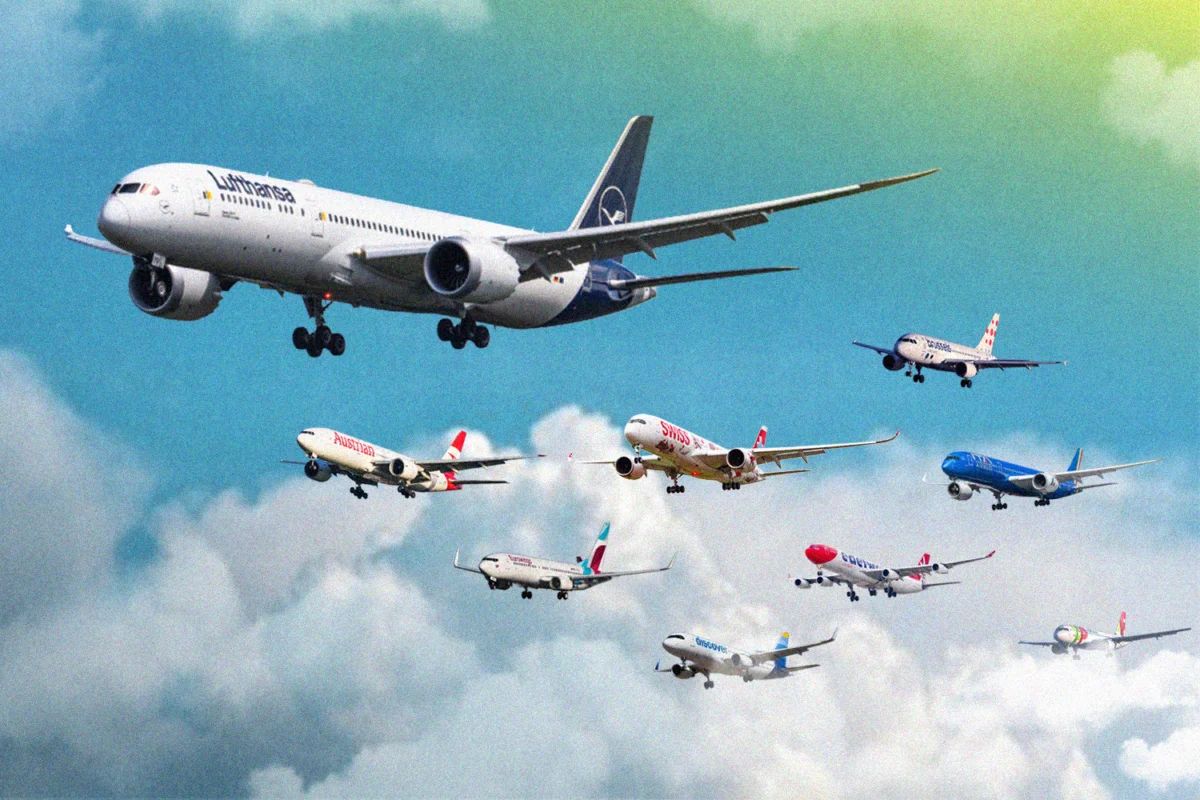
Lufthansa Group, Europe’s largest airline conglomerate, finds itself once again navigating a confluence of formidable challenges, from persistently high fuel prices and widespread labor unrest to the unsettling ripple effects of geopolitical disruptions in the Middle East. Despite these significant headwinds, the airline group has publicly affirmed its belief that it can emerge from the current crisis not just intact, but demonstrably stronger. This optimistic outlook, however, belies a more intricate and demanding reality, prompting industry observers and financial analysts to scrutinize the strategies employed by the Frankfurt-based carrier as it endeavors to maintain altitude amidst an increasingly turbulent global operating environment. The question remains whether the German aviation giant, with its extensive network and diverse portfolio including SWISS, Austrian Airlines, Brussels Airlines, and Eurowings, can adeptly steer through yet another period of intense industry shock without compromising its long-term strategic objectives or its leading market position.
Navigating Turbulent Skies: A Legacy of Resilience
Lufthansa’s current predicament is not an isolated event but rather a continuation of a historical pattern where the airline industry, by its very nature, is acutely susceptible to external forces. From the oil crises of the 1970s to the aftermath of 9/11, the 2008 global financial meltdown, and most recently, the unprecedented paralysis caused by the COVID-19 pandemic, Lufthansa has consistently demonstrated a remarkable capacity for resilience and adaptation. The post-pandemic recovery, initially characterized by a robust surge in travel demand as global economies reopened, presented its own set of challenges. Airlines, including Lufthansa, scrambled to reactivate fleets, re-hire and train staff, and rebuild their operational capacities. This rapid scale-up, while necessary to meet pent-up demand, inadvertently exposed vulnerabilities in supply chains and labor markets, setting the stage for the current wave of operational strains and industrial disputes. The airline industry’s inherently thin margins mean that any sustained increase in operational costs, whether from fuel or labor, or a downturn in demand due to external events, can quickly erode profitability and necessitate swift, often painful, strategic adjustments. Lufthansa’s expansive network, while a competitive advantage, also presents a larger canvas for these external pressures to manifest, requiring a sophisticated and agile management approach to mitigate risks across its diverse operations.
A Timeline of Challenges: From Recovery to Renewed Headwinds
The current period of instability for Lufthansa Group can be traced through a series of escalating events that have collectively shaped its operating landscape.
- Early 2022: Following the easing of pandemic-related travel restrictions, Lufthansa Group experienced a significant rebound in passenger numbers and booking activity. This period was marked by an optimistic outlook, with the airline forecasting a strong return to profitability as travel demand surged across leisure and business segments. Capacity restoration became a primary focus.
- Mid-2022: Global inflation began to accelerate, exacerbated by geopolitical events, leading to a sharp rise in energy prices. Jet fuel, a major operational expense for airlines, saw its cost per barrel escalate significantly, placing immense pressure on airline budgets that had just begun to stabilize post-pandemic.
- Late 2022 – Early 2023: As inflation eroded purchasing power, labor unions across Europe, including those representing various segments of Lufthansa’s workforce (pilots, ground staff, cabin crew), initiated more aggressive wage negotiations. These demands were driven by a desire to secure compensation that kept pace with the rising cost of living, coupled with a push for improved working conditions after the intense pressures of the pandemic and subsequent recovery.
- Throughout 2023: Lufthansa Group faced a series of disruptive strikes. Notably, the Verdi union, representing ground staff, orchestrated multiple walkouts, leading to widespread flight cancellations at key hubs like Frankfurt and Munich. Similar industrial actions by pilot unions (e.g., Vereinigung Cockpit) and cabin crew unions also intermittently impacted operations, resulting in millions of euros in lost revenue and significant reputational damage due to passenger inconvenience. These strikes often coincided with peak travel periods, amplifying their impact.
- October 2023 Onwards: The escalation of conflict in the Middle East introduced a new layer of complexity. Lufthansa, like many international carriers, was compelled to adjust its flight paths, rerouting flights to avoid certain airspace, which led to longer flight times and increased fuel consumption. Furthermore, travel demand to and from specific regions was affected, leading to capacity adjustments and a general sense of uncertainty among passengers regarding geopolitical stability, impacting forward bookings for certain long-haul routes.
- Early-Mid 2024: The challenges persist, with ongoing labor negotiations reflecting the continued tug-of-war between management’s need for cost control and union demands. Fuel prices remain volatile, influenced by global supply dynamics and geopolitical tensions. The operational environment remains highly sensitive to external shocks, necessitating continuous monitoring and proactive risk management.
Economic Headwinds and Operational Strains: The Data Behind the Turbulence
The financial and operational ramifications of these crises are substantial and quantifiable. Fuel costs, which typically account for 25-35% of an airline’s total operating expenses, have been a particularly acute concern. While crude oil prices (Brent and WTI benchmarks) have seen fluctuations, the sustained elevated levels, often above $80-90 per barrel, coupled with refining margins, have kept jet fuel prices consistently high. This directly translates to billions of euros in additional expenditure for Lufthansa Group annually, necessitating hedging strategies that can only partially mitigate the volatility.
Labor disputes have exacted a heavy toll. Publicly available reports and internal estimates suggest that each day of widespread strike action can cost Lufthansa tens of millions of euros in lost revenue from cancelled flights, compensation payments to affected passengers, and additional operational expenses such as rebooking costs. For instance, a single day of ground staff strike affecting major hubs can lead to hundreds of flight cancellations, impacting tens of thousands of passengers. The wage increases demanded by unions, often in the double-digit percentage range over multi-year agreements, present a significant increase to the group’s fixed costs, impacting long-term profitability if not offset by productivity gains or revenue growth. For example, recent agreements with ground staff have included significant pay raises and one-off inflation compensation payments, reflecting the intense pressure from the unions.
Financially, while Lufthansa Group has generally reported robust post-pandemic recovery results, achieving positive operating profits and net income in recent quarters, these figures are often achieved against a backdrop of careful cost management and strong demand. The current headwinds threaten to slow the pace of profitability growth. For instance, while Q3 2023 saw record operating profits, the subsequent quarters have faced increased pressure from labor actions and geopolitical shifts. Passenger load factors, a key metric for airline efficiency, have remained strong, often above 80%, indicating healthy demand when operations are smooth. However, strike days inevitably lead to lower load factors on affected routes and a reduction in available seat kilometers (ASKs), impacting overall capacity utilization and revenue generation.
The geopolitical situation in the Middle East has tangible impacts. Rerouting flights, such as those avoiding Iranian or Iraqi airspace, can add 30-90 minutes to flight times, leading to increased fuel burn and crew costs. Furthermore, the perceived risk in certain regions can deter leisure and business travelers, affecting booking curves for specific destinations and potentially leading to a shift in demand towards more stable markets. Cargo operations, a vital segment for Lufthansa, are also impacted by these route adjustments and potential disruptions to global supply chains, affecting freight volumes and yields.
Stakeholder Perspectives: Management, Unions, and Analysts
Lufthansa Group Management, led by CEO Carsten Spohr, consistently projects a message of strategic clarity and operational resilience. Their confidence in emerging stronger is rooted in several key initiatives. This includes an aggressive fleet modernization program, replacing older, less fuel-efficient aircraft with state-of-the-art models like the Airbus A350 and Boeing 787, which offer significant savings on fuel and maintenance. Digitalization efforts aim to enhance operational efficiency and customer experience, streamlining processes from booking to baggage handling. The focus on premium product offerings, catering to high-yield business and first-class travelers, is a strategy to enhance revenue per passenger and protect margins. Management also emphasizes network optimization, adjusting routes and frequencies to respond to market demand and geopolitical realities. They acknowledge the current challenges as transient but underscore the long-term strategic vision for sustainable growth and leadership in the global aviation market, often reiterating their commitment to customer satisfaction despite operational disruptions.
Labor Unions, such as Verdi and Vereinigung Cockpit, articulate their stance as advocating for fair compensation and improved working conditions for their members. They argue that years of austerity measures and wage stagnation, particularly during the pandemic, coupled with the current inflationary environment, necessitate significant pay increases. Their industrial actions are framed as a last resort to ensure that employees receive their equitable share of the airline’s post-pandemic recovery and to safeguard their purchasing power. They highlight the demanding nature of airline work, including irregular hours and high-stress environments, justifying their demands for better pay and benefits. The unions often emphasize that a motivated and fairly compensated workforce is essential for the airline’s long-term success and service quality.
Industry Analysts and Financial Institutions offer a more nuanced perspective. Many acknowledge Lufthansa’s strong market position, robust brand equity, and the strategic advantages of its hub-and-spoke network. They commend the airline’s proactive approach to fleet modernization and its diversification into various segments (passenger, cargo, MRO). However, they also voice concerns regarding the persistent operational challenges. Analysts often highlight the potential for sustained labor unrest to erode customer loyalty, dampen future booking intentions, and negatively impact the airline’s valuation. While some express cautious optimism, pointing to the underlying strength of travel demand, others warn that repeated disruptions could lead to a downgrade of financial outlooks or credit ratings if the cost base continues to escalate without corresponding revenue growth. The ability to effectively pass on increased costs to consumers through higher fares is also a key consideration, as excessive price increases could dampen demand, especially in competitive markets.
Broader Implications and the Road Ahead
The current crisis facing Lufthansa Group carries broader implications for its strategic direction and the wider aviation industry. These challenges are accelerating certain strategic imperatives for the airline. The push for greater operational resilience, for instance, has become paramount. This includes investing in robust contingency planning, enhancing digital communication channels with passengers during disruptions, and potentially re-evaluating staffing levels to build in greater buffers. The focus on premium travel and personalized services is likely to intensify, as these segments offer higher margins and greater customer stickiness, helping to insulate the airline from the vagaries of the highly competitive economy class market.
The situation also underscores industry-wide challenges within European aviation. Lufthansa’s struggles with labor disputes are mirrored across other major carriers, highlighting a continent-wide issue of balancing post-pandemic recovery with employee demands for better compensation. Competition from low-cost carriers, environmental regulations (such as the EU Emissions Trading System and mandates for Sustainable Aviation Fuels – SAF), and persistent infrastructure constraints at major European airports further complicate the operating landscape. While SAF adoption is crucial for sustainability goals, its significantly higher cost compared to traditional jet fuel presents another financial burden that airlines must manage.
Customer experience is at a critical juncture. While passengers understand the complexities of airline operations, repeated flight cancellations and delays can lead to frustration and a potential shift in loyalty. Lufthansa’s ability to communicate effectively and provide seamless rebooking and compensation processes during disruptions will be crucial for maintaining its brand reputation.
Financially, while Lufthansa has demonstrated a capacity to absorb shocks, sustained pressures could lead to a slower trajectory towards its long-term profitability targets. The airline will need to maintain a strong balance sheet to continue investing in its fleet and infrastructure, while simultaneously managing increasing operating costs. This delicate balancing act will be scrutinized by investors and rating agencies alike.
In the long term, Lufthansa Group’s vision remains centered on expanding its global network, driving digital transformation across all facets of its business, and cementing its leadership in sustainable aviation. Despite the immediate turbulence, the underlying strategic direction appears firm. However, the path to realizing this vision is fraught with complexity. Lufthansa’s ability to successfully navigate the current confluence of high fuel prices, labor unrest, and geopolitical instability will serve as a critical test of its adaptive capacity and strategic foresight. The confidence expressed by the group’s management, while a necessary public stance, must be underpinned by agile decision-making, effective stakeholder engagement, and a continuous focus on operational excellence to truly emerge stronger from this latest period of crisis.




 Anjar Salim
 Chandra Hamzah
 Tatiana Tantri Indah Sari
 Budi Mulyono

