
 Gabriela Annisa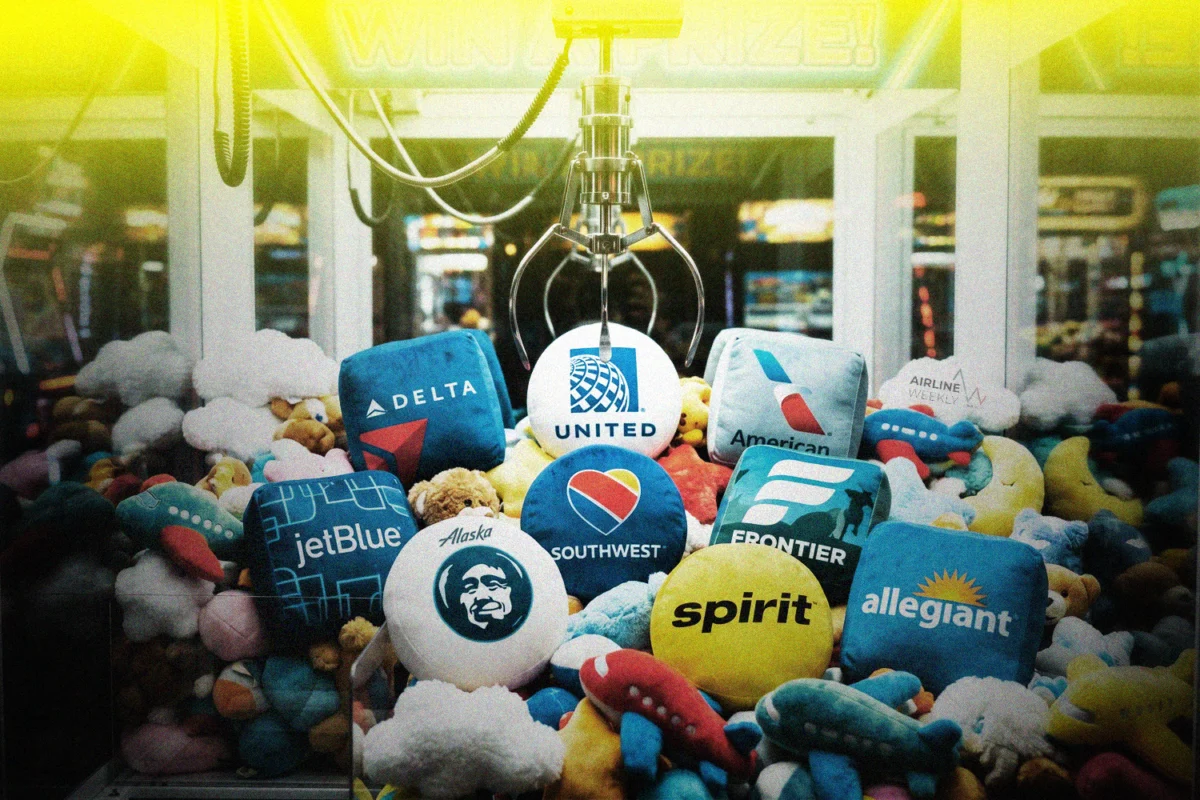
The American airline industry has been rocked by the sudden and definitive cessation of operations for Spirit Airlines, a pioneer and long-standing titan in the ultra-low-cost carrier (ULCC) segment. The official announcement, which came after months of intense speculation and a precipitous decline in its financial health, marks the end of an era for budget air travel in the United States. This seismic event is attributed to a confluence of insurmountable challenges, primarily surging fuel prices, the ultimate failure of strategic merger and bailout talks, and a business model that ultimately proved unable to adapt to a rapidly evolving post-pandemic market landscape. The immediate fallout includes the displacement of over 14,000 dedicated employees, a significant reshaping of competitive dynamics across numerous key domestic routes, and a pressing question that now hangs heavy over the industry: who, if anyone, will step forward to fill the considerable void left by Spirit’s departure?
The Rise and Reign of the Ultra-Low-Cost Pioneer
Spirit Airlines began its journey in 1964 as Clipper Trucking Company, evolving through various iterations before rebranding as Spirit Airlines in 1992. By the early 2000s, it had firmly established itself as a trailblazer in the ultra-low-cost model within the U.S. market. Its strategy was revolutionary for its time: unbundle virtually every aspect of the travel experience, offering rock-bottom base fares and charging separately for amenities that traditional carriers included, such as checked bags, carry-on bags, seat selection, and even bottled water. This approach, often dubbed the "bare fares" model, was designed to appeal to the most price-sensitive travelers, democratizing air travel for millions who might otherwise have found it prohibitively expensive.
Spirit’s operational efficiency was legendary, characterized by a uniform fleet of Airbus A320 family aircraft, maximizing crew training and maintenance synergies. They emphasized high aircraft utilization, quick turnarounds at gates, and flying point-to-point routes, often to secondary airports, to avoid costly hub fees and reduce delays. Ancillary revenue, derived from its myriad fees, became a critical component of its profitability, often accounting for a significant percentage of its total revenue, sometimes exceeding 40%. This innovative, albeit often controversial, business model forced competitors, including legacy carriers like American, Delta, and United, to introduce "basic economy" fares in an attempt to compete on price, validating Spirit’s disruptive influence on the market.
For decades, Spirit thrived, expanding its network to cover a vast array of leisure-oriented destinations across the U.S., Caribbean, and Latin America. Its distinctive yellow aircraft became a ubiquitous sight at airports, and despite frequent public criticism over its fee structure and occasional service issues, it maintained a loyal customer base attracted by the promise of the lowest possible fare. The airline’s growth trajectory seemed unstoppable, even as other ULCCs like Frontier and Allegiant carved out their own niches.
A Chronology of Mounting Pressures and Eventual Collapse
The seeds of Spirit’s demise were sown over several years, exacerbated by a series of external shocks and internal strategic missteps.
- Pre-Pandemic Headwinds (2018-2019): Even before the global health crisis, Spirit faced increasing competitive pressure. Legacy carriers had refined their basic economy offerings, making them more attractive. Furthermore, a tightening labor market began to push up pilot and flight attendant wages, eroding the ULCC’s cost advantage. Supply chain issues for aircraft parts and maintenance began to surface, leading to increased operational disruptions.
- The COVID-19 Pandemic (2020-2021): The initial shock of the pandemic brought global air travel to a near standstill. While government relief, such as the CARES Act, provided a temporary lifeline, it also introduced restrictions on layoffs and executive compensation. Spirit, with its lean margins, was particularly vulnerable to the drastic drop in demand, accumulating significant debt to weather the storm. The pandemic also shifted consumer priorities, with some travelers beginning to value flexibility, cleanliness, and bundled services over the absolute lowest fare, subtly challenging the core ULCC premise.
- Post-Pandemic Recovery and Economic Volatility (2022-2024): The rebound in travel demand was robust, but it came with significant inflationary pressures. Fuel prices, always a major cost center for airlines, began to skyrocket globally due to geopolitical tensions and increased demand, reaching levels not seen in years. Spirit, with its large fleet and extensive route network, was highly exposed to these price fluctuations. Simultaneously, labor shortages across the industry, particularly for pilots and mechanics, led to intensified bidding wars for talent, driving up wages and benefits. Spirit’s carefully managed cost structure was fundamentally undermined.
- Failed Merger Attempts (2022-2023): Recognizing the increasing pressures, Spirit sought consolidation as a path to survival. Two highly publicized merger attempts dominated its recent history. First, a proposed merger with Frontier Airlines, another prominent ULCC, aimed to create a low-cost giant capable of competing more effectively. However, this deal faced significant shareholder opposition and was ultimately derailed. Subsequently, JetBlue Airways launched a hostile takeover bid, which eventually led to a mutually agreed-upon merger plan. This proposed acquisition by JetBlue, valued at approximately $3.8 billion, was seen by many as Spirit’s best chance to avoid collapse, offering a way to infuse capital and integrate into a larger network. However, the U.S. Department of Justice (DOJ) filed an antitrust lawsuit to block the merger, arguing it would lead to higher fares and reduced competition, particularly for price-sensitive consumers. Despite a federal judge ruling in favor of the DOJ in early 2024, Spirit and JetBlue initially appealed the decision. Yet, the protracted legal battle, combined with Spirit’s rapidly deteriorating financial condition and the sheer uncertainty, eventually led to the mutual termination of the merger agreement, effectively sealing Spirit’s fate. The failure of these crucial "bailout" mergers removed any viable path for the airline to overcome its mounting financial distress.
- Escalating Operational Costs and Debt (2024-2025): Without the capital injection or scale benefits of a merger, Spirit found itself trapped. Its debt burden became unsustainable, operating costs continued to climb, and its cash reserves dwindled. Aircraft maintenance costs increased due to an aging fleet and supply chain bottlenecks, further squeezing margins. Despite efforts to cut costs and renegotiate terms with suppliers, the airline’s financial position became untenable.
- Final Decision (2026): Faced with insurmountable debt, an inability to secure new financing, and a business model that could no longer sustain profitability in the current economic climate, the board of directors made the difficult decision to cease all operations. This decision, while painful, was deemed the only responsible course of action to prevent further financial losses and a chaotic unwinding.
Supporting Data and Financial Realities
At its peak, Spirit Airlines operated a fleet of over 200 Airbus A320 family aircraft, serving more than 80 destinations across the Americas. In 2019, before the pandemic, it carried over 34 million passengers. By early 2024, its market share on key leisure routes to Florida, Las Vegas, and certain Caribbean destinations was substantial, often ranging between 10-15%, making it a critical competitive force.
However, the financial indicators tell a story of increasing strain. Fuel costs, which typically account for 25-35% of an airline’s operating expenses, saw unprecedented spikes, with jet fuel prices increasing by over 60% between 2021 and 2023. This disproportionately affected ULCCs like Spirit, which operated on razor-thin profit margins. Labor costs also rose significantly, with pilot wages increasing by an average of 30-40% across the industry in recent years, a necessary adjustment to attract and retain talent but a heavy burden for Spirit.
The airline reported consistent losses in its final years, culminating in a net loss of hundreds of millions of dollars annually. Its debt-to-equity ratio soared, indicating a dangerously high leverage. Attempts to raise capital through debt offerings were met with skepticism from investors, reflecting the market’s lack of confidence in its long-term viability without a significant strategic shift or external intervention. The termination of the JetBlue merger meant Spirit forfeited a $69 million termination fee and lost out on the $2.50 per share advance payment to shareholders, further depleting its already strained liquidity.
Inferred Statements and Industry Reactions
While an official, detailed statement from Spirit Airlines’ leadership has yet to be fully released outlining the specific nuances of the cessation, it is widely anticipated to convey a profound sense of regret. Such a statement would likely emphasize the insurmountable external pressures—record-high fuel prices, unprecedented labor cost inflation, and the ultimately fatal failure of the merger attempts—that made continued operation unsustainable. It would undoubtedly express deep gratitude and sorrow for the airline’s 14,000+ employees, acknowledging their dedication and the hardship of job loss.
Industry analysts are already weighing in, many expressing that Spirit’s collapse, while tragic, serves as a stark reminder of the brutal realities of the airline business. Experts from institutions like the CAPA Centre for Aviation and major financial houses are expected to highlight that while the ULCC model remains viable in certain contexts, its pure form, as practiced by Spirit, struggled to adapt to a post-pandemic environment where consumers began to demand more reliability and a slightly more comfortable experience, even at a higher price point. Analysts will likely point to the evolving competitive landscape, where even legacy carriers offered competitive basic economy fares, blurring the lines and eroding Spirit’s unique selling proposition.
Labor unions representing Spirit’s flight attendants, pilots, and ground staff are anticipated to voice profound concern for their displaced members. Statements from organizations like the Air Line Pilots Association (ALPA) and the Association of Flight Attendants (AFA) would likely focus on the immediate need for support services for former Spirit employees, including job placement assistance and extended benefits. They are also expected to emphasize the importance of retaining skilled aviation professionals within the industry and call on other airlines to absorb as many of these experienced workers as possible.
Competitor airlines, while likely expressing diplomatic condolences, are already positioning themselves to absorb Spirit’s market share. Statements from other ULCCs like Frontier and Allegiant might acknowledge the challenges of the market but reiterate their commitment to their own differentiated strategies. Larger carriers like American, Delta, United, and Southwest are expected to monitor the route map closely, potentially increasing frequencies or launching new routes to fill gaps, albeit without explicitly celebrating a competitor’s demise.
Government and regulatory bodies, particularly the Department of Transportation (DOT) and the Federal Aviation Administration (FAA), are anticipated to issue statements focusing on ensuring a smooth transition for affected passengers, protecting consumer rights, and maintaining stability within the aviation system. There may also be renewed scrutiny on future airline mergers, with Spirit’s fate potentially influencing how antitrust regulators view consolidation in the sector.
Broader Impact and Implications for the Industry
The ripple effects of Spirit Airlines’ collapse will be felt across the entire North American aviation ecosystem.
- Massive Job Displacement: The loss of over 14,000 jobs represents a significant human cost. Pilots, flight attendants, mechanics, ground staff, and corporate employees now face an uncertain future. While the aviation industry generally experiences high demand for skilled labor, the sheer volume of displaced workers will strain immediate absorption capacity. Many will likely find new roles with other airlines, but the transition will be challenging, potentially involving relocation or temporary unemployment.
- Reshaping Route Competition and Fares: Spirit had a dominant presence on numerous leisure routes, particularly to destinations in Florida (Fort Lauderdale, Orlando), Las Vegas, and various Caribbean and Latin American cities. Its departure immediately reduces competition on these routes, creating a vacuum that other airlines will rush to fill.
- Potential Beneficiaries: Other ULCCs like Frontier Airlines and Allegiant Air are likely to expand their service on former Spirit routes, attempting to capture a portion of the price-sensitive market. However, their capacity and network might not fully cover all of Spirit’s previous footprint. Legacy carriers and hybrid models (e.g., Southwest, Alaska Airlines) may also increase frequencies or deploy larger aircraft on these routes, potentially introducing more basic economy options.
- Fare Increases: In the short to medium term, reduced competition on many routes could lead to upward pressure on airfares, particularly for budget-conscious travelers. While new entrants or expanded services from existing carriers might eventually stabilize prices, the immediate impact is likely to be higher costs for consumers.
- Airport Operations and Slot Allocation: Spirit’s significant presence at key airports means that gates, landing slots, and ground handling resources will become available. This could benefit other airlines looking to expand, particularly at congested airports like Fort Lauderdale-Hollywood International Airport (FLL), Orlando International Airport (MCO), and McCarran International Airport (LAS), where Spirit was a major operator.
- Reassessment of the ULCC Model: Spirit’s failure forces a critical re-evaluation of the pure ultra-low-cost model in the U.S. market. While the foundational principles of efficiency and ancillary revenue remain powerful, the current economic climate—high fuel, high labor costs, and a market demanding more reliability—may necessitate adaptations. Future ULCCs might need to offer a slightly more robust, albeit still unbundled, product, or operate with even greater financial resilience. This could lead to a consolidation of the ULCC segment or a shift towards hybrid models that blend low fares with a slightly better customer experience.
- Consumer Impact: For consumers, the immediate loss is fewer ultra-low-fare options. While some may view Spirit’s unbundled model as restrictive, it undeniably provided the absolute lowest entry point for air travel. Its absence means a segment of travelers will have fewer choices, and potentially higher costs for their preferred routes. Conversely, some consumers might experience improved overall service reliability if the remaining carriers step up, as Spirit was often ranked lower in customer satisfaction metrics.
- Regulatory Scrutiny on Mergers: The failure of the JetBlue-Spirit merger, largely due to antitrust concerns, will undoubtedly influence future regulatory decisions regarding airline consolidation. Regulators may become even more cautious about approving mergers that reduce the number of competitors, especially in segments vital for price-sensitive consumers. This could make it harder for struggling airlines to find a lifeline through acquisition.
The demise of Spirit Airlines is more than just the bankruptcy of a single company; it represents a significant inflection point for the entire U.S. airline industry. It underscores the intense pressures of an unforgiving market, the delicate balance of the ULCC model, and the enduring challenge of adapting to rapidly changing economic and consumer landscapes. The question of who will fill the gap is not merely about replacing capacity but about re-imagining how affordable air travel will be delivered in an increasingly complex and consolidated industry. The ghost of Spirit Airlines may linger, serving as a cautionary tale and a catalyst for change for years to come.



 Budi Mulyono
 Anjar Salim
 Chandra Hamzah
 Tatiana Tantri Indah Sari

 Lukman Taruna Persada Ramadan