
 Walid Sujud Trenggono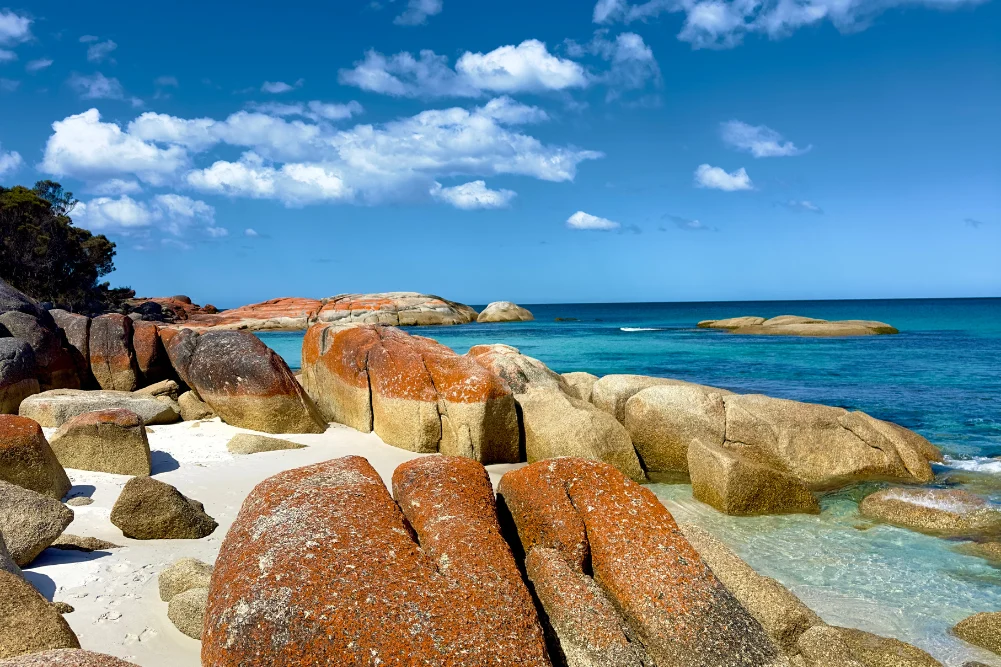
The trekking industry in Tasmania has seen a significant surge in demand as nature-based tourism becomes a cornerstone of the state’s regional economy. Among the most sought-after experiences is the Bay of Fires, known natively as Larapuna, a region on the north-east coast that combines rugged wilderness with high-end hospitality. Guided expeditions, such as those curated by Intrepid Travel, have popularized a "soft adventure" model, catering to a demographic that seeks physical challenge during the day and premium comfort by night. This model has proven resilient in the post-pandemic travel landscape, drawing domestic and international hikers to the pristine coastlines of the Tasman Sea.
The Strategic Importance of North-East Tasmanian Tourism
The Bay of Fires region, stretching from Binalong Bay to Eddystone Point, was famously named in 1773 by Captain Tobias Furneaux of the HMS Adventure. Furneaux observed numerous fires along the coast, which were the traditional land-management fires of the Palawa people, the Aboriginal inhabitants of Tasmania. Today, the "fire" is represented visually by the iconic granite boulders encrusted with bright orange lichen, a biological phenomenon that has helped the area earn accolades such as being named Australia’s most beautiful beach for 2025.
For the township of St Helens, the largest settlement on the north-east coast, the influx of hikers provides a vital economic stimulus. Historically a center for game fishing and tin mining, St Helens has successfully transitioned into a service hub for eco-tourism. The local economy now thrives on a synergy between outdoor recreation and the culinary sector, particularly the harvesting of southern rock lobster and Pacific oysters.
Operational Framework of the Three-Day Guided Trek
The logistics of a modern Tasmanian trekking tour are designed to minimize the physical burden on participants while maximizing environmental immersion. The standard three-day itinerary typically originates in Launceston, Tasmania’s second-largest city, before transferring guests to a base camp in St Helens.
Day One: Coastal Heath and Environmental Adaptation
The expedition commences with a reconnaissance of the Humbug Point Conservation Area. Hikers traverse the Skeleton Bay Track toward Dora Point, an area characterized by coastal heath, flowering paperbarks, and banksia forests. This initial phase serves as an acclimatization period, often exposing hikers to Tasmania’s volatile "maritime temperate" climate. Professional guides emphasize the necessity of technical waterproof gear, as the region is prone to rapid weather shifts, colloquially known as "sneaky rain."
Day Two: Maritime History and Geological Survey
The second day represents the technical core of the trek, involving a 12-kilometer journey starting at Eddystone Point. The point is dominated by a 35-meter-high lighthouse constructed from pink granite, a sentinel overlooking a graveyard of historical shipwrecks. The walk along Eddystone Beach provides a case study in coastal biodiversity. Participants observe Pacific gulls, sandpipers, and the distinct "Neptune’s necklace" seaweed (Hormosira banksii), which forms intricate patterns across the intertidal zones.
The geological significance of the area is underscored by the expansive shell coves. These deposits, sometimes several meters deep, consist of ancient cockle and clam shells, offering a glimpse into the long-term ecological cycles of the Tasman Sea.
Day Three: Wildlife Conservation and Industrial Heritage
The final leg of the journey takes place within Mount William National Park, a critical sanctuary for Tasmanian megafauna. The park is a stronghold for the common wombat (Vombatus ursinus) and the Tasmanian subspecies of the short-beaked echidna (Tachyglossus aculeatus). Unlike their mainland counterparts, Tasmanian echidnas possess thicker fur to combat the cooler climate, appearing as dark, spiky silhouettes against the scrub.
The return journey to Launceston includes a transit through Derby, a town that exemplifies Tasmania’s economic evolution. Once the site of one of the world’s richest tin mines, Derby has been repurposed into a global destination for mountain biking and adventure tourism, illustrating a successful "brownfield" to "greenfield" transition.
Participant Profiles and Market Demographics
The demographic profile of the modern hiker is diversifying. Data from recent tours indicate a mix of professional individuals and retirees. Among the participants in recent Bay of Fires treks were members of the emergency services—police and paramedics—utilizing the Tasmanian terrain as a training ground for more strenuous international treks, such as the Kokoda Track in Papua New Guinea.
Additionally, the "silver trekker" market is expanding. Hikers in their mid-70s, such as New Zealand nationals seeking solo-but-supported experiences, represent a growing segment of the industry. This group prioritizes safety, expert navigation, and the elimination of heavy load-bearing (pack-carrying), which allows for longer engagement with the sport of hiking as they age.
Ecological and Culinary Integration
A defining feature of the Tasmanian trekking experience is the integration of local produce into the itinerary. This "paddock-to-plate" or "ocean-to-plate" approach serves as both a marketing tool and a support system for local agriculture.
- Marine Resources: St Helens is the game fishing capital of Tasmania. The availability of "Lease 65" oysters, harvested just minutes from the point of consumption, provides a high-protein, low-impact food source for active tourists.
- Sustainable Flora: The scent of local wildflowers, including various species of Melaleuca and Leptospermum, is often cited by participants as a primary sensory takeaway, highlighting the importance of preserving the air quality and native vegetation of the north-east corridors.
- Hydrological Anomalies: Sites like the Little Blue Lake, a remnant of the Endurance tin mine, serve as educational points. The lake’s vivid turquoise color is caused by suspended white clay particles—a visual reminder of the region’s industrial past and the lingering environmental footprints of mining.
Analysis of Implications for Regional Development
The success of guided treks along the Bay of Fires has broader implications for Tasmania’s land management policies. The high volume of foot traffic necessitates rigorous trail maintenance to prevent erosion, particularly in sensitive dune systems. Organizations like Intrepid Travel operate under strict "Leave No Trace" principles, which are essential for maintaining the "pristine" branding that attracts international visitors.
Furthermore, the naming of the Bay of Fires as a top-tier global beach destination for 2025 is expected to increase pressure on local infrastructure. This will likely lead to:
- Increased investment in regional airports, specifically Launceston (LST).
- Greater demand for boutique accommodation in St Helens, such as the Panorama Hotel.
- A need for more certified guides who are trained not just in navigation, but in the "storytelling" of Tasmanian history—ranging from convict escapees like William Swallow to the complex history of the Palawa people.
Conclusion
The Bay of Fires guided trek represents more than a recreational activity; it is a sophisticated intersection of environmental conservation, historical education, and luxury tourism. As Tasmania continues to position itself as a "hiker’s heaven," the balance between accessibility and preservation remains the primary challenge for stakeholders. With a price point starting at approximately $1,680, these tours are positioned as premium experiences that contribute significantly to the cultural and economic fabric of North-East Tasmania.
The presence of unique wildlife, such as the elusive wombat and the robust Tasmanian echidna, combined with the geological marvel of the lichen-stained granite, ensures that the Bay of Fires remains a flagship for Australian tourism. As the industry moves toward 2025, the focus will likely remain on sustainable growth and the deepening of the narrative-driven travel experience, where the journey through the landscape is as much about the history of the land as it is about the physical path taken.



 Anjar Salim
 Chandra Hamzah
 Tatiana Tantri Indah Sari
 Budi Mulyono

