
 Walid Sujud Trenggono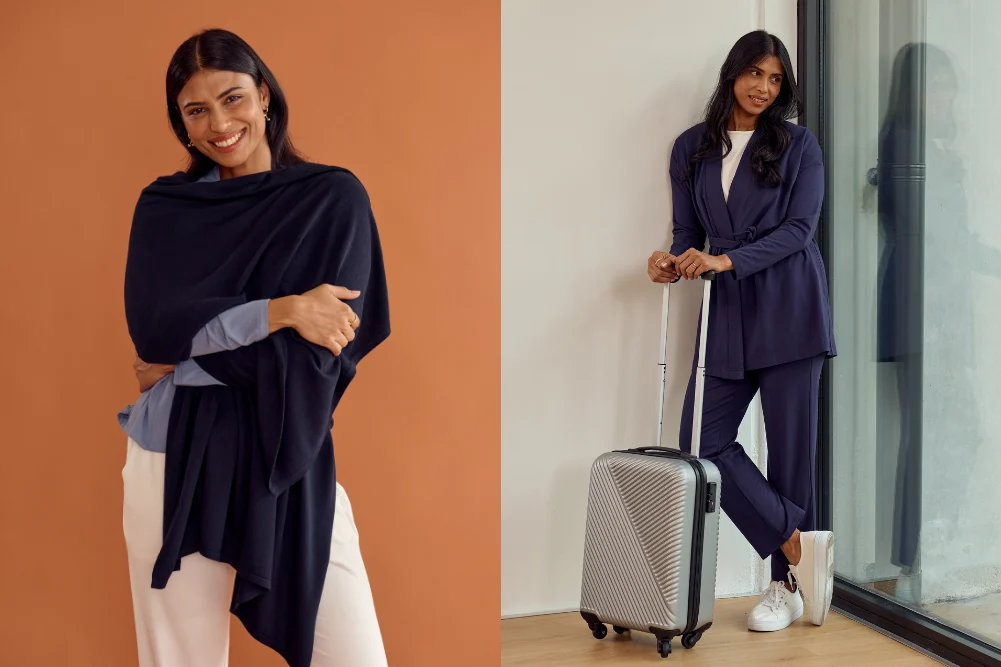
The global travel landscape has undergone a significant transformation over the past decade, moving away from the rigid formalities of mid-century "jet-set" glamour toward a philosophy rooted in physiological well-being and environmental consciousness. As international passenger traffic continues to surge toward pre-pandemic levels—with the International Air Transport Association (IATA) projecting a record 4.7 billion travelers in 2024—the demand for specialized apparel that can withstand the rigors of long-haul transit has reached an all-time high. For many, the secret to arriving at a destination feeling refreshed and composed begins not with the itinerary, but with the strategic selection of a travel outfit.
Anyone who has stepped off a 14-hour international flight feeling stiff, dehydrated, and physically dishevelled understands that clothing at 35,000 feet serves a function far beyond aesthetics. The environment of a modern aircraft cabin presents a unique set of physiological challenges: fluctuating temperatures, low humidity, and the physical constraints of prolonged sitting. Consequently, the "what to wear" question has evolved from a matter of style into a logistical necessity. In response to this need, Australian brand Bamboo Body has spent nearly two decades refining the application of bamboo-derived textiles to solve the specific dilemmas of the frequent flyer.
The Physiological Demands of Air Travel
To understand the necessity of specialized travel wear, one must first analyze the environmental conditions of the modern aircraft cabin. Cabin altitudes are typically pressurized to the equivalent of 6,000 to 8,000 feet above sea level, which results in lower oxygen saturation in the blood. When combined with humidity levels that often drop below 20%—drier than many deserts—the body experiences rapid dehydration and skin irritation.
Furthermore, the "micro-climate" of an airplane seat is notoriously unstable. During boarding and taxiing, cabins can become uncomfortably warm as the aircraft’s cooling systems operate at lower capacities. Once at cruising altitude, however, temperatures often drop significantly to combat the heat generated by onboard electronics and to help keep passengers alert. This 15-to-20-degree variance necessitates a wardrobe that is both thermally adaptive and highly breathable.
Medical experts frequently cite the importance of non-restrictive clothing for the prevention of deep vein thrombosis (DVT) and general circulatory issues. Tight waistbands or non-stretch fabrics can impede blood flow during long periods of inactivity. This is where the integration of textile science becomes a critical component of the travel experience.
The Evolution of Bamboo as a Performance Textile
The rise of Bamboo Body as a leader in the travel apparel niche is a result of a broader shift in the fashion industry toward "slow fashion" and functional natural fibers. Founded nearly twenty years ago, the brand entered the market at a time when synthetic polyesters dominated the "comfort" sector. However, the inherent properties of bamboo fiber offered a natural alternative that outperformed synthetics in several key metrics.
Bamboo fabric is naturally temperature-regulating. The cross-section of the bamboo fiber is filled with various micro-gaps and micro-holes, allowing it to have much better moisture absorption and ventilation than cotton or silk. In a travel context, this means the fabric can wick moisture away from the skin during a frantic dash through a terminal, yet provide enough insulation to retain body heat in a cold cabin.
Furthermore, bamboo is naturally hypoallergenic and antimicrobial. For a traveler spending upwards of 24 hours in the same outfit across multiple time zones and climates, the ability of a fabric to remain odor-resistant and gentle on the skin is a significant advantage. The brand’s focus on these properties has allowed it to transition from a niche sustainable label to a staple for the international travel community.
Strategic Wardrobe Architecture: The Travel Set
The modern approach to travel dressing is increasingly focused on "wardrobe architecture"—the idea that a few well-chosen, modular pieces can replace a larger volume of less efficient clothing. The "Travel Set" has emerged as the cornerstone of this strategy. By utilizing coordinated pieces in soft, breathable fabrics, travelers can achieve a polished, "put-together" aesthetic that belies the comfort of the garments.
A matching set, characterized by stretchy waistbands and relaxed silhouettes, addresses the psychological aspect of travel. Feeling "dressed" rather than just "covered" can significantly reduce the stress associated with transit. Bamboo Body’s range of travel sets is designed to transition seamlessly from the airport lounge to a hotel lobby or a casual dinner upon arrival. This versatility is particularly valuable for travelers adhering to "carry-on only" philosophies, where every item must serve multiple purposes.
Thermal Management and the Role of the Travel Wrap
One of the most persistent challenges of air travel is the unpredictability of the cabin environment. Many airlines have reduced the distribution of complimentary blankets for hygiene and cost-saving reasons, leaving passengers vulnerable to the "red-eye chill."
The introduction of the Travel Wrap—specifically those utilizing a blend of bamboo and recycled cashmere—represents a sophisticated solution to this problem. A generously sized wrap serves as a multi-functional tool: it functions as a scarf for terminal transit, a shawl for the flight, and a lightweight blanket during sleep. The inclusion of recycled cashmere adds a layer of luxury and warmth without the bulk associated with traditional wool.
From a sustainability perspective, the use of recycled cashmere aligns with a growing consumer demand for circular fashion. By repurposing existing fibers, brands reduce the environmental footprint of their high-end garments, offering a product that is both ethically sourced and functionally superior.
The Layering System: Managing Micro-Climates
A professional travel outfit is rarely a single layer. Instead, it is a system designed to be adjusted as the traveler moves through different environments—from the summer heat of a car park to the air-conditioned terminal, and finally into the pressurized cabin.
The base layer is the most critical component of this system. A fitted singlet or a lightweight tee made from bamboo provides a moisture-wicking foundation that prevents the "clammy" feeling often associated with synthetic base layers. Over this, a long-sleeve layer or a travel set top provides the necessary insulation. This layering strategy allows the traveler to add or remove components without the need to access checked luggage, ensuring constant comfort regardless of external conditions.
The Often-Overlooked Importance of Hosiery
While much attention is paid to outerwear, the role of socks in travel wellness is frequently underestimated. During long-haul flights, the feet and ankles are prone to swelling due to gravity and inactivity. Cold feet can also prevent a traveler from falling asleep, as the body cannot effectively regulate its core temperature if the extremities are chilled.
Bamboo socks have become a recommended accessory for frequent flyers. Unlike cotton, which can retain moisture and become cold, or nylon, which can cause overheating, bamboo fibers maintain a consistent temperature. The softness of the fiber also reduces the risk of skin irritation during long periods of wear. It is a minor detail that, when corrected, significantly improves the overall quality of the journey.
Market Trends and the Future of Travel Apparel
The growth of the travel apparel sector is intrinsically linked to the broader "wellness tourism" market, which is expected to reach $1.3 trillion by 2025. Modern travelers are increasingly viewing the journey itself as a component of their health and well-being, rather than merely a hurdle to be cleared.
This shift has forced a reaction from the fashion industry. Consumers are moving away from "fast fashion" items that lose their shape or pill after a single trip, opting instead for high-quality, durable pieces that maintain their integrity over years of use. This "investment" mindset favors brands like Bamboo Body, which prioritize fabric longevity and classic, seasonless designs over fleeting trends.
Furthermore, the environmental impact of travel is under intense scrutiny. As travelers become more aware of their carbon footprint, they are seeking ways to offset their impact through sustainable consumption. Choosing apparel made from bamboo—a highly renewable resource that requires no pesticides and significantly less water than cotton—allows travelers to align their wardrobe with their environmental values.
Analysis of Implications: A New Standard for Transit
The implications of this shift in travel dressing extend beyond individual comfort. There is a growing recognition that the way we dress for transit affects our behavior and the way we are treated by service staff and authorities. A "polished-yet-comfortable" look facilitates a smoother transition through security and immigration, where a professional appearance can be an asset.
Moreover, the psychological "enclothed cognition"—the idea that the clothes we wear affect our mental processes—suggests that wearing a well-planned, high-quality travel outfit can reduce the anxiety and fatigue often associated with international travel. By removing the physical discomforts of itching, sweating, or shivering, the traveler is free to focus on the purpose of their journey.
In conclusion, the evolution of the travel outfit from a casual afterthought to a strategically engineered system reflects a broader maturation of the travel industry. As brands like Bamboo Body continue to innovate within the realm of sustainable textiles, the "perfect travel outfit" is becoming an accessible standard for the modern voyager. The secret to arriving refreshed is no longer a secret; it is a matter of selecting pieces that respect the body’s physiological needs while honoring the planet’s resources. For the contemporary traveler, the journey does not begin at the destination, but at the moment they dress for the departure.



 Anjar Salim
 Chandra Hamzah
 Tatiana Tantri Indah Sari
 Budi Mulyono
 Lukman Taruna Persada Ramadan
