
 Walid Sujud Trenggono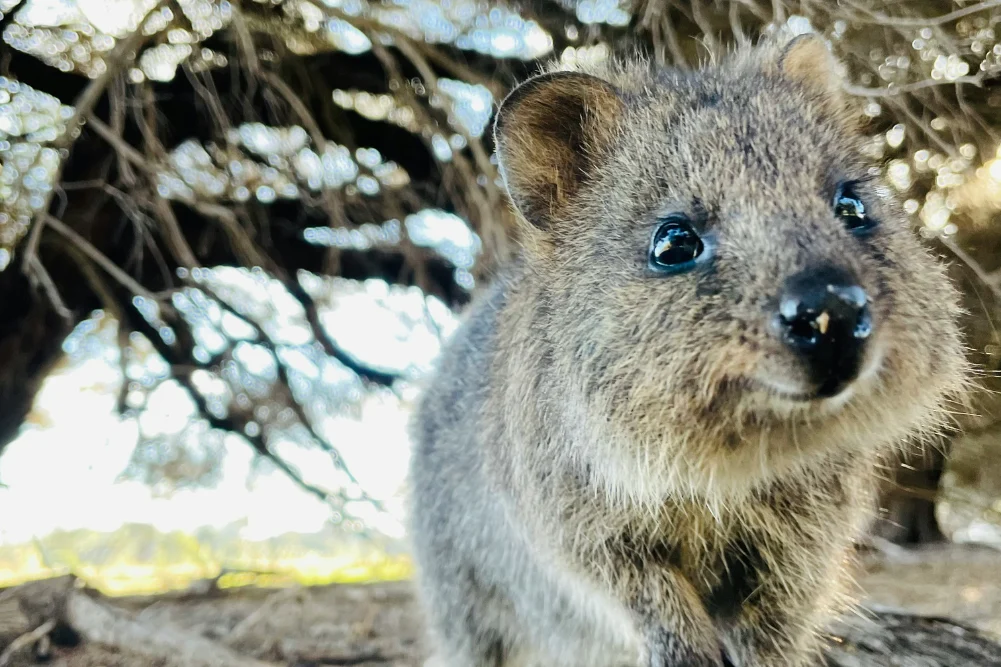
Rottnest Island, located 19 kilometers off the coast of Western Australia, serves as a primary pillar of the state’s tourism industry, drawing hundreds of thousands of domestic and international visitors annually. Known to the Whadjuk Noongar people as Wadjemup, the island represents a complex intersection of pristine natural beauty, precarious ecological conservation, and a somber colonial history. While modern travel narratives often focus on the island’s crystal-clear lagoons and its most famous inhabitant, the quokka, the destination is increasingly defined by a dual effort to preserve its unique biodiversity and acknowledge its past as a site of Indigenous incarceration.
The Quokka Phenomenon and Conservation Realities
The quokka (Setonix brachyurus), a small macropod about the size of a domestic cat, has become the global face of Western Australian tourism. This popularity reached an inflection point in 2017 when a social media post by tennis professional Roger Federer, featuring a "quokka selfie," achieved a reach estimated at one in seven internet users globally. According to Tourism Western Australia, such high-profile endorsements have significantly boosted visitor numbers, providing essential revenue through tourist levies that are reinvested into island infrastructure and conservation programs.
However, the biological reality of the quokka is more fragile than social media suggests. The species is currently listed as "vulnerable" on the International Union for Conservation of Nature (IUCN) Red List. While Rottnest Island supports approximately 10,000 to 12,000 quokkas—representing two-thirds of the global population—the species is found only in the southwest corner of Western Australia. On the mainland, quokka populations have been decimated by habitat loss and predation by invasive species such as foxes and cats.
On Rottnest, the challenges are climatic. Rising global temperatures and increasingly frequent bouts of drought pose a direct threat to the island’s freshwater sources and vegetation. Scientific monitoring by the Rottnest Island Authority (RIA) indicates that during peak summer months, the scarcity of succulent vegetation can lead to nutritional stress within the population. Furthermore, the "celebrity" status of the animals has necessitated strict regulations; feeding or touching quokkas carries significant fines under the Rottnest Island Regulations 1988, as human interference can disrupt their natural foraging behaviors and health.
Logistical Infrastructure and Environmental Management
Spanning 11 kilometers in length and 4.5 kilometers at its widest point, Rottnest Island is managed as an A-Class Reserve. The island’s infrastructure is designed to minimize the carbon footprint of its visitors, with a strict prohibition on private motor vehicles. Transportation is primarily limited to bicycles, an island shuttle bus, and a small fleet of service vehicles.
The visitor hub, known as The Settlement, acts as the logistical center for the island’s 700,000-plus annual visitors. From this point, travelers access 63 beaches and 20 bays, many of which feature complex limestone reef systems. These reefs are part of the Rottnest Island Marine Reserve, which provides a sanctuary for diverse marine life, including the bottlenose dolphins often sighted in Porpoise Bay and migratory humpback whales.
The island’s topography includes a series of inland salt lakes, which cover approximately 10 percent of the land area. These lakes are permanent features, though their salinity levels fluctuate significantly with the seasons. The Wadjemup Lighthouse, situated at the island’s highest point, remains a critical navigational aid and a focal point for visitors, offering a 360-degree view of the island’s geological formations and the distant Perth skyline.
The Dark History of Wadjemup: A Century of Incarceration
While the contemporary image of Rottnest is one of leisure, its historical record contains a significant period of trauma. Between 1838 and 1931, the island functioned as a penal colony for Aboriginal men and boys. Over the course of nearly a century, approximately 4,000 Indigenous people from across Western Australia were exiled to the island.
The prisoners, some as young as eight years old, were subjected to forced labor, contributing to the construction of much of the island’s iconic colonial architecture, including the original lighthouse, the seawall, and the "Quod." The Quod, a circular building originally designed as prison cells, was later controversially used as tourist accommodation for decades before being closed for redevelopment as a memorial site.
Historical records indicate that the prison era was marked by extreme hardship, disease, and malnutrition. It is estimated that more than 370 prisoners died on the island, many buried in unmarked graves in the Wadjemup Aboriginal Burial Ground near the Quod. This site is now recognized as the largest pre-1970s recorded site of Aboriginal deaths in custody in Australia. In recent years, the Rottnest Island Authority has engaged in the "Wadjemup Project," a consultation process with Aboriginal communities to ensure the island’s history is accurately represented and that the burial grounds are appropriately memorialized.
Fremantle: The Gateway and the Place of the Woylie
The journey to Rottnest typically begins in Fremantle (Walyalup), a port city with a distinct but intertwined history. The Noongar name Walyalup translates to "Place of the Woylie," referring to the brush-tailed bettong that once thrived in the region. Like the quokka, the woylie is now a critically endangered species, highlighting the broader ecological shifts that have occurred since European settlement.
Fremantle’s urban landscape is dominated by well-preserved 19th-century limestone architecture, much of which was built by convict labor. The Fremantle Prison, a UNESCO World Heritage site, served as the primary place of incarceration in Western Australia from 1855 until 1991. Today, it operates as a museum and hostel, providing a stark reminder of the state’s penal history.
The city also serves as a cultural and scientific hub. The WA Shipwreck Museum, located near the waterfront, houses the remains of the Batavia, a Dutch East India Company ship wrecked in 1629. The restoration of the Batavia’s 400-year-old timbers is considered a landmark achievement in maritime archaeology. This museum, along with the Round House—the oldest public building in Western Australia—forms a historical corridor that connects the mainland to the maritime history of Rottnest Island.
Economic Impact and Future Outlook
The economic relationship between Perth, Fremantle, and Rottnest Island is significant. Ferry operators, including SeaLink, Rottnest Fast Ferries, and Rottnest Express, provide the primary transit link, with services departing multiple times daily. The pricing structure, which includes a government-mandated "landing fee," ensures that every visitor contributes to the environmental upkeep of the island.
| Expense Category | Estimated Cost (Low Season) | Estimated Cost (Peak Season) |
|---|---|---|
| Ferry Return (Adult) | $84 – $124 | $90 – $130 |
| Bike Hire (Daily) | $33 | $33 |
| Budget Accommodation | $43 – $93/night | $60 – $150/night |
| Luxury Accommodation | $300 – $580/night | $600 – $1240/night |
As tourism continues to grow, the management of Rottnest Island faces the challenge of "overtourism" during peak summer months. The Rottnest Island Management Plan 2023–28 outlines strategies to diversify the visitor experience, encouraging travel during the "shoulder" seasons of spring and autumn to reduce pressure on the island’s resources.
Furthermore, there is a growing movement toward "truth-telling" in tourism. Modern visitors are increasingly presented with the island’s full history, rather than a sanitized version. This shift is reflected in the increased presence of Noongar-led tours and educational signage that explains the significance of Wadjemup beyond its recreational value.
Analysis of Broader Implications
The evolution of Rottnest Island from a site of colonial incarceration to a premier tourist destination reflects broader trends in Australian society regarding reconciliation and environmental stewardship. The reliance on the "quokka selfie" for marketing has been a double-edged sword; while it has secured the island’s economic future, it has also necessitated a high level of management to ensure the animals’ welfare is not compromised by their fame.
The ongoing preservation of both the natural environment and the historical sites requires a delicate balance. The transition of the Quod from a tourist hotel to a site of reflection is a pivotal moment in the island’s history, signaling a move toward a more mature and honest tourism model. For the Western Australian government, the challenge lies in maintaining Rottnest as an accessible "local" holiday spot while managing its status as an international icon.
Ultimately, the significance of Rottnest Island and Fremantle extends beyond their aesthetic appeal. They serve as living laboratories for conservation and vital sites for cultural memory. As visitors cycle the island’s perimeter or walk the historical streets of Fremantle, they are participating in a narrative that spans thousands of years—from the ancient traditions of the Whadjuk Noongar people to the modern efforts to protect one of the world’s most unique marsupials.



 Anjar Salim
 Chandra Hamzah
 Tatiana Tantri Indah Sari
 Budi Mulyono
 Lukman Taruna Persada Ramadan
