Walid Sujud Trenggono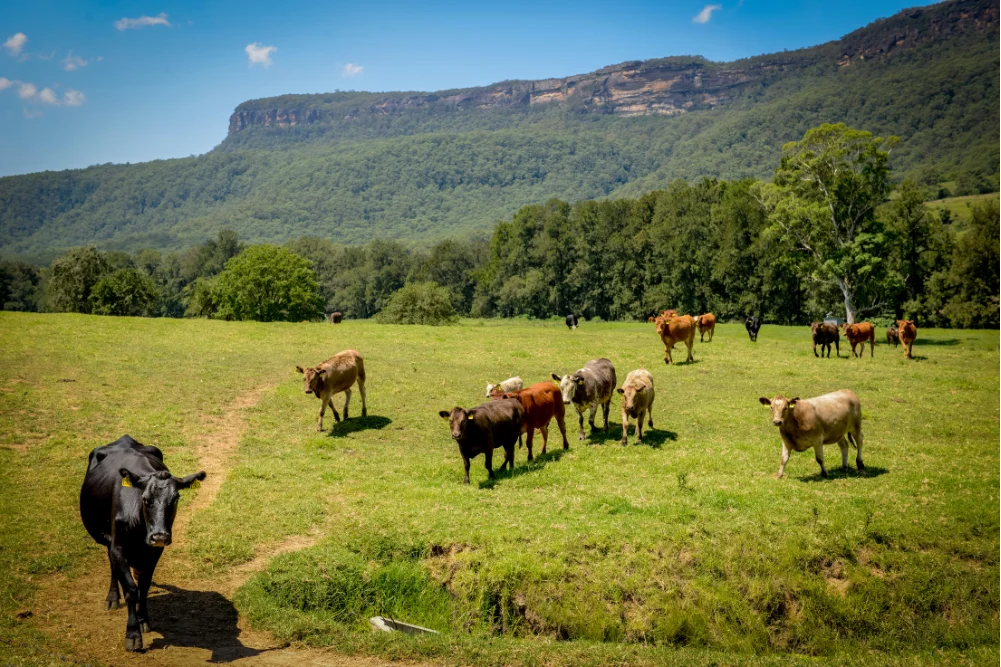
The Shoalhaven region of New South Wales, situated approximately 160 kilometers south of Sydney, has emerged as a primary destination for the burgeoning "slow tourism" sector, a movement emphasizing mindfulness, sustainability, and deep local engagement. Comprising 70 percent national parks and forests and boasting a coastline of 100 beaches, the region is strategically positioned to capitalize on the increasing demand for restorative travel. As urban centers like Sydney and Canberra continue to experience rapid densification, the Shoalhaven’s accessibility—located within a two-to-three-hour drive of both major hubs—has solidified its role as a vital ecological and wellness corridor for the state.
The Strategic Growth of Wellness Infrastructure in Milton
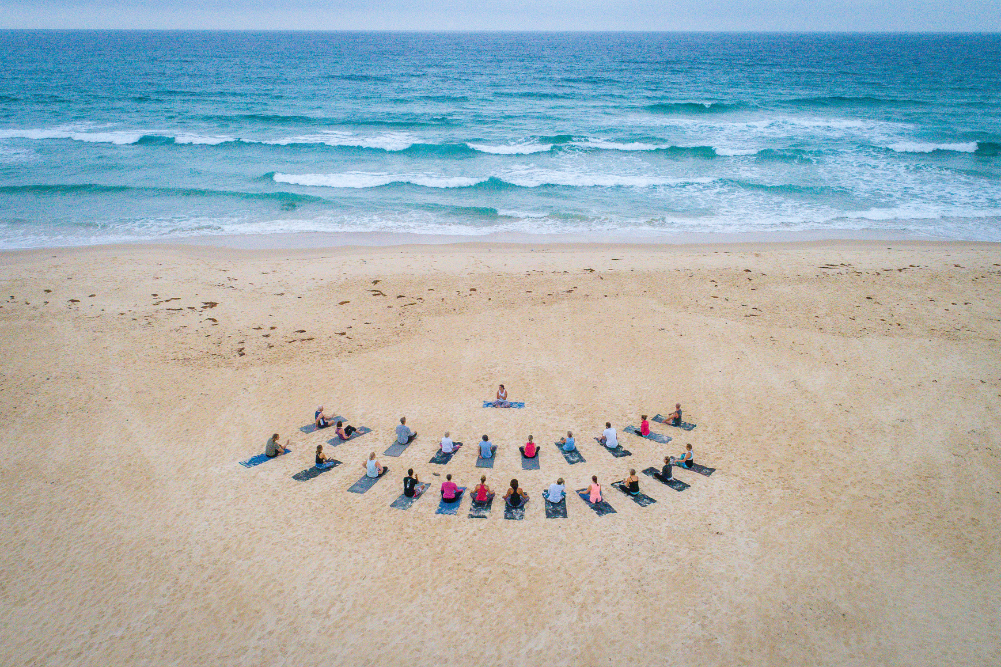
The town of Milton, historically recognized for its 19th-century architecture and agricultural roots, has undergone a contemporary transformation into a hub for holistic health and artisanal commerce. A key development in this sector is the opening of The Heal Zone in December 2024. Situated with views overlooking Conjola National Park, the facility represents a sophisticated integration of physical therapy and mental well-being.
Operated by founders Madi and Nic, the center utilizes a multidisciplinary approach that combines mobility training, yoga-influenced movement, and advanced breathwork. According to industry analysts, the rise of such facilities reflects a broader shift in the Australian fitness and wellness market, which is increasingly moving away from high-intensity interval training toward "low-impact, high-intention" modalities. The Heal Zone’s programming—incorporating cold plunge therapy and saunas—aligns with global trends in contrast therapy, a practice increasingly supported by physiological research for its benefits in nervous system regulation and muscle recovery.
The presence of these specialized wellness centers serves as a catalyst for local boutique retail. By attracting a demographic focused on health and mindfulness, Milton has sustained a vibrant ecosystem of independent shops and galleries, fostering a local economy that is less reliant on traditional seasonal tourism peaks and more on consistent, wellness-oriented visitation.
Sustainable Gastronomy and the Farm-to-Table Model
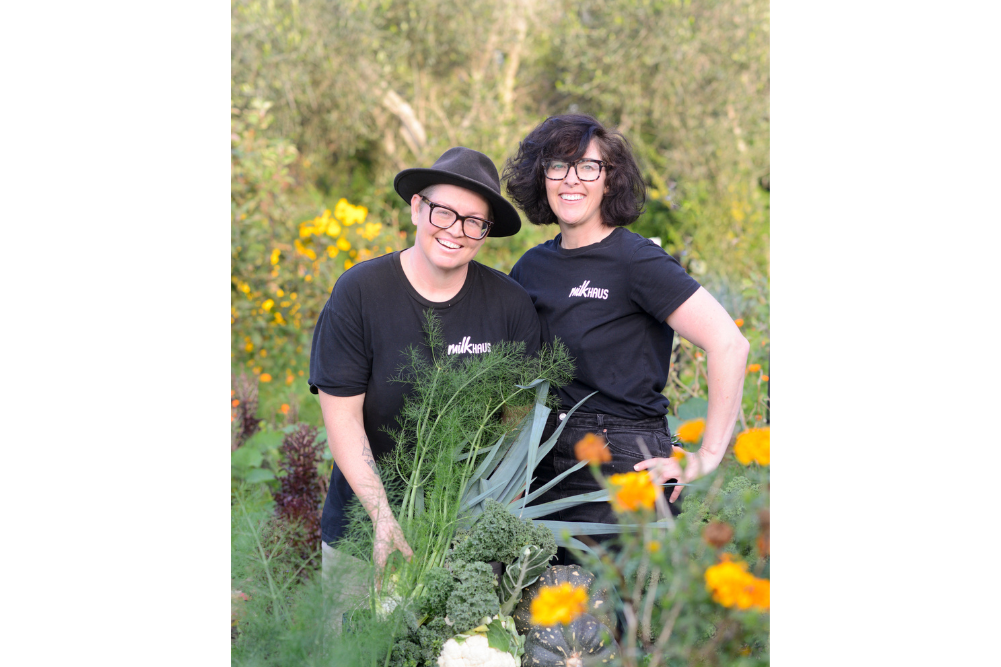
The economic and environmental sustainability of the Shoalhaven is perhaps most visible in its culinary sector, specifically through the "paddock-to-plate" operations exemplified by Milkhaus. Located just outside Milton’s main township, Milkhaus functions as both a cafe and an active agricultural site.
The establishment’s operational model is defined by a rigorous nine-month menu planning cycle, a necessity driven by the seasonal constraints of on-site cultivation. Currently, approximately 80 percent of the produce served at Milkhaus is grown on the premises, with the remaining 20 percent sourced from local producers. This hyper-local supply chain significantly reduces the carbon footprint associated with food transport and ensures that the menu remains a direct reflection of the regional climate.
Industry experts note that this level of transparency in food sourcing is a critical driver for modern travelers. The success of dishes such as the 16-hour slow-cooked lamb shoulder or seasonal fruit-based desserts is predicated on the quality of the raw ingredients, which are harvested in alignment with natural growth cycles. This commitment to sustainable agriculture not only supports the local farming community but also educates consumers on the complexities of food production, positioning the Shoalhaven as a leader in ethical regional dining.
Kangaroo Valley: A Case Study in Boutique Hospitality and Conservation
Further inland, Kangaroo Valley serves as a critical junction between the coast and the Southern Highlands. The region is characterized by its dramatic escarpments and dense rainforests, providing a sanctuary for both wildlife and visitors seeking seclusion. The hospitality sector here has seen a shift toward boutique, high-end accommodations that prioritize tranquility over volume.
Wildes Boutique Hotel, a prominent fixture in the valley, utilizes a design philosophy centered on serenity and spatial awareness. Featuring studio-style rooms and communal courtyards, the hotel caters to a demographic that values privacy and proximity to nature. The integration of local dining options, such as The Friendly Inn and The General Cafe, creates a cohesive village atmosphere that supports local employment and preserves the town’s historical character.
The General Cafe, in particular, illustrates the regional emphasis on artisanal production. By specializing in house-fermented provisions and sourdough baking, the cafe taps into the growing consumer interest in gut health and traditional food preservation techniques. These small-scale artisanal businesses are vital to the Kangaroo Valley economy, providing unique products that cannot be replicated by large-scale commercial competitors.
Mindful Recreation and Environmental Stewardship at Tallowa Dam
The diversification of the Shoalhaven’s tourism offerings is further evidenced by the growth of eco-conscious recreational activities. Tallowa Dam, located within the Morton National Park, has become a focal point for non-motorized water sports. The dam serves as a sanctuary where the absence of motorboats allows for a "silent" recreation experience, minimizing noise pollution and protecting the local aquatic ecosystem.
Valley Outdoors, a regional leader in guided nature experiences, has pioneered "mindful canoeing" programs. These sessions go beyond traditional athletics, incorporating grounding exercises and sensory awareness. Guided by experts like Bree, an outdoors specialist with extensive knowledge of the local flora and fauna, participants are encouraged to engage with the environment through stillness and observation rather than speed.
This approach to tourism emphasizes environmental stewardship. By integrating education on Indigenous heritage and local birdlife—such as the Azure Kingfisher—these programs foster a deeper respect for the land. Analysts suggest that this form of "educational tourism" is instrumental in building public support for conservation efforts, as visitors develop a personal connection to the landscapes they explore.
The Role of Creative Industries in Regional Restoration
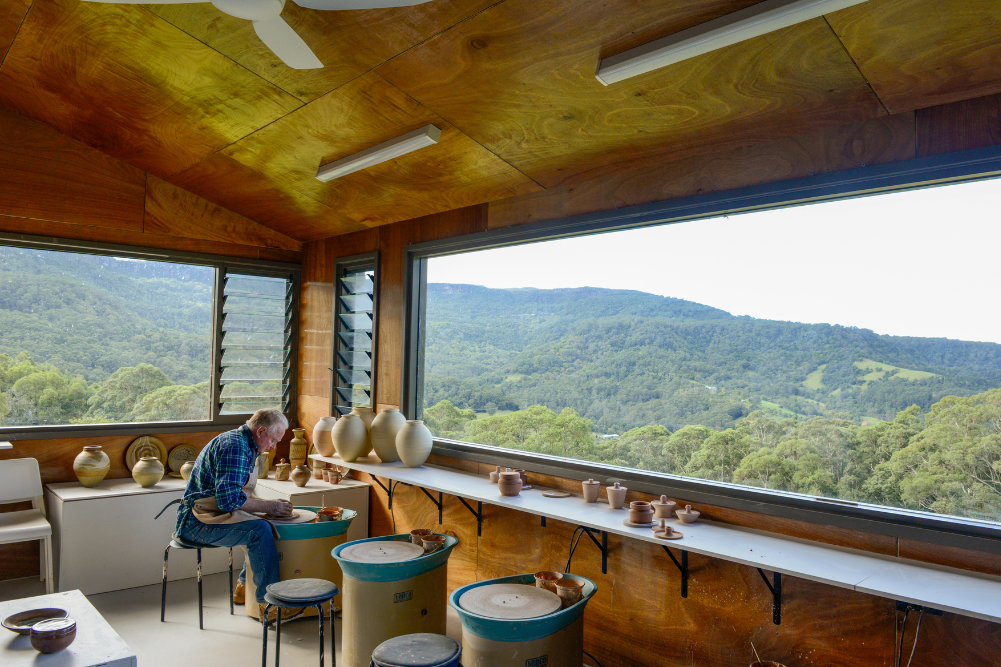
The Shoalhaven has long been a magnet for the arts, a tradition that continues to drive tourism through workshops and cultural institutions. The David Collins Pottery studio offers an example of how individual artisans contribute to the region’s restorative appeal. By providing wheel-throwing sessions that emphasize the tactile and meditative qualities of clay, Collins provides a space for "creative play," an essential component of psychological well-being.
The pottery experience highlights a broader trend in regional travel: the "skill-based getaway." Modern travelers are increasingly seeking opportunities to learn new crafts in scenic environments. The success of such ventures relies on the expertise of the practitioners and the aesthetic value of the setting—in this case, views of the escarpment and the distant Pacific Ocean.
Bundanon: The Intersection of Art, History, and First Nations Culture
The cultural pinnacle of the region is Bundanon, the former home and studio of the late Australian artist Arthur Boyd and his wife Yvonne. Gifted to the Australian people in 1993, the 1,000-hectare property now operates as a world-class cultural retreat and gallery. Bundanon represents a significant investment in the state’s cultural infrastructure, blending contemporary architecture with historical preservation.
A critical element of Bundanon’s mission is the integration of First Nations perspectives. Programs such as "Culture and Creation" talks featuring Walbunja/Ngarigo artists like Aunty Cheryl Davison are essential for reconciling the region’s colonial history with its deep Indigenous roots. Through storytelling, printmaking, and song, these programs ensure that the history of the Shoalhaven is presented as a continuous narrative spanning thousands of years.
The presence of the Ramox Cafe on-site further enhances the visitor experience, offering a space where the consumption of art and food happens in tandem with the observation of the natural world. Bundanon’s ability to attract international and domestic visitors provides a significant economic boost to the Shoalhaven, reinforcing the link between high culture and regional development.
Analysis of Broader Implications and Future Outlook
The evolution of the Shoalhaven into a premier wellness destination is not an isolated phenomenon but part of a global shift toward "Restorative Travel." According to the Global Wellness Institute, the wellness tourism market is projected to grow significantly faster than general tourism as consumers prioritize health and longevity in their travel choices.
The Shoalhaven’s success offers several key takeaways for regional planning:
- Ecological Preservation as Economic Asset: By maintaining 70 percent of its land as national park, the region has preserved the very assets that now drive its high-value tourism sector.
- Sustainability as a Brand: Businesses like Milkhaus and Valley Outdoors demonstrate that sustainability is not just an ethical choice but a powerful marketing tool that resonates with the modern traveler.
- Cultural Integration: The inclusion of Indigenous voices and high-art institutions like Bundanon elevates the regional profile, moving it beyond a simple "beach destination" to a sophisticated cultural hub.
As the Shoalhaven continues to develop, the challenge will be balancing the influx of visitors with the preservation of the "calm" that defines the region. However, through the continued support of local artisans, sustainable farmers, and wellness practitioners, the Shoalhaven is well-positioned to remain a benchmark for restorative regional tourism in Australia. The lingering sense of calm reported by visitors is, in fact, the product of a carefully cultivated ecosystem of businesses and natural assets working in quiet harmony.



 Chandra Hamzah
 Gabriela Annisa
 Tatiana Tantri Indah Sari
 Budi Mulyono
 Anjar Salim