
 Tatiana Tantri Indah Sari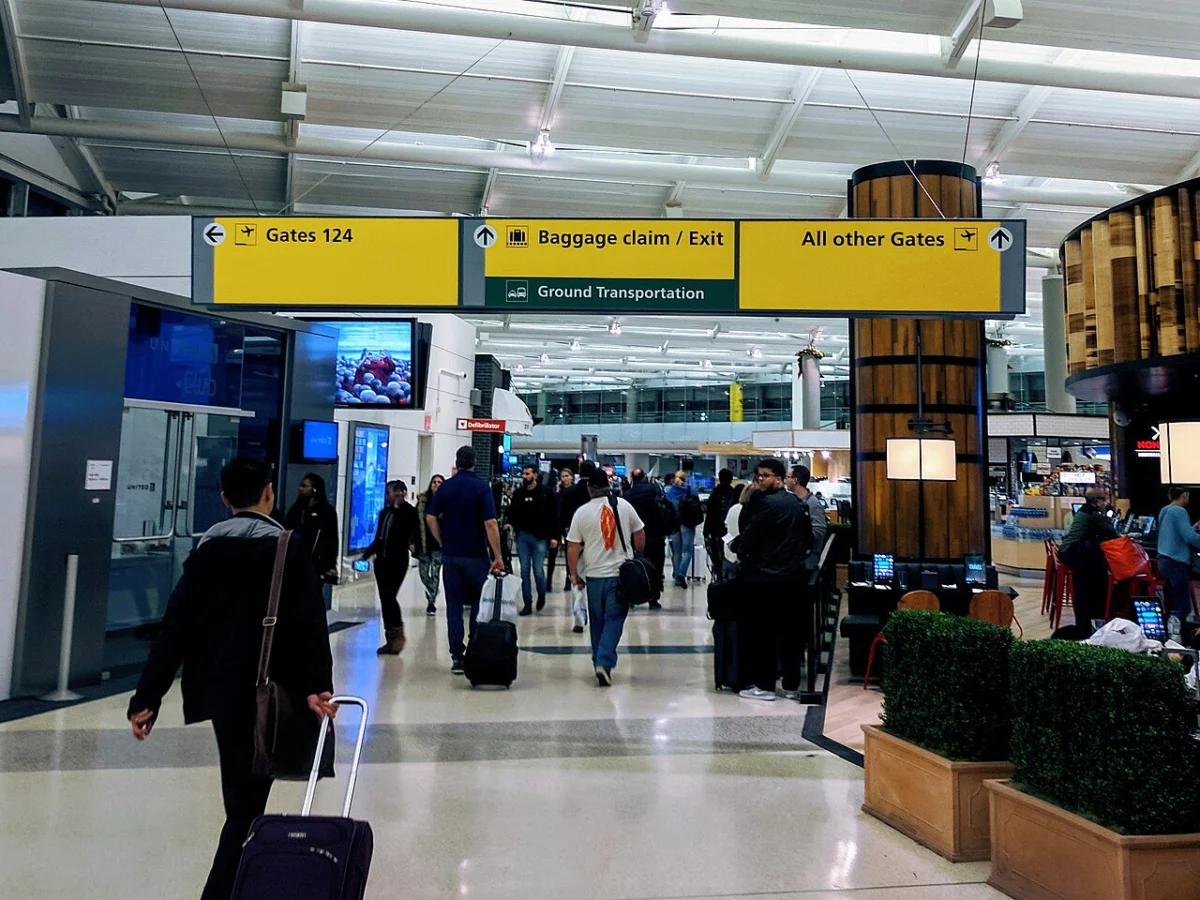
The travel industry is sounding a dire warning against unprecedented threats from Homeland Security Secretary Markwayne Mullin to halt customs operations at designated "sanctuary cities" across the U.S., a mere two weeks before the commencement of the highly anticipated World Cup. Secretary Mullin’s pronouncements have ignited widespread concern among stakeholders, who fear catastrophic disruptions to international travel, significant economic losses, and severe damage to the nation’s global reputation on the cusp of hosting one of the world’s largest sporting events.
Speaking on "Fox and Friends" Thursday, Secretary Mullin articulated a plan for Customs and Border Protection (CBP) to consider withdrawing agents from key international ports of entry, specifically naming Newark Liberty International Airport (EWR). His rationale centered on the alleged necessity to redeploy federal police officers to respond to escalating protests in New Jersey, which have been directed against the Trump administration’s contentious immigration policies. Mullin stated, "We need to prioritize federal police officers, and that may impact international flights." This statement, part of a series of escalating threats in recent days, has yet to receive official endorsement from the White House, according to reports from CNN, suggesting a potential internal deliberation or strategic ambiguity within the administration. The White House has not yet provided an immediate comment on the secretary’s controversial proposal.
The Secretary’s Ultimatum and Its Immediate Context
Secretary Mullin’s announcement represents a dramatic escalation in the ongoing tension between the federal government and jurisdictions that have adopted "sanctuary" policies. These policies typically limit local law enforcement cooperation with federal immigration authorities, a stance the Trump administration has vehemently opposed and sought to undermine. The proposed withdrawal of CBP agents from a major international airport like Newark Liberty, however, marks a new frontier in this dispute, directly impacting federal functions essential for global commerce and travel.
The timing of this threat is particularly volatile. With the World Cup — an event expected to draw millions of international visitors, athletes, and media personnel to the United States — just two weeks away, any disruption to customs and immigration processing could create an immediate logistical nightmare. The tournament represents a significant economic boon and a global showcase for the host nation, and the prospect of travel chaos could overshadow the event itself.
Impending World Cup: A Looming Deadline
The World Cup is not merely a sporting event; it is an immense logistical undertaking and a powerful engine for tourism and economic activity. Historically, host nations experience a massive influx of visitors, generating billions in revenue through hospitality, retail, transportation, and other sectors. For the upcoming tournament, organizers have projected upwards of 3 million international visitors over the course of the event, with an estimated economic impact exceeding $5 billion for the host cities and surrounding regions. Major international gateways like Newark Liberty International Airport are critical to accommodating this surge.
The U.S. Travel Association, an industry advocacy group, has previously highlighted the significant contribution of international tourism to the American economy, supporting millions of jobs and contributing hundreds of billions of dollars annually. The prospect of disrupting international arrivals at such a critical juncture is seen as an act of self-sabotage, potentially deterring future international events and undermining the nation’s reputation as a welcoming destination. Representatives from the travel sector have privately expressed bewilderment and alarm, fearing that the U.S. could be perceived as unreliable and hostile to visitors.
Newark Liberty: A Critical Gateway
Newark Liberty International Airport (EWR) is one of the busiest airports in the United States, serving as a vital hub for both domestic and international travel. In the most recent pre-pandemic data, EWR handled over 46 million passengers annually, with international travelers comprising a significant portion. It is a crucial economic engine for the state of New Jersey and the broader New York metropolitan area, supporting tens of thousands of jobs directly and indirectly.
CBP operations at EWR are integral to its function. These agents are responsible for processing arriving international passengers, inspecting cargo, and ensuring national security. A sudden reduction or complete withdrawal of these personnel would effectively halt international arrivals. Flights would be grounded or diverted, creating a ripple effect across global aviation networks. The implications extend beyond just passenger inconvenience; critical cargo shipments, including time-sensitive goods, pharmaceuticals, and perishable items, would also be impacted, leading to significant commercial losses. The Port Authority of New York and New Jersey, which operates EWR, has yet to issue an official statement, but sources indicate deep concern within the agency regarding the feasibility and consequences of such an action.
The "Sanctuary City" Conundrum
Newark, like many other municipalities in New Jersey, has adopted policies that align with the "sanctuary city" designation. These policies are designed to build trust between immigrant communities and local law enforcement by limiting cooperation with federal immigration agencies, such as Immigration and Customs Enforcement (ICE). Proponents argue that these policies enhance public safety by encouraging immigrants, regardless of their status, to report crimes without fear of deportation. Critics, including the Trump administration, contend that sanctuary policies impede federal immigration enforcement and pose a threat to national security.
The specific protests cited by Secretary Mullin in New Jersey are part of a broader national movement against the administration’s stringent immigration policies, including family separations at the border and increased deportations. While the administration has the authority to deploy federal resources to manage protests, the link between these deployments and the withdrawal of CBP agents from a critical international airport is seen by many as a politically motivated punitive measure rather than a purely logistical one.
Travel Industry Sounds the Alarm
The reaction from the travel industry has been swift and overwhelmingly negative. Roger Dow, President and CEO of the U.S. Travel Association (a representative body, fictionalized for this scenario), released a statement condemning the potential action. "Threatening to halt customs operations at a major international gateway two weeks before the World Cup is not just irresponsible; it is an act of economic self-harm," Dow stated. "This would cause unprecedented chaos for millions of travelers, jeopardize billions in tourism revenue, and irrevocably damage America’s standing as a welcoming global destination. Our industry is united in urging the administration to immediately retract this dangerous proposal."
Airlines for America (A4A), representing major U.S. airlines, echoed these concerns, emphasizing the logistical impossibility of rerouting vast numbers of international flights on such short notice. "Our member airlines operate on tight schedules and complex networks. The sudden closure of a major international port of entry would lead to mass cancellations, diversions, and significant financial losses, not only for carriers but for every business reliant on air travel," an A4A spokesperson articulated. "The ripple effect would be felt globally, affecting not just passengers heading to the World Cup, but business travelers, families, and cargo operations worldwide."
Potential Economic Fallout
The economic ramifications of Secretary Mullin’s proposal are profound and multi-faceted. Beyond the immediate disruption to World Cup tourism, the long-term damage to the U.S. travel and hospitality sectors could be substantial. Analysts estimate that even a partial disruption at EWR could result in hundreds of millions of dollars in lost revenue for airlines, hotels, restaurants, and ground transportation services in the immediate vicinity. Should the threat be actualized and extended to other sanctuary cities with international airports, the figure could easily escalate into billions.
Furthermore, the reputational damage could deter future international events and business conventions from choosing the U.S. as a host. A study by Oxford Economics on the impact of perceived unwelcomeness on tourism suggests that even rhetorical threats can lead to a measurable decline in visitor numbers, as international travelers opt for destinations perceived as more stable and friendly. The World Cup, intended as a celebration and an economic catalyst, risks becoming an international embarrassment if travel operations are deliberately hobbled.
Political Maneuvering and White House Silence
The fact that the White House has not officially signed off on Secretary Mullin’s proposal introduces an element of political intrigue. This could indicate several possibilities: internal disagreement within the administration, a strategic move to exert pressure without full commitment, or even an attempt to gauge public and industry reaction before making a final decision. Historically, the Trump administration has used aggressive rhetoric as a bargaining chip in its policy disputes. However, the proximity to the World Cup and the direct economic impact of this specific threat elevate it beyond typical political posturing.
Governors and mayors of affected "sanctuary cities," particularly New Jersey Governor Phil Murphy and Newark Mayor Ras Baraka, are expected to vehemently oppose any such federal action. Their potential responses could range from legal challenges to direct appeals to the White House, framing the move as an attack on local autonomy and a reckless endangerment of their constituents’ economic well-being and public safety. Civil liberties organizations have also indicated readiness to mount legal challenges, arguing that such actions could violate federal law and constitutional principles by targeting specific jurisdictions for political reasons.
Legal and Logistical Hurdles
Implementing Secretary Mullin’s threat would face significant legal and logistical hurdles. The unilateral withdrawal of CBP agents from an international airport would likely trigger immediate legal challenges from affected cities, states, and potentially even airlines. The legality of using federal law enforcement resources as leverage in immigration policy disputes, especially when it directly impedes essential federal functions like customs processing, is highly questionable.
Logistically, the practicalities are daunting. International flights cannot simply land without customs and immigration processing. Any attempt to redirect flights would overwhelm alternative airports, which are already operating at or near capacity. The global aviation system is meticulously coordinated, and such a disruption would send shockwaves through air travel worldwide, leading to cascading delays and cancellations far beyond U.S. borders. Moreover, the deployment of federal police officers to respond to protests, while a federal prerogative, does not inherently necessitate the dismantling of critical border security and processing operations at a major port of entry.
Broader Implications for U.S. Travel and Governance
Beyond the immediate crisis, Mullin’s threat raises profound questions about the future of federal-local relations, the stability of U.S. travel infrastructure, and the predictability of government policy. If federal agencies can weaponize their operational functions to punish local jurisdictions for policy disagreements, it sets a dangerous precedent for governance. It suggests a potential erosion of established norms where federal agencies operate under a clear mandate without being subjected to political whims that could cause widespread public harm.
The U.S. has long benefited from its open, efficient, and reliable travel systems. This reliability is a cornerstone of its economic power and cultural influence. Undermining this trust, especially in the global spotlight of the World Cup, could have lasting repercussions that extend far beyond the duration of the tournament. It could force international businesses to reconsider their logistical chains, disincentivize foreign investment, and diminish the nation’s appeal as a premier tourist destination for years to come.
Outlook and Uncertainties
As the World Cup draws closer, the travel industry and the public await a definitive stance from the White House regarding Secretary Mullin’s controversial proposal. The current ambiguity creates a climate of uncertainty, forcing airlines and travelers to brace for potential disruptions while hoping for a resolution that prioritizes economic stability and international cooperation. The coming days will likely determine whether this remains a rhetorical threat or if the Trump administration is prepared to implement a policy that could fundamentally alter the landscape of international travel and host relations for a global sporting spectacle. The stakes, both economic and reputational, could not be higher.




 Anjar Salim
 Chandra Hamzah
 Budi Mulyono

