
 Tatiana Tantri Indah Sari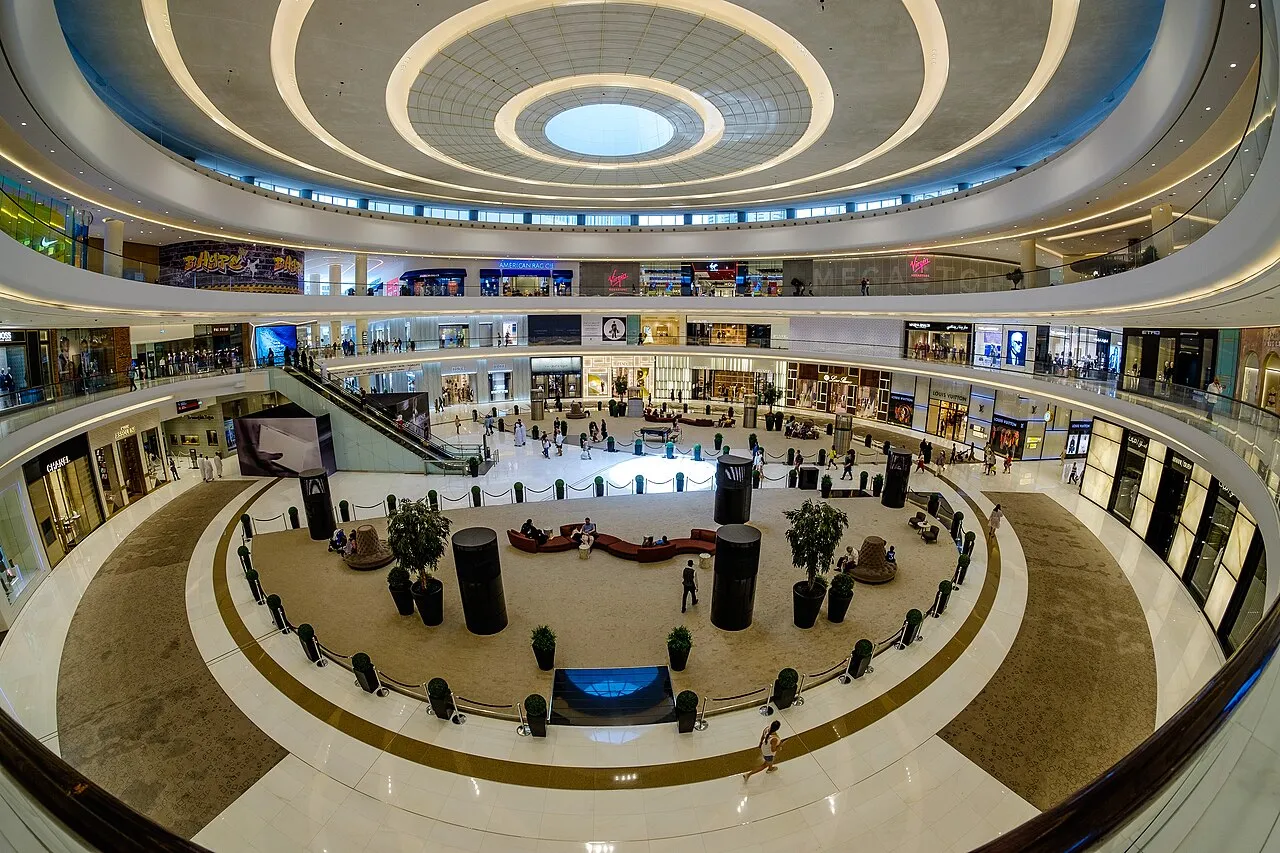
A groundbreaking new paper emerging from the EHL Hospitality Business School, co-authored by an incoming INSEAD PhD candidate, presents a compelling argument that luxury retail stands to gain significantly by fully embracing a hospitality-centric mindset. The research confidently asserts that the sophisticated orchestration of experiences, rather than mere transactional selling, is the future profit driver for high-end brands. The authors posit that, at their core, the roles of a top-tier hotel concierge and a leading luxury sales associate are intrinsically identical: they are not merely facilitating a room booking or a timepiece acquisition, but rather meticulously crafting and delivering an unforgettable experience. However, this aspirational vision starkly contrasts with the reality for the vast majority of individuals stepping into most luxury boutiques globally, where such an elevated, seamless experience often remains elusive.
The Genesis of the Hospitality-Retail Convergence
The luxury market has been undergoing a profound transformation for well over a decade, accelerating dramatically in the wake of the global pandemic. Historically, luxury retail was largely defined by exclusivity, product rarity, and the tangible prestige of ownership. The sales process, while often polite, remained largely transactional. Customers sought out iconic brands and exquisite craftsmanship, with the interaction focused primarily on the product itself.
However, the dawn of the 21st century ushered in the "experience economy," a concept popularized by B. Joseph Pine II and James H. Gilmore, which posits that consumers increasingly value memorable events over tangible goods. This shift has been particularly pronounced in the luxury sector, where affluent customers, having often acquired a plethora of material possessions, now seek deeper engagement, personalization, and emotional connection with brands. They desire stories, unique access, and services that anticipate their needs, reflecting a broader cultural shift from conspicuous consumption to experiential enrichment.
The advent of e-commerce and direct-to-consumer models further pushed traditional brick-and-mortar luxury retail to redefine its value proposition. When a high-value item can be purchased online with relative ease, the physical boutique must offer something more—something digital channels cannot replicate. This "something more" has steadily evolved into the concept of an immersive brand experience, a sanctuary where shopping transcends utility to become a leisure activity, a moment of pampering, or even a form of entertainment. The COVID-19 pandemic, with its enforced lockdowns and subsequent re-evaluation of human interaction, only amplified this need, forcing brands to innovate rapidly in areas like personalized virtual appointments, bespoke in-store experiences, and ultra-high-touch service models designed to rebuild trust and desirability in a contactless world.
Unpacking the EHL/INSEAD Research: A Singaporean Lens
The new paper’s central tenet—that the hospitality mindset "pays"—rests on empirical field research meticulously conducted at two specific luxury boutiques in Singapore. The choice of location is critical to understanding both the strength of the argument and its inherent limitations. Singapore is widely recognized as a genuine global outlier in terms of its ingrained service culture. The city-state has, for decades, cultivated a national ethos around service excellence, driven by government initiatives like the "Service with a Smile" campaigns and a strategic focus on tourism and hospitality as key economic pillars. This pervasive culture translates into a workforce generally predisposed to high standards of customer interaction, proactive problem-solving, and a deep understanding of guest relations.
Moreover, Singapore boasts an exceptionally high density of "Very Important Customers" (VICs) per square mile. This concentrated pool of high-net-worth individuals and frequent luxury spenders means that luxury boutiques in the city are often designed and staffed to cater to a disproportionately large percentage of their top-tier clientele. For these VICs, personalized service is not an occasional perk but an expected standard. Boutiques are more likely to have detailed client profiles, dedicated sales associates who function almost as personal shoppers and lifestyle managers, and the operational flexibility to offer highly customized experiences, from private viewing appointments to exclusive event invitations.
Within this unique environment, the EHL/INSEAD research observed and analyzed the tangible benefits of a hospitality-led approach. While the paper’s full details await public release, the excerpt strongly suggests that the data demonstrated a clear correlation between the adoption of this mindset and positive business outcomes. These likely include:
- Enhanced Customer Loyalty and Retention: When clients feel genuinely cared for and understood, they develop stronger emotional bonds with a brand, leading to repeat purchases and long-term patronage.
- Higher Average Transaction Values (ATV): Associates who excel at orchestrating experiences can subtly upsell and cross-sell, not through aggressive tactics but by intuitively understanding a client’s broader needs and preferences, leading to more comprehensive purchases.
- Stronger Brand Perception and Advocacy: A memorable, positive experience fosters word-of-mouth recommendations, a priceless asset in the luxury sector, and elevates the brand’s reputation for exceptional service.
- Reduced Price Sensitivity: When the overall experience is unparalleled, customers are often less sensitive to price points, recognizing the holistic value they receive beyond just the product.
- Operational Efficiency: Paradoxically, investing in highly skilled "experience orchestrators" can lead to more efficient sales cycles and fewer returns, as customer needs are more accurately met upfront.
The field research, likely employing a mix of qualitative interviews with sales associates and management, direct observation of customer interactions, and quantitative analysis of sales data, thus provided compelling evidence that in a market like Singapore, the hospitality mindset demonstrably "pays."
The Scalability Challenge: A Global Perspective
Despite the compelling findings from Singapore, the paper’s authors immediately introduce a critical caveat: "But it describes a luxury retail experience that, for most people walking into most boutiques, does not exist." This stark observation highlights the fundamental challenge of scaling such an idealized service model globally. The excerpt offers a potent example: "Walk the equivalent route in Dubai Mall, and the thesis collapses inside a single sun-drenched afternoon. At Rolex, a sales associate…"
This illustrative contrast with Dubai Mall, one of the world’s largest and highest-traffic shopping destinations, underscores several key factors limiting the universal applicability of the Singaporean model:
- Volume vs. Personalization: Mega-malls like Dubai Mall experience immense foot traffic, often serving millions of visitors annually. In such high-volume environments, luxury boutiques face an almost insurmountable challenge in providing the same depth of personalized attention to every walk-in customer. The sheer number of potential clients often necessitates a more transactional approach, prioritizing efficiency and queue management over elaborate experience orchestration, particularly for non-VICs.
- Staffing and Training Gaps: Replicating Singapore’s ingrained service culture and high density of skilled hospitality professionals is a monumental task. The global retail industry frequently struggles with high employee turnover, intense pressure to meet sales targets, and often, insufficient investment in the kind of deep, intuitive hospitality training that would transform a sales associate into an "experience orchestrator." Such a role demands empathy, cultural sensitivity, advanced communication skills, and a comprehensive understanding of client psychology—qualities often cultivated over years in dedicated hospitality roles, not typically found in standard retail training programs.
- Cultural Nuances in Service Expectations: While excellent service is universally appreciated, the specific manifestations and expectations of "hospitality" vary significantly across cultures. What is considered attentive service in Singapore might be perceived as intrusive in some Western cultures or insufficient in others. Implementing a uniform hospitality model across diverse global markets requires immense cultural intelligence and adaptable training programs.
- Operational and Economic Pressures: Luxury brands operate within complex global structures, balancing corporate directives, regional market demands, and individual store performance metrics. The cost associated with maintaining a higher staff-to-customer ratio, investing in extensive ongoing training, and designing bespoke experiences for a broader customer base can be prohibitive, especially in markets where profit margins are thinner or competitive pressures are higher. The focus often remains on sales per square foot and transaction volume.
- The "Average Customer" Experience: The Singapore study’s success is likely heavily weighted towards the VIC experience. The fundamental disconnect lies in how luxury brands balance their commitment to their top-tier clients with providing a consistently elevated experience for the aspirational or first-time luxury buyer. For the latter, the reality is often long wait times, limited personal attention, and a sales process that, while professional, lacks the "orchestrated experience" described by the paper. The truncated sentence in the excerpt ("At Rolex, a sales associate…") hints at a common scenario where a customer might be met with efficiency rather than genuine engagement, a focus on product availability rather than a deep understanding of their preferences and lifestyle.
Supporting Data and Broader Industry Trends
The EHL/INSEAD paper arrives at a time when industry data increasingly reinforces the value of customer experience. According to a 2023 Salesforce report, 88% of customers now believe the experience a company provides is as important as its products or services. Furthermore, companies that excel in customer experience often outperform their competitors in terms of revenue growth and profitability by significant margins, with some studies suggesting up to 80% higher performance.
The global luxury market, estimated by Bain & Company to reach €360-380 billion in 2023, continues its robust growth trajectory, driven by both established high-net-worth individuals and a burgeoning cohort of aspirational consumers. This growth underscores the potential for brands that can successfully differentiate themselves through superior service. Investment in employee training, while often seen as a cost center, yields substantial returns. Research from the hospitality sector, where training budgets are typically higher than in retail, consistently demonstrates that well-trained staff lead to higher customer satisfaction, lower turnover, and increased revenue. For instance, a luxury hotel might invest hundreds of hours per employee annually in service training, a figure rarely matched in typical luxury retail.
However, the chasm between aspiration and reality remains. A 2022 Deloitte survey on luxury consumer behavior highlighted that while personalized service and unique experiences were top desires, consistent delivery across all touchpoints was a significant challenge for brands. Many customers still report feeling unacknowledged or rushed in physical stores, suggesting a service gap that the EHL/INSEAD paper seeks to address.
Industry Reactions and Future Implications
The findings of the EHL/INSEAD paper are likely to be met with keen interest within both academic circles and the luxury industry. Academics will view it as a significant contribution to the growing body of literature on experiential retail and service design. For luxury brand executives, the paper validates an ideal they have long striven for but often struggled to implement consistently. A spokesperson for a leading luxury conglomerate, speaking off the record at a recent industry summit, acknowledged the "absolute imperative to elevate the customer journey beyond mere transaction" but openly discussed the "complexities of global execution, particularly in high-volume markets with diverse talent pools."
Customer advocates and market analysts, meanwhile, will likely welcome the paper’s findings as a validation of long-held consumer desires for more meaningful and less transactional interactions with luxury brands. However, they will also undoubtedly point to the existing disconnect and the substantial work required to bridge the gap between the Singaporean ideal and the global reality.
The broader implications for the future of luxury retail are profound:
- Investment in Human Capital: Brands that are serious about adopting a hospitality mindset will need to make unprecedented investments in recruiting, training, and retaining "experience orchestrators." This includes competitive compensation, career development pathways, and fostering a culture that values service excellence as much as sales targets.
- Hybrid Service Models: The future may see the emergence of more sophisticated hybrid models. Flagship stores and private salons in key markets like Singapore, Paris, or New York might focus on ultra-personalized, appointment-only experiences for VICs, while other, higher-traffic locations might implement technology-assisted personalization to scale some elements of the hospitality mindset without requiring a one-to-one human interaction for every customer.
- Technology as an Enabler: Advanced CRM systems, AI-powered clienteling tools, and predictive analytics can help associates anticipate client needs, personalize communications, and streamline operations, freeing up human staff to focus on high-value, emotional engagement. Virtual reality and augmented reality could also play a role in creating immersive brand experiences beyond the physical store.
- Redefining Brand Identity: The paper challenges luxury brands to consider whether their identity is solely rooted in product heritage or if it must increasingly encompass the total experience delivered. True luxury may come to be defined less by the price tag of an item and more by the unparalleled feeling and journey associated with its acquisition and ownership.
- Competitive Differentiation: In an increasingly saturated market, those brands that successfully integrate and scale a genuine hospitality mindset will gain a significant, sustainable competitive advantage, fostering deeper loyalty and commanding greater pricing power.
In conclusion, the research from EHL Hospitality Business School and INSEAD provides a compelling, data-backed affirmation that a hospitality mindset is not merely a desirable enhancement for luxury retail, but a proven driver of profitability and customer engagement in specific, high-service environments. While the vision of every sales associate acting as an "experience orchestrator" is alluring, the path to widespread, consistent global implementation is fraught with challenges related to scale, talent, culture, and operational realities. The paper serves as both a beacon and a mirror, illuminating the potential future of luxury retail while simultaneously reflecting the significant distance many brands still need to travel to truly embody the ethos of orchestrated excellence for every customer, everywhere. The journey towards a truly hospitality-driven luxury retail landscape will be long, complex, and ultimately, transformative for those willing to commit to it.



 Anjar Salim
 Chandra Hamzah
 Budi Mulyono
 Lukman Taruna Persada Ramadan
