
 Hendra Ismail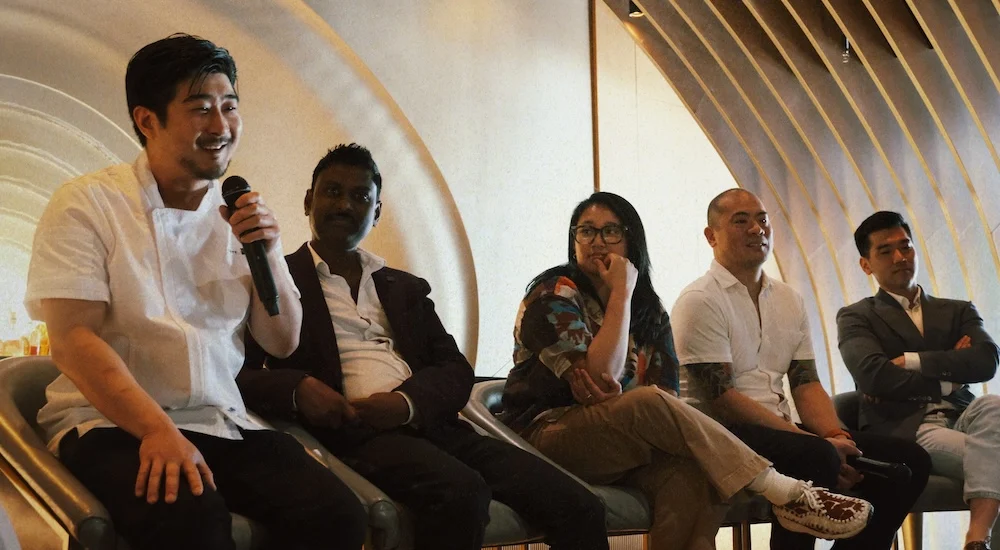
New York City, NY – A vibrant AAPI Heritage Month discussion, hosted at the sophisticated modern Asian restaurant 53, brought together a distinguished panel of culinary leaders to explore the profound impact of Asian American and Pacific Islander (AAPI) voices on the American hospitality landscape. Moderated by Maggie Wong, senior editor at Caper, the event delved into how AAPI chefs and restaurateurs are not only elevating cuisine but also imbuing the industry with a renewed sense of cultural identity and authenticity.
The panel featured a diverse group of influential figures: Mark Yu, executive chef of 53; Vijay Kumar, chef at the Michelin-starred Semma; Maximilian Soh, managing director of Oiji Mi; Steven Wong, owner and co-founder of Aqua Best; and Kimberly Camara, chef and co-founder of Kora. Together, they charted a compelling narrative of the evolution of Asian cuisines in America, moving from a past often characterized by misunderstanding and generalization to a present where these flavors are celebrated as influential, deeply personal, and unapologetically bold.
The Ascent of Cultural Confidence: From Erasure to Empowerment
A recurring and powerful theme throughout the evening was the palpable rise of cultural confidence within the AAPI culinary community. Chef Mark Yu vividly recalled his childhood experiences, recounting the embarrassment he and other children of immigrants sometimes felt bringing their traditional Korean food to school. This memory served as a stark contrast to the current culinary climate, where Korean cuisine, in particular, has experienced an meteoric rise in popularity, even gracing the pages of Michelin guides. Yu’s lighthearted observation, “We’re the cool kids now,” resonated deeply, signifying a generational shift in how Asian cultures are perceived and embraced.
Chef Kimberly Camara provided a nuanced perspective on this evolution, framing it through the lens of lived experience. She articulated that as individuals navigate and define their lives in new ways, their culinary expressions inevitably evolve in tandem. This connection between evolving identity, personal memories, and the dynamic nature of menus underscored the deeply personal journey that chefs undertake in bringing their heritage to the forefront.
Steven Wong, speaking from his perspective as a business owner in the hospitality supply chain, highlighted the ripple effect of this growing consumer curiosity. As diners increasingly seek out authentic regional cuisines, the demand for specialty ingredients and seafood that were once considered niche or difficult to source has expanded significantly. This increased accessibility benefits both chefs looking to authentically represent their heritage and consumers eager to explore a wider spectrum of flavors. This dynamic underscores a positive feedback loop where consumer demand fuels greater availability, which in turn, inspires further culinary innovation and exploration.
Cooking Without Compromise: Reclaiming Authenticity
The discussion repeatedly circled back to the historical challenge of authenticity being perceived as a risk in the American culinary scene. Chef Vijay Kumar spoke candidly about the immense pressure many chefs faced to conform to Western expectations of fine dining, often at the expense of their own cultural culinary traditions. He shared his personal journey, stating, “At some point, we just have to do it,” in reference to cooking food deeply rooted in his own Indian heritage, rather than attempting to “fit into a Euro-centric world.” This sentiment was echoed by Camara, whose observation, “It’s crazy that being authentic to oneself is taking a risk,” elicited a strong, affirmative reaction from the audience, highlighting the inherent paradox they had all navigated.
Chef Yu further elaborated on this idea, emphasizing a philosophy of letting the food speak for itself: “the food represents itself and that’s what my focus is—just cooking good food.” This approach prioritizes culinary integrity over adherence to any prescriptive rules about what should be Westernized versus what should remain true to its cultural origins. He shared an anecdote about introducing ingredients like fermented shrimp paste at 53, acknowledging that these flavors haven’t always been an easy introduction for diners. However, the restaurant’s strategy has been to embrace these bold flavors, inviting guests into the experience and actively encouraging curiosity, rather than softening them to meet preconceived notions.
Maximilian Soh noted that diners often develop a deeper appreciation for culinary nuances gradually. He observed that many begin by exploring more familiar interpretations of dishes before venturing into more regional and complex expressions. Camara concurred, drawing a parallel to her own work at her Filipino bakery, where pastries and donuts serve as accessible “gateways” to broader cultural flavors. This approach recognizes the importance of building bridges of understanding, allowing diners to embark on a culinary journey at their own pace. The success of these strategies suggests a growing market for diners seeking genuine cultural experiences, moving beyond superficial trends.
Charting the Course: Advice for the Next Generation of Culinary Innovators
The panel concluded with invaluable advice for aspiring chefs and restaurateurs aiming to make their mark in the evolving hospitality industry. These words of wisdom, drawn from their collective experiences, offer a roadmap for navigating the challenges and embracing the opportunities that lie ahead.
Vijay Kumar offered words of encouragement rooted in resilience: “Don’t give up, keep working. It’s going to be challenging, but it’s fine. Tomorrow’s a new day—let’s see how we can fix a mistake that we made yesterday and keep moving.” This sentiment speaks to the inherent nature of culinary arts, where constant learning and adaptation are paramount.
Kimberly Camara emphasized the importance of strategic vision: “Always focus on the big picture [instead of] the day to day. You’re not able to do the big things if you can’t get through the small ones.” This perspective highlights the need for long-term planning and perseverance through incremental progress.
Steven Wong underscored the critical role of relationships and knowledge in the supply chain: “Build relationships with purveyors because they’re the ones that can explain stuff to you. If you don’t know your ingredients, whether from your farmer or your butcher, you won’t have full knowledge to create another dish or properly price it or season it.” This practical advice points to the foundational importance of understanding where food comes from and fostering strong connections with those who provide it.
Maximilian Soh advocated for a holistic approach to culinary development: “Have good ethics and also eat as much as you can. Travel a lot, eat a lot, experience the service, experience the food. I think that’s the most important thing to becoming a better chef.” This emphasizes the value of continuous learning through diverse experiences, both within and outside the kitchen.
Mark Yu highlighted the indispensable value of mentorship: “Find a good mentor. You need to find someone who loves what they do and passes on that love.” This underscores the transformative power of guidance and inspiration from experienced professionals.
Broader Implications and the Future of American Hospitality
The conversation at 53 served as a powerful microcosm of a larger, ongoing transformation within American hospitality. The increasing visibility and influence of AAPI chefs and restaurateurs are not merely about diversifying menus; they represent a fundamental redefinition of what constitutes "American cuisine" itself. For decades, the culinary narrative in the United States was heavily dominated by European influences. However, the current landscape, shaped by the bold and authentic expressions of AAPI culinary traditions, is fostering a richer, more inclusive, and ultimately more exciting food culture.
The data supports this trend. According to the National Restaurant Association, Asian cuisine consistently ranks among the top culinary preferences for American diners. Furthermore, the proliferation of AAPI-owned restaurants, particularly those focusing on regional specialties, reflects a growing consumer appetite for authentic experiences. This shift is also evident in the culinary education sector, with more institutions now offering specialized courses in Asian culinary arts.
The implications of this evolution are far-reaching. It signifies a move away from a culinary monoculture towards a more vibrant and dynamic ecosystem where diverse flavors and cultural narratives are not just tolerated but actively celebrated. This can foster greater cultural understanding and appreciation among consumers, breaking down stereotypes and building bridges through shared culinary experiences. For the AAPI community, it represents a powerful reclamation of cultural identity and a testament to their significant contributions to the American fabric.
The success of chefs like those on the panel demonstrates that authenticity is not a barrier to success but rather a powerful differentiator. As the hospitality industry continues to evolve, the uncompromised vision and deeply personal stories shared by AAPI culinary leaders will undoubtedly continue to shape its future, making it more flavorful, more inclusive, and more representative of the diverse nation it serves. The discussions held at 53 serve as a beacon, illuminating the path forward for a more culturally rich and dynamic American culinary landscape.



 Anjar Salim
 Chandra Hamzah
 Tatiana Tantri Indah Sari
 Budi Mulyono
 Lukman Taruna Persada Ramadan
