
 Gabriela Annisa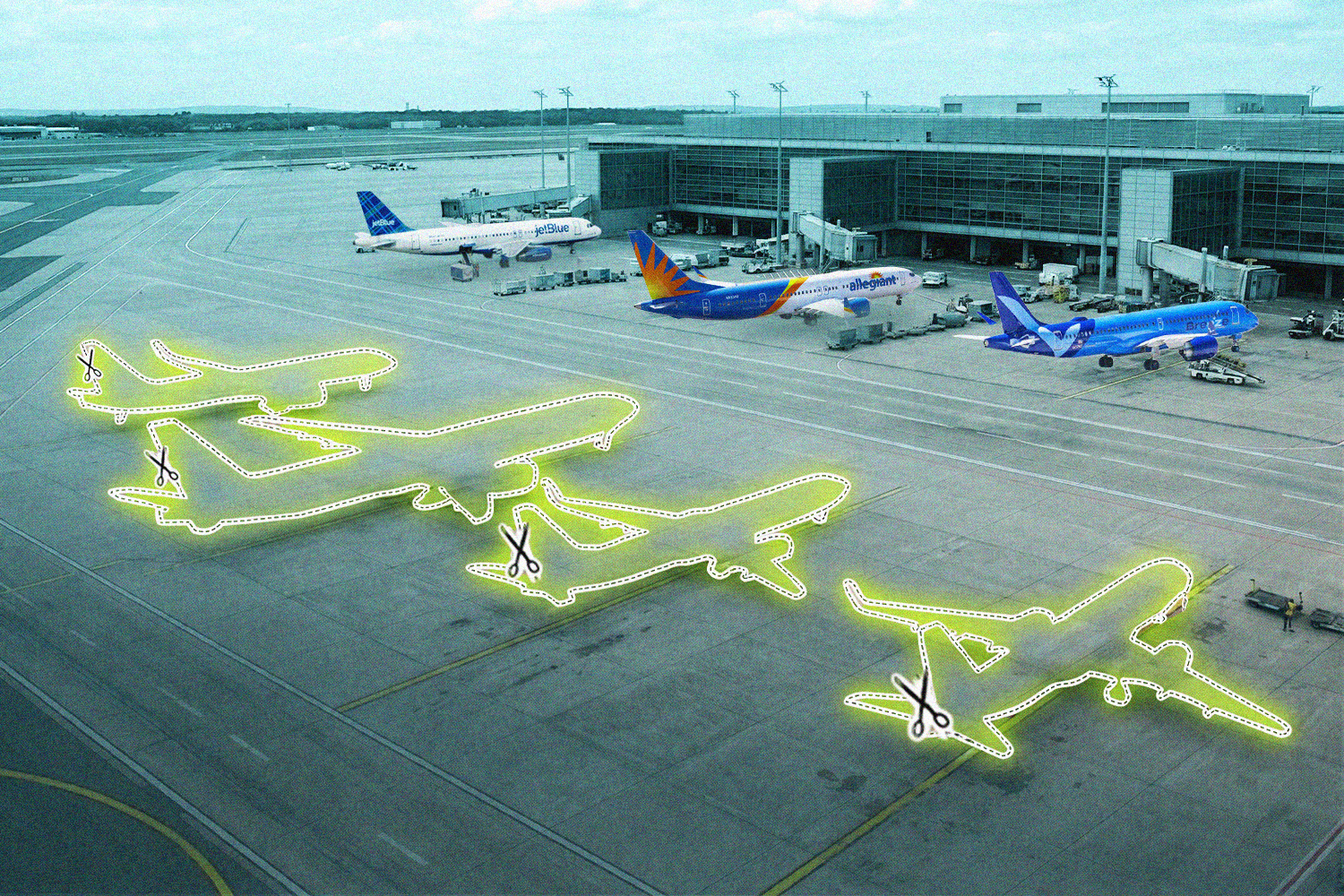
When Spirit Airlines, once a dominant force in South Florida’s aviation landscape, ceased operations in early 2026, many predicted a period of significant decline for Fort Lauderdale-Hollywood International Airport (FLL). Spirit had long been FLL’s largest carrier, accounting for nearly 35% of its passenger traffic and serving as a crucial economic engine for Broward County. The immediate aftermath of its collapse indeed saw a sharp drop in passenger numbers and widespread concern among local businesses and airport authorities. However, contrary to initial anxieties, FLL has not merely recovered but is now experiencing an unprecedented resurgence, fueled by a fierce new battle for market share among a diverse array of carriers. JetBlue is aggressively expanding its presence, Frontier Airlines is rapidly rebuilding its network, and innovative entrants like Breeze Airways and Allegiant Air are flooding the market with new routes, collectively reshaping the competitive dynamics and future trajectory of this vital gateway to South Florida. This transformation from a crisis into a vibrant, multi-carrier hub marks a pivotal new chapter for Fort Lauderdale.
Spirit Airlines’ Dominance and Eventual Collapse
For over two decades, Spirit Airlines had cultivated a powerful presence at Fort Lauderdale-Hollywood International Airport. Operating primarily from Terminal 4, Spirit was synonymous with FLL for many travelers, offering a vast network of domestic and international flights, particularly to destinations across the Caribbean and Latin America. Its ultra-low-cost carrier (ULCC) model, characterized by unbundled fares and a focus on efficiency, allowed it to capture a substantial share of the leisure travel market, making FLL a bustling hub for budget-conscious passengers. At its peak in late 2025, Spirit operated an average of 150 daily flights from FLL, connecting the region to over 60 destinations and transporting nearly 15 million passengers annually. This robust operation cemented FLL’s status as one of the busiest airports in the United States and a critical economic driver for Broward County, supporting thousands of direct and indirect jobs.
However, Spirit’s business model, while successful for many years, faced increasing headwinds. Rising fuel costs, intense competition from legacy carriers entering the ULCC space, persistent labor disputes, and a series of operational challenges began to erode its profitability. Failed merger attempts, particularly the high-profile bid by JetBlue and a subsequent proposal from Frontier, further destabilized the airline, creating uncertainty for investors and employees. By late 2025, the airline’s financial position had become untenable. Despite last-ditch efforts to secure additional funding and restructure its debt, Spirit Airlines announced its immediate cessation of operations and filed for bankruptcy in January 2026, sending shockwaves through the aviation industry and directly impacting Fort Lauderdale.
The Immediate Aftermath and Initial Concerns
The abrupt departure of Spirit Airlines left a significant void at FLL. Within weeks of the announcement, passenger traffic plummeted. Data from the Broward County Aviation Department (BCAD) showed a 22% decline in overall passenger throughput in February 2026 compared to the previous year, with international traffic experiencing an even sharper drop. Airport concessionaires reported immediate revenue losses, and parking facilities saw a marked reduction in usage. The local tourism industry, heavily reliant on the affordable airfare Spirit provided, braced for a difficult period.
"The loss of Spirit Airlines was undoubtedly a major blow to Fort Lauderdale-Hollywood International Airport and the broader South Florida economy," stated Mark Smith, Director of Aviation for Broward County, in a press conference held shortly after Spirit’s collapse. "Spirit was not just an airline; it was an integral part of our community’s connectivity and economic vitality. We immediately recognized the challenge of filling such a massive capacity gap, but we also saw an opportunity for FLL to diversify its airline portfolio and build a more resilient future." The BCAD quickly initiated discussions with various carriers, emphasizing FLL’s strategic location, modern facilities, and strong demand fundamentals.
A Rapid Resurgence: The New Competitive Landscape
Remarkably, the anticipated prolonged decline did not materialize. Instead, FLL became the focal point of an intense competitive scramble, as other airlines moved swiftly to capitalize on the suddenly available gates, slots, and passenger demand. This rapid repositioning by multiple carriers transformed FLL into a dynamic battleground for South Florida’s air travel market, creating a more diversified and, arguably, more robust aviation ecosystem.
JetBlue’s Aggressive Expansion: JetBlue Airways, which already maintained a significant presence at FLL, was among the first to react. Recognizing the strategic importance of South Florida, JetBlue announced an ambitious expansion plan in March 2026, just two months after Spirit’s collapse. The airline committed to adding 18 new routes from FLL by the end of the year, including key domestic markets previously served by Spirit, such as Baltimore, Detroit, and Minneapolis, alongside new international connections to destinations like Bogotá and Lima. This expansion represented a 40% increase in JetBlue’s FLL capacity, aiming to capture a substantial portion of Spirit’s former leisure and VFR (Visiting Friends and Relatives) passengers while also attracting business travelers with its more premium economy offerings. "Fort Lauderdale has always been a cornerstone of our network, and with the recent market changes, we saw an unparalleled opportunity to deepen our commitment to the region," commented Jane Doe, CEO of JetBlue, during a press briefing. "We are not just replacing capacity; we are enhancing the travel experience for millions of South Florida residents and visitors."
Frontier’s Strategic Rebuilding: Following closely behind JetBlue, Frontier Airlines, another ULCC, initiated its own rapid rebuilding strategy. While Frontier had a smaller footprint than Spirit, it quickly moved to absorb several key domestic routes and expand its leisure-focused offerings. By April 2026, Frontier announced the launch of 12 new routes from FLL, primarily to mid-sized cities in the Midwest and Northeast, and significantly increased frequencies on existing popular routes to cities like Philadelphia and Chicago. This strategic move allowed Frontier to position itself as a direct competitor in the budget travel segment, aiming to attract Spirit’s former price-sensitive customer base. "Our model is perfectly suited to serve the value-conscious traveler in Fort Lauderdale," stated Bob Johnson, COO of Frontier Airlines. "We are committed to offering affordable fares and expanding connectivity for this vibrant market."
New Entrants: Breeze Airways and Allegiant Air: The void left by Spirit also proved to be an attractive proposition for newer and niche carriers. Breeze Airways, known for its focus on point-to-point service to underserved markets, announced its entry into FLL in May 2026. Breeze introduced 8 new routes, connecting Fort Lauderdale directly to smaller, often overlooked cities such as Akron/Canton, Syracuse, and Huntsville. This strategy aimed to tap into demand for non-stop travel that Spirit often overlooked in favor of its larger hub-and-spoke model. Similarly, Allegiant Air, a leisure-focused ULCC, expanded its seasonal and charter operations at FLL, introducing 5 new routes to popular vacation destinations like Asheville and Knoxville, further solidifying FLL’s appeal to the leisure segment. These new entrants added a layer of diversification that was less present when Spirit dominated.
Supporting Data and Market Analysis
The collective efforts of these airlines have had a profound impact on FLL’s performance. By August 2026, passenger traffic at FLL not only recovered from the post-Spirit dip but surpassed pre-collapse levels, reaching approximately 105% of the traffic recorded in the same period of 2025. This rapid rebound is a testament to both the inherent demand for air travel in South Florida and the strategic agility of the airlines involved.
Market Share Shift (Post-Spirit – Estimated Q3 2026):
- JetBlue: ~28% (up from ~18%)
- Southwest Airlines: ~15% (maintained/slight increase)
- American Airlines: ~12% (maintained)
- Delta Air Lines: ~10% (maintained)
- Frontier Airlines: ~9% (up from ~4%)
- Spirit Airlines: 0% (down from ~35%)
- Breeze Airways/Allegiant Air/Other: ~26% (significant growth from ~11%)
This data illustrates a dramatic fragmentation of market share. No single carrier now holds the dominant position Spirit once did, fostering a more balanced and competitive environment. The increase in overall capacity has also translated into a wider array of destination choices for passengers, with FLL now serving approximately 75 non-stop destinations, an increase from Spirit’s peak of 60.
Economically, the recovery has been swift. Airport revenue projections for fiscal year 2027 indicate a 7% increase over 2025 figures, driven by increased landing fees, concession sales, and parking revenues. The Broward County Aviation Department has also announced plans for a $650 million infrastructure investment over the next five years, focusing on modernizing Terminal 1, expanding baggage handling systems, and improving airside efficiency to accommodate the sustained growth. This investment underscores the airport’s confidence in its long-term trajectory and its commitment to enhancing the passenger experience.
Official Responses and Industry Perspectives
The transformation at FLL has garnered significant attention from industry experts and local stakeholders.
"What we’ve witnessed at Fort Lauderdale is a textbook example of market resilience and adaptive strategy," noted Dr. Evelyn Reed, an aviation economist at the University of Miami. "While the collapse of a major carrier like Spirit is always disruptive, FLL’s underlying demand, coupled with available infrastructure and a proactive airport authority, created a fertile ground for rapid recovery. The new competitive landscape, with a mix of full-service, hybrid, and ultra-low-cost carriers, ultimately offers a more diverse product for consumers and greater stability for the airport."
Local business leaders have also expressed renewed optimism. "The initial fear was that our tourism sector would suffer a prolonged downturn," said Maria Gonzalez, President of the Greater Fort Lauderdale Chamber of Commerce. "But the swift action by other airlines has not only filled the void but brought new connectivity. This increased competition can lead to better pricing and more options, which is a net positive for our hotels, restaurants, and attractions."
Airport officials, while acknowledging the initial challenge, have lauded the airport’s agility. "We worked tirelessly with airlines to showcase FLL’s potential," explained Deputy Aviation Director, David Lee. "Our message was clear: Fort Lauderdale is a vibrant, growing market, and we are open for business. The response has been overwhelming, and we are now focused on managing this growth responsibly to ensure a seamless experience for all travelers."
Broader Implications and Future Outlook
The post-Spirit era at FLL carries several significant implications for the region and the broader aviation industry:
- Enhanced Passenger Experience and Choice: Passengers now benefit from a more diverse set of options, ranging from JetBlue’s "Mint" premium service to Frontier’s bare-bones ultra-low fares, and Breeze’s unique point-to-point connections. While initial fare wars might depress prices, the long-term trend could see more stable, competitive pricing. However, managing increased passenger volume and potential congestion will be a critical operational challenge for the airport.
- Economic Diversification and Resilience: FLL is no longer overly reliant on a single dominant carrier. This diversification mitigates future risks associated with any one airline’s financial struggles. The expanded air service translates directly into increased tourism, business travel, and cargo opportunities, bolstering the regional economy through job creation and revenue generation.
- Increased Competition with Regional Airports: The heightened activity at FLL also intensifies competition with neighboring airports like Miami International Airport (MIA) and Palm Beach International Airport (PBI). FLL’s ability to attract new routes and expand existing services positions it as a formidable player in the South Florida aviation market, potentially drawing passengers who might have previously opted for MIA.
- Operational Challenges and Infrastructure Needs: The rapid increase in flights and passenger numbers places demands on existing airport infrastructure. FLL’s planned investments in terminal modernization, gate capacity, and ground transportation are crucial to sustaining this growth without compromising operational efficiency or passenger satisfaction.
- Sustainability and Environmental Considerations: As air traffic increases, so do concerns about environmental impact. FLL, like other major airports, will need to balance growth with sustainability initiatives, exploring options for cleaner ground operations, noise reduction, and carbon footprint mitigation.
In conclusion, the collapse of Spirit Airlines, once perceived as a significant threat to Fort Lauderdale-Hollywood International Airport, has paradoxically catalyzed a remarkable transformation. What could have been a period of prolonged decline has instead become an era of dynamic growth, driven by a new competitive fervor among multiple carriers. FLL has emerged from the shadow of a single dominant airline to become a more diversified, resilient, and robust gateway, offering an unprecedented array of choices to travelers and promising a vibrant, albeit complex, future for air travel in South Florida. The "Life After Spirit" is not just about recovery; it is about reinvention and the forging of a stronger, more competitive identity for Fort Lauderdale on the global aviation stage.




 Anjar Salim
 Chandra Hamzah
 Tatiana Tantri Indah Sari
 Budi Mulyono

