
 Cholid Fahmi Thalib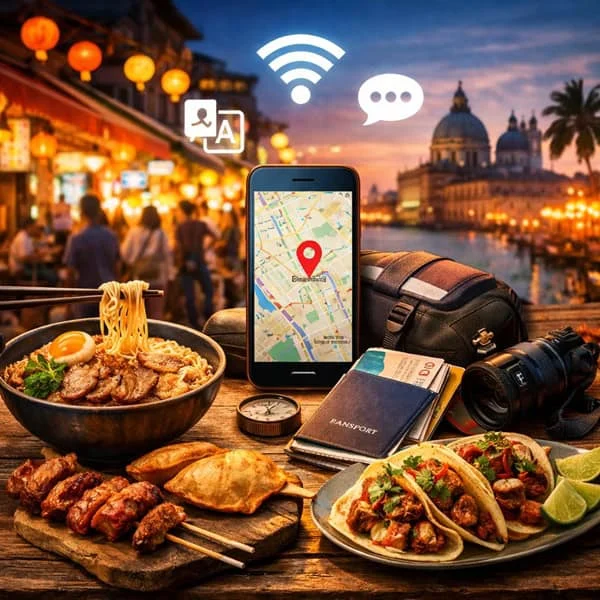
The ephemeral magic of travel, where a spontaneous wander through an unfamiliar neighborhood leads to an unforgettable culinary revelation, is often perceived as pure serendipity. However, beneath the surface of these seemingly accidental triumphs lies a foundation of preparedness, particularly the often-overlooked necessity of robust connectivity. For the growing demographic of "foodie flashpackers"—travelers who prioritize immersive gastronomic experiences while maintaining flexibility—reliable digital access is not a luxury, but a critical enabler. This article delves into why staying connected is paramount for those who seek out authentic flavors, exploring the practical benefits and the technological solutions that empower such journeys.
The myth of accidental discovery, while romantic, often obscures the practical realities of modern exploration. The moments that define a memorable food trip—discovering a hidden food stall with unparalleled local delicacies, navigating bustling street markets, or securing a coveted reservation at a sought-after establishment—rarely happen in a vacuum. Instead, they are frequently the product of calculated, albeit low-key, preparation. This preparation extends beyond booking flights and accommodations; it encompasses the ability to seamlessly access information in real-time. Consider the traveler who can instantly pull up a map upon exiting a metro station, translate a menu without resorting to awkward gestures, or share the precise location of a discovered gem with a fellow enthusiast. These are the seemingly mundane, yet vital, capabilities that connectivity provides.
For the foodie flashpacker, the objective is not to be perpetually online, but to have the assurance of instant access when it matters most. This reduces friction in the background, allowing for greater presence and immersion in the foreground—the sensory experience of tasting, smelling, and engaging with the local culinary landscape. When the focus is on a steaming bowl of regional noodles, a perfectly crafted taco, or the intoxicating aroma of a neighborhood bakery, this ability to be fully present is the ultimate goal.
The Differentiated Demands of Food-Focused Travel
Food-centric travel presents a distinct set of challenges and opportunities compared to conventional sightseeing. While traditional itineraries might focus on a sequence of historical landmarks or museums, the pursuit of exceptional food often involves a more dynamic and fluid approach. Travelers are drawn to a mosaic of locations: vibrant public markets brimming with fresh produce, unassuming side streets housing authentic eateries, ephemeral pop-up food counters, late-night street food vendors, charming cafes stumbled upon during a stroll, and restaurants whose operating hours are as specific as their culinary offerings.
This constant movement between diverse culinary hubs magnifies the impact of minor logistical hurdles. The inability to quickly verify operating hours can lead to a missed opportunity. Difficulty in translating a menu can result in an uninspired order, or worse, an allergen-related issue. The challenge of sharing a discovered culinary treasure with others, or recalling it later, can lead to forgotten gems. Even confirming a reservation, especially in areas with unreliable Wi-Fi, can become a source of stress. These seemingly small frictions, when aggregated, can detract significantly from the overall enjoyment and exploration of a destination’s food scene.
A degree of connectivity transforms these potential stressors into manageable aspects of the adventure. It empowers travelers to improvise with confidence, a crucial skill when navigating the often unpredictable world of local gastronomy. The key is not constant digital engagement, but strategic and reliable access.
The Flashpacking Ethos: Efficiency Meets Freedom
Flashpacking embodies a philosophy that balances the uninhibited spirit of a backpacker with the practical efficiency of a seasoned traveler. It’s about streamlining the travel process, not by imposing rigid structures, but by dismantling unnecessary obstacles. The aim is to optimize time and energy, redirecting them towards the aspects of travel that truly matter. For the foodie flashpacker, this means dedicating more attention to the quality of the culinary experience and less to the logistical minutiae.
A streamlined connectivity strategy for food-focused travel typically involves a few core elements:
- Lightweight and Adaptable Solutions: The technology employed should be easy to manage and adapt to different travel scenarios.
- Reliable Data Access: Consistent and dependable internet access is crucial for real-time information retrieval.
- Seamless Integration: The connectivity solution should integrate smoothly with existing devices and travel workflows.
- Flexibility for Spontaneity: The system must accommodate the inherent fluidity of food discovery, where plans can change rapidly.
This last point is particularly critical, as culinary expeditions are inherently dynamic. The most enticing food discoveries often occur unexpectedly, requiring the agility to pivot and adapt plans on the fly.
eSIMs: The Modern Solution for Travel Connectivity
The traditional method of obtaining international mobile service often involved the "airport SIM counter shuffle"—a process characterized by fluorescent lighting, confusing plan nomenclature, and a rushed exchange of physical SIM cards, leaving travelers to hope their essential messaging applications will function seamlessly. This experience can be particularly frustrating for travelers prioritizing immediate culinary exploration.
Embedded SIMs, or eSIMs, offer a significantly more streamlined alternative. Instead of physically swapping a SIM card, travelers can activate a digital data plan directly on their compatible devices. This process significantly reduces friction, allowing individuals to arrive at their destination already connected, a considerable advantage for those who view troubleshooting mobile service as a distraction from their primary goal: eating.
Services like SIMOVO’s travel eSIMs provide a straightforward pathway to acquiring international data. This type of solution aims to bypass the traditional SIM card acquisition process, offering a quick and efficient setup. The overarching objective is not to delve into the technicalities of telecommunications, but to safeguard valuable travel time. Every minute spent searching for connectivity is a minute not spent discovering and savoring local cuisine.
Connectivity as a Culinary Enhancement Tool
The reliable functioning of a mobile device during a food-focused trip can profoundly enhance the overall dining experience. It shifts the traveler’s approach from cautious adherence to adventurous exploration.
Empowering Exploration Beyond the Obvious
When travelers are concerned about getting lost or lacking immediate navigational support, they tend to gravitate towards predictable choices: well-trodden tourist districts, easily identifiable restaurants, or establishments that appear guaranteed to meet expectations. While these options can be satisfying, the most authentic and memorable culinary encounters often lie just off the beaten path. Reliable data access provides the confidence to venture down intriguing side streets, knowing that orientation is always a few taps away. This ability to explore deeper without the fear of becoming disoriented is fundamental to uncovering hidden gastronomic treasures.
Amplifying the Impact of Local Recommendations
Local insights are invaluable, but they are rarely conveyed through precise street addresses. Recommendations often rely on landmarks, neighborhood character, or descriptive cues like "it’s next to the pharmacy with the green sign." Mobile connectivity enables rapid triangulation of these clues. By combining map applications, quick messaging exchanges with locals, and potentially even photographic evidence of storefronts, travelers can efficiently locate recommended eateries.
Accelerating Menu Comprehension and Culinary Learning
Translation applications are not merely tools for convenience; they are instruments of bravery in the culinary realm. By reducing the anxiety associated with ordering unfamiliar dishes, travelers are more inclined to experiment with local specialties. Furthermore, connectivity allows for immediate research into specific ingredients, regional dish names, or the composition of enigmatic sauces, transforming a potentially time-consuming investigation into a brief, informative detour. This quick access to information fosters a deeper understanding and appreciation of the food being consumed.
Refining Timing for Peak Culinary Experiences
The quality of many culinary experiences is intrinsically linked to timing. The availability of certain dishes, like the popular birria, can be limited by early sell-outs. Bakeries may reach their zenith of freshness and flavor during specific morning hours, while night markets might not fully come alive until later in the evening. The ability to swiftly check operating hours, confirm availability directly with establishments, or ascertain seasonal offerings allows for intelligent, yet flexible, planning. This approach ensures that travelers can maximize their chances of experiencing dishes at their absolute best, without over-scheduling their days.
Building a Personal Culinary Archive
Every traveler has experienced the pang of disappointment after enjoying an exceptional dish and being unable to relocate the establishment on a subsequent trip. Connectivity provides the means to create a detailed record of culinary discoveries. By utilizing features such as:
- Saving locations on maps: Pinpointing exact spots for future reference.
- Taking geotagged photos: Capturing not just the food, but the context of its discovery.
- Saving restaurant names and contact information: Enabling quick follow-up.
- Using note-taking apps: Documenting specific dishes and impressions.
This digital "crumb trail" transforms a single successful food trip into a replicable playbook for future adventures.
Establishing a Balanced Connectivity Routine
A common apprehension regarding travel connectivity is the fear of excessive screen time detracting from the immersive experience. However, a structured approach can mitigate this concern, ensuring that technology serves as a tool rather than a distraction. A balanced routine might involve:
- Pre-Trip Preparation: Researching potential culinary destinations and downloading offline maps for key areas.
- Daily Check-ins: Briefly reviewing the day’s planned culinary targets, checking operating hours, and confirming any reservations before departing from accommodation.
- On-Demand Access: Utilizing data primarily for navigation, translation, communication, and real-time information gathering when actively exploring or dining.
- Post-Exploration Logging: Dedicating a few minutes at the end of the day to save discovered locations, add notes, and organize findings.
This rhythm ensures that the phone remains a supportive instrument, not the central focus of the travel experience.
Cultivating Confidence Through Connectivity
The essence of food travel is about experiencing a destination vibrantly and discovering its unique offerings. Connectivity does not diminish this sense of discovery; rather, it safeguards it. By ensuring that fundamental needs—navigation, communication, translation, and access to reservations or payment information—are met, travelers are liberated to engage fully in the act of discovery.
This philosophy of "structure where it matters, freedom everywhere else" is the hallmark of effective foodie flashpacking. When the logistical groundwork is securely in place, travelers are free to:
- Embrace spontaneity: The ability to pursue unexpected culinary leads.
- Engage authentically: More time for genuine interactions with local vendors and chefs.
- Savor the moment: Deeper immersion in the sights, sounds, and tastes of the destination.
- Discover without compromise: The freedom to explore diverse culinary landscapes without logistical hindrances.
By building trips with this balanced approach, travelers are more likely to encounter those serendipitous "how did we end up here?" moments—the meals that become lasting memories—without the added burden of chaos that often accompanies unplanned spontaneity. The underlying infrastructure of reliable connectivity empowers a richer, more confident, and ultimately more delicious travel experience.


 Budi Mulyono
 Anjar Salim
 Chandra Hamzah
 Tatiana Tantri Indah Sari

 Lukman Taruna Persada Ramadan