
 Cholid Fahmi Thalib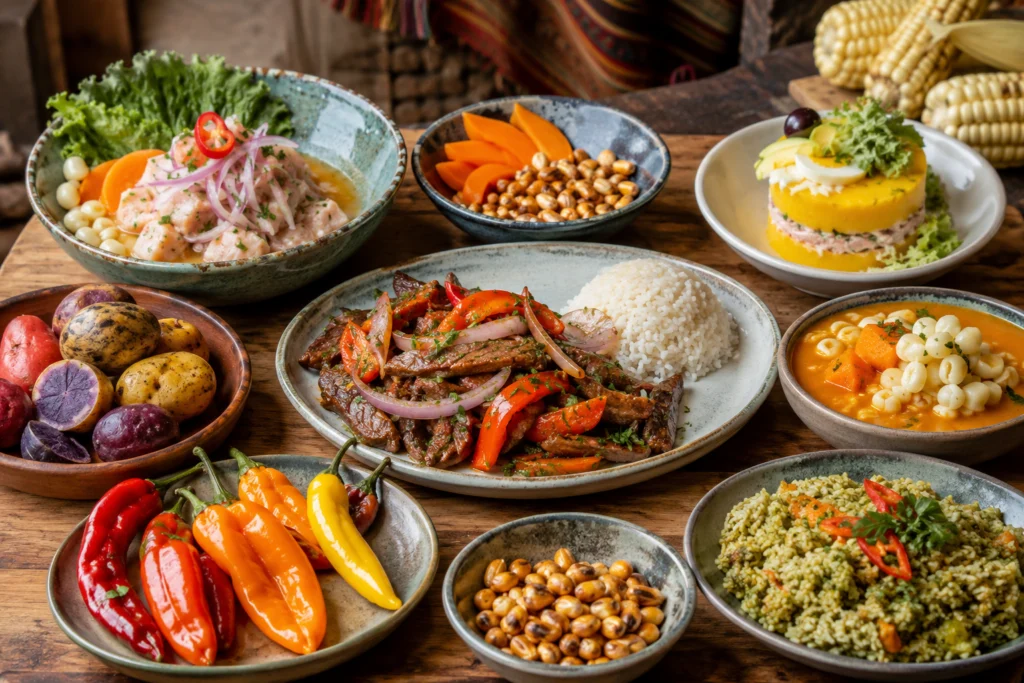
Peru’s culinary landscape is a testament to its extraordinary biodiversity and rich cultural tapestry, a fact that extends far beyond the celebrated tasting menus of Lima. At its heart, Peruvian cuisine is a mosaic of indigenous traditions, centuries of agricultural innovation, and the indelible imprints of global immigration. Understanding this intricate structure, particularly its three distinct regional food systems, the layers of historical migration, and ancient highland techniques, is paramount for any traveler seeking to truly savor the depth and breadth of what this South American nation offers. This guide aims to equip food-curious travelers with the geographic and cultural context necessary to appreciate Peruvian cuisine on its own terms, moving beyond mere dish checklists to a more profound understanding of its origins and evolution.
The foundation of Peru’s exceptional culinary diversity lies not in marketing slogans, but in its three ecologically distinct regions: the coast, the Andes, and the Amazon. Each region functions as a separate food system, boasting unique ingredients, cooking methodologies, and cultural logic that have developed independently over millennia. This geographical and ecological segmentation is the primary driver of Peru’s gastronomic richness, separating it from cuisines that might exhibit regional variations but are fundamentally unified. For the discerning traveler, recognizing these distinct food worlds transforms a culinary journey from a series of meals into an immersive exploration of Peru’s multifaceted identity.
The Three Culinary Worlds of Peru
The Coastal Pantry: A Bounty from the Humboldt Current
The Pacific coast of Peru, bathed by the nutrient-rich waters of the cold Humboldt Current, is a treasure trove of marine life. This unique oceanic phenomenon supports an unparalleled abundance of fish and shellfish, forming the bedrock of coastal Peruvian cuisine. While ceviche is its most globally recognized ambassador, the coast offers a spectrum of dishes, including tiradito, causa, arroz con mariscos, and leche de tigre, all showcasing the skillful application of culinary techniques to this oceanic bounty. A unifying element across many of these dishes is ají amarillo, a vibrant yellow chili pepper often referred to as the "soul of Peruvian cooking" by PROMPERÚ, the Peruvian Promotion Agency.
Causa, a visually appealing layered potato terrine, exemplifies the coastal region’s culinary ingenuity. Crafted from mashed yellow potatoes seasoned with ají amarillo and lime, it is typically filled with avocado, tuna, or chicken and served chilled. Arroz con mariscos, a hearty seafood rice dish, shares similarities with risotto, characterized by its rich sauce infused with ají amarillo and cilantro. These dishes, while utilizing similar core ingredients, demonstrate the diverse textures and flavor profiles achievable through varied preparation methods. The coastal region, therefore, is not defined by a single dish but by a sophisticated culinary system intrinsically linked to its environment.
The Andean Highlands: The Cradle of Peruvian Biodiversity
The Andean highlands are the undeniable genesis of Peru’s most iconic ingredients, many of which have gained global renown. This region is home to an astonishing array of over 3,000 native potato varieties, alongside vital grains like quinoa, kiwicha (amaranth), and kañiwa, and a diverse range of chili peppers that form the flavor base for dishes across the country. While Lima’s haute cuisine may highlight these ingredients, their true origin and unparalleled biodiversity are rooted in the sierra.
The International Potato Center, based in Lima, meticulously documents these indigenous potato varieties, many of which are exclusively found in local Andean markets. Their chromatic diversity, ranging from deep purples to vibrant yellows and mottled reds, is matched by their unique starch and flavor profiles. When a restaurant like Central, lauded as the world’s best in 2023, designs tasting menus that explore Peru’s ecosystems, the inclusion of highland ingredients is not merely an artistic choice but a fundamental acknowledgment of the Andes as the nation’s primary larder.
Pachamanca: An Ancient Earth-Oven Tradition
Pachamanca, far from being a mere culinary novelty, represents a pre-Columbian cooking technique that has endured for centuries. This earth-oven method involves slow-cooking marinated meats, potatoes, and vegetables within a pit lined with heated stones. Its practice, still prevalent in the Sacred Valley and other highland areas, offers a profound connection to the cuisine’s historical relationship with slow heat and layered flavors.
The preparation of pachamanca is a time-intensive ritual. Stones are heated in a fire, arranged in a pit, and then layered with marinated ingredients – typically lamb, pork, chicken, potatoes, corn, and beans. The pit is then sealed with earth, allowing the residual heat to cook the contents for several hours. The resulting dish is characterized by its smoky, deeply savory profile, a complexity that is difficult to replicate with conventional ovens or stovetops. While pachamanca is increasingly featured in food tourism initiatives, particularly around the Sacred Valley, experiencing community-based preparations offers the most authentic and instructive insight into this ancient practice.
Chuño: The Ingenuity of Andean Preservation
Chuño, a freeze-dried potato product indigenous to the Andes, stands as one of history’s most sophisticated pre-industrial food preservation methods. Andean communities have long utilized the region’s high-altitude nights, where temperatures consistently drop below freezing, to create this shelf-stable ingredient. The process involves exposing potatoes to the nightly frost, followed by days of pressing to expel moisture, resulting in a nutrient-dense, long-lasting food source that has sustained highland populations for centuries.

The precise climatic conditions required for chuño production make it a truly unique highland product with no direct substitute. Its culinary application, primarily in hearty soups and stews, imparts a dense, earthy texture distinct from that of fresh potatoes. While travelers unfamiliar with its origins might find chuño puzzling, understanding its historical context reveals it as a testament to Andean resilience and ingenuity in ensuring food security through lean seasons.
Andean Grains: Beyond Quinoa’s Global Fame
Kiwicha and kañiwa, ancient grains that predate quinoa’s international acclaim, remain fundamental to highland diets. They are commonly found in soups, porridges, and snacks across Andean cities, and their presence on a menu signals a kitchen drawing from indigenous pantry traditions rather than contemporary trends.
Kiwicha, or amaranth, offers a subtly sweet, nutty flavor and a fine grain suitable for both sweet and savory preparations. Kañiwa, smaller and more bitter, possesses an earthier profile and is particularly prevalent in regions near Lake Titicaca, such as Puno. Nutritional studies underscore the high-quality protein and micronutrients these ancient grains provide, contributing to the historical health and vitality of Andean populations. Exploring highland markets reveals these grains in their everyday forms, offering a glimpse into their integral role in local sustenance, often more authentically than they appear on restaurant menus.
The Amazon: An Underexplored Culinary Frontier
Peruvian Amazonian cuisine remains largely overlooked in global food discourse, despite the selva encompassing approximately 60% of Peru’s territory and offering a unique array of ingredients. Juane, a dish of rice and chicken steamed within bijao leaves, is perhaps its most recognizable export. Pescado a la hoja (leaf-wrapped river fish) and tacacho con cecina (mashed plantain with smoked pork) are staples in cities like Iquitos and Tarapoto. The region is also celebrated for its distinctive fruits, including camu camu, cocona, and aguaje, which are incorporated into juices, sauces, and desserts found nowhere else in Peru.
The bijao leaf serves a dual purpose: it imparts a subtle herbal aroma and, crucially, seals in moisture, contributing to a unique food texture. Paiche, one of the world’s largest freshwater fish and native to the Amazon basin, is a popular ingredient, prepared grilled, fried, or in stews in Iquitos. Its mild, firm flesh readily absorbs the region’s bold flavors, making it an ideal canvas for local sauces. Travelers venturing into Iquitos or Tarapoto without an understanding of these indigenous ingredients risk missing out on some of Peru’s most original culinary offerings.
The Influence of Immigration on Peruvian Cuisine
Peru’s culinary evolution has been profoundly shaped by successive waves of immigration, each leaving an indelible mark on its food traditions. These influences are not historical footnotes but living practices that continue to define Peruvian gastronomy.
Chifa: Chinese Ingenuity Meets Peruvian Palate
The presence of soy sauce, ginger, and wok cooking in dishes like Lomo Saltado, which features Andean beef and potatoes, is a direct legacy of Chinese indentured laborers who arrived in the mid-19th century. Their culinary techniques merged with local ingredients to create chifa, a Peruvian-Chinese culinary tradition that has become so pervasive that dishes like arroz chaufa (fried rice) and wantán frito are ubiquitous across Peru.
Chifa restaurants, initially neighborhood establishments serving Chinese-Peruvian communities, have evolved into a prominent dining category in Peru. Their high-heat stir-frying and soy-based sauces have been so thoroughly integrated into the national palate that they are often no longer perceived as foreign. Scholars highlight chifa’s transformation from immigrant survival food to a national culinary symbol. Arroz chaufa, a simple yet beloved dish of fried rice with egg, soy sauce, green onion, and protein, is enjoyed nationwide. Similarly, tallarín saltado, stir-fried noodles with meat and vegetables, is commonly found on menus alongside traditional Peruvian fare. The wok, introduced by Chinese laborers in the 1850s, has become an indispensable tool in Peruvian kitchens.
Nikkei: Japanese Precision Enhances Local Flavors
Japanese migration, beginning in 1899, introduced a distinct culinary style that masterfully blended Japanese techniques—such as raw fish preparation, precise knife skills, and minimalist seasoning—with Peruvian ingredients like ají amarillo, leche de tigre, and native corn. Nikkei cuisine has emerged as one of Peru’s most recognized culinary exports, with restaurants globally referencing its unique fusion. Understanding its origins clarifies why dishes at establishments like Maido offer a taste that is simultaneously Japanese and distinctly Peruvian.
Nikkei’s fusion is not merely aesthetic; it is practical. Japanese immigrants, lacking access to their native ingredients, adapted their skills to the abundant fish and peppers available in Peru. This adaptation resulted in a cuisine that is neither purely Japanese nor traditionally Peruvian but a unique creation born from cultural intersection and necessity. Tiradito, for instance, exemplifies this fusion. While visually similar to ceviche, its sashimi-style cut and absence of onion showcase Nikkei influence. The sauces often incorporate ají amarillo and leche de tigre, with subtle Japanese notes of sesame or citrus, creating a flavor profile that is both familiar and novel.
African Roots: Criollo Cuisine’s Foundation
The African influence, introduced through the transatlantic slave trade, has significantly shaped coastal criollo dishes. Tacu tacu, a savory fried cake made from leftover rice and beans, and anticuchos, skewers of grilled beef heart, both trace their origins to Afro-Peruvian traditions. These dishes highlight the resourcefulness and culinary adaptation developed by enslaved communities.
Spanish Colonization: Introducing New Ingredients
The arrival of the Spanish in the 16th century introduced ingredients such as olive oil, garlic, and dairy products, which were previously unknown in the indigenous Peruvian diet. These additions gradually integrated into existing culinary practices, contributing to the development of new dishes and flavor combinations.

The Practical Rhythm of Eating in Peru
Understanding the daily rhythm of meals in Peru is crucial for maximizing a culinary exploration. Lunch is unequivocally the main meal of the day, typically consumed between noon and 3 p.m., and often comprising multiple courses. Breakfast is generally light, consisting of bread, coffee, or perhaps a pastry. Dinner, in contrast, is even lighter, often limited to soup or a small plate.
This meal structure dictates the availability of certain foods. Cevicherías, for example, are primarily lunch establishments and usually close by late afternoon. Markets bustle with activity in the morning, reflecting the preparation of ingredients for the day’s main meal. The most sought-after stews, soups, and braised dishes are prepared early and are often sold out by 2 p.m. Travelers adhering to a dinner-centric schedule may inadvertently miss out on the freshest and most traditional offerings.
The Menú del Día: An Authentic and Affordable Experience
The menú del día, a fixed-price lunch menu available across Peru, represents the most authentic and economical way to experience local cuisine. Typically priced between S/10 and S/20, it generally includes a soup, a main course served with rice and salad, a dessert, and a drink. This meal format is how the majority of Peruvians partake in their midday repast during the workday. Forgoing the menú del día in favor of à la carte options often results in higher costs for less substantial meals and a missed opportunity to sample genuine local cooking.
The menus are dynamic, changing daily based on the freshest available ingredients, thus offering a more accurate reflection of a kitchen’s true pantry than fixed menus. In Cusco, the soup might be chupe de quinua; in Arequipa, chupe de camarones; and in Iquitos, paiche or river shrimp could be the featured main course. Analyzing the regional character of a menú del día provides a clear indicator of a restaurant’s sourcing and culinary focus.
Ají Peppers: The Flavor Infrastructure of Peruvian Cuisine
The diversity of Peruvian ají peppers is fundamental to the cuisine’s distinctive flavor profiles. Ají amarillo, ají panca, and rocoto are not interchangeable; each possesses a unique flavor, heat level, and culinary role. Ají amarillo, with its fruity notes and medium heat, is integral to ceviches, sauces, and stews. Ají panca, milder and smoky, is ideal for marinades and slow-cooked dishes. Rocoto, known for its fiery heat and subtle sweetness, is the star of rocoto relleno and is often served as a table sauce. Peru is a leading global producer of these peppers, and their judicious use is a more reliable indicator of regional culinary identity than almost any other ingredient.
Ají amarillo’s prevalence in Peruvian dishes, more so than any other ingredient, validates PROMPERÚ’s designation of it as the "soul of Peruvian cuisine." It forms the base of huancaína sauce, provides the essential heat in ceviche, lends its vibrant color to ají de gallina, and contributes a subtle yet crucial flavor note to countless other recipes. Familiarity with its fruity, balanced heat allows travelers to recognize its ubiquitous presence.
Rocoto, with its surprising intensity, merits special mention. Often mistaken for a bell pepper, its potent heat can be a revelation. Rocoto relleno, a celebrated Arequipa specialty, involves stuffing the pepper with a mixture of beef and cheese before baking, resulting in a dish that is simultaneously sweet, savory, and intensely spicy, a characteristic distinct from ají amarillo’s profile. The rocoto-driven culinary culture of Arequipa stands in such stark contrast to Lima’s that the two cities can feel like separate gastronomic worlds.
Vegetarian and Vegan Considerations in Traditional Peruvian Cuisine
For vegetarian and vegan travelers, navigating traditional Peruvian cuisine can present challenges, as many dishes are protein-forward. However, the Andean pantry, rich in potatoes, corn, quinoa, oca, and olluco, forms the basis of numerous dishes that were inherently plant-based long before modern dietary labels existed. Causa, papa a la huancaína, and chupe de quinua are naturally vegetarian, and highland markets offer a wealth of meat-free options that are not mere substitutes but integral components of traditional diets.
A word of caution for those with strict dietary needs: chicken stock frequently appears in soups, and lard is sometimes used in the preparation of breads and fried items. Travelers are advised to inquire directly about ingredients. While fine-dining establishments in Lima are increasingly offering plant-forward menus, including vegetable causas and vegan ceviche, these represent urban adaptations rather than traditional practices. The most authentic plant-based culinary experiences are often found in the highlands, rooted in centuries-old agricultural traditions.
The Transformative Power of Contextual Understanding
Peru’s burgeoning culinary reputation was not forged solely within the kitchens of Lima but across its vast geographical expanse. It was cultivated in the high-altitude towns where ancient potato varieties continue to be grown, in Amazonian river cities where fish possess names unknown in other regions, and in immigrant enclaves where the wok met the ají amarillo. Travelers armed with only a superficial knowledge of ceviche will undoubtedly eat well. However, those who grasp the intricate structure underlying Peruvian cuisine—its regional divisions, historical influences, and daily rhythms—will dine better, at the opportune hours, in the most appropriate settings, and through a menú del día that reveals more about a location’s essence than any review ever could. The culinary riches of Peru are abundant and waiting to be discovered; the key lies in understanding what one is observing when the plate arrives.


 Anjar Salim
 Chandra Hamzah
 Tatiana Tantri Indah Sari
 Budi Mulyono
 Lukman Taruna Persada Ramadan
