
 Budi Mulyono
The financial services sector and the travel loyalty industry are currently navigating a period of significant volatility as major issuers adjust their risk appetites and hotel programs continue to devalue their digital currencies. Recent developments involving Citibank’s aggressive account closures, the suspension of popular credit card applications, and the continued erosion of point values at major hotel chains like Hilton Worldwide highlight a tightening market for consumers who utilize rewards programs to offset travel costs. These shifts suggest a broader trend where financial institutions are prioritizing risk mitigation and profitability over aggressive customer acquisition in the high-end rewards space.

Citi Implements Stringent Risk Controls and Product Adjustments
In early June 2026, reports emerged of a series of account shutdowns initiated by Citibank, affecting several high-volume users. While the bank does not typically comment on individual account closures due to privacy and security protocols, industry analysts suggest that these actions are likely tied to "credit limit cycling." This practice involves a cardholder spending up to their credit limit, paying off the balance, and spending again within the same billing cycle. From a banking perspective, cycling is often flagged by automated risk-management systems as a potential indicator of "bust-out" fraud or money laundering, even when performed by legitimate customers seeking to maximize rewards on large purchases.
Compounding the uncertainty surrounding Citi’s portfolio was the abrupt suspension of applications for the Citi Custom Cash card on June 2, 2026. The card, which offered a competitive 5% cash back (or 5 points per dollar) on a customer’s top spending category each month, was widely considered a "loss leader" for the bank. Financial experts note that such products, while effective for customer acquisition, often attract a demographic of "gamers"—consumers who optimize their spending to maximize rewards while minimizing interest payments and fees. The removal of the card from public application suggests a pivot in Citi’s strategy toward more sustainable, higher-margin products. Current cardholders may still access the product via "product changes" from other Citi cards, though this remains an unadvertised and potentially temporary option.

Chronology of Loyalty Program Devaluations and Fee Increases
The first half of 2026 has seen a steady cadence of updates that have negatively impacted the "Reasonable Redemption Value" (RRV) of several major loyalty currencies.
- May 31, 2026: Analysts advised against "test transfers" or splitting point transfers into smaller increments when moving points from flexible currencies (like Chase Ultimate Rewards or Amex Membership Rewards) to airline partners. This recommendation followed reports of increased account freezes and transfer delays as airlines implement stricter anti-fraud measures.
- June 2, 2026: The suspension of Citi Custom Cash applications signaled a cooling in the competitive 5% category-bonus market.
- June 5, 2026: Data from Gondola and other third-party analytics firms confirmed that Hilton Honors points have reached a new low in median value.
- July 2026 (Scheduled): Alaska Airlines is set to increase its non-refundable partner booking fee from $12.50 to $20.00 per passenger.
The increase in Alaska Airlines’ fees is particularly notable for families and group travelers. While a $7.50 increase per ticket may seem marginal, for a family of four on a round-trip itinerary involving partner airlines, these fees represent an additional $60 in out-of-pocket costs that cannot be covered by miles. This move follows a broader industry trend of "unbundling" award tickets, where the points cover the fare, but ancillary fees continue to rise.
Data Analysis: The Diminishing Value of Hotel Points
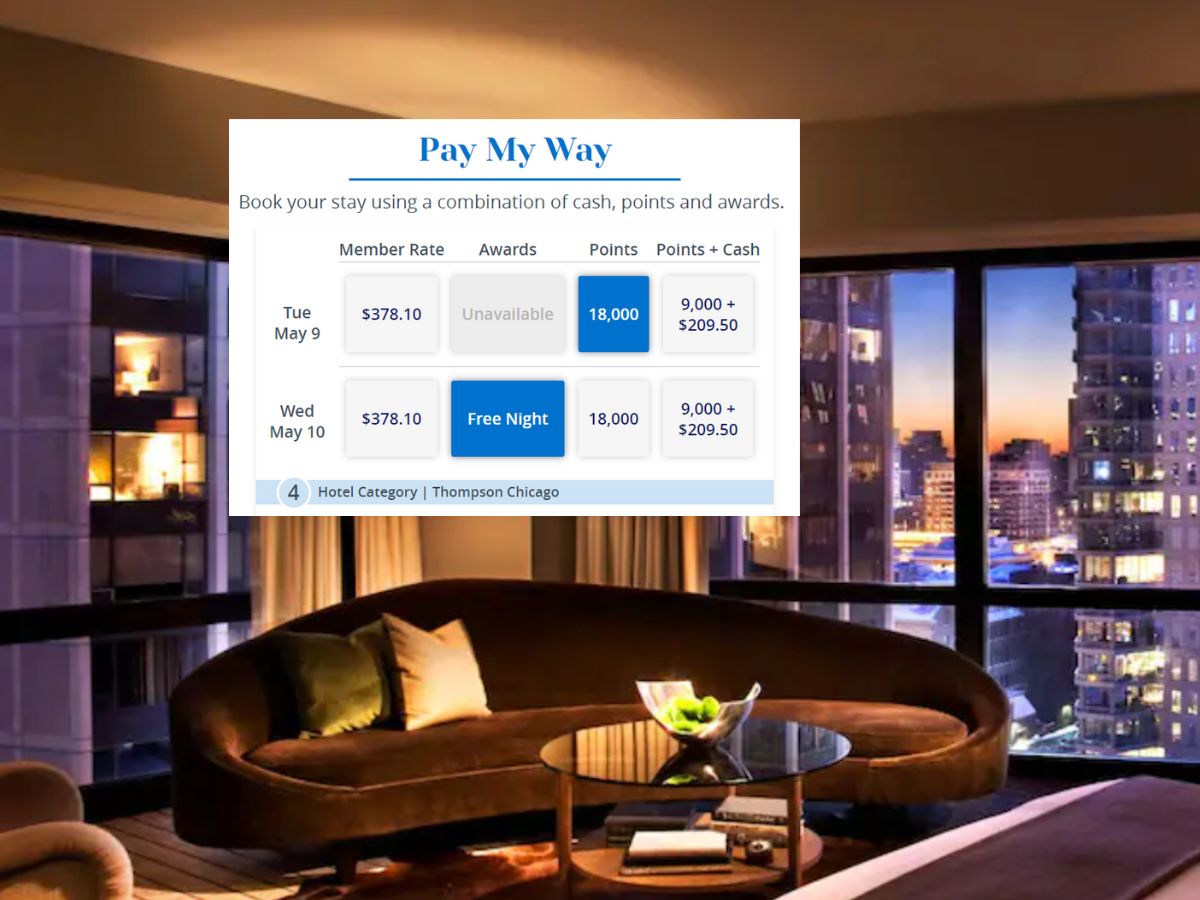
The hotel loyalty sector is currently facing a "perfect storm" of rising cash rates and devaluing points. According to recent data, the median value for Hilton Honors points has dropped to 0.35 cents per point. This represents a significant decline from the historical benchmark of 0.5 cents per point. Several factors contribute to this devaluation:
- Dynamic Pricing Models: Most major hotel chains have moved away from fixed award charts, tying the point cost of a room more closely to the prevailing cash rate.
- Inflation in Cash Rates: As hotel rooms become more expensive in dollar terms, the number of points required for a "Standard Room Reward" has climbed, often exceeding 100,000 points per night at luxury properties.
- Point Inflation: High-multiplier credit cards (offering 10x to 14x points on certain categories) have flooded the market with Hilton points, leading the chain to increase redemption costs to maintain its balance sheet.
For consumers, this means that earning hotel points through credit card spend is increasingly viewed as a losing proposition compared to earning flexible "transferable" points or cash back. Furthermore, travelers holding "Fine Hotels and Resorts" (FHR) credits from premium cards like the American Express Platinum are finding it harder to utilize these benefits. With the general rise in hotel pricing, the $200 annual credit often covers less than half the cost of a single night at eligible properties, forcing consumers to spend significant cash to "save" their credit.
Strategic Shifts in Domestic and International Travel
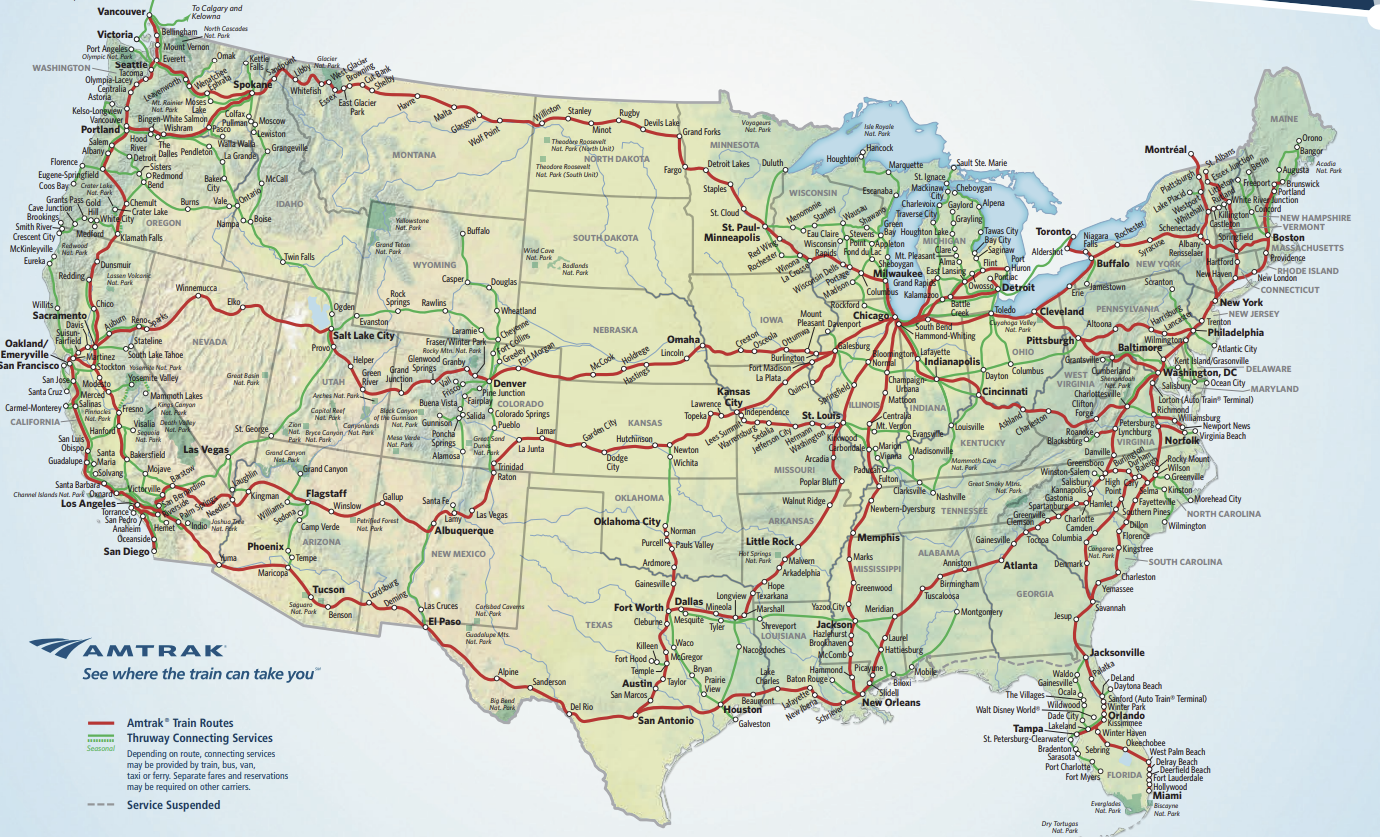
The landscape of domestic travel within the United States is also undergoing a transformation. Traditionally, "travel hackers" utilized foreign airline programs to book domestic U.S. flights at lower rates. However, major U.S. carriers—including Delta, United, and American Airlines—have significantly reduced the amount of award space they release to international partners.
Consequently, domestic travelers are being urged to reconsider their credit card "ecosystems." For those traveling primarily within the U.S., access to domestic transfer partners (such as Southwest Rapid Rewards or JetBlue TrueBlue) and "pay with points" options (where points have a fixed value of 1.25 to 1.5 cents toward any flight) are becoming more valuable than the pursuit of high-value international business class redemptions.

On the consumer side, there is a growing appreciation for "practical" credits over "aspirational" ones. The Chase-Instacart partnership is a prime example. While grocery delivery credits lack the glamour of airport lounge access, households with multiple Chase cards are reporting savings of over $800 annually by utilizing these monthly credits. In an era of high food inflation, these tangible "wins" are beginning to outweigh the increasingly difficult-to-redeem travel perks.
Broader Impact on Credit Management and Consumer Behavior
Despite the tightening of the market, the impact of frequent credit card applications on consumer credit scores remains a point of significant public misconception. Financial data shows that for disciplined consumers, maintaining a high number of accounts (often 20 or more) does not inherently damage a credit score. In fact, the increased total credit limit often leads to a lower "utilization ratio," which accounts for 30% of a FICO score.
However, the "Average Age of Accounts" (15% of a FICO score) can be negatively impacted by frequent new applications. Industry experts suggest that consumers with "thin" credit files—those with few older accounts—should exercise more caution than "thick" file consumers when participating in the rewards hobby.
The current environment also reflects a shift in how families approach travel and education. With the rise of remote work and flexible schooling, more families are utilizing "travel schooling" or short-term homeschooling to facilitate extended international trips. This trend is driven by the desire to maximize the value of points and miles before further devaluations occur, treating travel as a primary educational tool rather than a luxury.

Official Responses and Industry Outlook
While major banks and airlines rarely issue public statements regarding specific devaluations, their actions speak to a strategy of "controlled inflation." By slowly increasing the points required for a stay or flight and adding small fees to partner bookings, these companies can reduce their loyalty liabilities without triggering a mass exodus of members.
The outlook for the remainder of 2026 suggests continued pressure on "fixed-value" credits and hotel points. Analysts recommend that consumers adopt a "burn then earn" strategy—spending points as they are earned rather than hoarding them, as the purchasing power of these digital assets is almost guaranteed to decrease over time. As the market matures, the advantage will likely shift to consumers who can remain flexible, moving between different bank ecosystems and prioritizing cash-equivalent rewards when loyalty programs fail to provide sufficient value.




 Anjar Salim
 Chandra Hamzah
 Tatiana Tantri Indah Sari
 Lukman Taruna Persada Ramadan
