
 Walid Sujud Trenggono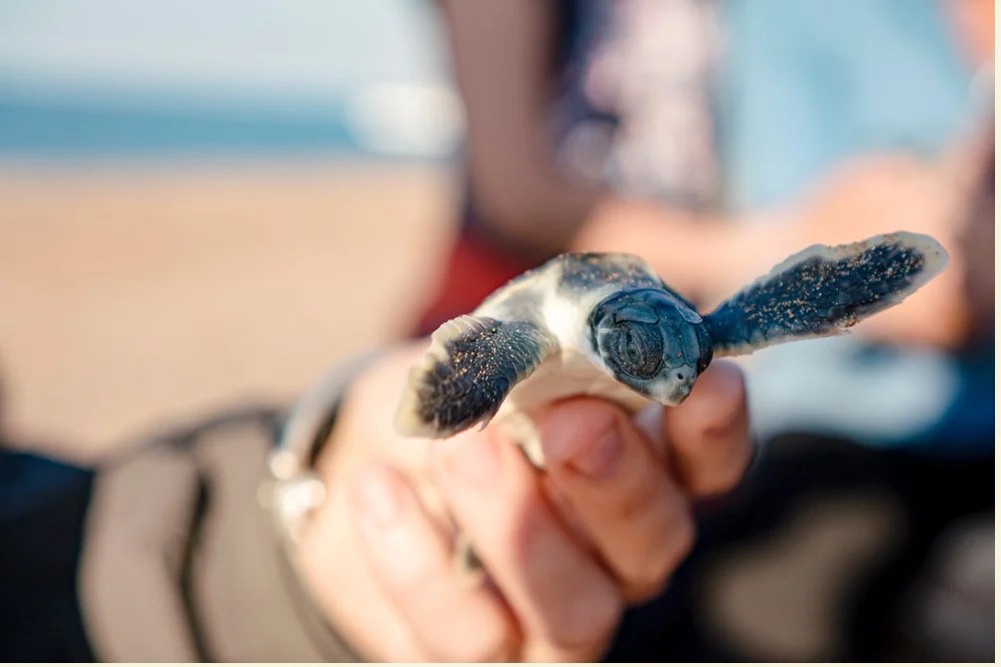
Located approximately 50 kilometers southwest of Darwin, Bare Sand Island serves as one of the most critical nesting grounds for the flatback turtle (Natator depressus), a species unique for being the only sea turtle endemic to the Australian continental shelf. Every winter, as the southern hemisphere approaches the winter solstice, hundreds of these marine reptiles emerge from the inky waters of the Joseph Bonaparte Gulf to lay their eggs in the dunes of this remote outpost. Despite their regular appearance, the flatback turtle remains one of the least understood sea turtle species in the world, currently classified as "data deficient" by both the Northern Territory government and the International Union for Conservation of Nature (IUCN) Red List. This lack of definitive data has spurred a decades-long research effort led by AusTurtle, a non-profit volunteer organization dedicated to monitoring the population and assessing the long-term impacts of environmental shifts on the species’ survival.
Biological Profile and the Mystery of Natator Depressus
The flatback turtle derives its name from its distinctively flattened, low-domed carapace, which distinguishes it from the more rounded shells of the green or loggerhead turtles. Adult flatbacks typically weigh around 90 kilograms and measure approximately one meter in length. Unlike other sea turtle species that migrate across vast oceanic basins, the flatback is known to remain within the relatively shallow coastal waters of Australia, Papua New Guinea, and Indonesia. However, they only nest on Australian beaches, making the nation solely responsible for the protection of their terrestrial reproductive habitats.
One of the most significant gaps in marine biology is the "lost years" of the flatback turtle. Researchers have yet to determine where the turtles go or how they survive during the roughly 30-year period between their initial hatching and their first return to the beach to nest. Unlike other turtles that often spend their youth in pelagic (open ocean) environments, flatback hatchlings are thought to stay closer to the shore, yet their exact migratory patterns and developmental milestones remain a subject of intense study. This 30-year mystery complicates conservation efforts, as threats encountered during this three-decade hiatus are largely unmonitored.
The Research Mission: Three Decades of Citizen Science
For over 30 years, the AusTurtle research team has established a seasonal "pop-up" camp on Bare Sand Island, known to the traditional Kenbi owners as Ngulbitjik. The camp operates under a strict "no-impact" philosophy to preserve the island’s pristine ecosystem. Situated on traditional Kenbi land, the research site lacks permanent structures; there are no ground fires, no permanent water sources, and all waste, including composted material, is meticulously removed at the end of the season.
The primary objective of the AusTurtle team is to transform the "data deficient" status of the species into a concrete conservation profile. During the peak nesting window—roughly two hours on either side of the high tide—researchers and volunteers work through the night to gather vital statistics. Their methodology includes:
- Carapace Measurement: Recording the length and width of the shell to track growth rates and age demographics.
- Flipper Tagging: Applying unique identification tags to new arrivals and recording data from returning individuals to track nesting frequency.
- Temperature Monitoring: Inserting probes into nests to record incubation temperatures, which are critical for determining the sex of the hatchlings.
- Egg Counts: Monitoring clutch sizes, which for flatbacks average around 50 eggs—the largest eggs of any sea turtle species, though the clutch size is smaller than that of their cousins.
Chronology of the Nesting Cycle
The nesting season on Bare Sand Island spans from May to September, peaking during the cooler winter months. The process is a grueling physical feat for the female turtles. After navigating the reef systems surrounding the island, they lumber up the beach, often clearing multiple "trial" sites before selecting a location in the high dunes that offers the correct sand consistency and protection from the tide.
Once a site is selected, the turtle uses her hind flippers with surprising dexterity to excavate a deep egg chamber. The laying process takes place in a state of semi-trance, allowing researchers to approach silently to conduct measurements without causing distress to the animal. After depositing her eggs, the turtle spends considerable time camouflaging the nest, throwing sand over the site to hide it from predators such as monitor lizards and birds.
The incubation period lasts approximately 50 to 60 days. A critical phase of the AusTurtle mission occurs during the hatching window. Because the sand can collapse or become too compacted, not all hatchlings successfully reach the surface. Researchers conduct "nest excavations" after a primary hatch to rescue stragglers trapped beneath the surface. These hatchlings are then kept in a cool environment and released under the cover of darkness during the next high tide to maximize their chances of bypassing shoreline predators and reaching the safety of the sea.
Socio-Cultural Context and Native Title
The conservation of Bare Sand Island is inextricably linked to the land rights of the Kenbi people. In 2016, following the longest-running Aboriginal land claim in Australian history, native title over the island was officially awarded to the Kenbi clan. To the traditional owners, the island is Ngulbitjik, a sacred site with spiritual connections to the mainland.
A point of intersection between traditional culture and modern conservation is the sustainable harvesting of turtle eggs. The Kenbi people visit the island during the winter to harvest eggs, a practice that has existed for millennia. While this may seem at odds with conservation goals, senior researchers like Andrew Raith argue that the impact is negligible compared to broader environmental threats. Raith notes that the flatback population has coexisted with Indigenous harvesting for thousands of years, and the practice gives the local community a vested interest in protecting the island from industrial development or habitat destruction. By maintaining a value for the resource, the Kenbi people serve as de facto guardians of the ecosystem.
Supporting Data: The 1-in-1000 Survival Rate
The statistical reality for Natator depressus is sobering. Marine biologists estimate that only one in every 1,000 hatchlings will survive to reach sexual maturity. The threats are multifaceted:
- Natural Predation: Hatchlings must survive a gauntlet of crabs, birds, and fish. On Bare Sand Island, a resident three-legged saltwater crocodile known as "Graham" is also a known predator of both hatchlings and nesting adults.
- Temperature-Dependent Sex Determination (TSD): The sex of a turtle is determined by the temperature of the sand during incubation. Warmer sand produces females, while cooler sand produces males.
- Climate Change: Rising global temperatures pose an existential threat. If nest temperatures consistently exceed the "pivotal temperature" (approximately 29°C), the population risks a severe sex-ratio imbalance, leading to a "feminization" of the species where a lack of males makes the population unviable. Furthermore, if temperatures exceed 34°C, the embryos often fail to develop entirely.
Broader Impact and Ecological Implications
The flatback turtle is classified as an "indicator species," meaning its health reflects the overall health of the marine ecosystem. They play a vital role in maintaining the balance of the seabed by grazing on invertebrates, jellyfish, and soft corals. A collapse in the flatback population would likely trigger a trophic cascade, affecting the biodiversity of the reefs and the health of the seagrass beds.
Furthermore, the Northern Territory’s flatback population is uniquely vulnerable to climate-induced migration issues. Unlike species in the southern parts of Australia that might migrate further south to find cooler nesting beaches as the planet warms, the NT flatbacks are already at the northernmost limit of their range. With no cooler coastlines to retreat to, they are effectively trapped in a warming environment, making the data collected on Bare Sand Island essential for developing potential intervention strategies, such as artificial shading of nests or translocation of eggs.
Conclusion and Future Outlook
The work being conducted on Bare Sand Island represents a critical junction between citizen science, traditional land management, and professional marine biology. While the "data deficient" label still hangs over the flatback turtle, the three decades of longitudinal data gathered by AusTurtle are beginning to paint a clearer picture of the species’ resilience and its breaking points.
As global environmental pressures mount, the survival of Australia’s endemic sea turtle will depend on continued monitoring and the ability of policymakers to integrate scientific data with traditional ecological knowledge. For the volunteers who spend their nights on the windswept dunes of Ngulbitjik, the goal remains simple: ensuring that the "halcyon days" of the winter nesting season continue for generations to come, preserving a biological legacy that is uniquely Australian.
Conservation Access and Information
For those looking to support or participate in these efforts, the following avenues are available:
- Volunteer Research: AusTurtle holds annual volunteer camps in June and July. These week-long placements are essential for the labor-intensive data collection required during the peak nesting season.
- Eco-Tourism: Regulated tours, such as those operated by Sea Darwin, allow the public to witness the nesting process under the supervision of guides, ensuring that tourism provides financial support for conservation without disturbing the turtles.
- Data Contribution: Observations of flatback sightings or strandings along the Northern Territory coastline are encouraged to be reported to marine stranding hotlines to assist in ongoing population mapping.



 Anjar Salim
 Dwi Wanna
 Budi Mulyono
 Lukman Taruna Persada Ramadan
 Chandra Hamzah
 Gabriela Annisa