
 Anjar Salim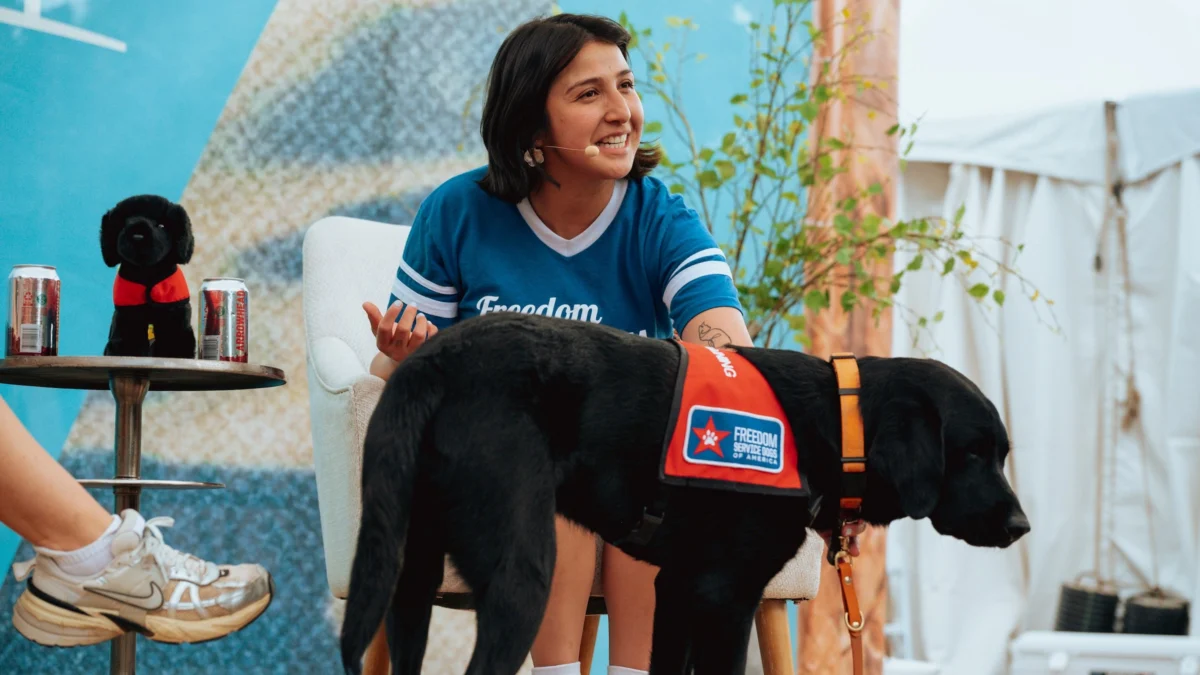
The profound bond between humans and dogs is more than a sentimental connection; it is a scientifically backed catalyst for physiological and psychological restoration. As the medical community increasingly recognizes the therapeutic value of canine companionship, organizations like Freedom Service Dogs (FSD) are refining the art of the human-canine partnership to address complex modern health challenges. From mitigating the symptoms of Post-Traumatic Stress Disorder (PTSD) in military veterans to providing mobility assistance for those with physical disabilities, the role of the service dog has evolved into a sophisticated, life-saving intervention.
The Physiological and Psychological Foundations of Canine Healing
The assertion that owning a dog is "good for you" is supported by an expanding body of peer-reviewed research. Data published in journals such as MDPI Animals and the American Heart Association (AHA) journal, Circulation, suggest that the presence of a dog can lead to measurable improvements in human health. One of the most significant findings in recent years is the correlation between dog ownership and a 24% reduction in all-cause mortality, particularly among individuals with a history of cardiovascular events.
The mechanism behind these benefits is multifaceted. Interacting with a dog has been shown to lower cortisol levels—the body’s primary stress hormone—while simultaneously triggering the release of oxytocin, often referred to as the "bonding hormone." This chemical shift results in lower blood pressure and a stabilized heart rate. For individuals navigating high-stress environments or chronic illness, these biological changes are not merely incremental; they are foundational to the recovery process.
Karen “KP” Perez, the community engagement manager for Freedom Service Dogs, emphasizes that the healing process often begins with the mitigation of isolation. "I feel like healing starts when you don’t feel alone anymore," Perez noted during a recent discussion. By providing a constant, non-judgmental presence, service dogs act as a bridge, reconnecting their owners to a world that may have felt increasingly inaccessible due to trauma or physical limitations.
Freedom Service Dogs: A Model of Customization and Care
Founded on the principle of providing high-quality assistance to those in need, Freedom Service Dogs has distinguished itself through a rigorous, bespoke approach to training. Unlike many organizations that operate on a first-come, first-served basis, FSD utilizes a "custom-train" model. This ensures that each dog is specifically prepared to meet the unique needs of its future partner.
The organization serves four primary demographics:
- Veterans and First Responders: Focusing on those with PTSD and traumatic brain injuries (TBI).
- Neurodivergent Individuals: Including young adults with autism who require assistance with sensory regulation and social navigation.
- Individuals with Mobility Limitations: Providing support for those with spinal cord injuries, multiple sclerosis, or other physical challenges.
- Professional Facilities: Training dogs for use in courtrooms, schools, and therapeutic environments.
This specialized focus requires a deep understanding of the client’s daily life. When an applicant approaches FSD, the process involves a comprehensive inquiry into their specific disability and the environment in which they live. This data-driven approach allows trainers to "solidify" the dog’s skills, ensuring that by the time the animal is fully placed, it is an expert in the tasks most relevant to its owner’s independence.
The Life Cycle of a Service Dog: The Case of Mango
The journey from a "purpose-bred" puppy to a certified service animal is a multi-year commitment involving a network of dedicated volunteers and professional trainers. Mango, a Labrador Retriever currently under the care of Perez, serves as a primary example of this developmental pipeline.
The training timeline typically follows a structured chronology:
- Early Socialization (0–8 Weeks): Puppies are introduced to various sights, sounds, and textures to build confidence.
- Puppy Raising (2 Months – 1 Year): Volunteers like Perez take the puppies into their homes. During this phase, the focus is on "manners"—basic obedience, public access etiquette, and emotional regulation.
- Professional Training (1 Year – 2 Years): The dog returns to the FSD facility to work with professional trainers. This is where the "custom" aspect of the training occurs. Dogs learn specific tasks, such as opening doors, retrieving dropped items, or performing "Deep Pressure Therapy" (DPT) to interrupt anxiety attacks.
- Placement and Matching: Once the dog reaches maturity (around age two), it is matched with a client. The pair undergoes a two-week "placement class" to ensure the bond is secure and the owner knows how to utilize the dog’s skills effectively.
Mango is currently in the "manners" phase, the fourth dog Perez has helped raise for the nonprofit. This volunteer-led model is essential for the organization’s scalability, as it allows the dogs to experience real-world scenarios—such as festivals, grocery stores, and offices—long before they are tasked with the responsibility of a full-time service career.
Contextualizing the Impact: Outside Days and Public Engagement
The visibility of service dogs in the public sphere is a critical component of disability advocacy. Recently, Perez and Mango participated in a panel at "Outside Days," a festival hosted by Outside Interactive, Inc. (the parent company of Outside magazine). The event, which focuses on the intersection of outdoor adventure, environmental stewardship, and wellness, provided an ideal backdrop for discussing the role of service dogs in promoting an active lifestyle.
For many individuals with disabilities, the "great outdoors" can feel restrictive. A service dog trained for mobility or PTSD support can provide the necessary security for a veteran to hike a trail or for a person in a wheelchair to navigate a public park. The Outside Days panel highlighted how these canine partners do not just provide "help" in a clinical sense; they facilitate a return to the hobbies and environments that define a person’s identity.
The presence of FSD at such high-profile events also serves an educational purpose. It clarifies the legal and social distinctions between service dogs (which are protected under the Americans with Disabilities Act), emotional support animals (ESAs), and therapy dogs. This distinction is vital for maintaining public access rights for those who truly rely on their dogs for daily functioning.
Economic and Societal Implications of Service Dog Integration
The cost of breeding, raising, and custom-training a single service dog can exceed $30,000 to $50,000. Despite these high overhead costs, Freedom Service Dogs provides its animals to clients free of charge. This model is sustained through corporate sponsorships, grants, and individual donations, reflecting a societal investment in the well-being of the disabled community.
From an economic perspective, the successful placement of a service dog can lead to significant long-term savings. For veterans with PTSD, a service dog can reduce the reliance on pharmaceutical interventions and decrease the frequency of emergency room visits or crisis interventions. For those with mobility issues, a dog can provide enough independence to reduce the need for paid human caregivers, allowing the individual to return to the workforce or participate more fully in their community.
Furthermore, the "neurodivergent" aspect of FSD’s mission addresses a growing demographic. As diagnoses of autism and other neurodevelopmental conditions rise, the demand for dogs that can provide sensory grounding is at an all-time high. These dogs help young adults transition into independent living, providing a "social bridge" that facilitates communication with peers and employers.
Analysis: The Future of the Human-Canine Bond
As we look toward the future, the integration of service dogs into mainstream healthcare appears inevitable. The transition from viewing dogs as "pets" to viewing them as "assistive technology" represents a paradigm shift in how we approach chronic illness and mental health.
The success of Freedom Service Dogs lies in its refusal to adopt a "one size fits all" mentality. By focusing on the specific nuances of a veteran’s trauma or a child’s sensory needs, FSD ensures that the connection between dog and owner is not just functional, but transformative. As Karen Perez noted, the healing begins with the end of loneliness. In the case of Mango and the hundreds of dogs that have preceded him, that healing is delivered one paw at a time, backed by science and fueled by an ancient, unspoken bond.
The ongoing work of organizations like FSD, coupled with the advocacy seen at events like Outside Days, ensures that the conversation around disability remains focused on empowerment rather than limitation. As our understanding of the canine mind continues to grow, so too will our ability to harness their loyalty for the betterment of human health, proving that the most advanced medical tool might just be the one waiting at the front door with a wagging tail.




 Dwi Wanna
 Budi Mulyono
 Lukman Taruna Persada Ramadan
 Chandra Hamzah
 Gabriela Annisa