
 Cholid Fahmi Thalib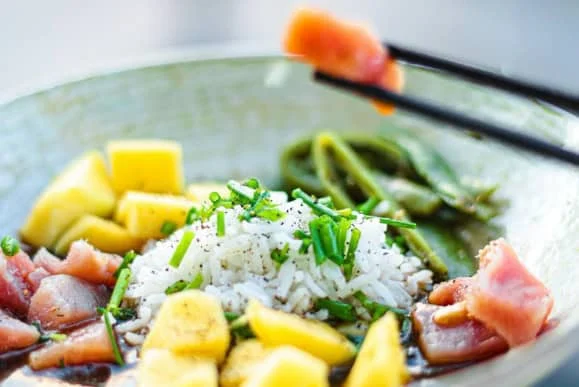
Islands are some of the most unique and captivating destinations on earth, offering not only breathtaking landscapes and vibrant ecosystems but also unparalleled culinary experiences that reflect their distinct cultures and abundant natural resources. From the sun-drenched beaches of the Caribbean to the remote volcanic landscapes of the Pacific, these isolated havens provide a perfect canvas for food lovers to indulge in local, fresh cuisine. For the discerning foodie flashpacker, a curated exploration of these island destinations promises a gastronomic adventure that will leave a lasting impression.
The allure of island dining lies in its inherent connection to the surrounding environment. The rhythm of the tides, the fertility of volcanic soil, and the bounty of tropical flora and fauna directly influence the dishes served. This direct link between the land and the plate often translates into exceptionally fresh ingredients, prepared using time-honored traditions passed down through generations. Whether one seeks the fiery zest of Caribbean spices, the sun-kissed simplicity of Mediterranean fare, the complex aromatics of Southeast Asian kitchens, the sustainable bounty of ecologically sensitive regions, or the robust traditions of the Pacific, island destinations consistently deliver memorable meals that beckon return visits.
Caribbean Delights: A Symphony of Spices and Ocean Bounty
The Caribbean archipelago, a mosaic of cultures shaped by African, Indigenous, and European influences, boasts a cuisine renowned for its vibrant, bold flavors. Dishes like Jamaica’s iconic jerk chicken, the Bahamas’ crispy conch fritters, and Barbados’ rich curry goat are testaments to this flavorful heritage. The region’s culinary landscape is a direct reflection of its history, marked by trade routes, colonial legacies, and the resilience of its people. The widespread use of aromatic spices such as allspice, thyme, scotch bonnet peppers, and ginger not only adds depth but also provides a characteristic warmth to many dishes.
Central to Caribbean culinary identity is an unwavering commitment to fresh, local ingredients. Seafood, naturally, takes pride of place. Fish and shellfish, often caught the very same morning, are prepared using a variety of techniques, from grilling and frying to steaming and stewing. Accompanying these oceanic treasures are staple tropical sides like fluffy rice and peas, sweet fried plantains, and hearty breadfruit. In destinations like Jamaica, known for its vibrant agricultural sector, or the Turks and Caicos, with its abundant marine life, diners can savor ocean-fresh lobster, snapper, and shrimp. These are rarely served in a straightforward manner; instead, they are transformed by local culinary artistry, embracing bold marinades, slow cooking, and the judicious application of herbs and spices that create a truly distinctive palate. The economic impact of sustainable fishing practices and local agriculture in the Caribbean is significant, supporting local economies and preserving traditional foodways. For instance, a substantial portion of the tourism revenue generated in islands like Barbados is directly tied to the culinary sector, highlighting the importance of fresh, locally sourced ingredients in attracting visitors.
Mediterranean Islands: Sun-Kissed Flavors and Timeless Traditions
The Mediterranean islands, including Sicily, Sardinia, and Crete, offer a culinary experience deeply rooted in the region’s agricultural richness and a long history of cultural exchange. The food here is characterized by its simplicity, its emphasis on high-quality, seasonal produce, and the quintessential Mediterranean staples: olives, cheese, and wine. This approach to cooking celebrates the natural flavors of the ingredients, allowing them to shine without excessive embellishment.
Sicilian cuisine, for example, is a testament to the island’s fertile volcanic soil and its strategic position in the Mediterranean. Iconic dishes like Pasta alla Norma, featuring tender local eggplants, ripe tomatoes, and savory ricotta salata, exemplify this philosophy. Sardinia, known for its rugged interior and coastal bounty, is celebrated for its robust meat dishes, particularly slow-cooked pork and lamb, and its distinct, aged Pecorino cheese. On the Greek islands, such as Crete, the tradition of mezze platters—a delightful assortment of small dishes—reigns supreme. These often include creamy tzatziki, succulent grilled lamb, and an array of fresh, seasonal vegetables, all drizzled with local olive oil. The Mediterranean diet, a UNESCO Intangible Cultural Heritage, is not merely a set of recipes but a lifestyle that promotes health and well-being, heavily influencing the island cuisines. Research has consistently linked the Mediterranean diet to lower rates of cardiovascular disease and other chronic illnesses, underscoring the health benefits inherent in these island food traditions. The economic importance of olive oil production and viticulture in these regions further solidifies their culinary identity.
Southeast Asian Islands: Aromatic Fusion of Tropical and Exotic
Island destinations in Southeast Asia, such as Bali, Phuket, and the Philippines, present a vibrant tapestry of tropical flavors and exotic spices. These regions have cultivated a rich culinary heritage influenced by indigenous ingredients, colonial histories, and extensive trade networks, resulting in a complex and deeply flavorful gastronomic landscape.
Bali’s Babi Guling, a succulent roasted suckling pig, is a quintessential Balinese dish, often served with steamed rice, a medley of aromatic spices, and irresistibly crispy skin. The intricate spice pastes, known as bumbu, are fundamental to Balinese cooking, featuring ingredients like galangal, turmeric, ginger, chili, and lemongrass. Thailand’s island paradises offer an equally enticing array of culinary delights. Pad Thai, a stir-fried rice noodle dish, is a global favorite, while Tom Yum, a hot and sour soup, and fragrant seafood curries made with creamy coconut milk, fragrant lemongrass, and fiery chilies, showcase the region’s mastery of balancing sweet, sour, salty, and spicy notes. In the Philippines, adobo, a savory stew typically made with chicken or pork braised in vinegar, soy sauce, garlic, and peppercorns, stands as a national dish. Fresh lumpia, delicate spring rolls filled with a variety of savory vegetables and meats, further highlight the Filipino penchant for fresh, vibrant flavors. The economic significance of tourism in these Southeast Asian islands is heavily reliant on their culinary appeal, with many local economies thriving on the export of spices and the growth of the culinary tourism sector. Studies indicate that food experiences are a primary driver for tourists visiting countries like Thailand and Vietnam, contributing billions of dollars annually to their economies.
The Galapagos Islands: Sustainable Dining in an Enchanted Realm
While globally celebrated for their unparalleled biodiversity and otherworldly landscapes, the Galapagos Islands are also emerging as a destination for exceptional, eco-conscious dining. The islands’ remote location and a strong commitment to sustainable tourism have fostered a unique food scene that prioritizes fresh, locally sourced ingredients, particularly seafood, in harmony with conservation efforts.
A highlight of dining in the Galapagos is the opportunity to experience "ocean-to-table" cuisine at restaurants that champion responsible sourcing. Here, diners can savor dishes featuring freshly caught lobster, vibrant ceviche, and impeccably prepared tuna, all while immersed in the breathtaking natural beauty of the archipelago. The strict environmental regulations in the Galapagos ensure that the seafood served is not only of the highest quality but also sustainably harvested, allowing visitors to enjoy local delicacies while actively supporting the conservation initiatives that preserve this extraordinary ecosystem. The Galapagos Marine Reserve, established in 1998, plays a critical role in managing fishing practices and protecting marine life, directly impacting the availability and sustainability of local seafood. The economic model for the Galapagos relies heavily on eco-tourism, and the culinary offerings are an integral part of this sustainable approach, ensuring that visitor spending directly benefits conservation and local communities. For example, initiatives like the Galapagos Sustainable Tourism Protocol aim to minimize the environmental footprint of tourism activities, including food sourcing and waste management.
Pacific Islands: Ancestral Flavors and Island Heritage
The Pacific Islands, encompassing regions from Polynesia to New Zealand, are synonymous with pristine beaches and dramatic natural beauty, but they also harbor rich and diverse culinary traditions. These islands are home to ancient foodways that are deeply intertwined with local customs and centuries-old practices, offering a taste of authentic island heritage.
In Fiji, Kokoda, a refreshing raw fish salad marinated in citrus juices and finished with creamy coconut milk, embodies the island’s tropical abundance and offers a delightful interplay of fresh, tangy, and creamy notes. New Zealand, renowned for its pastoral landscapes, features lamb as a culinary cornerstone, often slow-cooked to perfection, highlighting the quality of its agricultural produce. A truly immersive cultural and culinary experience in New Zealand is the traditional Māori Hangi. This ancient cooking method involves slow-roasting meat and root vegetables in an underground oven, infusing the food with a distinctive smoky flavor and tenderizing it to perfection. The practice of Hangi is not merely about cooking; it is a communal ritual that strengthens social bonds and connects participants to the land. The emphasis on fresh, local ingredients, including abundant seafood, nutrient-rich root vegetables like taro and kumara, and an array of tropical fruits, defines the culinary landscape of the Pacific. Dining in this region offers a profound connection to the land, the sea, and the vibrant cultures that have thrived there for millennia. The economic impact of traditional food practices, such as the Hangi, contributes to cultural tourism, attracting visitors seeking authentic experiences and supporting local artisans and food producers.
Hawaiian Islands: A Culinary Melting Pot of Aloha
The cuisine of the Hawaiian Islands is a vibrant fusion, a delicious testament to the confluence of Polynesian, American, Asian, and European influences. This rich tapestry of culinary traditions has given rise to a food scene that is both eclectic and distinctly Hawaiian, offering a unique gastronomic identity.
Poke, a quintessential Hawaiian dish, is a prime example of this fusion. This beloved raw fish salad, typically seasoned with soy sauce, sesame oil, and seaweed, has gained global popularity for its fresh, vibrant flavors. Loco Moco, a comfort food staple, features a hearty combination of steamed rice, a fried egg, and a hamburger patty, all generously smothered in savory gravy. Hawaiian barbecue is another must-try, showcasing tender meats marinated in sweet and savory sauces, often grilled over open flames, embodying the spirit of island gatherings. The concept of the "plate lunch," a generous serving of a main dish, rice, and macaroni salad, is a cultural institution in Hawaii, reflecting the islands’ diverse population and their appetite for satisfying, flavorful meals. Beyond these staples, Hawaiian cuisine also celebrates fresh produce and unique local ingredients, such as taro, breadfruit, and macadamia nuts. The term "aloha" in Hawaiian cuisine extends beyond mere flavor; it encompasses the warmth, hospitality, and generosity with which food is shared, making every meal an experience steeped in cultural significance. The economic influence of Hawaiian cuisine is substantial, with the food and beverage sector being a significant contributor to the state’s economy, driven by both local consumption and the booming tourism industry.
Conclusion: An Unforgettable Island Gastronomy
Island destinations represent some of the planet’s most exceptional culinary frontiers. From the robust, spicy nuances of the Caribbean to the elegantly simple, ingredient-driven dishes of the Mediterranean, and the aromatic complexity of Southeast Asia, each island offers a distinct gastronomic narrative. The commitment to sustainability in places like the Galapagos Islands ensures that diners can indulge in the freshest seafood and locally sourced produce while supporting vital conservation efforts. The deep-rooted traditions of the Pacific Islands and the cultural fusion evident in Hawaiian cuisine further underscore the diverse and rich tapestry of island food.
Whether one is seeking the thrill of a perfectly spiced jerk chicken, the delicate balance of flavors in a Sicilian pasta dish, the exotic allure of Balinese spices, the pristine freshness of Galapagos seafood, the comforting warmth of a Fijian Kokoda, or the vibrant spirit of a Hawaiian poke bowl, island dining provides an unforgettable dimension to any travel experience. These culinary journeys are more than just meals; they are immersive cultural explorations that connect travelers to the heart of island life, its people, and its bountiful natural resources. As global travel continues to prioritize authentic experiences, the world’s islands stand ready to offer not just breathtaking vistas, but also some of the most memorable and flavorful meals one can encounter.



 Anjar Salim
 Dwi Wanna
 Budi Mulyono
 Lukman Taruna Persada Ramadan
 Chandra Hamzah
 Gabriela Annisa