
 Cholid Fahmi Thalib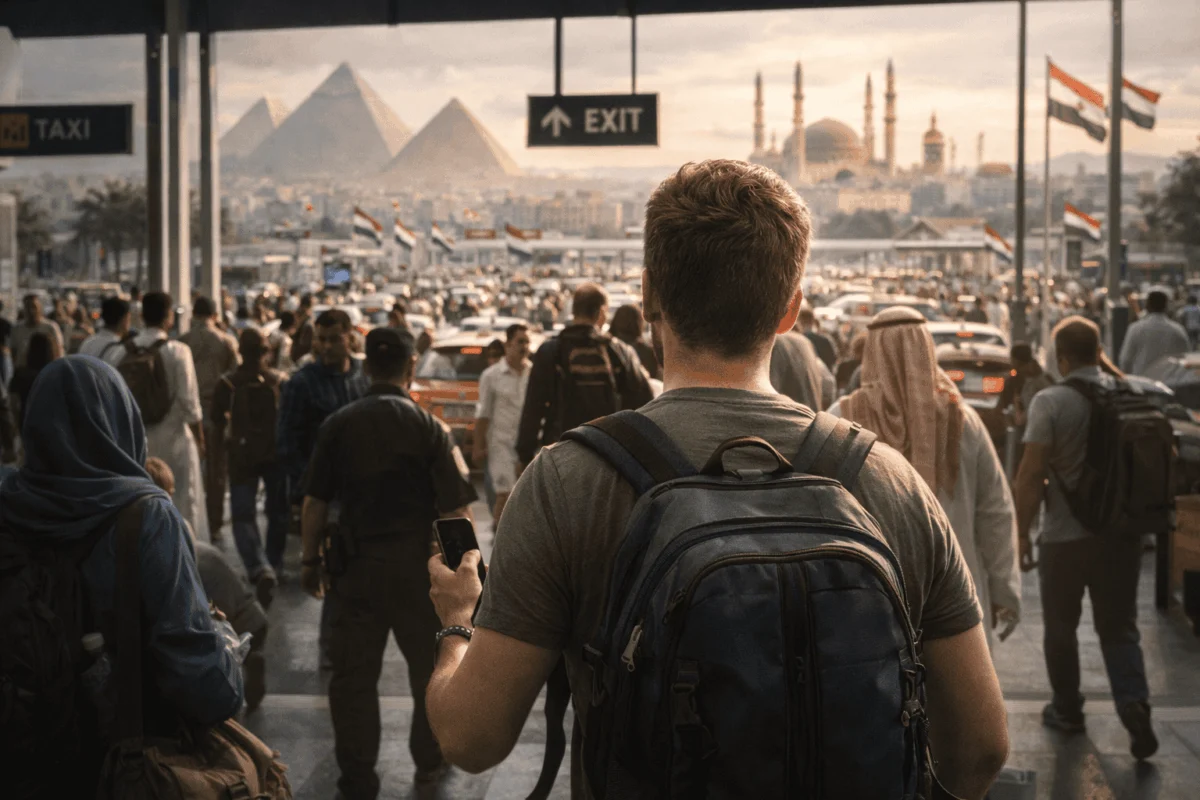
The initial journey to Egypt, a land rich with ancient wonders and vibrant modern life situated on the African continent, often carries a substantial weight of preconceived notions. For many first-time visitors, the anticipation is a complex tapestry woven with threads of excitement and apprehension, frequently amplified by sensationalized media portrayals and cautionary tales from concerned acquaintances. This emotional duality is a common prelude to arrival, setting the stage for a profound reevaluation of expectations once immersed in the Egyptian reality. This article delves into the authentic experience of navigating Egypt for the first time, moving beyond idealized brochures to explore the perplexing, overwhelming, yet ultimately rewarding aspects that frequently lead to the common refrain: "I didn’t expect this at all."
Confronting Preconceptions: The Initial Sensory Overload
Upon disembarking in Egypt, travelers often find their preconceived notions challenged by an immediate and intense sensory immersion. The anticipated image of an overwhelming and potentially intimidating environment is, in many respects, accurate, yet the actual experience often proves less overtly threatening and more a vibrant, albeit chaotic, symphony of everyday life. The cacophony of car horns, the animated calls of street vendors, and the rhythmic pulse of music emanating from open windows create an immediate sonic landscape. The air itself feels palpably different, a thicker atmosphere charged with the warmth of the sun, the fine particles of dust stirred by constant motion, and an undeniable sense of perpetual activity. This initial bombardment can trigger a moment of doubt, a fleeting question about the wisdom of the journey.
However, this initial disorientation typically gives way to a subtle recalibration. As the traveler observes the intricate flow of this apparent chaos, a realization dawns: beneath the surface-level pandemonium, there exists an underlying order. People move with purpose, navigating the bustling streets with an innate understanding of their environment. Systems, though perhaps unfamiliar in their execution, are demonstrably in place, facilitating the daily rhythm of Egyptian life. This gradual acceptance allows for a measure of relaxation, as the country, in its unvarnished authenticity, reveals itself not as an antagonist, but as a living, breathing entity.
The First Day: A Test of Adaptation and Resilience
The inaugural day in Egypt can feel like a disorienting whirlwind. The lingering effects of travel, coupled with the relentless stimulation of a new environment, can render even the simplest tasks challenging. Crossing a busy street, a routine act in many Western cities, can transform into a high-stakes maneuver. Traffic regulations, often perceived as guidelines rather than strict mandates, contribute to a feeling of unpredictability. The concept of personal space, so ingrained in some cultures, appears to operate on a different spectrum entirely.
Yet, the human capacity for adaptation is remarkably swift. By the close of this initial day, the initial anxieties often transmute into amusement. The traveler may find themselves reflecting on the intensity of their earlier apprehension with a newfound sense of perspective. Patterns begin to emerge from the apparent disorder: optimal moments to navigate pedestrian traffic, the subtle cues for hailing a taxi, and the rhythm of daily commerce. While the initial discomfort is undeniable, it is rarely insurmountable. This period of adjustment, while testing, ultimately serves as a crucial prelude to a deeper engagement with the country, paving the way for burgeoning curiosity.
Culture Shock: Subtle Shifts in Social Interaction
The manifestations of culture shock in Egypt are typically not marked by dramatic, singular events, but rather by a series of subtle, unexpected shifts in social dynamics and daily routines. One of the most noticeable differences is the heightened level of directness in communication. Conversations can commence with an ease and immediacy that might initially feel intrusive to those accustomed to more reserved social interactions. Strangers may inquire about one’s origins, travel plans, and overall impressions of Egypt. While this can be disconcerting at first, it often evolves into a perception of genuine human connection and openness.
The concept of time also operates with a distinct fluidity. Plans are subject to revision, and delays are an accepted part of the daily fabric. Resisting this temporal flexibility often leads to frustration, whereas embracing it fosters a more relaxed and adaptable approach to travel. Furthermore, unexpected acts of kindness and assistance frequently punctuate the journey. A local may offer directions without prompting, a shopkeeper might provide guidance without any expectation of a purchase, or a family might extend an invitation for tea simply out of neighborly warmth. These small gestures serve to soften the edges of unfamiliarity, humanizing the experience and fostering a sense of welcome.
Navigating Transportation: From Intimidation to Familiarity
The transportation network in Egypt presents one of the most significant concerns for first-time visitors. The visual impression of Egyptian roads, often characterized by a dynamic and seemingly unscripted flow of vehicles, can appear daunting. Public transportation, such as trains, may evoke a sense of nostalgia for simpler eras, while ride-sharing applications, though functional, do not always operate with the seamless efficiency found elsewhere.
Initially, travelers may find themselves meticulously planning every transit, questioning the safety of specific vehicles, the fairness of fares, and the accuracy of their navigational routes. However, with time and experience, a quiet confidence begins to take root. The realization emerges that the majority of drivers are simply individuals performing their professional duties. A practical understanding of typical costs for various journeys develops, and the initial panic associated with navigation app reroutes gradually subsides. Many seasoned travelers recommend familiarizing oneself with firsthand accounts from individuals who have recently navigated Egypt’s transport systems. Resources offering insights into local perspectives, such as Inside-Egypt.com, can provide invaluable context, transforming the initial days from a trial-and-error exercise into a more informed exploration.
Safety Considerations: Vigilance Over Fear
The pervasive question of safety in Egypt is a significant consideration for many prospective visitors. While the country’s environment may differ considerably from many Western destinations, this distinction does not inherently equate to danger. Tourist zones typically exhibit a visible security presence, and local populations often demonstrate a protective inclination towards visitors. Instances of serious security incidents affecting tourists are statistically less frequent than media narratives might suggest.
Nevertheless, a fundamental principle of common sense remains paramount. Maintaining situational awareness, refraining from ostentatious displays of wealth, and trusting one’s instincts are crucial. The same precautions applicable in any unfamiliar environment serve travelers well in Egypt. What often surprises first-time visitors is the swift transition from a state of heightened vigilance to one of comfort and familiarity, as the perceived risks diminish in the face of daily realities.
The Enduring Impact of Egyptian Hospitality
While the monumental historical sites of Egypt are undeniably awe-inspiring, it is the people who often leave the most profound and lasting impression on first-time visitors. Conversations are a ubiquitous feature of daily life, transpiring in taxis, at bustling cafes, and during moments of shared waiting. Egyptians are frequently characterized by their curiosity, their willingness to engage in dialogue, and their genuine interest in the experiences of those visiting their country. A palpable sense of pride in their heritage is often evident, interwoven with an honest acknowledgment of the nation’s contemporary challenges.
Hospitality in Egypt is not a performative act but an intrinsic aspect of social interaction. It manifests in the simple act of offering extra food, pulling up an additional chair without being asked, or a stranger intervening to assist without any expectation of reward. These cumulative moments of genuine connection and kindness form a significant part of the visitor’s narrative, embedding themselves in memory long after the journey concludes.
Iconic Landmarks: More Than Just Postcards
The initial encounter with Egypt’s iconic landmarks, such as the Pyramids of Giza, is an experience that transcends mere visual appreciation. Their sheer scale and antiquity defy easy comprehension, creating a sense of profound awe and unreality. However, a common surprise for first-time travelers is the seamless integration of these historical marvels into the fabric of modern Egyptian life. Ancient ruins coexist with bustling urban thoroughfares, children play football in the shadows of millennia-old structures, and contemporary cafes are situated in proximity to temples predating recorded history.
Egypt is not a static relic of the past; it is a dynamic entity, a complex interplay of the ancient and the modern, the orderly and the chaotic. Recognizing this multifaceted reality transforms the country from a two-dimensional postcard image into a vibrant, living, and breathing nation.
The Emotional Spectrum of Exploration
The experience of traveling through Egypt can be emotionally demanding, characterized by a spectrum of highs and lows. One moment, a traveler might feel overwhelmed by exhaustion and the perceived complexities of navigating daily life. The next, they may find themselves in a moment of profound tranquility, surrounded by breathtaking beauty and experiencing an overwhelming sense of gratitude for the opportunity to be present.
This emotional volatility can be disorienting for those unaccustomed to such rapid shifts. Egypt does not offer a gentle introduction; it demands attention, patience, and, at times, a measure of humility. In return, it offers unparalleled awe, a recalibration of perspective, and a wealth of unforgettable stories.
Common Misconceptions Among First-Time Visitors
A prevalent misstep among first-time travelers to Egypt is the attempt to impose an excessive degree of control over their experience. This often translates into overly ambitious itineraries, meticulously scheduled activities, and an expectation of punctuality and adherence to plans that may not align with the local rhythm. This rigid approach frequently proves counterproductive.
Egypt rewards flexibility and an open mind. It is a destination that flourishes when room is made for unforeseen delays, spontaneous detours, and unexpected encounters. The most enriching experiences often arise not from rigidly checking off a list of predetermined activities, but from a willingness to be present and observant. Another common pitfall is the tendency to evaluate Egypt through the lens of other travel destinations. However, Egypt possesses a unique identity and narrative that transcends such comparisons.
The Enduring Value of a First Egyptian Journey
The question of whether Egypt is a worthwhile destination for a first-time visit hinges on an individual’s travel aspirations. For those who prioritize predictability and seamless execution, Egypt may present a significant challenge. Conversely, for travelers open to embracing a degree of discomfort, driven by curiosity, and appreciative of experiences that defy neat categorization, Egypt can offer an profoundly memorable adventure.
The inaugural trip to Egypt is rarely a flawless undertaking. It is frequently characterized by moments of confusion, periods of exhaustion, and an abundance of deeply impactful experiences. The expectation of complete understanding is unrealistic; indeed, the nuances that remain elusive are often what contribute to the country’s enduring mystique.
Egypt does not seek to impress with polite deference. Instead, it engages visitors on their own terms, acknowledging both its complexities and its charms, and offering a unique opportunity to perceive the world through a different lens. For the vast majority of those who embark on their first journey to this ancient land, the answer to the question of whether they would return is often solidified long before they board their flight home.



 Anjar Salim
 Dwi Wanna
 Budi Mulyono
 Lukman Taruna Persada Ramadan
 Chandra Hamzah
 Gabriela Annisa