
 Cholid Fahmi Thalib
The pursuit of authentic culinary experiences during travel often hinges on subtle indicators, much like discerning the best stall in a bustling market. It’s not the most ostentatious signage or the longest queues that guarantee quality, but rather the quiet hum of local patronage – the familiar greetings, the readiness of exact change, the practiced movements of the cook. These understated signs of genuine community engagement are frequently more telling than fleeting trends or dishes designed solely for the tourist gaze. For the modern traveler, particularly those arriving in a new destination, the ability to seamlessly navigate between adjacent neighborhoods and towns significantly enhances the potential for discovering these coveted culinary gems. In cities like Sydney, for instance, the immediate acquisition of rental cars at Sydney Airport can provide the crucial flexibility needed to maintain dining reservations, maximize daylight hours for exploration, and adapt to the realities of kitchens that may close earlier than anticipated, especially outside of peak tourist seasons.
Strategic Neighborhood Selection: The Foundation of Culinary Discovery
The most rewarding gastronomic journeys are frequently found within geographically compact areas, where a network of diverse culinary establishments can be explored on foot. Cities that boast vibrant districts featuring well-established markets, artisanal bakeries, and early-rising cafés that maintain their energy throughout the day are prime candidates. The ability to traverse multiple locations within a single neighborhood not only maximizes the variety of tastes experienced but also minimizes valuable travel time, allowing for a deeper immersion into the local food culture. A recommended approach involves dedicating a portion of each day to exploring two distinct food-centric neighborhoods, with a deliberate pause scheduled in the afternoon. This interlude can be dedicated to a leisurely walk in a local park, a visit to a cultural institution, or a brief period of rest, all of which serve to refresh the palate and prevent the common pitfall of making rushed, less-than-optimal food choices when hunger intensifies.
Identifying areas that cater primarily to local residents, rather than solely to transient visitors, is a key differentiator. Indicators of such authenticity include the presence of neighborhood grocery stores, proximity to educational institutions, and restaurants that prominently display daily lunch specials on external boards. Furthermore, robust public transportation links and readily available parking options, especially for those planning short inter-meal drives, are strong indicators of a well-integrated community that supports a diverse range of eateries.
Several city pairings exemplify this strategic approach, offering neighborhoods that consistently reward repeat visits and deep exploration. Tokyo, for example, presents Asakusa and Yanaka as ideal starting points for early-morning pastries, comforting noodle dishes, and tranquil coffee bars before the city’s energetic crowds emerge. In Mexico City, the vibrant districts of Roma and La Condesa offer a walkable tapestry of renowned taco vendors and charming bakeries, providing an accessible introduction to the city’s celebrated street food and café culture. Lisbon’s Campo de Ourique and Príncipe Real neighborhoods provide a compelling blend of traditional markets, intimate wine bars, and unpretentious bistros, reflecting the city’s rich culinary heritage. Bangkok’s Ari and Talat Phlu districts offer a dynamic balance between contemporary cafés and time-honored family-run establishments conveniently located near public transit hubs. Both of these vibrant Asian capitals benefit from early-rising markets and a swift build-up of local activity, underscoring the advantage of an early start to the day.
Leveraging Airport Hubs for Regional Culinary Access
Some of the most exceptional culinary experiences are situated beyond the immediate confines of city centers, and airports can serve as strategic gateways to shorten initial travel distances. Direct pickup services from airport locations can help travelers bypass congested urban transit systems, enabling them to reach smaller, more specialized dining areas before even checking into their accommodations. This strategy is particularly effective in regions that maintain distinct and enduring culinary traditions that may not be widely represented in more central tourist zones.
Sydney serves as a compelling example of this airport gateway strategy. The region’s exceptional dining scene extends across its picturesque beaches, diverse suburbs, and fertile inland valleys. Upon arrival at Sydney Airport, travelers can quickly access areas like Cabramatta, renowned for its authentic Vietnamese cuisine, or Marrickville, a hub for artisanal bakeries and burgeoning small bar culture. Alternatively, a northward drive towards the Blue Mountains offers opportunities to sample local specialties such as traditional pies, artisanal ciders, and the offerings of small-batch roasters.
To ensure a manageable and enjoyable first day, it is advisable to limit initial driving distances to approximately ninety minutes each way from the chosen base. This approach allows travelers to arrive with ample energy, avoid the fatigue associated with extended travel, and still have time for a brief exploratory walk. In instances where traffic conditions appear unfavorable, a pragmatic adjustment involves shifting focus to a nearby suburb, deferring the longer excursion to another day when conditions might be more conducive.
This airport gateway concept is applicable to numerous global destinations where strong regional food traditions are situated within convenient driving distance. In Spain, Barcelona’s proximity to Girona allows for exploration of its vibrant market lunches and renowned pastry shops, fitting seamlessly between cultural visits. South Africa’s Cape Town offers access to the picturesque Winelands, where rustic farm kitchens and wine tastings are complemented by roadside produce stands offering fresh, local fare. In Canada, Vancouver’s position allows for a swift journey to Richmond, a mecca for Cantonese cuisine, with its bustling kitchens and dessert shops that remain active well into the evening. New Orleans, with its renowned downtown dining scene, also provides easy access to smokehouses and seafood shacks located beyond the immediate urban core, often featuring more accessible parking and shorter wait times. In each of these locales, a personal vehicle becomes an indispensable tool, enabling travelers to prioritize culinary destinations based on their operating hours and unique offerings, rather than being confined by fixed hotel addresses or limited public transport routes.
Integrating Real-Time Buffers for Culinary Resilience
A common pitfall in meticulously planned food expeditions is the over-scheduling of every hour, rendering the entire itinerary vulnerable to disruption from a single delay. A more effective strategy involves identifying one non-negotiable dining destination for each day, supplemented by two nearby alternative options that are known to have available seating. This contingency planning ensures that a late train, unexpected traffic congestion, or unforeseen circumstances do not result in the cancellation of a highly anticipated meal.
Before committing to a dinner reservation, it is crucial to ascertain the "last order" time rather than merely the stated closing time. Many kitchens, particularly on weeknights or during local events and public holidays, cease accepting new orders significantly before their official closing hour. Similarly, understanding market operating hours is essential, as popular stalls can exhaust their inventory well before midday, especially on Saturdays.
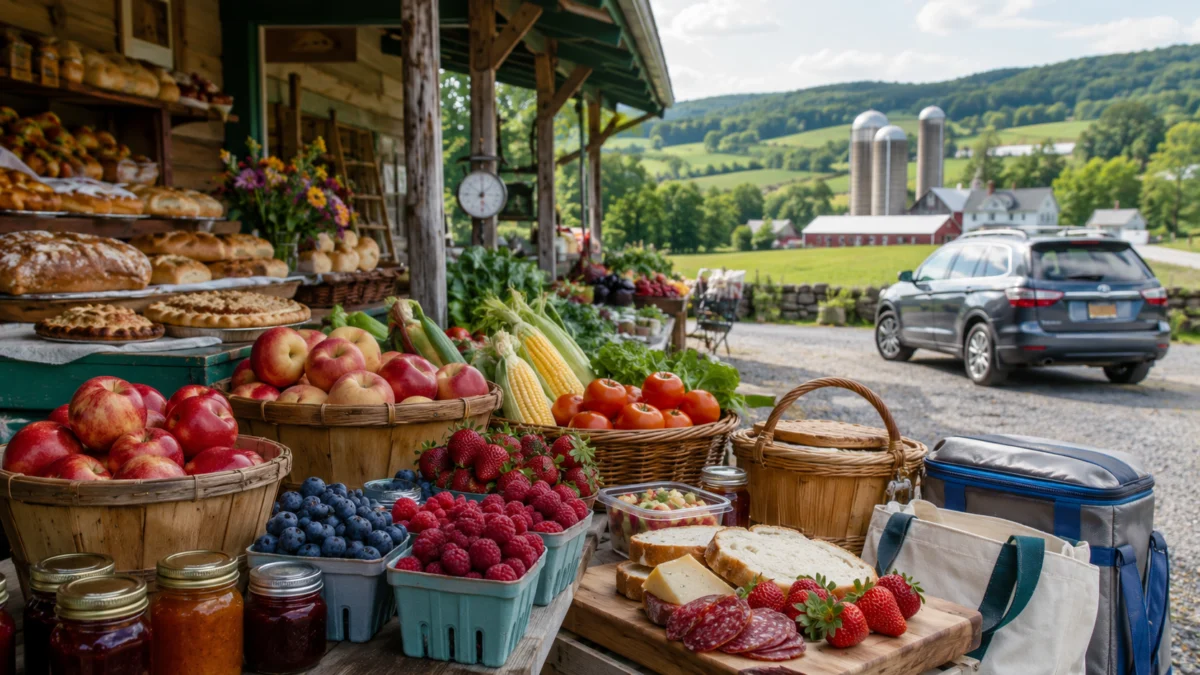
To enhance the comfort and efficiency of long days dedicated to culinary exploration, travelers can pack a few lightweight, essential items. These include wet wipes for quick clean-ups, a reusable water bottle to stay hydrated, and a small cooler bag for transporting perishable items like cheese or pastries acquired during the day. Carrying a portable charger for electronic devices and a supply of small cash denominations is also prudent, as reliance on digital maps and payment systems can be precarious in areas with intermittent connectivity or power outages.
For those undertaking driving tours, implementing a concise checklist can significantly contribute to a more relaxed and safe dining experience. This might involve identifying a convenient parking spot near the first planned stop, then opting to walk between subsequent establishments within a reasonable radius. Prioritizing non-alcoholic beverages before driving and considering takeaway options instead of on-site consumption when necessary are vital for maintaining legal compliance and ensuring responsible travel.
Embracing Diverse Culinary Formats for Enhanced Learning
The most enduring food memories are often forged through a diverse array of culinary experiences, extending beyond exclusively high-end restaurants. Exploring local markets provides invaluable insights into regional ingredients and their origins. Cafés offer a window into the daily routines and social fabric of a community. Establishments like tapas bars or izakayas reveal local customs surrounding food and drink pairings. While a fine dining experience can certainly illuminate sophisticated culinary techniques, its value is maximized when aligned with the diner’s appreciation for the establishment’s pace and pricing.
A balanced daily itinerary should incorporate at least one spontaneous, quick-service stop that is frequented by locals who may not engage in extensive pre-planning. Such establishments often feature concise menus, a characteristic that typically signifies a focused approach to sourcing, preparation, and efficient service. Experiencing a single signature dish multiple times across different establishments within a city can provide a nuanced understanding of how variations in technique and ingredient selection impact the final product.
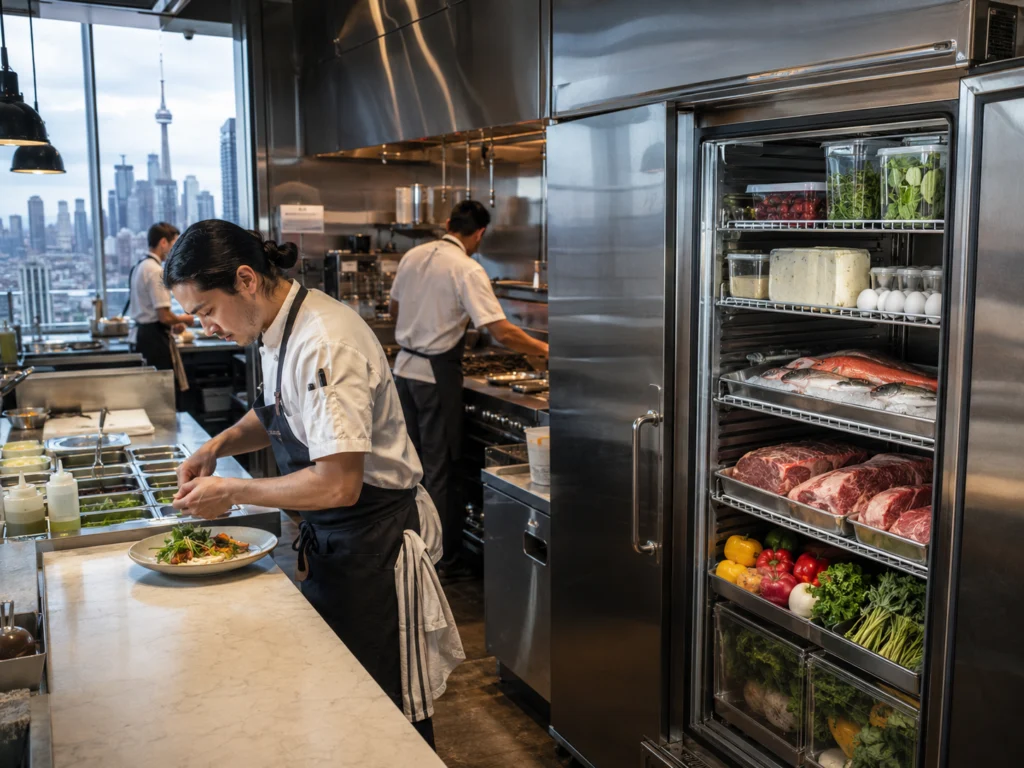
The choice of seating can profoundly influence one’s perception and ordering decisions during a meal. Opting for a counter seat often provides a direct view of the kitchen’s operations, allowing observation of the chefs’ movements, the tools they employ, and the precise timing of their preparations. This firsthand insight can lead to more informed ordering choices on subsequent visits. Conversely, an outdoor table encourages a more leisurely pace, facilitating people-watching and the observation of how local diners pair beverages with small plates.
Following each meal, it is beneficial to jot down three brief notes while the flavors and impressions are still vivid. This record might include the dish’s name, a specific flavor profile that stood out, and a practical tip or adaptation that could be replicated at home. Additionally, taking a photograph of the menu can serve as a useful reference for future culinary research, eliminating the need to endlessly scroll through digital archives.
Constructing a Personalized Culinary Atlas
Upon arrival in a new destination, commencing the culinary exploration with a visit to a local market can provide an immediate immersion into the region’s ingredients and produce. This initial experience can then be complemented by selecting one signature dish that epitomizes the city’s gastronomy. The market visit serves as a foundation for understanding the raw components, while the signature dish offers insights into local techniques and service styles. Subsequent dining choices can then be integrated seamlessly into existing daily plans, filling informational gaps with accessible and convenient options in proximity to areas already slated for exploration.
Maintaining a consistent routine while traveling can effectively mitigate culinary fatigue and prevent suboptimal food choices later in the journey. Prioritizing regular hydration, ensuring the inclusion of vegetables at lunch, and seizing opportunities to purchase fresh fruit from roadside produce stalls are simple yet effective strategies. If a feeling of fullness arises, sharing a dish with a travel companion allows for continued exploration of diverse offerings without overindulgence.
Translating these principles into a practical plan involves organizing dining opportunities by neighborhood clusters, incorporating generous time buffers between meals, and setting realistic daily driving objectives. This methodical approach facilitates enjoyable and enriching culinary experiences across a multitude of locations, minimizing stress and maximizing efficiency. Furthermore, it ensures the availability of backup options when unexpected changes in weather, lengthy queues, or traveler fatigue necessitate adjustments to the original itinerary, thereby preventing wasted time and ensuring a consistently satisfying gastronomic adventure.


 Anjar Salim
 Dwi Wanna
 Budi Mulyono
 Lukman Taruna Persada Ramadan
 Chandra Hamzah
 Gabriela Annisa